



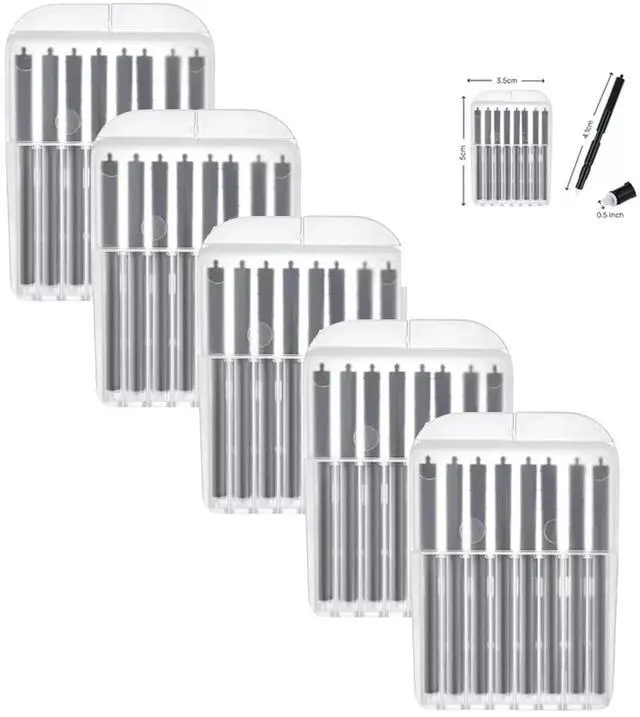
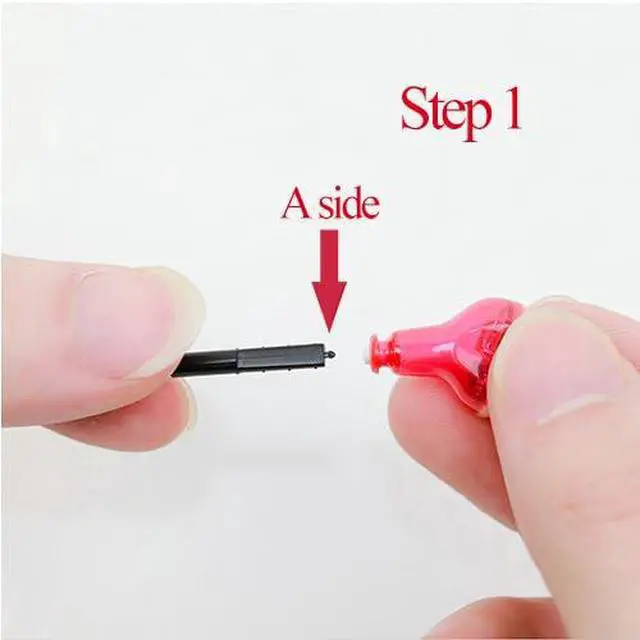
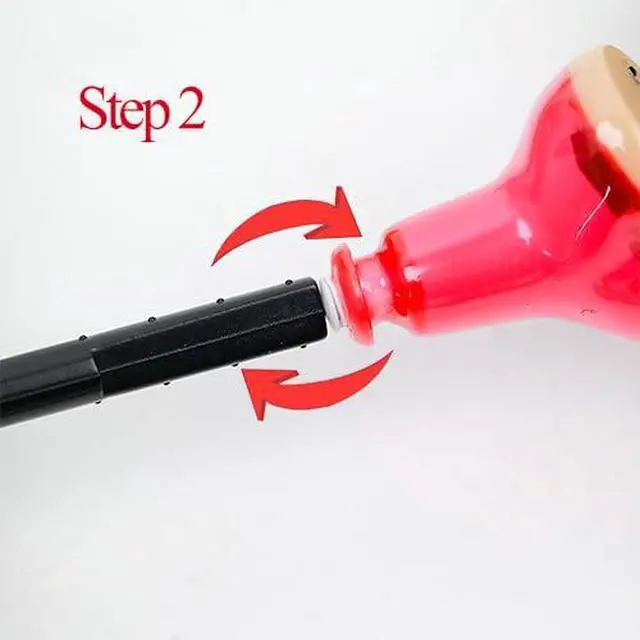
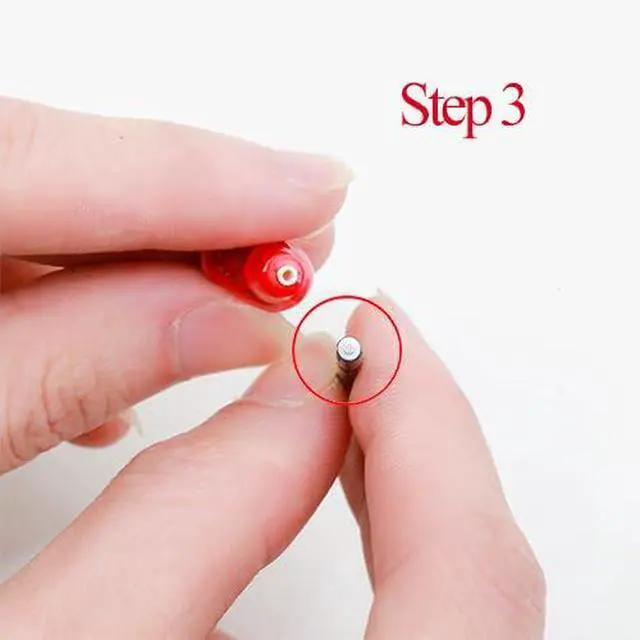


Hearing aid Wax Guard Filter for phonak, widex and Resound Wax Traps Hear Clear Cleaning kit Accessory

Hearing aid Wax Guard Filter for phonak, widex and Resound Wax Traps Hear Clear Cleaning kit Accessory, Filter Hearing Aid, Hearing Wax Guard
First,They can selectively amplify sound in different frequency ranges. For example, they can focus on amplifying the frequency intervals that are crucial for speech understanding, while appropriately suppressing some noisy and unnecessary low-frequency or high-frequency noises in the environment, thereby improving the clarity of the wearer's perception of useful sound signals and helping them listen to and understand what others are saying better.
And then They can flexibly perform filtering processing on sound according to different listening environments (such as quiet indoor spaces, noisy outdoor areas, etc.) and the characteristics of the wearer's own hearing loss, so as to optimize the acoustic output effect of the hearing aids and provide the wearer with a more appropriate and comfortable auditory experience.
High-Quality Hearing Aid Filters for Clearer Sound Perception

Advanced Hearing Aid Filters, Ideal for Various Hearing Conditions
Hearing aid filters are essential components in hearing aids, playing a crucial role in ensuring the proper functioning and performance of the devices.
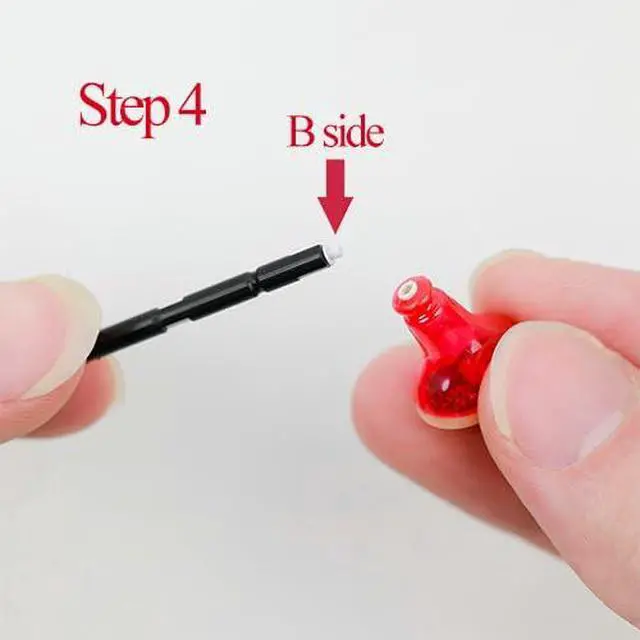
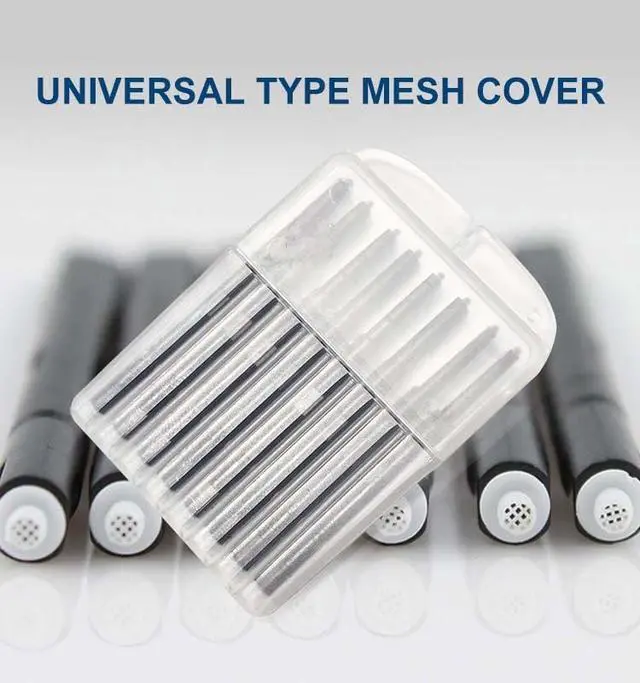
- Wax Filters: Commonly found in various hearing aid models, especially the advanced ones. They are mesh-like screens placed in front of the speaker, acting as a protective barrier against earwax, skin oils, dirt and dust, preventing them from clogging the receiver and ensuring the optimal performance of the hearing aid.
- Microphone Filters: Used in behind-the-ear (bte) devices to protect the microphones from moisture, dust and other particles. Regular maintenance and replacement of these filters are necessary to maintain the performance of the hearing aid's microphones.
- Sound Filters (Silencers): Designed to match the sound output with the wearer's hearing loss. They fine-tune the sound amplification process, enhancing the clarity and intelligibility of the amplified sound, and also protect the device from external substances.
- Protecting the Device: Filters prevent debris such as earwax, skin grease, dust and dirt from entering the hearing aid, which could otherwise clog or damage the internal components, ensuring the device's longevity and proper functioning.
- Enhancing Sound Quality: Sound filters can be adjusted according to the user's specific hearing requirements, optimizing the frequency response and making the amplified sound more suitable for the wearer, thus improving the clarity and quality of the sound perceived by the user.
- Reducing Background Noise: By filtering out unwanted frequencies, some filters can help reduce background noise, allowing the user to focus better on the desired sounds, such as speech, in different listening environments.
- Regular Cleaning: It is essential to clean the filters regularly using special tools like sprays, cleaning wipes and dehumidifying tablets to remove ear wax and other external substances, preventing blockage and maintaining the filter's effectiveness.
- Periodic Replacement: Even with regular cleaning, filters will eventually need to be replaced as they tend to accumulate debris over time. The frequency of replacement depends on various factors such as the user's earwax production and the environment in which the hearing aid is used, but it is generally recommended to change the filter at least once a month.
In conclusion, hearing aid filters are vital for the optimal performance and protection of hearing aids, and proper care and maintenance of these filters can significantly enhance the user's hearing experience.
Hearing aid Wax Guard Filter for phonak, widex and Resound Wax Traps Hear Clear Cleaning kit Accessory
Hearing aid Wax Guard Filter for phonak, widex and Resound Wax Traps Hear Clear Cleaning kit Accessory, Filter Hearing Aid, Hearing Wax Guard
First,They can selectively amplify sound in different frequency ranges. For example, they can focus on amplifying the frequency intervals that are crucial for speech understanding, while appropriately suppressing some noisy and unnecessary low-frequency or high-frequency noises in the environment, thereby improving the clarity of the wearer's perception of useful sound signals and helping them listen to and understand what others are saying better.
And then They can flexibly perform filtering processing on sound according to different listening environments (such as quiet indoor spaces, noisy outdoor areas, etc.) and the characteristics of the wearer's own hearing loss, so as to optimize the acoustic output effect of the hearing aids and provide the wearer with a more appropriate and comfortable auditory experience.
High-Quality Hearing Aid Filters for Clearer Sound Perception
Advanced Hearing Aid Filters, Ideal for Various Hearing Conditions
Hearing aid filters are essential components in hearing aids, playing a crucial role in ensuring the proper functioning and performance of the devices.
- Wax Filters: Commonly found in various hearing aid models, especially the advanced ones. They are mesh-like screens placed in front of the speaker, acting as a protective barrier against earwax, skin oils, dirt and dust, preventing them from clogging the receiver and ensuring the optimal performance of the hearing aid.
- Microphone Filters: Used in behind-the-ear (bte) devices to protect the microphones from moisture, dust and other particles. Regular maintenance and replacement of these filters are necessary to maintain the performance of the hearing aid's microphones.
- Sound Filters (Silencers): Designed to match the sound output with the wearer's hearing loss. They fine-tune the sound amplification process, enhancing the clarity and intelligibility of the amplified sound, and also protect the device from external substances.
- Protecting the Device: Filters prevent debris such as earwax, skin grease, dust and dirt from entering the hearing aid, which could otherwise clog or damage the internal components, ensuring the device's longevity and proper functioning.
- Enhancing Sound Quality: Sound filters can be adjusted according to the user's specific hearing requirements, optimizing the frequency response and making the amplified sound more suitable for the wearer, thus improving the clarity and quality of the sound perceived by the user.
- Reducing Background Noise: By filtering out unwanted frequencies, some filters can help reduce background noise, allowing the user to focus better on the desired sounds, such as speech, in different listening environments.
- Regular Cleaning: It is essential to clean the filters regularly using special tools like sprays, cleaning wipes and dehumidifying tablets to remove ear wax and other external substances, preventing blockage and maintaining the filter's effectiveness.
- Periodic Replacement: Even with regular cleaning, filters will eventually need to be replaced as they tend to accumulate debris over time. The frequency of replacement depends on various factors such as the user's earwax production and the environment in which the hearing aid is used, but it is generally recommended to change the filter at least once a month.
In conclusion, hearing aid filters are vital for the optimal performance and protection of hearing aids, and proper care and maintenance of these filters can significantly enhance the user's hearing experience.