





Understanding the Difference Between 6mm and 10mm Yoga Mats
When choosing a yoga or fitness mat, thickness plays a major role in how your body feels and performs during practice. The difference between a 6mm mat and a 10mm mat may seem small, but it greatly affects comfort, stability, support, and portability — all key factors depending on your workout style and environment.
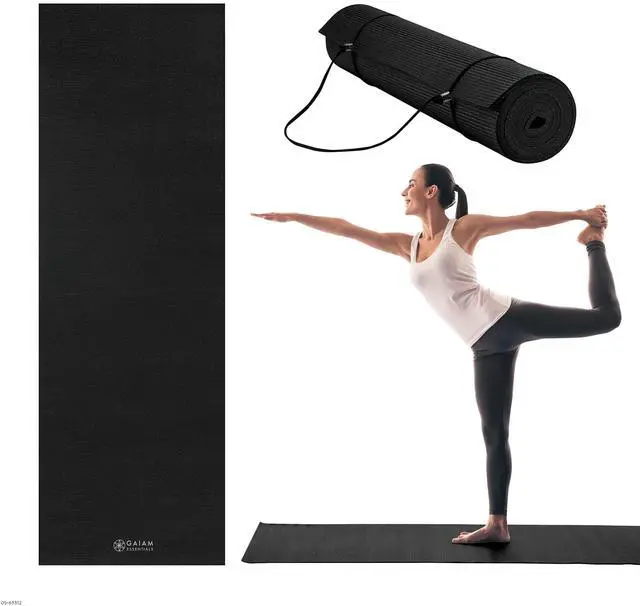
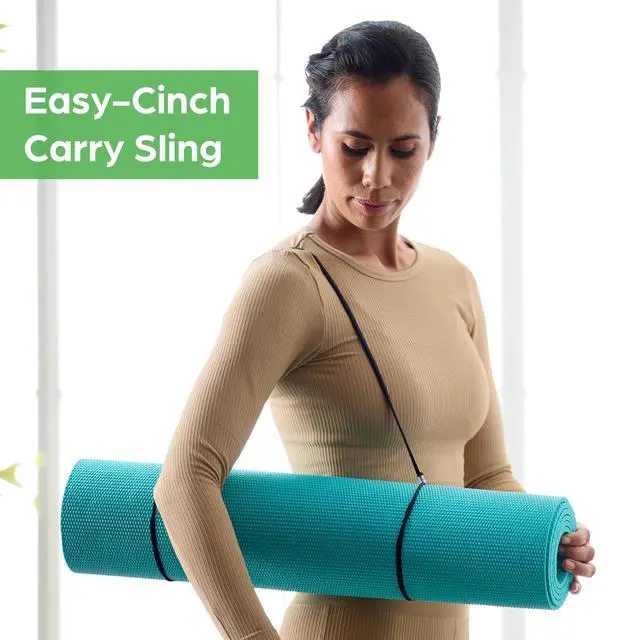
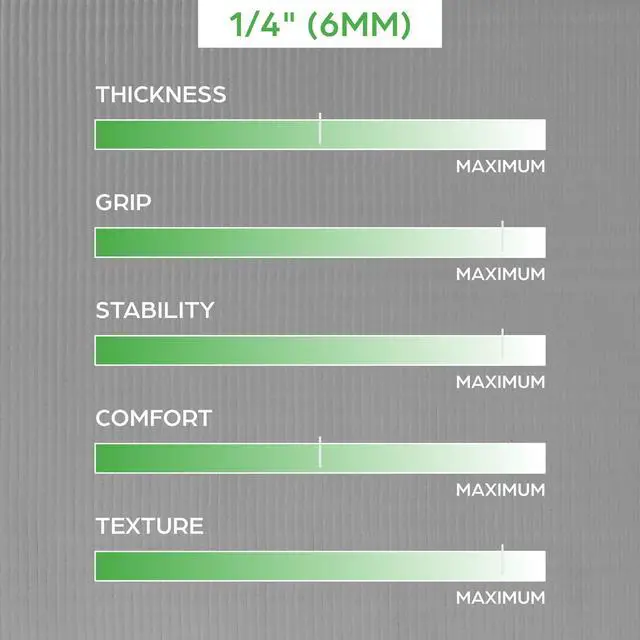
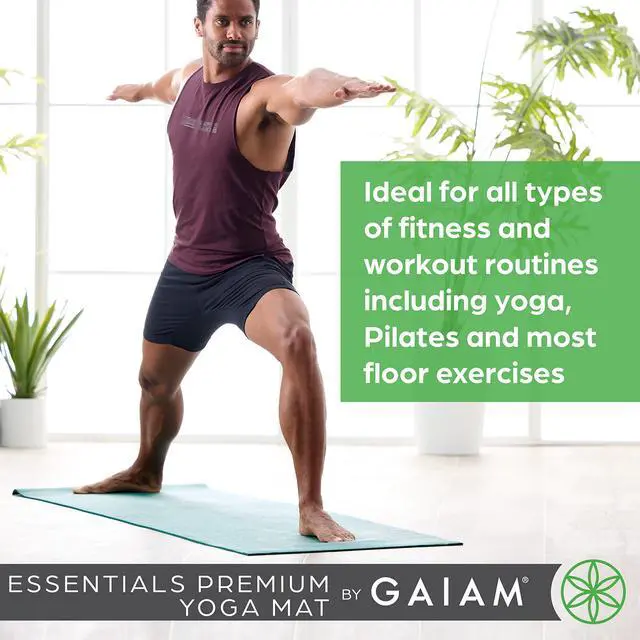
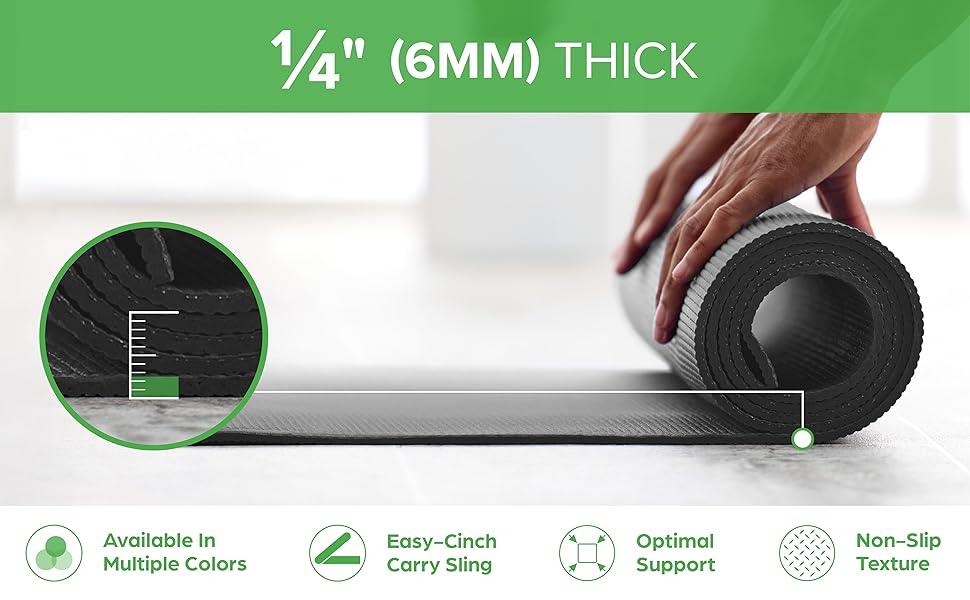
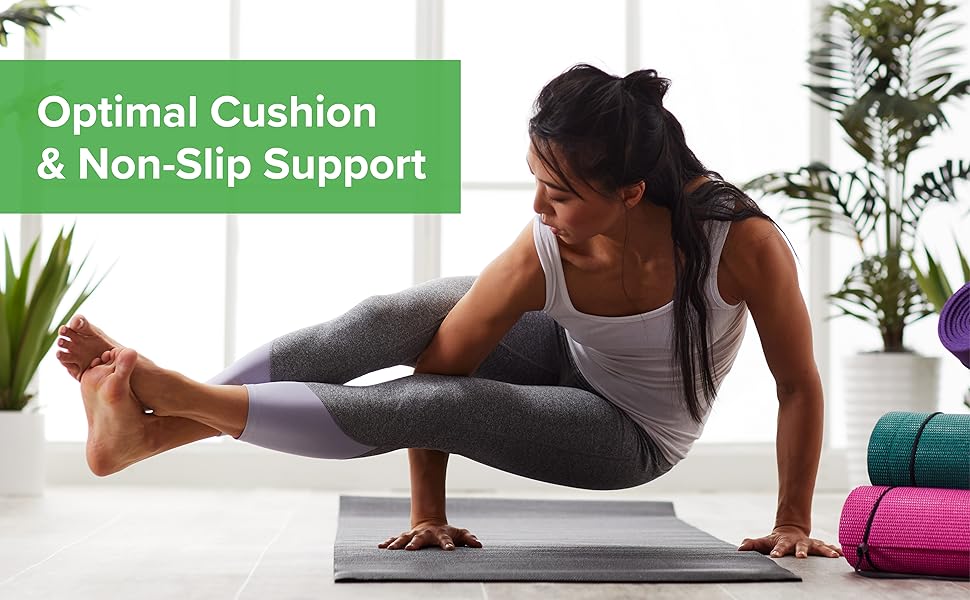
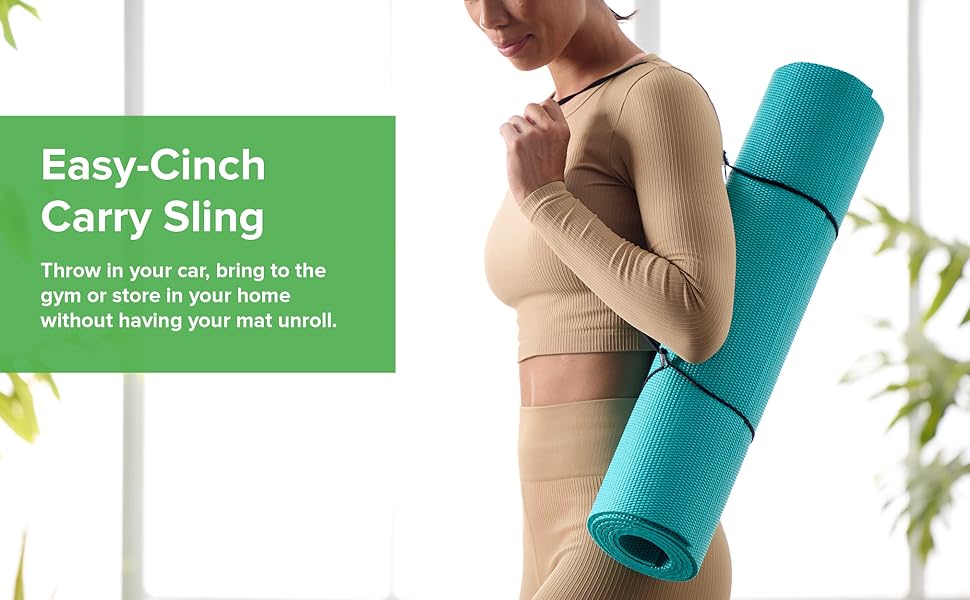
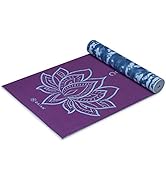
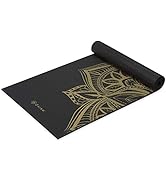
A 6mm yoga mat (about ¼ inch thick) is the most versatile choice for yoga enthusiasts and everyday practitioners. It offers the perfect balance between cushioning and connection to the floor, allowing you to feel stable and grounded in standing poses like Warrior, Triangle, or Tree Pose. The thinner profile provides superior stability and control, which is ideal for practices that require balance and precision — such as Vinyasa, Power Yoga, or Pilates. Its lighter weight also makes it easy to carry to the studio, gym, or outdoor classes.
If you often practice on firm studio floors or prefer a mat that lets you stay connected to the ground while still offering joint protection, a 6mm mat is your best match. It’s also a great pick for travelers or those with limited storage space since it rolls up compactly and weighs less than thicker mats.
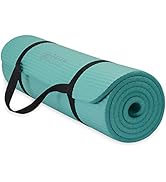
A 10mm mat (roughly 2x thicker than standard yoga mats) is designed for superior joint comfort and extra padding, making it perfect for floor-based workouts, stretching, core training, and restorative yoga. If you have sensitive knees, wrists, or elbows, or prefer practicing on hard tile or concrete, a thicker mat provides the shock absorption and plush comfort you need.
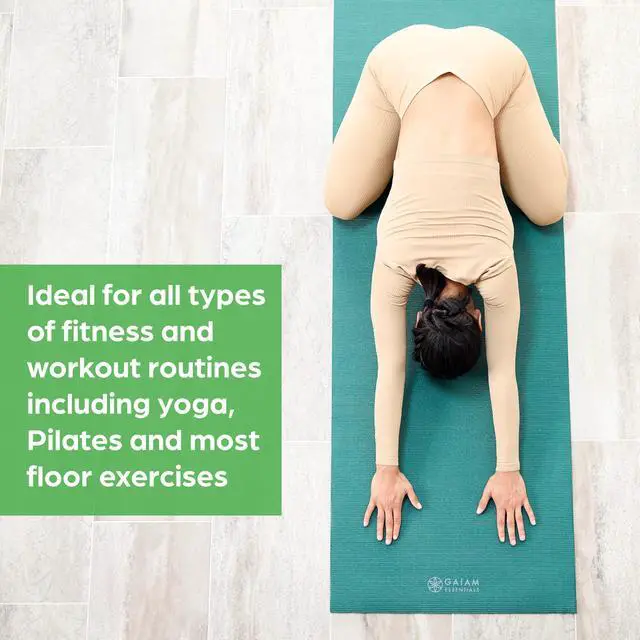
The extra cushioning makes the 10mm mat particularly suitable for Pilates, HIIT, strength training, and physical therapy routines, where lying or kneeling positions are common. Its dense NBR foam construction delivers durability without losing shape over time, while still providing the grip you need to stay stable.
Although slightly heavier and bulkier to carry than a 6mm mat, the 10mm option is unbeatable when it comes to comfort, support, and versatility. It’s the perfect home-gym essential for anyone who prioritizes joint protection and all-day comfort during extended sessions.
The best mat thickness depends on your personal practice and environment:
- Choose 6mm if you focus on balance, standing poses, or portability.
- Choose 10mm if you need extra comfort, joint support, or use your mat for cross-training.
Both offer non-slip textures, durable materials, and easy cleaning — hallmarks of a quality Gaiam mat. Many users even keep both: a 6mm mat for yoga flow and a 10mm mat for high-impact or restorative workouts.





Understanding the Difference Between 6mm and 10mm Yoga Mats
When choosing a yoga or fitness mat, thickness plays a major role in how your body feels and performs during practice. The difference between a 6mm mat and a 10mm mat may seem small, but it greatly affects comfort, stability, support, and portability — all key factors depending on your workout style and environment.
A 6mm yoga mat (about ¼ inch thick) is the most versatile choice for yoga enthusiasts and everyday practitioners. It offers the perfect balance between cushioning and connection to the floor, allowing you to feel stable and grounded in standing poses like Warrior, Triangle, or Tree Pose. The thinner profile provides superior stability and control, which is ideal for practices that require balance and precision — such as Vinyasa, Power Yoga, or Pilates. Its lighter weight also makes it easy to carry to the studio, gym, or outdoor classes.
If you often practice on firm studio floors or prefer a mat that lets you stay connected to the ground while still offering joint protection, a 6mm mat is your best match. It’s also a great pick for travelers or those with limited storage space since it rolls up compactly and weighs less than thicker mats.
A 10mm mat (roughly 2x thicker than standard yoga mats) is designed for superior joint comfort and extra padding, making it perfect for floor-based workouts, stretching, core training, and restorative yoga. If you have sensitive knees, wrists, or elbows, or prefer practicing on hard tile or concrete, a thicker mat provides the shock absorption and plush comfort you need.
The extra cushioning makes the 10mm mat particularly suitable for Pilates, HIIT, strength training, and physical therapy routines, where lying or kneeling positions are common. Its dense NBR foam construction delivers durability without losing shape over time, while still providing the grip you need to stay stable.
Although slightly heavier and bulkier to carry than a 6mm mat, the 10mm option is unbeatable when it comes to comfort, support, and versatility. It’s the perfect home-gym essential for anyone who prioritizes joint protection and all-day comfort during extended sessions.
The best mat thickness depends on your personal practice and environment:
- Choose 6mm if you focus on balance, standing poses, or portability.
- Choose 10mm if you need extra comfort, joint support, or use your mat for cross-training.
Both offer non-slip textures, durable materials, and easy cleaning — hallmarks of a quality Gaiam mat. Many users even keep both: a 6mm mat for yoga flow and a 10mm mat for high-impact or restorative workouts.
Shop Gaiam
Active Sitting & Standing
Yoga Mats
Yoga Accessories
Kids Active Play
Fitness
Meditation
Recovery
Headwear
