

Your Browsing History
- Free 30-day Returns
$1,369.95


Meet Your Seller


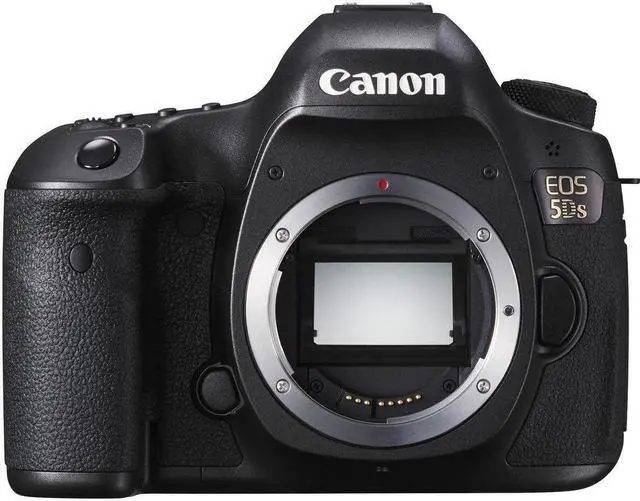
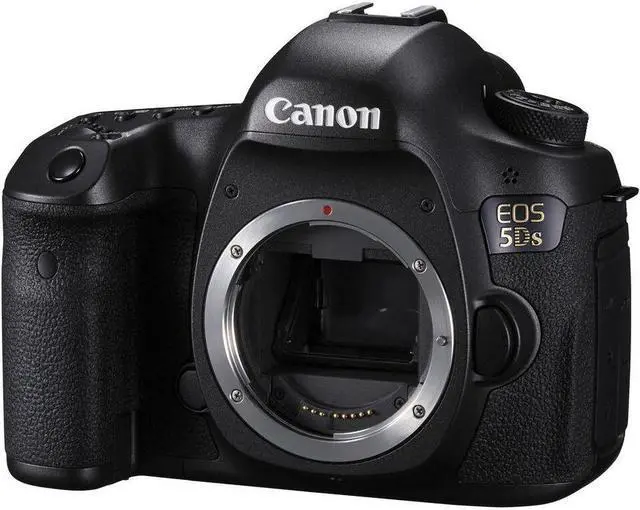


Canon EOS 5DS 5D S DSLR Camera (Body Only) - 12PC Accessory Bundle
- 50.6 MP Full-Frame CMOS Sensor
- Dual DIGIC 6 Image Processors
- 3.2" 1.04m-Dot ClearView II LCD Monitor
- Full HD 1080p Video Recording at 30 fps
- 61-Point High Density Reticular AF
- ISO 100-6400; 5 fps Continuous Shooting
- 150,000-Pixel RGB+IR Metering Sensor
- User-Selectable Shutter Release Time Lag
- Anti-Flicker Compensation
+
+
Overview
Specs
Reviews

Any questions? Our AI mode will help you find out quickly.
Try me now
Kit Includes:
Canon EOS 5DS DSLR Camera (Body Only)
SanDisk 128GB Extreme PRO 170MB/s
ULTIMAXX 36 LED Light Kit
ULTIMAXX 12 GRIPSTER / TRIPOD (BLUE)
ULTIMAXX 6.5 TABLETOP PISTOL GRIP TRIPOD
ULTIMAXX Medium Gadget Bag/Case
ULTIMAXX BLOWER
ULTIMAXX High Speed SD/SDHC/Micro SD Reader/CARD READER
ULTIMAXX Wrist / Hand Grip Strap
ULTIMAXX LENS CLEANING PEN
ULTIMAXX Microfiber Cleaning Cloth
ULTIMAXX HDMI A-C (MINI)
ULTIMAXX STARTER CLEANING KIT
The EOS 5DS DSLR Camera from Canon is the long-awaited follow-up to the vaunted 5D Mark III and brings with it new technology and a number of significant upgrades, placing it in very lofty territory for a DSLR. Featuring a full-frame 50.6 MP CMOS sensor, the camera captures ultra-high resolution images suitable for large-scale printing and extensive, creative cropping. The Dual DIGIC 6 Image Processors provide the wherewithal to handle this abundance of information, enabling fast performance speeds and top-of-the-line image quality. The 5DS also features advanced video capability including HD 1080p capture at 30 fps and a Time Lapse movie function which takes still photos at set intervals and combines them into a full HD movie.
The EOS Scene Detection System with the 150, 000-pixel RGB+IR metering sensor provides precise exposure and color metering and the 61-point High Density Reticular AF sensor with 41 cross-type points enables accurate AF placement and Canon's EOS iTR (Intelligent Tracking and Resolution) enhances AF performance by using information from the metering sensor. Crop shooting at 1.3 x and 1.6 x allows for flexibility in the size of image files created and the selection of lenses. Also, a built-in intervalometer and bulb timer expand your creative options. An advanced mirror control mechanism and new selectable shutter release lag times control camera vibration for reduced blur and quiet operation. Anti-flicker functionality compensates for flickering light sources, providing consistent exposure metering during continuous shooting. Despite its large file sizes, the 5DS can still offer up to a 5 fps continuous shooting rate.
For stable eye-level composition the 5DS features the Intelligent Viewfinder II with 100% coverage. In addition to its clear view, a superimposed, transparent LCD is incorporated which displays setting information and offers a customizable view of focus points and grid lines. The 3.2" ClearView II LCD monitor provides playback and live view composition with 1.04 m-dot resolution and a 170º viewing angle. High-transparency materials and multi-coating resist reflections for bright viewing, especially important when shooting video.
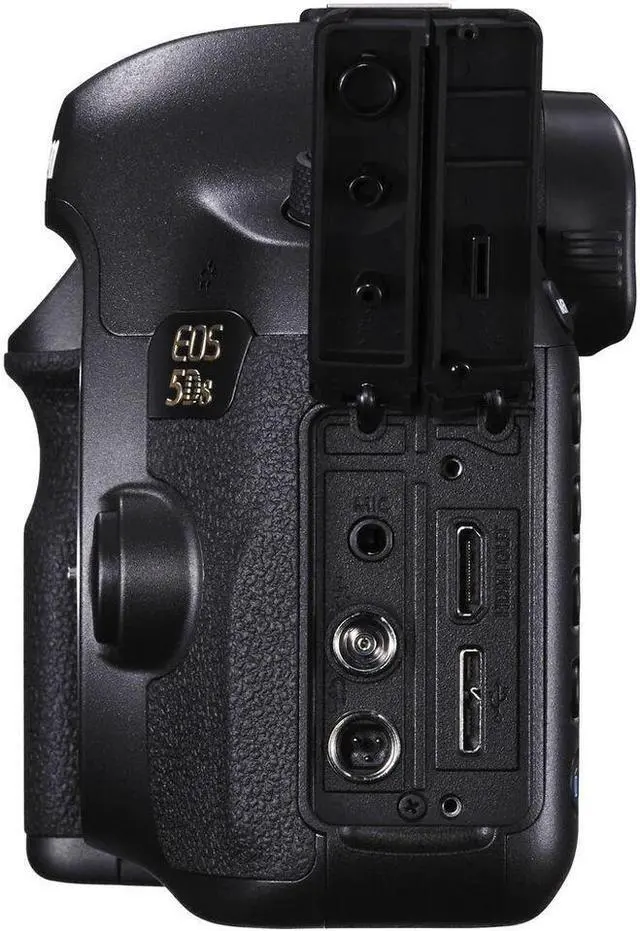
The 5DS is a durable and multi-faceted camera for advanced use, yet its dimensions match that of the 5D Mark III. A magnesium-alloy build provides resistance to impact and the elements and inputs include a PC terminal, 3-pin input, an external microphone jack as well as HDMI out and USB 3.0 compatibility. The base plate and tripod socket have also been reinforced to reduce vibrations and ensure a secure attachment to support systems. Dual media slots for Compact Flash and SD format memory cards are supported. A customizable Quick Control System allows you to easily switch between frequently used settings and functions.
New 50.6 Megapixel Full-frame CMOS Sensor
Newly designed 50.6 MP full-frame CMOS helps deliver ultra-high resolution images for large-scale printing and extensive, creative cropping, while Dual DIGIC 6 Image Processors enable top-of-the-line image quality and processing speed.
Fine Detail Mode in Picture Style
Taking advantage of its sensor's high-resolution capturing power, the EOS 5DS camera has a new Picture Style called Fine Detail mode. Fine Detail emphasizes fine edges and patterns or textures by setting the camera's Sharpness sub-settings, fineness and threshold to their minimum and by lowering contrast settings as well. Prioritizing minute details in the image allows for better gradations, more detailed textures and fine edges for smoother, more polished photographs.
EOS Scene Detection System with RGB+IR Metering Sensor
The EOS 5DS camera has the iSA Intelligent Scene Analysis system that employs an independent RGB+IR light sensor with approximately 150, 000-pixel resolution. This sensor enables Canon's Intelligent Tracking and Recognition system (iTR AF) that detects and tracks subjects, automatically switching the AF point to optimize tracking. With new tracking algorithms tailored to recognize faces and colors, this system serves as the foundation to the camera's AF system.
61-Point High Density Reticular AF
For fast, precise AF with sophisticated tracking performance, the EOS 5DS camera has an advanced, 61-point High Density Reticular AF system with up to 41 cross-type AF points. The AF system is sensitive to changes in composition, making adjustments quickly to help ensure consistent, sharp AF. A new RGB+IR AF sensor (with approximately 150, 000 pixels) monitors subject motion, and Canon's iTR Intelligent Tracking and Recognition system synchronizes the active AF point with the subject's motion, helping to ensure that AF precision is maintained. With focus modes dedicated to the particulars of the shooting environment, the EOS 5DS realizes a level of focus accuracy befitting its 50.6 MP sensor.
Advanced Mirror Control Mechanism and Shutter Release Time Lag
The camera shake that occurs from the impact of an SLR's mirror can leave blurred details in the recorded image. This effect is magnified when working with a high-resolution sensor like the one found in the EOS 5DS camera. To counter the effects of conventional, spring-driven SLR mirrors, the EOS 5DS features a newly developed Mirror Vibration Control system. The camera's mirror is not controlled by springs but instead is driven by a small motor and cams. This system suppresses the impact typical of the camera's mirror, significantly reducing impact and its effects on the image. A new Time Release Lag setting, easily accessed on the menu system, offers added protection against camera shake by setting the shutter release time intentionally longer so the camera does not begin the exposure until after the impact of the camera's mirror has diffused.
Canon EOS 5DS DSLR Camera (Body Only)
SanDisk 128GB Extreme PRO 170MB/s
ULTIMAXX 36 LED Light Kit
ULTIMAXX 12 GRIPSTER / TRIPOD (BLUE)
ULTIMAXX 6.5 TABLETOP PISTOL GRIP TRIPOD
ULTIMAXX Medium Gadget Bag/Case
ULTIMAXX BLOWER
ULTIMAXX High Speed SD/SDHC/Micro SD Reader/CARD READER
ULTIMAXX Wrist / Hand Grip Strap
ULTIMAXX LENS CLEANING PEN
ULTIMAXX Microfiber Cleaning Cloth
ULTIMAXX HDMI A-C (MINI)
ULTIMAXX STARTER CLEANING KIT
The EOS 5DS DSLR Camera from Canon is the long-awaited follow-up to the vaunted 5D Mark III and brings with it new technology and a number of significant upgrades, placing it in very lofty territory for a DSLR. Featuring a full-frame 50.6 MP CMOS sensor, the camera captures ultra-high resolution images suitable for large-scale printing and extensive, creative cropping. The Dual DIGIC 6 Image Processors provide the wherewithal to handle this abundance of information, enabling fast performance speeds and top-of-the-line image quality. The 5DS also features advanced video capability including HD 1080p capture at 30 fps and a Time Lapse movie function which takes still photos at set intervals and combines them into a full HD movie.
The EOS Scene Detection System with the 150, 000-pixel RGB+IR metering sensor provides precise exposure and color metering and the 61-point High Density Reticular AF sensor with 41 cross-type points enables accurate AF placement and Canon's EOS iTR (Intelligent Tracking and Resolution) enhances AF performance by using information from the metering sensor. Crop shooting at 1.3 x and 1.6 x allows for flexibility in the size of image files created and the selection of lenses. Also, a built-in intervalometer and bulb timer expand your creative options. An advanced mirror control mechanism and new selectable shutter release lag times control camera vibration for reduced blur and quiet operation. Anti-flicker functionality compensates for flickering light sources, providing consistent exposure metering during continuous shooting. Despite its large file sizes, the 5DS can still offer up to a 5 fps continuous shooting rate.
For stable eye-level composition the 5DS features the Intelligent Viewfinder II with 100% coverage. In addition to its clear view, a superimposed, transparent LCD is incorporated which displays setting information and offers a customizable view of focus points and grid lines. The 3.2" ClearView II LCD monitor provides playback and live view composition with 1.04 m-dot resolution and a 170º viewing angle. High-transparency materials and multi-coating resist reflections for bright viewing, especially important when shooting video.
The 5DS is a durable and multi-faceted camera for advanced use, yet its dimensions match that of the 5D Mark III. A magnesium-alloy build provides resistance to impact and the elements and inputs include a PC terminal, 3-pin input, an external microphone jack as well as HDMI out and USB 3.0 compatibility. The base plate and tripod socket have also been reinforced to reduce vibrations and ensure a secure attachment to support systems. Dual media slots for Compact Flash and SD format memory cards are supported. A customizable Quick Control System allows you to easily switch between frequently used settings and functions.
New 50.6 Megapixel Full-frame CMOS Sensor
Newly designed 50.6 MP full-frame CMOS helps deliver ultra-high resolution images for large-scale printing and extensive, creative cropping, while Dual DIGIC 6 Image Processors enable top-of-the-line image quality and processing speed.
Fine Detail Mode in Picture Style
Taking advantage of its sensor's high-resolution capturing power, the EOS 5DS camera has a new Picture Style called Fine Detail mode. Fine Detail emphasizes fine edges and patterns or textures by setting the camera's Sharpness sub-settings, fineness and threshold to their minimum and by lowering contrast settings as well. Prioritizing minute details in the image allows for better gradations, more detailed textures and fine edges for smoother, more polished photographs.
EOS Scene Detection System with RGB+IR Metering Sensor
The EOS 5DS camera has the iSA Intelligent Scene Analysis system that employs an independent RGB+IR light sensor with approximately 150, 000-pixel resolution. This sensor enables Canon's Intelligent Tracking and Recognition system (iTR AF) that detects and tracks subjects, automatically switching the AF point to optimize tracking. With new tracking algorithms tailored to recognize faces and colors, this system serves as the foundation to the camera's AF system.
61-Point High Density Reticular AF
For fast, precise AF with sophisticated tracking performance, the EOS 5DS camera has an advanced, 61-point High Density Reticular AF system with up to 41 cross-type AF points. The AF system is sensitive to changes in composition, making adjustments quickly to help ensure consistent, sharp AF. A new RGB+IR AF sensor (with approximately 150, 000 pixels) monitors subject motion, and Canon's iTR Intelligent Tracking and Recognition system synchronizes the active AF point with the subject's motion, helping to ensure that AF precision is maintained. With focus modes dedicated to the particulars of the shooting environment, the EOS 5DS realizes a level of focus accuracy befitting its 50.6 MP sensor.
Advanced Mirror Control Mechanism and Shutter Release Time Lag
The camera shake that occurs from the impact of an SLR's mirror can leave blurred details in the recorded image. This effect is magnified when working with a high-resolution sensor like the one found in the EOS 5DS camera. To counter the effects of conventional, spring-driven SLR mirrors, the EOS 5DS features a newly developed Mirror Vibration Control system. The camera's mirror is not controlled by springs but instead is driven by a small motor and cams. This system suppresses the impact typical of the camera's mirror, significantly reducing impact and its effects on the image. A new Time Release Lag setting, easily accessed on the menu system, offers added protection against camera shake by setting the shutter release time intentionally longer so the camera does not begin the exposure until after the impact of the camera's mirror has diffused.
Warranty & Returns
Warranty, Returns, And Additional Information
Warranty
- Please contact the Seller directly for warranty information. Warranty information may also be found on the Manufacturer's website.
- CONTACT
Return Policies
- Return for refund within: 30 days
- Return for replacement within: 30 days
- This item is covered by The Pixel Hub Return Policy
Manufacturer Contact Info
- For a directory of all our manufacturers, please click below.
- Manufacturers Directory
LOADING...