

Your Browsing History
- Free 30-day Returns
$191.99


Meet Your Seller

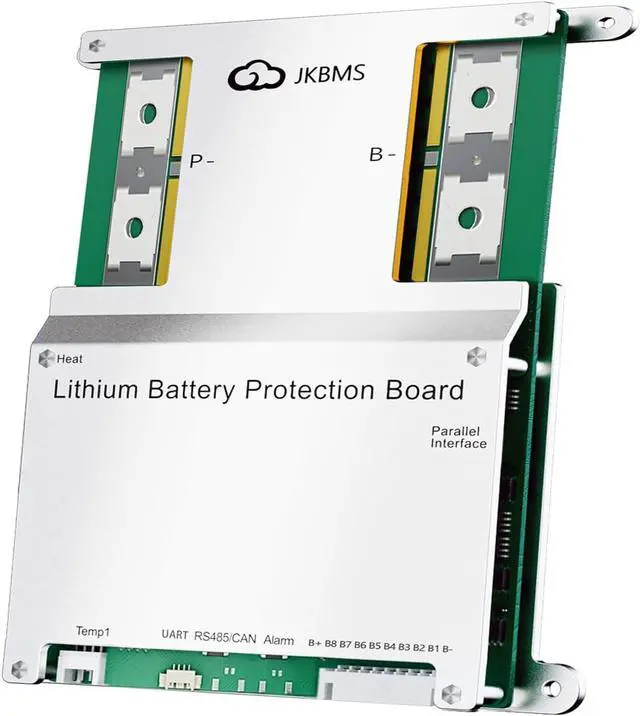
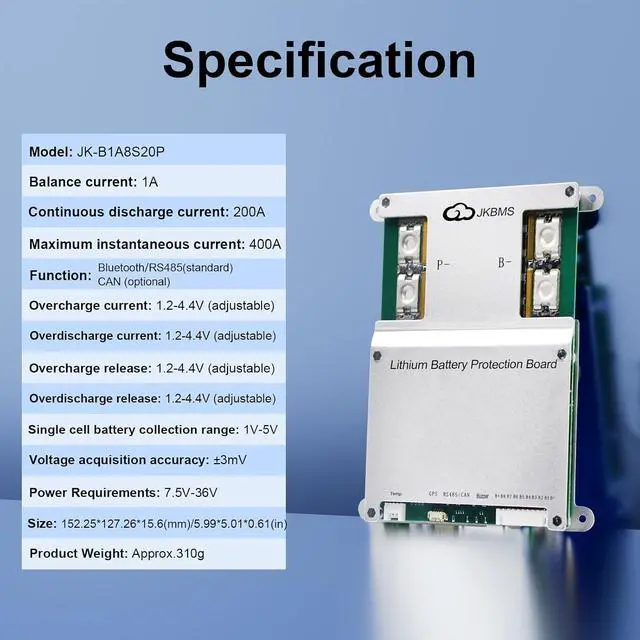
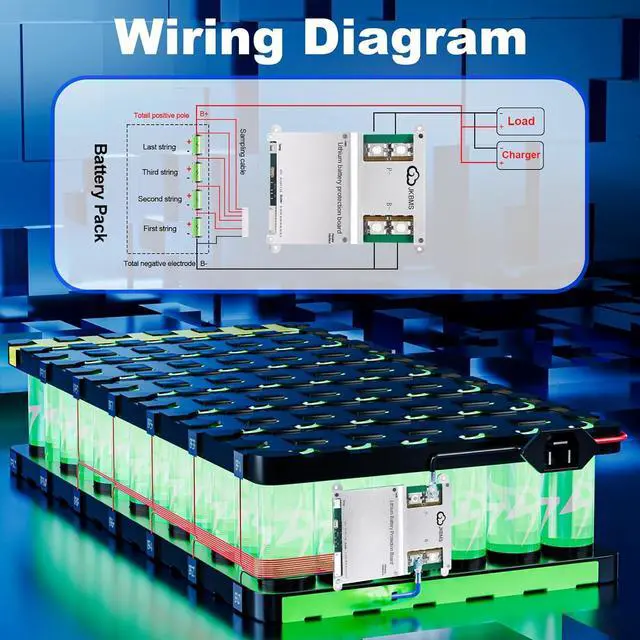


Smart BMS 4S-8S 200A 1A Active Balance Build-in Bluetooth with RS485 PCB Battery Protection Board for LiFePO4 Li-ion LTO Battery PackJK-B1A8S20P
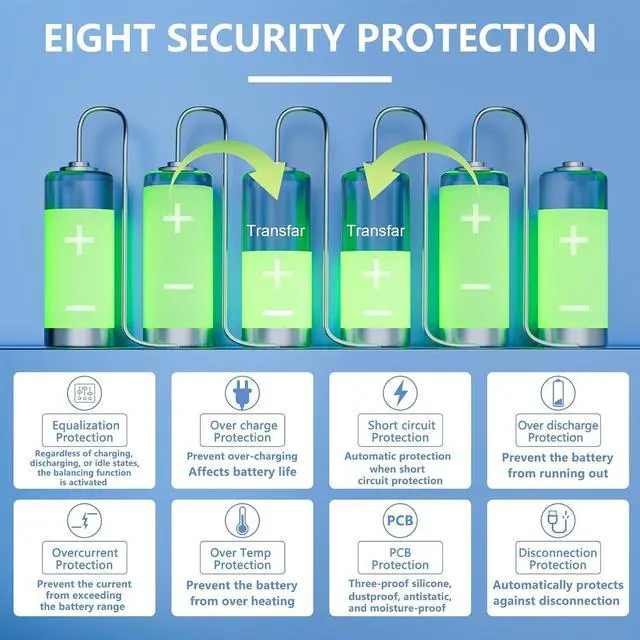
- Enhanced Safety: Safeguard your battery with protection against overcharging, overdischarging, overcurrent, short circuits, and temperature extremes. JKBMS Active Equalization extends battery life and enhances performance
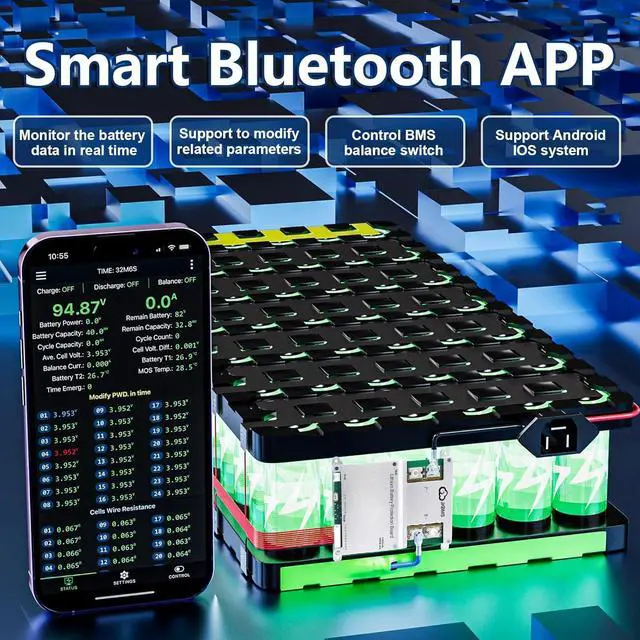
- Easy Connection: Effortlessly manage your battery with JK BMS mobile app for Android and iOS. Bluetooth connectivity allows you to monitor status, adjust settings, and control charging/discharging from your device
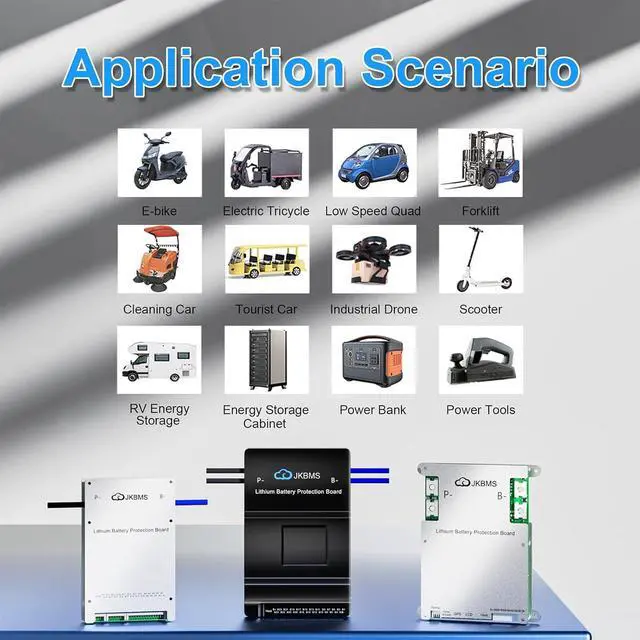
- Wide Application: This versatile BMS works with Li-ion, LiFePO4, and LTO batteries. Ideal for RV, Solar Panel, and UPS Power Supply and so on, it offers seamless integration and top performance
+
+
Overview
Specs
Reviews

Any questions? Our AI mode will help you find out quickly.
Try me now
After-Sales Support: If you have any questions or concerns, please contact us through your order page. We are committed to providing assistance and ensuring your satisfaction with our 1-year support
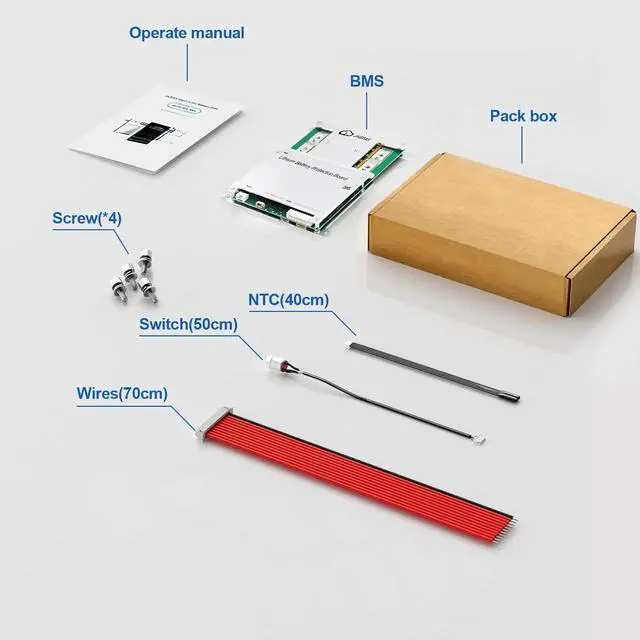
Packing List: Includes Smart BMS (JK-B1A8S20P) * 1, Wires (70cm) * 1, Switch (50cm) * 1, NTC (40cm) * 1, Screws * 4, Operate manual * 1, (RS485 converter not included). Everything you need for setup and operation
Protection Board Selection FAQ
Q: What are "same port" and "different port"?
A: For instance, with a 20S 60V 100A protection board, "same port" means your charging negative and discharging negative are connected at the same point (P-). They share a common interface, so both the charging current and discharging current are 100A. On the other hand, "different port" means the charging negative (C-) and discharging negative are separate (P-), connected at different points on the protection board. Thus, the charging and discharging currents can differdischarging at 100A and charging at 100A.
Q: Relationship Between Battery Capacity and Protection Board Current
A: The size of the battery capacity does not directly correlate with the current of the board. Capacity is not about the physical size of the battery but rather the continuous current. It depends on your controller's current limitingthe higher the limit, the larger the continuous current rating needed for the protection board. It's not directly related to battery capacity.
Q: What kind of charger should I choose?
A: For lithium batteries, you must use a charger specifically designed for lithium batteries. Never use a lead-acid battery charger, as it could potentially exceed the protection board MOSFET's voltage tolerance, leading to overcharging without protection. For lithium iron phosphate batteries, charger voltage = number of series cells * 3.65V; for ternary lithium batteries, charger voltage = number of series cells * 4.25V.
Q: What current rating of protection board should I choose?
A: The current rating of the protection board depends on the current limit set by the controller, which in turn depends on the power of the motor. For example, if the motor is 64V, 1000W, then the current is 1000/64 = 15.6A. Therefore, the controller's current limit must be greater than 15.6A, and the protection board's current limit must be greater than the controller's limit. Always leave a margin during the selection process.
Packing List: Includes Smart BMS (JK-B1A8S20P) * 1, Wires (70cm) * 1, Switch (50cm) * 1, NTC (40cm) * 1, Screws * 4, Operate manual * 1, (RS485 converter not included). Everything you need for setup and operation
Protection Board Selection FAQ
Q: What are "same port" and "different port"?
A: For instance, with a 20S 60V 100A protection board, "same port" means your charging negative and discharging negative are connected at the same point (P-). They share a common interface, so both the charging current and discharging current are 100A. On the other hand, "different port" means the charging negative (C-) and discharging negative are separate (P-), connected at different points on the protection board. Thus, the charging and discharging currents can differdischarging at 100A and charging at 100A.
Q: Relationship Between Battery Capacity and Protection Board Current
A: The size of the battery capacity does not directly correlate with the current of the board. Capacity is not about the physical size of the battery but rather the continuous current. It depends on your controller's current limitingthe higher the limit, the larger the continuous current rating needed for the protection board. It's not directly related to battery capacity.
Q: What kind of charger should I choose?
A: For lithium batteries, you must use a charger specifically designed for lithium batteries. Never use a lead-acid battery charger, as it could potentially exceed the protection board MOSFET's voltage tolerance, leading to overcharging without protection. For lithium iron phosphate batteries, charger voltage = number of series cells * 3.65V; for ternary lithium batteries, charger voltage = number of series cells * 4.25V.
Q: What current rating of protection board should I choose?
A: The current rating of the protection board depends on the current limit set by the controller, which in turn depends on the power of the motor. For example, if the motor is 64V, 1000W, then the current is 1000/64 = 15.6A. Therefore, the controller's current limit must be greater than 15.6A, and the protection board's current limit must be greater than the controller's limit. Always leave a margin during the selection process.
Warranty & Returns
Warranty, Returns, And Additional Information
Warranty
- Please contact the Seller directly for warranty information. Warranty information may also be found on the Manufacturer's website.
- CONTACT
Return Policies
- Return for refund within: 30 days
- Return for replacement within: 30 days
- This item is covered by Halo Electronics Return Policy
Manufacturer Contact Info
- For a directory of all our manufacturers, please click below.
- Manufacturers Directory
LOADING...