

Your Browsing History


Meet Your Seller

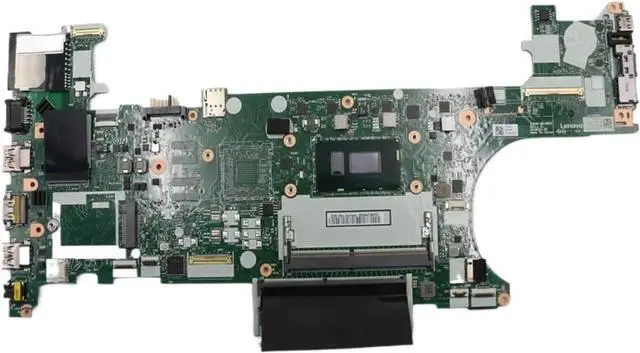
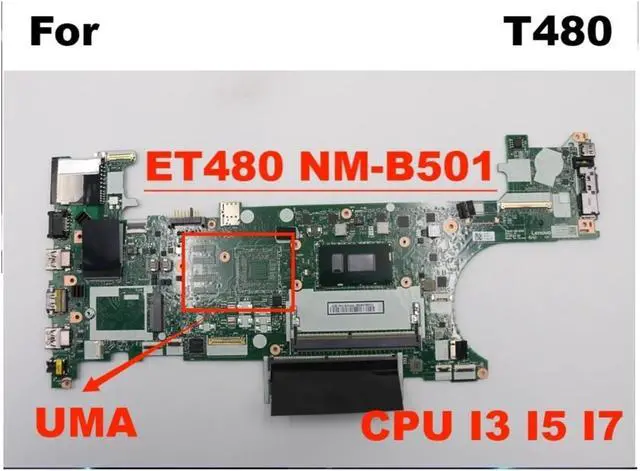
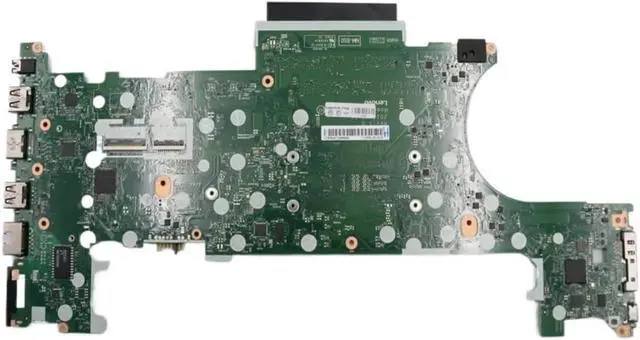
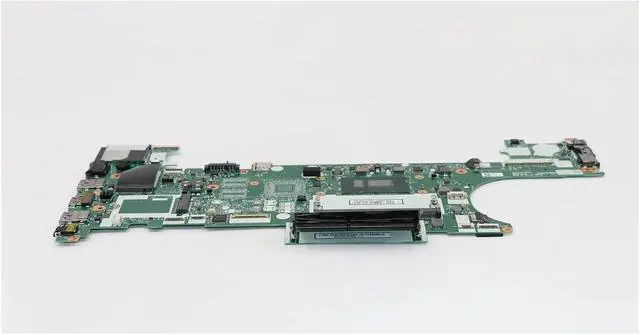
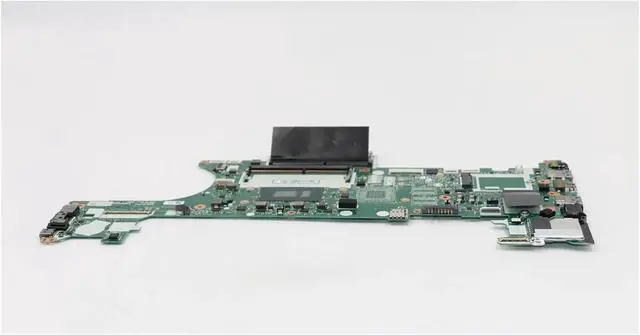


MUSM NM-B501 Mainboard,Thinkpad T480 Laptop Motherboard with CPU I3 I5 I7 Replace Part(I7-7500U 7600U)
- Chipset: The chipset determines the performance and functions of the motherboard, including the types of processors supported, the types and number of memory, and expansion slots, etc.
- Processor Socket: The motherboard has dedicated slots for installing the central processing unit (CPU). Different CPU models need to match the corresponding socket type.
- Memory Slots: The motherboard usually has multiple memory slots for installing RAM. The capacity and speed of memory directly affect system performance.
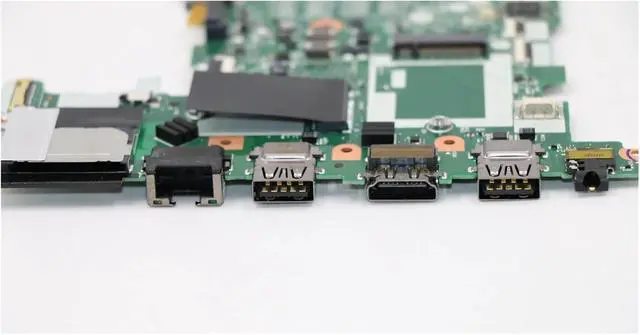
- Expansion Interfaces: The motherboard provides various interfaces (such as USB, HDMI, Ethernet, etc.) for connecting external devices and other hardware.
- Power Management: The motherboard is responsible for managing power distribution, providing stable power supply to each component.
+
+
Overview
Specs
Reviews

Any questions? Our AI beta will help you find out quickly.
Try me now
Chipset: The chipset determines the performance and functions of the motherboard, including the types of processors supported, the types and number of memory, and expansion slots, etc.
Processor Socket: The motherboard has dedicated slots for installing the central processing unit (CPU). Different CPU models need to match the corresponding socket type.
Memory Slots: The motherboard usually has multiple memory slots for installing RAM. The capacity and speed of memory directly affect system performance.
Expansion Interfaces: The motherboard provides various interfaces (such as USB, HDMI, Ethernet, etc.) for connecting external devices and other hardware.
Power Management: The motherboard is responsible for managing power distribution, providing stable power supply to each component.
Processor Socket: The motherboard has dedicated slots for installing the central processing unit (CPU). Different CPU models need to match the corresponding socket type.
Memory Slots: The motherboard usually has multiple memory slots for installing RAM. The capacity and speed of memory directly affect system performance.
Expansion Interfaces: The motherboard provides various interfaces (such as USB, HDMI, Ethernet, etc.) for connecting external devices and other hardware.
Power Management: The motherboard is responsible for managing power distribution, providing stable power supply to each component.
Warranty & Returns
Warranty, Returns, And Additional Information
Warranty
- Please contact the Seller directly for warranty information. Warranty information may also be found on the Manufacturer's website.
- CONTACT
Return Policies
- Return for refund within: 45 days
- Return for replacement within: 45 days
- This item is covered by Xalvion E-Commerce Limited Return Policy
Manufacturer Contact Info
- For a directory of all our manufacturers, please click below.
- Manufacturers Directory
LOADING...