

Your Browsing History
- Free 30-day Returns
$571.99

Meet Your Seller

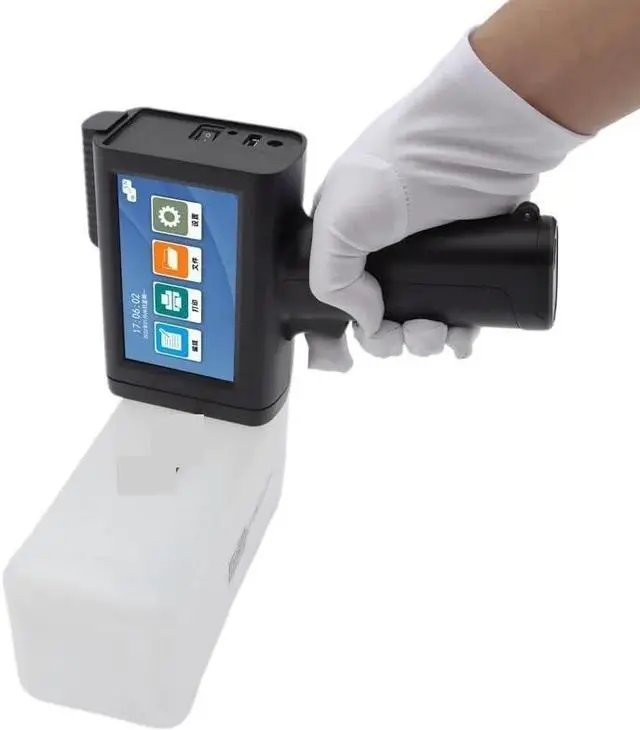
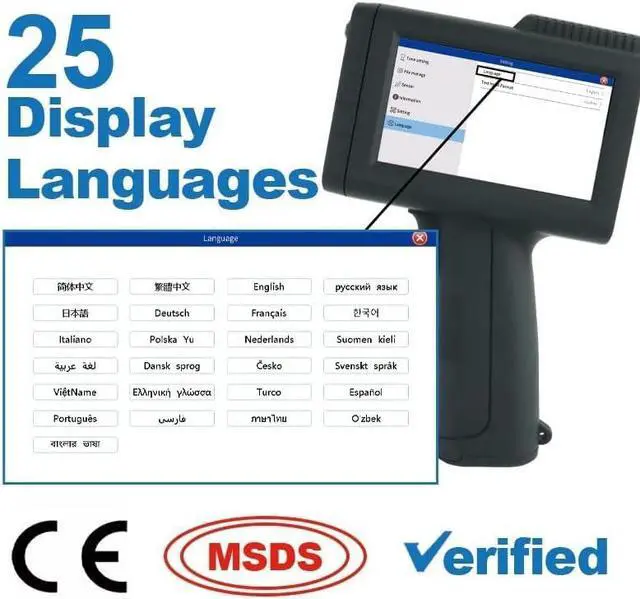
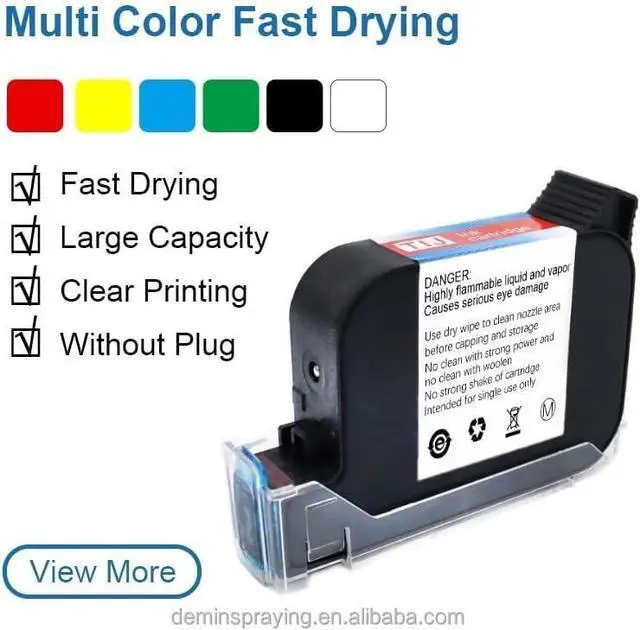
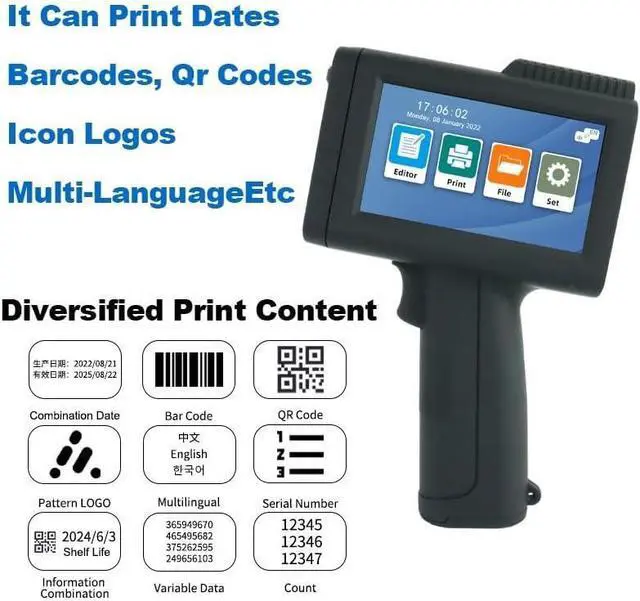
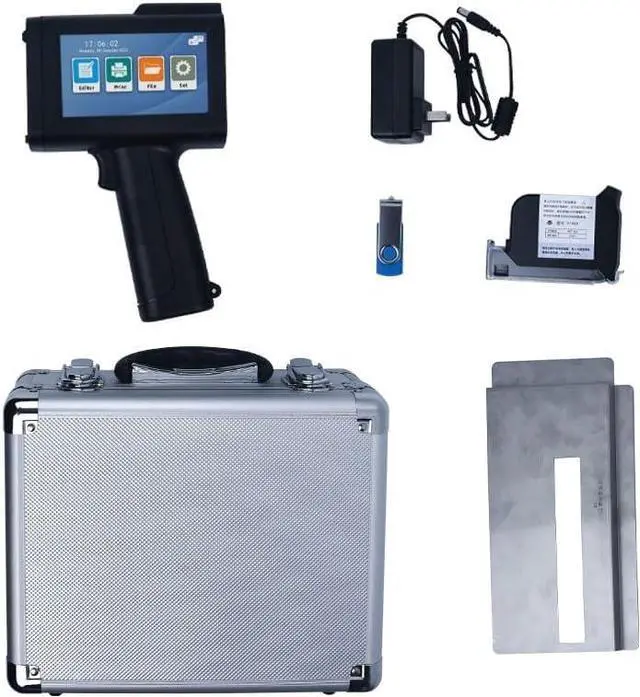
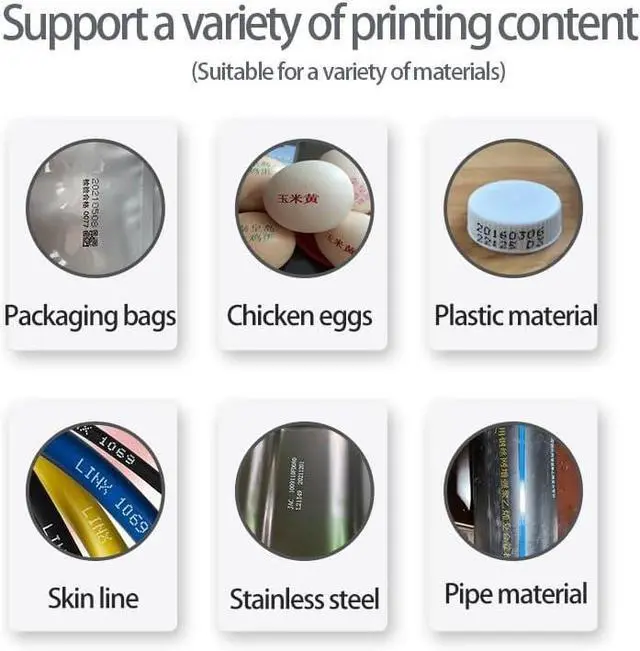


M10 Labeling Machine Bag Date Printer Bottle Batch Coding Machine for Expiration Dates Portable Handheld Plastic Inkjet Printers(Ordinary Cartridge)
- Core application: A specialized equipment for printing various types of labels, including barcodes, QR codes, adhesive labels, asset identification, cable identification, etc. It is widely used in office, warehousing, logistics, retail, medical and industrial manufacturing fields.
- Two core technologies: mainly divided into thermal printing and thermal transfer printing. The former changes the color of thermal paper by heating, without the need for consumables, and is easy to operate, but the durability of the label is limited; The latter transfers ink onto the label by heating the carbon ribbon. The printed content is wear-resistant and chemically resistant, and can be stored for a long time, but the carbon ribbon needs to be replaced, which is slightly more expensive.
- Cost comparison of consumables: Thermal printers only require thermal label paper, with lower long-term maintenance costs; Thermal transfer printers require the use of both label paper and carbon tape (wax based, mixe
+
+
Overview
Reviews

Any questions? Our AI mode will help you find out quickly.
Try me now
Core application: A specialized equipment for printing various types of labels, including barcodes, QR codes, adhesive labels, asset identification, cable identification, etc. It is widely used in office, warehousing, logistics, retail, medical and industrial manufacturing fields.
Two core technologies: mainly divided into thermal printing and thermal transfer printing. The former changes the color of thermal paper by heating, without the need for consumables, and is easy to operate, but the durability of the label is limited; The latter transfers ink onto the label by heating the carbon ribbon. The printed content is wear-resistant and chemically resistant, and can be stored for a long time, but the carbon ribbon needs to be replaced, which is slightly more expensive.
Cost comparison of consumables: Thermal printers only require thermal label paper, with lower long-term maintenance costs; Thermal transfer printers require the use of both label paper and carbon tape (wax based, mixed based, or resin based), which results in relatively high consumable costs. However, the print head has a longer lifespan due to the protection of the carbon tape.
Durability difference: Thermal tags can generally be stored for 6-12 months and are sensitive to light, heat, and friction. They are suitable for short-term use such as express waybills, cash receipts, etc; Heat transfer printing labels can be stored for more than 2 years or even 5 to 10 years. They are resistant to high temperatures, chemicals, wear, UV rays, and humid environments, making them suitable for long-term storage needs such as asset labels and outdoor signage.
Key performance indicators: Resolution is expressed in dpi, commonly 203dpi, 300dpi, and high-end models can reach 600dpi or even 1200dpi, meeting the printing needs of fine barcodes and small characters; The printing speed is measured in millimeters per second or IPS, and industrial grade equipment can reach over 250mm/s
Two core technologies: mainly divided into thermal printing and thermal transfer printing. The former changes the color of thermal paper by heating, without the need for consumables, and is easy to operate, but the durability of the label is limited; The latter transfers ink onto the label by heating the carbon ribbon. The printed content is wear-resistant and chemically resistant, and can be stored for a long time, but the carbon ribbon needs to be replaced, which is slightly more expensive.
Cost comparison of consumables: Thermal printers only require thermal label paper, with lower long-term maintenance costs; Thermal transfer printers require the use of both label paper and carbon tape (wax based, mixed based, or resin based), which results in relatively high consumable costs. However, the print head has a longer lifespan due to the protection of the carbon tape.
Durability difference: Thermal tags can generally be stored for 6-12 months and are sensitive to light, heat, and friction. They are suitable for short-term use such as express waybills, cash receipts, etc; Heat transfer printing labels can be stored for more than 2 years or even 5 to 10 years. They are resistant to high temperatures, chemicals, wear, UV rays, and humid environments, making them suitable for long-term storage needs such as asset labels and outdoor signage.
Key performance indicators: Resolution is expressed in dpi, commonly 203dpi, 300dpi, and high-end models can reach 600dpi or even 1200dpi, meeting the printing needs of fine barcodes and small characters; The printing speed is measured in millimeters per second or IPS, and industrial grade equipment can reach over 250mm/s
Warranty & Returns
Warranty, Returns, And Additional Information
Warranty
- Please contact the Seller directly for warranty information. Warranty information may also be found on the Manufacturer's website.
- CONTACT
Return Policies
- Return for refund within: 30 days
- Return for replacement within: 30 days
- This item is covered by XinjintongLimited Return Policy
Manufacturer Contact Info
- For a directory of all our manufacturers, please click below.
- Manufacturers Directory
LOADING...