

Your Browsing History
- Free 90-day Returns
$247.97


Meet Your Seller


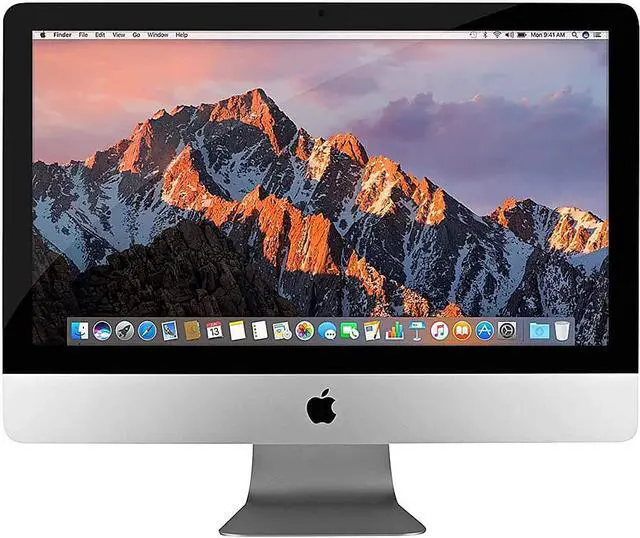

Apple ME087LL/A Intel Core i5-4570S X4 2.9GHz 8GB 1TB 21.5 inches, Silver
REFURBISHED Product Type
- 2.9GHz Intel Core i5 Quad-Core (Haswell)
- 8GB of 1600Hz DDR3 RAM
- 1TB 5400rpm Hard Drive
- NVIDIA GeForce GT 750M Graphics (1GB)
- 21.5" LED-Backlit IPS Display
- Full HD 1920 x 1080 Native Resolution
- 802.11ac/a/b/g/n Wi-Fi, Bluetooth 4.0
- Thunderbolt, USB 3.0, SDXC Card Reader
- 720p FaceTime HD Camera, Dual Mics
- Mac OS X 10.10 or 10.11
+
+
Overview
Specs
Reviews

Any questions? Our AI mode will help you find out quickly.
Try me now
The 21.5" iMac Desktop Computer from Apple is an all-in-one desktop computer with an ultra-slim unibody design. Measuring at just 5mm at its edges, the iMac has 40% less volume than the 2011 iMac. The body of the iMac isn't the only thing that got thinner. The LCD display is now 5mm thinner, and Apple also removed a 2mm gap between the LCD panel and the glass to save even more space.
The 21.5" widescreen display features LED backlighting for vibrant, accurate color. With in-plane switching (IPS) technology, the iMac has a wide 178° viewing angle. The screen has a 16:9 aspect ratio and Full HD 1920 x 1080 native resolution, supported by a dedicated NVIDIA GeForce GT 750M graphics card with 1GB of GDDR5 memory.
Powered by a quad-core 4th-generation Haswell 2.9GH z Intel Core i5 processor, the iMac takes advantage of each core to optimize performance. The 4th-gen Haswell Intel processor also allows for low voltage usage for better energy efficiency. The system also has 8GB of 1600 MHz DDR3 RAM, a 1TB 5400rpm hard drive, 10/100/1000Mbps Gigabit Ethernet, 802.11 ac/a/b/g/n Wi-Fi, a FaceTime HD camera, dual microphones and built-in stereo speakers.
For ports, the iMac has dual Thunderbolt ports (which also double as Mini DisplayPorts) and four USB 3.0 ports. You'll be able to connect with various compatible components. If you would rather go wireless with your peripherals, you can use Bluetooth 4.0 technology where compatible. This iMac comes with Mac OS X operating system preinstalled, which features a user-friendly interface
Design
Impossibly Thin
Just a mere 5mm at its edge, the iMac has up to 40 percent less volume than the 2011 iMac. Using an advanced welding method called friction-stir welding, Apple was able to join the front and the back of the iMac together directly
Re-Engineered Screen
The display on the iMac is no longer behind the cover glass, but it's actually right up against it. The LCD itself is 5mm thinner than before and using an advanced process called full lamination, Apple was able to eliminate a 2mm gap between the LCD and the glass. Full lamination has a second major benefit, that it eliminates reflection of light off the LCD panel and off the back of the display's cover glass. Apple also reduced reflection off the front of the glass without compromising color quality. Instead of applying an antireflective coating to the glass in the conventional way, Apple adapted a process commonly used on camera lenses called plasma deposition, which results in 75 percent reduction in reflectivity and vibrant, accurate colors
The 21.5" widescreen display features LED backlighting for vibrant, accurate color. With in-plane switching (IPS) technology, the iMac has a wide 178° viewing angle. The screen has a 16:9 aspect ratio and Full HD 1920 x 1080 native resolution, supported by a dedicated NVIDIA GeForce GT 750M graphics card with 1GB of GDDR5 memory.
Powered by a quad-core 4th-generation Haswell 2.9GH z Intel Core i5 processor, the iMac takes advantage of each core to optimize performance. The 4th-gen Haswell Intel processor also allows for low voltage usage for better energy efficiency. The system also has 8GB of 1600 MHz DDR3 RAM, a 1TB 5400rpm hard drive, 10/100/1000Mbps Gigabit Ethernet, 802.11 ac/a/b/g/n Wi-Fi, a FaceTime HD camera, dual microphones and built-in stereo speakers.
For ports, the iMac has dual Thunderbolt ports (which also double as Mini DisplayPorts) and four USB 3.0 ports. You'll be able to connect with various compatible components. If you would rather go wireless with your peripherals, you can use Bluetooth 4.0 technology where compatible. This iMac comes with Mac OS X operating system preinstalled, which features a user-friendly interface
Design
Impossibly Thin
Just a mere 5mm at its edge, the iMac has up to 40 percent less volume than the 2011 iMac. Using an advanced welding method called friction-stir welding, Apple was able to join the front and the back of the iMac together directly
Re-Engineered Screen
The display on the iMac is no longer behind the cover glass, but it's actually right up against it. The LCD itself is 5mm thinner than before and using an advanced process called full lamination, Apple was able to eliminate a 2mm gap between the LCD and the glass. Full lamination has a second major benefit, that it eliminates reflection of light off the LCD panel and off the back of the display's cover glass. Apple also reduced reflection off the front of the glass without compromising color quality. Instead of applying an antireflective coating to the glass in the conventional way, Apple adapted a process commonly used on camera lenses called plasma deposition, which results in 75 percent reduction in reflectivity and vibrant, accurate colors
Warranty & Returns
Warranty, Returns, And Additional Information
Warranty
- Please contact the Seller directly for warranty information. Warranty information may also be found on the Manufacturer's website.
- CONTACT
Return Policies
- Return for refund within: 90 days
- Return for replacement within: 90 days
- This item is covered by CTS Warehouse Return Policy
Manufacturer Contact Info
- For a directory of all our manufacturers, please click below.
- Manufacturers Directory
LOADING...
LOADING...