




 here!
here!
I’m your shopping assistant for PC builds, upgrades, and everything tech.
Got questions? Ask away!
Start a conversation
here!
I’m your shopping assistant for PC builds, upgrades, and everything tech.
Got questions? Ask away!
Start a conversation

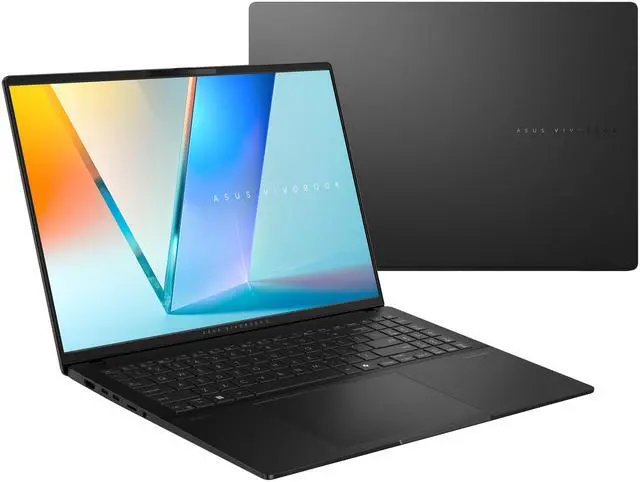
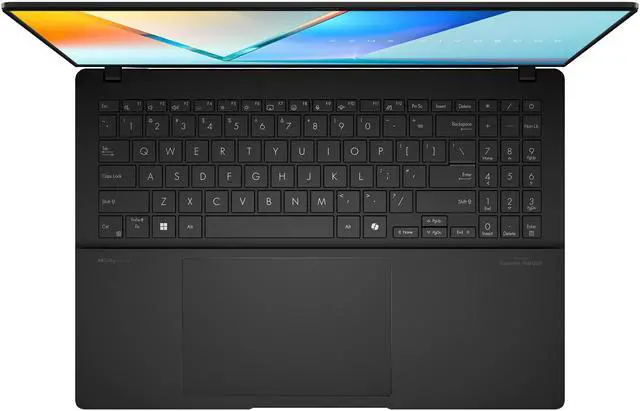
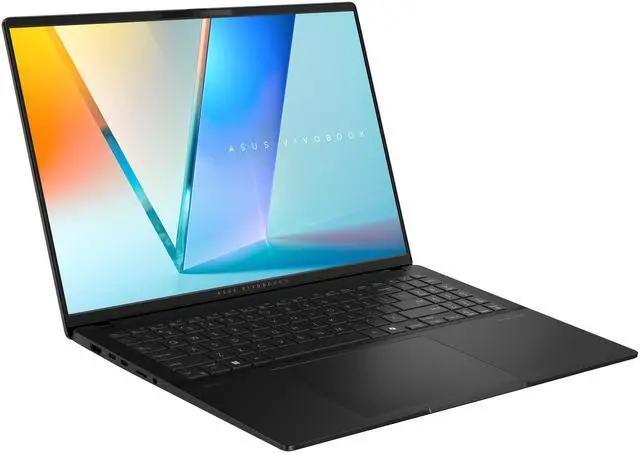
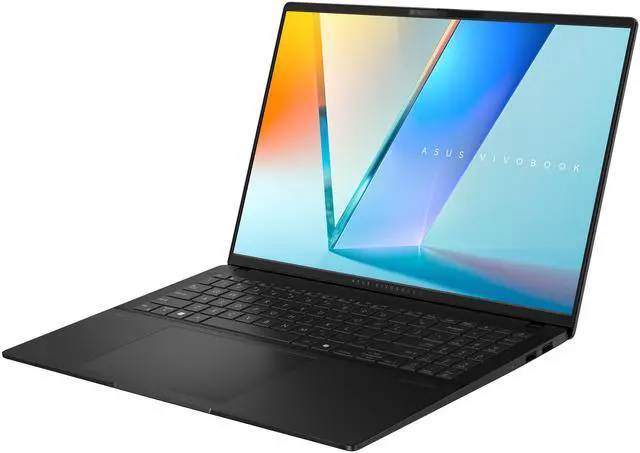





Any questions? Ask CelesteSM will help you find out quickly.
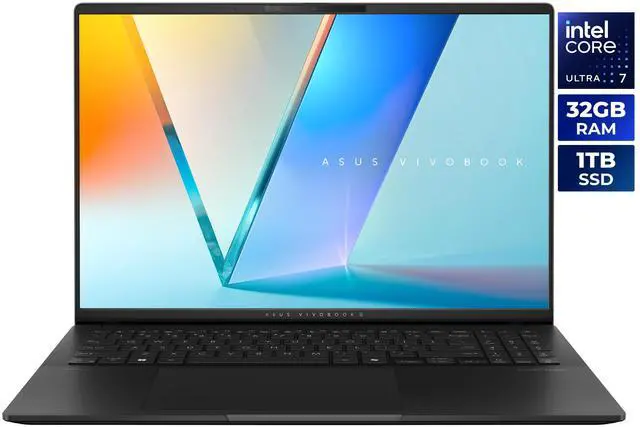
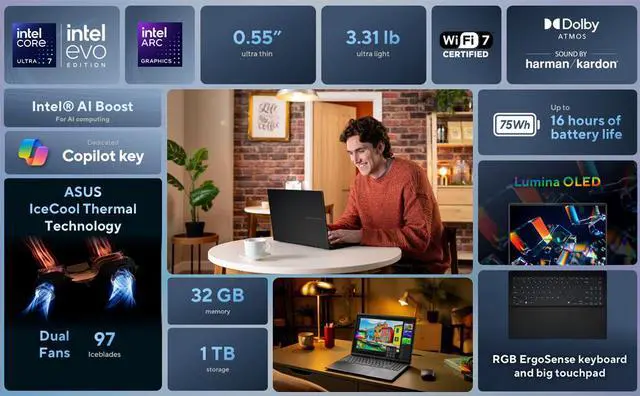
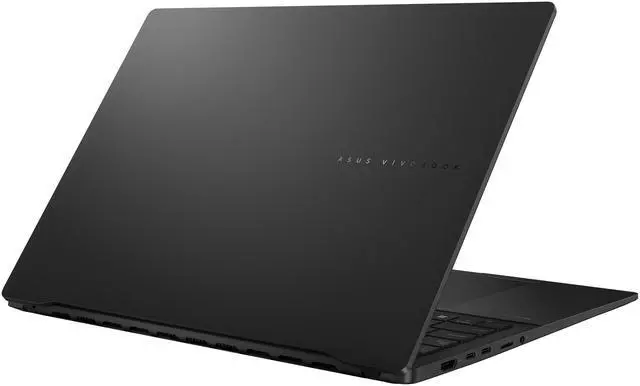
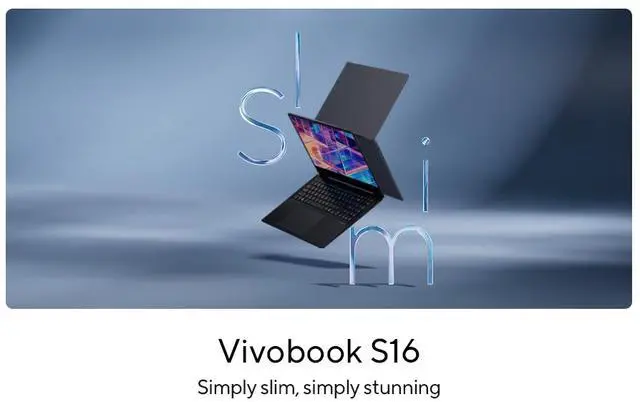
The ASUS Vivobook S 16 is a thin-and-light 16-inch Windows laptop with a 3K 120Hz OLED display, Intel Core Ultra 7 255H, 32GB RAM, and 1TB SSD, making it a strong fit for students, professionals, and creators who want a large color-accurate screen, fast everyday performance, and modern connectivity in a portable design.
| Attribute | Value |
|---|---|
| Best For | Users who want a thin-and-light 16" 3K OLED laptop for AI-assisted workflows, content creation, and mainstream gaming — pairs a 16-core Intel Core Ultra 7 CPU and Intel Arc integrated graphics with 32GB LPDDR5X and a 1TB PCIe Gen4 SSD |
| Processor And Core Count | Intel Core Ultra 7 255H — 16-core (6P+8E+2LPE) design with 24 MB L3 cache and an onboard AI Boost NPU rated up to 13 TOPS |
| Clock Speeds | Processor speed listed as 3.8 GHz |
| GPU And VRAM | Intel Arc Graphics (integrated) using shared system memory |
| Display Spec | 16.0" OLED WQXGA+ (2880 x 1800, 16:10) 120 Hz, 100% DCI‑P3 color gamut, 400 nits peak HDR, non-touch |
| Memory Configuration | 32 GB LPDDR5X-7500 (installed), maximum/installed 32 GB |
| Storage And Expansion | 1 TB PCIe Gen4 NVMe SSD with Micro SD card reader for additional removable storage |
| High Speed I O | 2 × Thunderbolt 4 (Display/Power Delivery, up to 40 Gbps), 2 × USB 3.2 Gen 1 Type‑A, HDMI 2.1, microSD card reader, 3.5mm combo audio jack |
| Battery And Power | 75 WHrs, 4‑cell (4S1P) Li‑ion battery with up to 16 hours claimed runtime and a 65‑watt AC adapter |
| Wired And Wireless Networking | Wi‑Fi 7 (802.11be) wireless and Bluetooth 5.4 |
| Webcam And Privacy | FHD webcam with IR support for Windows Hello and built‑in array microphone |
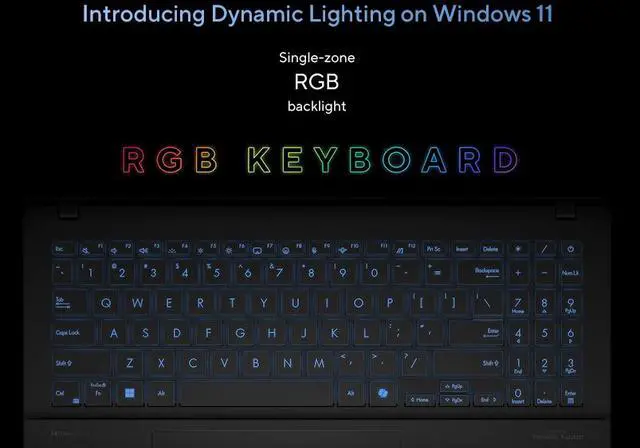
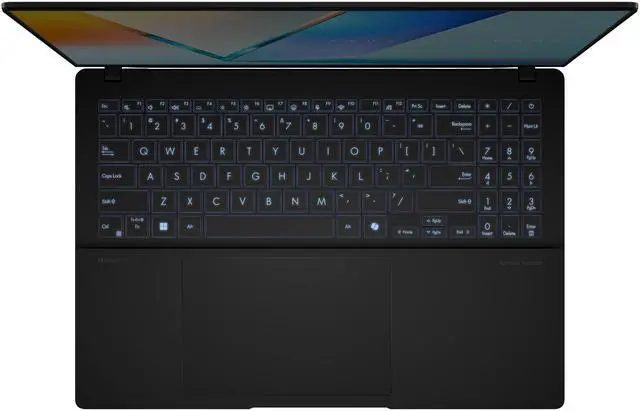
| Keyboard And Control | Backlit chiclet keyboard with 1‑zone RGB and numeric keypad plus a precision touchpad |
| Audio Setup | Smart Amplifier technology with built‑in speakers and integrated microphones |
| Portability | Dimensions ~13.92" × 9.72" × 0.55–0.63" and weight 3.31 lbs (thin-and-light design) |
| External Display And Docking Fit | Supports external displays and power delivery via 2 × Thunderbolt 4 and HDMI 2.1 |
| Model Identifiers | ASUS VivoBook S16 — Model S5606CA-NS79 (Part Number 90NB1553-M008D0); manufactured for United States region |
Q: Should I choose the ASUS Vivobook S 16 OLED with Core Ultra 7 255H or a lower-tier Core Ultra 5 configuration?
A: Choose the Core Ultra 7 255H version if you want more headroom for multitasking, heavier office workloads, light creator apps, and longer useful life from the 32GB RAM and 1TB SSD. A lower-tier Core Ultra 5 model is the better fit when price matters more and your workload is mostly web, school, streaming, and standard productivity. The main trade-off is that the Ultra 7 model gives you a stronger integrated Arc graphics tier and a more premium memory/storage setup, while lower-tier versions usually cover the same everyday tasks at lower cost.
Q: Is the ASUS Vivobook S 16 OLED better than a portability-first 14-inch laptop?
A: Choose the Vivobook S 16 if screen quality, workspace, and home-or-campus productivity matter more than minimum size. Its 16-inch 3K 120Hz OLED panel and 32GB RAM make it a better fit for split-screen work, media, coding, and content viewing. Choose a 14-inch portability-focused laptop if you carry it all day, work in tighter spaces, or want the lightest travel setup. The trade-off is simple: the Vivobook S 16 offers a larger and higher-spec work environment, while smaller 14-inch systems are easier to carry.
Q: Should I get this Vivobook S 16 OLED or spend more on a higher-tier ASUS Zenbook S 16?
A: Choose the Vivobook S 16 when you want a strong value balance of OLED display quality, modern Intel performance, 32GB RAM, and useful ports without moving into a more premium price tier. Choose the Zenbook S 16 if you are specifically paying for a thinner, more premium chassis, stronger battery-focused positioning, and a higher-end overall package. The trade-off is that the Zenbook line is positioned above Vivobook for materials and premium design, while the Vivobook S 16 stays focused on mainstream performance and display value.
Q: How does the Intel Core Ultra 7 255H Vivobook S 16 compare with the Ryzen AI 9 HX 370 version?
A: Choose the Ryzen AI version if your priority is stronger integrated graphics and a more performance-leaning configuration for GPU-heavy creator work or light gaming. Choose this Core Ultra 7 255H version if you want a balanced mainstream setup with a high-resolution OLED panel, 32GB RAM, and Intel platform features for general productivity, study, and mixed everyday use. Across reviews and community comparisons, the common trade-off is that Ryzen AI models tend to be preferred for iGPU performance, while the Intel model remains a practical choice for office, multitasking, and display-focused use.
Q: Is the Vivobook S 16 OLED a better choice than a performance-first laptop with dedicated graphics?
A: Choose the Vivobook S 16 if you want a thinner, lighter laptop for productivity, media, coding, and occasional light graphics work without the size and power demands of a gaming-style system. Choose a performance-first laptop with dedicated graphics if your workload includes modern gaming, 3D rendering, GPU-heavy editing, or sustained high-load work. The Vivobook's Intel Arc integrated graphics are useful for everyday acceleration and lighter gaming, but a dedicated GPU platform is the better fit when graphics performance is the main buying reason.
Q: Is this a good travel work laptop?
A: Yes for mobile office use, remote work, and frequent travel. The strongest fit is users who want a large but still portable 16-inch laptop with a high-resolution OLED screen, solid battery capacity, and practical I/O. The main trade-off is that it is a non-touch 16-inch model, so it is less ideal if you want tablet-style note-taking or the smallest possible carry weight.
Q: Is it good for note-taking, meetings, and office work?
A: Yes for typing, video meetings, spreadsheets, documents, and multitasking. The 32GB RAM, Intel Core Ultra 7 255H, 1080p IR webcam, and full port selection make it well suited for business-style productivity. The limitation is note-taking by pen: this model is non-touch, so it is not the right choice if handwritten annotation or stylus input is important.
Q: Is this good for gaming or should I buy a laptop with dedicated graphics instead?
A: Buy this model for productivity, media, and light creative use first, not as a gaming-first laptop. Its Intel Arc integrated graphics should handle casual and lighter games better than basic integrated graphics, but it is still not the same class as a laptop with RTX-series dedicated graphics. If gaming performance is a priority, a comparable 16-inch model with discrete GPU is the safer choice.
Q: Who is this laptop best suited for?
A: It is best suited for users who want a premium-looking 16-inch Windows laptop for work, study, content consumption, and general multitasking without stepping up to a heavier gaming or creator machine. It especially fits buyers who value screen quality, RAM capacity, and modern ports. It is less suitable for users who need touch input, upgradeable memory, or high-end dedicated graphics.
Q: What are the main trade-offs versus similar 16-inch OLED alternatives?
A: The main advantages here are 32GB RAM, a 3K 120Hz OLED display, and useful connectivity including two Thunderbolt 4 ports. The main compromises are integrated rather than dedicated graphics, non-touch input, and likely limited long-term upgrade flexibility compared with some thicker performance laptops. Compared with touch-enabled or creator-focused alternatives, this model is the more balanced choice for everyday work and display quality, not for pen input or maximum GPU power.
Q: Is the ASUS Vivobook S16 OLED a good buy for work, study, and everyday productivity?
A: Yes, if your priority is a large, high-quality display and strong everyday performance in a thin-and-light laptop. This configuration pairs a 16-inch 3K 120Hz OLED screen with a Core Ultra 7 255H, 32GB RAM, and 1TB SSD, which fits office work, multitasking, coding, web use, and light creative work well. It is a stronger fit for productivity and media than for specialized gaming or workstation use.
Q: Who is this laptop best suited for?
A: It is best suited for users who want one laptop for productivity, travel, streaming, school, and light content creation. The 32GB RAM and 1TB SSD make it especially suitable for people who keep many apps and browser tabs open, work with large documents, or want a laptop that should stay comfortable for everyday use over several years. It is less specialized for heavy 3D work or modern AAA gaming.
Q: Is it good for programming, office work, and light editing?
A: Yes. The Core Ultra 7 255H and 32GB of memory are well matched to programming, spreadsheets, presentations, research, and light-to-moderate photo or video editing. The OLED 16:10 display is also a practical advantage for text-heavy work and timeline-based editing. For occasional editing and general creator use, it makes sense; for sustained professional editing or 3D rendering, a laptop with stronger dedicated graphics would be the safer choice.
Q: Is this a good replacement for a basic home or office laptop if I also want better screen quality?
A: Yes, for buyers moving up from a standard office laptop, this is a meaningful upgrade in display quality, memory, storage, and connectivity. The main practical benefits are the sharper 3K OLED panel, 120Hz refresh rate, 32GB RAM, and modern ports including two Thunderbolt 4 ports. The trade-off is that you are paying for a premium display and higher-end configuration rather than dedicated gaming graphics.
Q: What are the main trade-offs of choosing this model?
A: The main trade-offs are that it uses integrated Intel Arc graphics rather than a dedicated GPU, the display is non-touch and glossy, and some community discussion raises caution about performance consistency under heavier or non-Windows workloads. In return, you get a lighter 16-inch laptop with a high-end OLED screen, 32GB RAM, 1TB SSD, Wi-Fi 7, and strong port selection. It is a better fit for premium everyday computing than for users who need maximum graphics performance or workstation-class stability.


