




 here!
here!
I’m your shopping assistant for PC builds, upgrades, and everything tech.
Got questions? Ask away!
Start a conversation
here!
I’m your shopping assistant for PC builds, upgrades, and everything tech.
Got questions? Ask away!
Start a conversation



Any questions? Ask CelesteSM will help you find out quickly.

Charging Key Takeaways
1. ?Protocol Version Dictates Power Limits: PD 3.1 > PD 3.0 > PD 2.0 > QC 4.0.
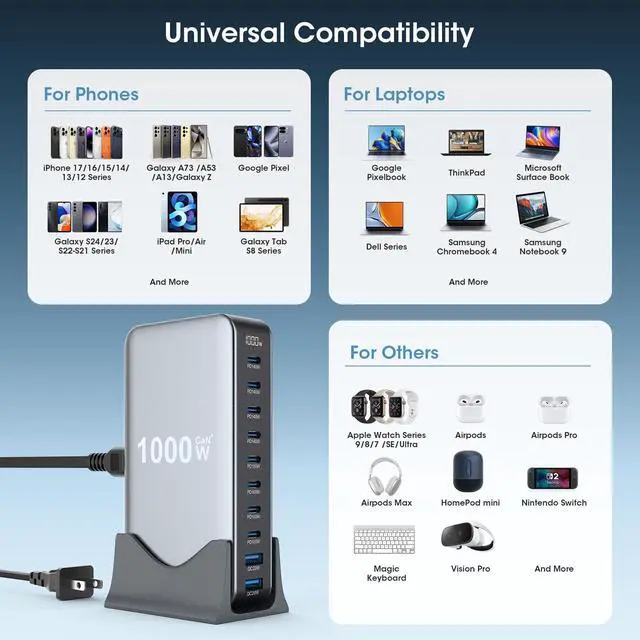
2. ?Device Compatibility Priority:High-power devices (e.g., MacBook Pro) require PD 3.1 support. Low-power devices (phones/tablets) are backward-compatible.
3. ?Actual power depends on device-handshake protocols; non-standard devices may trigger power reduction.
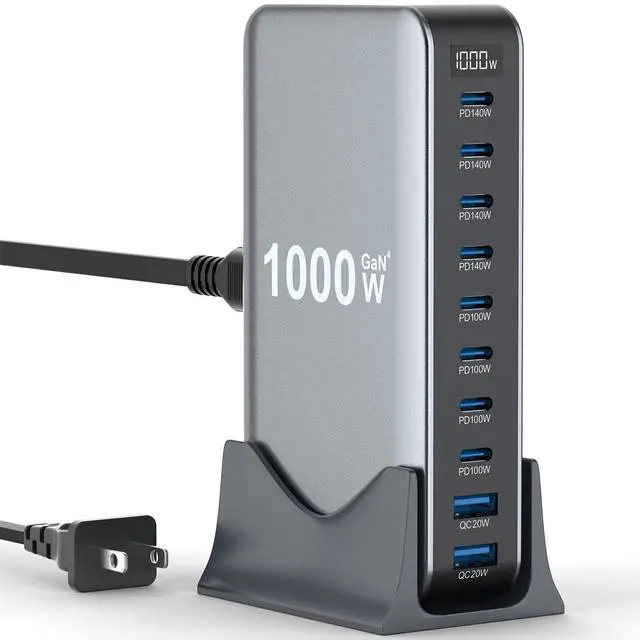
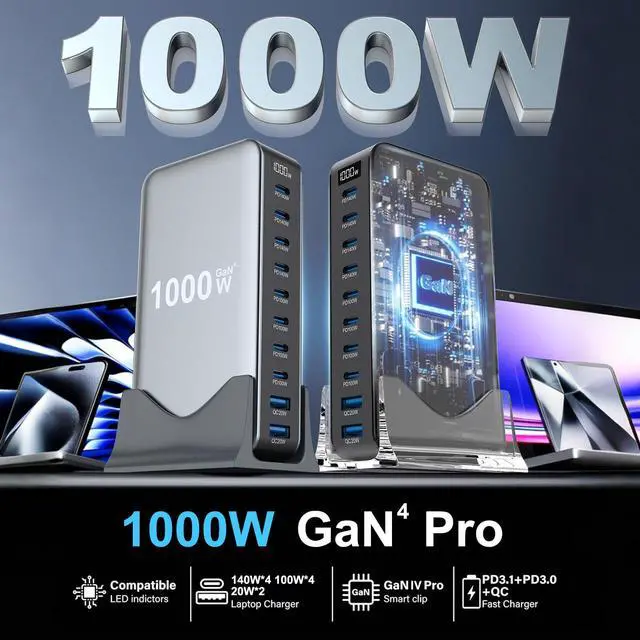
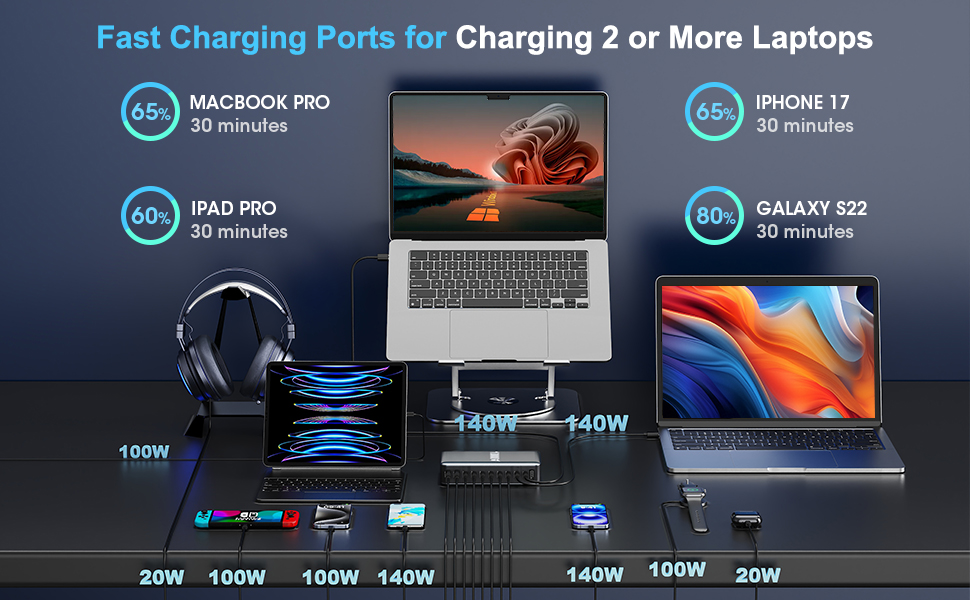
To achieve a 140W output from the charger, the device must support the ?PD 3.1 protocol and match the ?28V/5A voltage/current profile. Typical compatible devices include the ?16-inch MacBook Pro 2023 and later models.Devices that only support ?PD 3.0/2.0 protocols ?cannot activate the 140W output.
To achieve a 100W output from the charger, the device must support the ?PD 3.0 or PD 2.0 protocol.
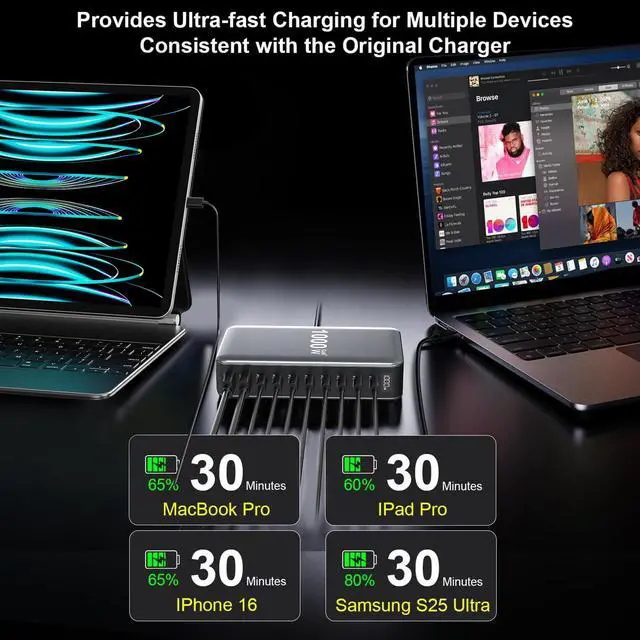
When the device's battery is fully charged, the system will automatically switch to trickle charging mode (power may drop to 5-10W).
Charging Key Takeaways
1. ?Protocol Version Dictates Power Limits: PD 3.1 > PD 3.0 > PD 2.0 > QC 4.0.
2. ?Device Compatibility Priority:High-power devices (e.g., MacBook Pro) require PD 3.1 support. Low-power devices (phones/tablets) are backward-compatible.
3. ?Actual power depends on device-handshake protocols; non-standard devices may trigger power reduction.
To achieve a 140W output from the charger, the device must support the ?PD 3.1 protocol and match the ?28V/5A voltage/current profile. Typical compatible devices include the ?16-inch MacBook Pro 2023 and later models.Devices that only support ?PD 3.0/2.0 protocols ?cannot activate the 140W output.
To achieve a 100W output from the charger, the device must support the ?PD 3.0 or PD 2.0 protocol.
When the device's battery is fully charged, the system will automatically switch to trickle charging mode (power may drop to 5-10W).


