




 here!
I’m your shopping assistant for PC builds, upgrades, and everything tech.
Got questions? Ask away!
Start a conversation
here!
I’m your shopping assistant for PC builds, upgrades, and everything tech.
Got questions? Ask away!
Start a conversation Top Rated






Any questions? Ask CelesteSM will help you find out quickly.
We want to ensure your holiday shopping this year is hassle-free. That’s why we’re automatically extending our return policies on almost every product! For purchases placed between November 1st, 2026 and December 31, 2026 you will have until January 31, 2027 to return your product.
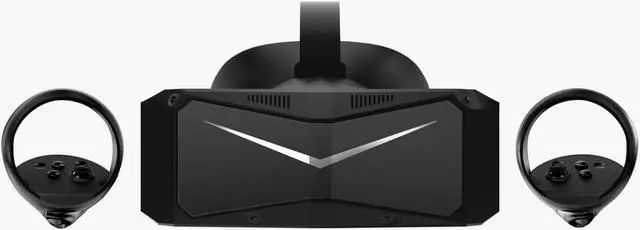
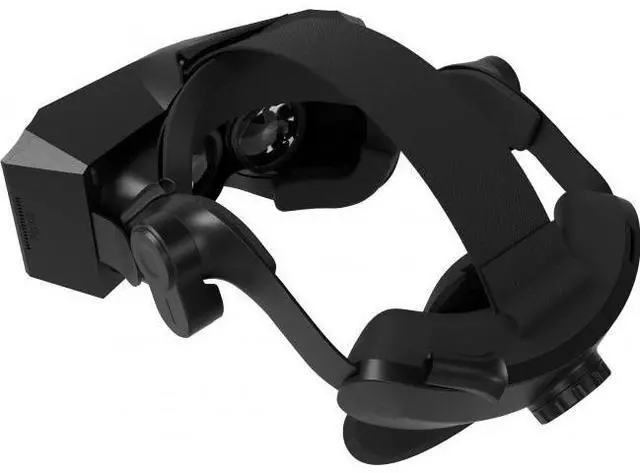
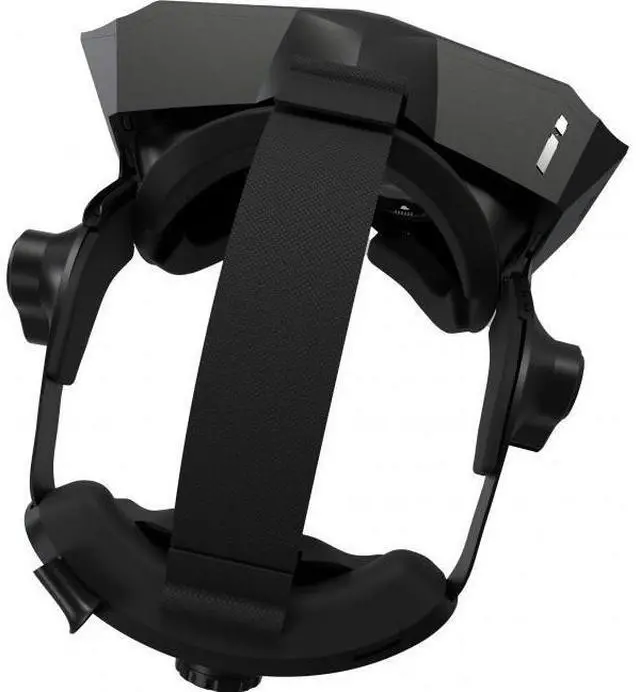
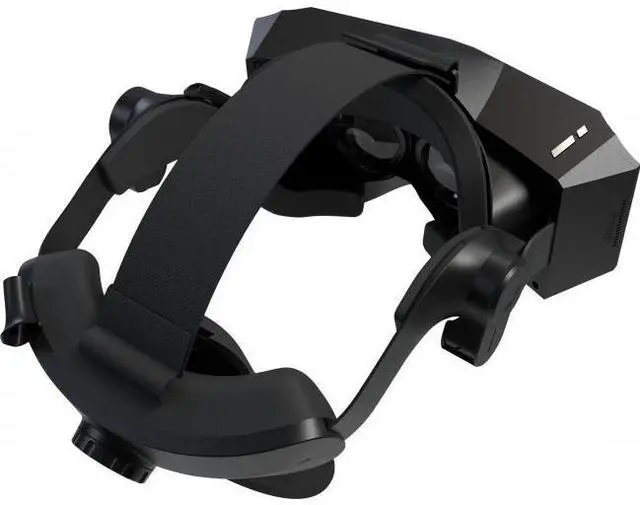
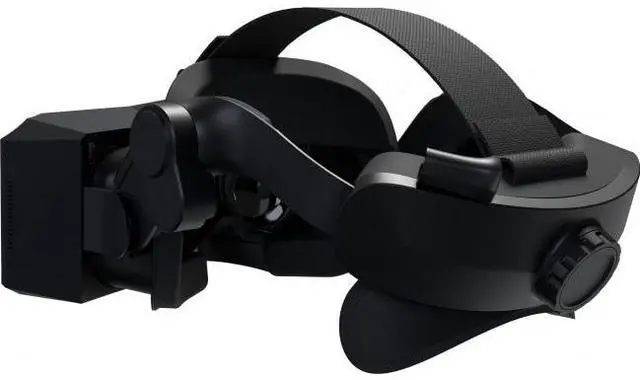
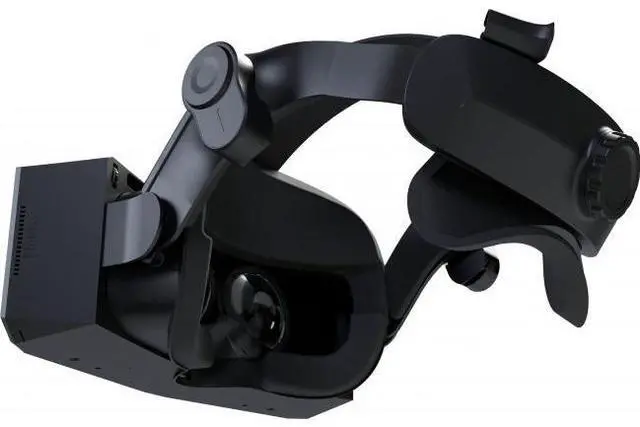
The Pimax Crystal Light is a tethered PCVR headset with dual QLED and Mini-LED displays at 2880 × 2880 pixels per eye, designed for PC gamers and simulation enthusiasts who prioritize detailed visuals and local dimming.
| Attribute | Value |
|---|---|
| Best For | PC VR gaming on a compatible personal computer, including SteamVR use |
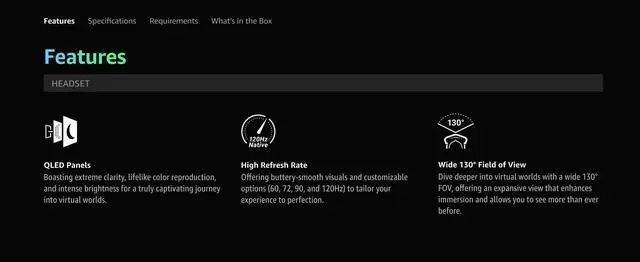
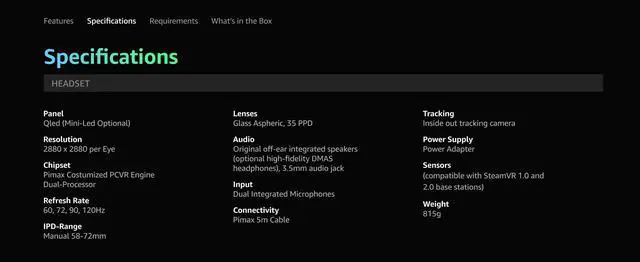
| Display And Optics | Dual QLED + Mini-LED display with 2880 × 2880 resolution per eye (5760 × 2880 total), up to 120 Hz, 105° field of view, aspheric lenses, and local dimming |
| PC Compatibility And Connectivity | Tethered PC VR headset; USB and HDMI connectivity listed, with a DP cable included; compatible with Windows |
| Audio And Sensors | Integrated audio, 3.5 mm audio jack, two microphones, and accelerometer, gyroscope, and magnetometer sensors |
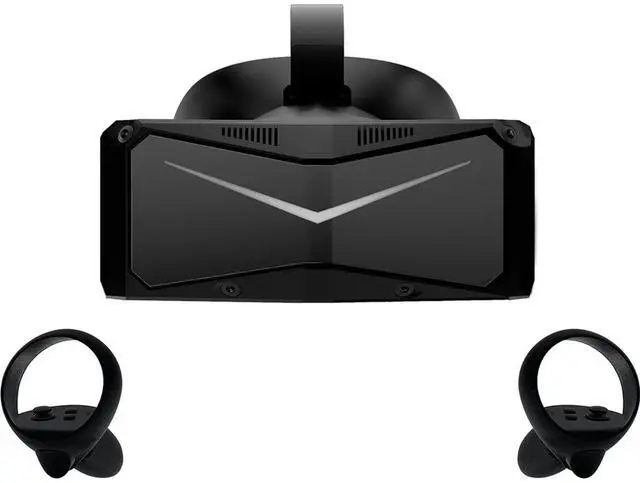
| Controllers And Included Items | Includes two VR controllers, headset, DP cable, power adapter, and after-sales service card |
| Weight And Package Dimensions | Headset weighs 815 g; package measures 16.9 × 33.29 × 37.29 cm and weighs 3.56 kg |
| Model Identifiers | Pimax Crystal Light, part number PVH00010174; also identified as Crystal Light Full Payment Version |
Q: Pimax Crystal Light or Meta Quest 3 for PCVR?
A: Choose the Pimax Crystal Light if your priority is detailed, wired PCVR—especially seated sims—and you have a gaming PC capable of driving its high-resolution displays. Its DisplayPort connection avoids the video compression involved in Quest 3 PCVR streaming. Choose Quest 3 if you also want standalone games, wireless play, or a more flexible room-scale headset; it can connect to a PC by cable or Air Link.
Q: Is the Pimax Crystal Super worth upgrading to from the Crystal Light?
A: Choose the Crystal Super if you want higher per-eye resolution and pixel density, eye tracking with dynamic foveated rendering, or its optional wider-view display configurations. The Crystal Light is the more suitable choice if 2880 × 2880 pixels per eye meets your needs and you prefer its 120 Hz refresh option; the Super comparison lists 72 Hz and 90 Hz modes. Both are PCVR headsets, so consider your PC’s capacity to render the Super’s higher-resolution image.
Q: Should I buy the original Pimax Crystal or the Crystal Light?
A: Choose the Crystal Light for a lighter, simpler wired PCVR setup: it keeps the original Crystal’s 2880 × 2880 per-eye resolution while omitting the rear battery and eye-tracking hardware. Choose the original Crystal if you specifically need eye tracking or its standalone capability. The Light’s foveated rendering is fixed rather than gaze-driven.
Q: Can I use this headset without a PC or wirelessly?
A: No. The Crystal Light is a PCVR-only headset that requires a cable connection and power; it does not support wireless streaming. It is better suited to a PCVR setup than portable, untethered use.
Q: What kind of PC do I need to run it?
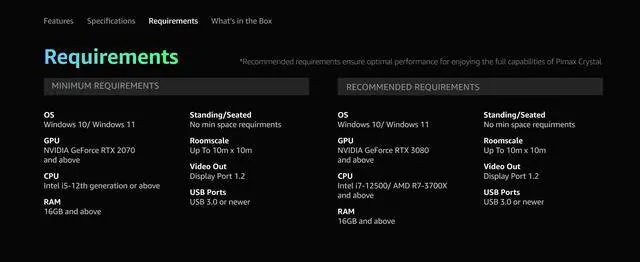
A: Pimax lists a Windows 10 or 11 PC with a 12th-generation Intel Core i5 or equivalent AMD processor, 16 GB RAM, DisplayPort 1.4a, USB 3.0, and a compatible GPU as the minimum setup. Its recommended GPUs include the RTX 3080 and RTX 4070; check the full requirements and your PC’s display connections before buying.
Q: Who is this VR headset best suited for?
A: It is suited to people seeking high-resolution, tethered PCVR and who have a compatible gaming PC. Its 2880 × 2880 resolution per eye and up-to-120 Hz refresh rate prioritize detailed PC-based VR; the cable connection and PC requirements make it less suitable for users who want standalone or highly portable VR.
Q: Can I wear my prescription glasses with the headset?
A: The provided product information does not confirm glasses clearance or fit, so compatibility cannot be guaranteed. Check the fit with your frames or look into prescription lens inserts before buying; glasses compatibility is a common question on VR headset retail Q&A pages.
Q: Is the Crystal Light a worthwhile upgrade from a Quest 3 or Reverb G2 for PCVR?
A: It may suit PCVR users prioritizing high-resolution visuals: the provided specifications list 2,880 × 2,880 pixels per eye and local dimming. Reddit comparisons also discuss its visual advantages, but report trade-offs such as weight, fit, and occasional optical or software problems. Check the return policy and your PC’s ability to drive a high-resolution wired headset before buying.
Q: Is the Crystal Light comfortable for long VR sessions?
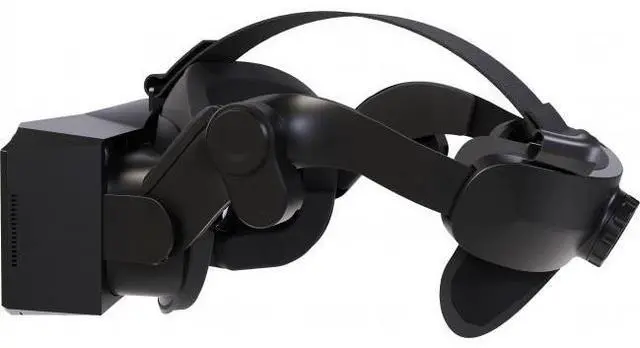
A: Comfort may depend on fit and session length. The headset weighs 815 g according to the provided specifications, and Reddit users report that its fit or weight can become uncomfortable during extended use. If possible, try it on before committing, especially if you are sensitive to headset pressure.
Q: Is the Crystal Light good for replacing a monitor?
A: It is designed as a tethered PCVR headset, not a conventional monitor. In a Reddit first-impressions post, a user said its resolution did not feel as clear as a 24-inch 1080p monitor. If desktop text clarity is your main goal, do not assume the headset will replace a physical monitor.
Q: What should I know about the Crystal Light’s lens clarity and tracking before buying?
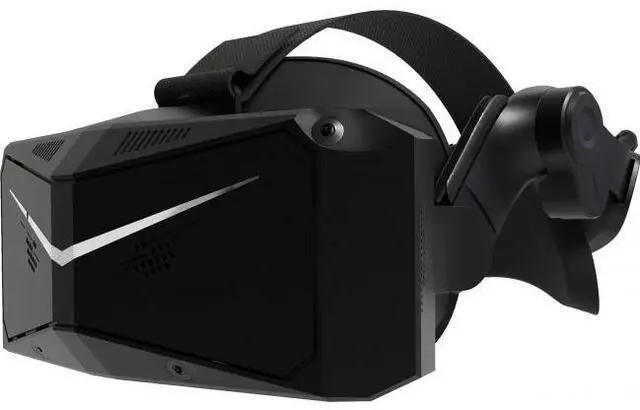
A: The listed specifications include aspheric lenses and four external cameras for inside-out tracking. However, some Reddit owners describe difficulty finding a clear, comfortable viewing position, while others report tracking or room-setup problems. These are individual reports, not proof that every unit will have those issues; check current reviews and the seller’s return terms.


