

Your Browsing History
- Free 30-day Returns
$58.99

Meet Your Seller

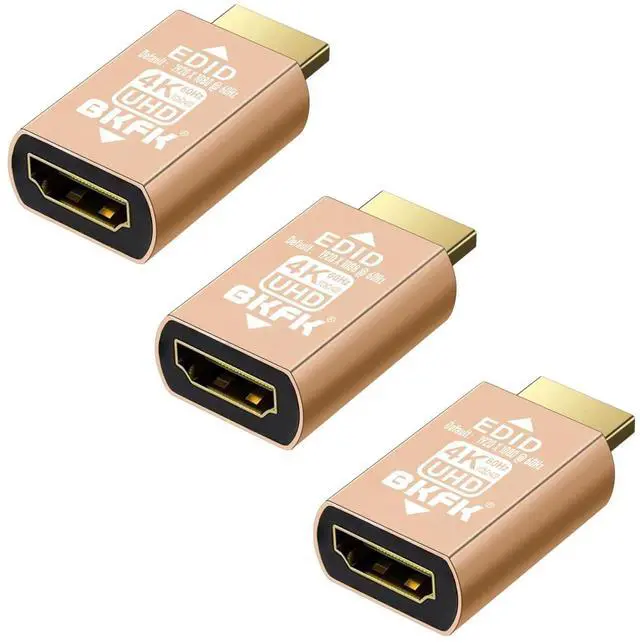

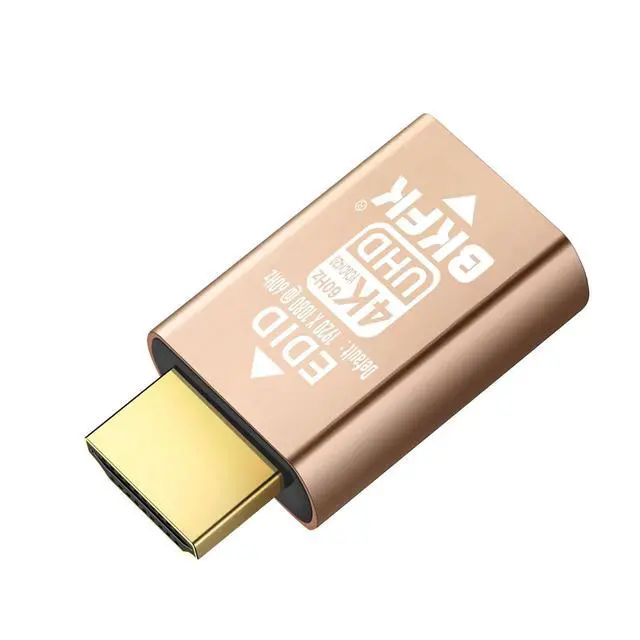
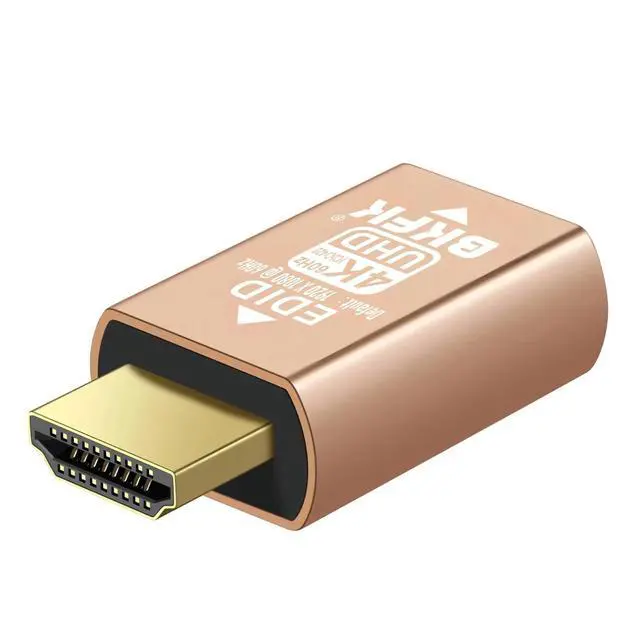


BKFK HDMI edid Emulator Adapter, 4K60Hz(default1080P) 3Pack emulators,Reliable Pass-Through for Extender/AV Receiver/Video Splitters
- EDID Emulation and Signal Stability--HDMI EDID Emulator Adapter simulates the EDID of a display, ensuring that even when no display device is connected, the source device (such as a DVD player, gaming console, or PC) can still output a signal.ures that regardless of whether the display is on or off, the source device continues to output stable video and audio signals, preventing signal loss or display errors.
- Multi-Device Compatibility--This device is especially suitable for environments with multiple displays or devices, such as home theater systems, AV receivers, and video splitters. It resolves compatibility issues caused by mismatched EDID information between devices, ensuring that each device can correctly recognize and receive signals from the source device, thus avoiding image errors or connection failures due to device differences.
- High Resolution and Audio Support--HDMI EDID Emulator supports high resolutions and various audio formats. It simulates the EDID information r
+
+
Overview
Specs
Reviews

Any questions? Our AI mode will help you find out quickly.
Try me now
EDID Emulation and Signal Stability--HDMI EDID Emulator Adapter simulates the EDID of a display, ensuring that even when no display device is connected, the source device (such as a DVD player, gaming console, or PC) can still output a signal. ures that regardless of whether the display is on or off, the source device continues to output stable video and audio signals, preventing signal loss or display errors. ^^ Multi-Device Compatibility--This device is especially suitable for environments with multiple displays or devices, such as home theater systems, AV receivers, and video splitters.
It resolves compatibility issues caused by mismatched EDID information between devices, ensuring that each device can correctly recognize and receive signals from the source device, thus avoiding image errors or connection failures due to device differences. ^^ High Resolution and Audio Support--HDMI EDID Emulator supports high resolutions and various audio formats. It simulates the EDID information required by displays, including resolution, refresh rate, color depth, and audio settings. This ensures that the signals output by the source device match the capabilities of the display, delivering optimal picture and sound quality.
^^ Plug and Play with Easy Setup--The installation of this device is straightforward, with no additional software or drivers required. Users simply connect the HDMI EDID Emulator between the source device and the display, and it will work automatically. Its plug-and-play design makes it ideal for home users as well as business environments that require quick deployment. ^^ Wide Application Scenarios--HDMI EDID Emulator is versatile and can be used in various scenarios, Home
Theater: Ensures signal stability between multiple devices, preventing display issues. Conference Rooms and
Control Rooms: Provides seamless video transmission in multi-display setups. Commercial Displays and
Digital Signage: Ensures consistent image and video output across multiple displays. AV Receivers and
Video Splitters: Resolves compatibility issues in complex AV systems.
It resolves compatibility issues caused by mismatched EDID information between devices, ensuring that each device can correctly recognize and receive signals from the source device, thus avoiding image errors or connection failures due to device differences. ^^ High Resolution and Audio Support--HDMI EDID Emulator supports high resolutions and various audio formats. It simulates the EDID information required by displays, including resolution, refresh rate, color depth, and audio settings. This ensures that the signals output by the source device match the capabilities of the display, delivering optimal picture and sound quality.
^^ Plug and Play with Easy Setup--The installation of this device is straightforward, with no additional software or drivers required. Users simply connect the HDMI EDID Emulator between the source device and the display, and it will work automatically. Its plug-and-play design makes it ideal for home users as well as business environments that require quick deployment. ^^ Wide Application Scenarios--HDMI EDID Emulator is versatile and can be used in various scenarios, Home
Theater: Ensures signal stability between multiple devices, preventing display issues. Conference Rooms and
Control Rooms: Provides seamless video transmission in multi-display setups. Commercial Displays and
Digital Signage: Ensures consistent image and video output across multiple displays. AV Receivers and
Video Splitters: Resolves compatibility issues in complex AV systems.
Warranty & Returns
Warranty, Returns, And Additional Information
Warranty
- Please contact the Seller directly for warranty information. Warranty information may also be found on the Manufacturer's website.
- CONTACT
Return Policies
- Return for refund within: 30 days
- Return for replacement within: 30 days
- This item is covered by To the Internet media Return Policy
Manufacturer Contact Info
- For a directory of all our manufacturers, please click below.
- Manufacturers Directory
LOADING...