




 here!
I’m your shopping assistant for PC builds, upgrades, and everything tech.
Got questions? Ask away!
Start a conversation
here!
I’m your shopping assistant for PC builds, upgrades, and everything tech.
Got questions? Ask away!
Start a conversation
Make informed decisions with expert advice. Learn More




Any questions? Ask CelesteSM will help you find out quickly.


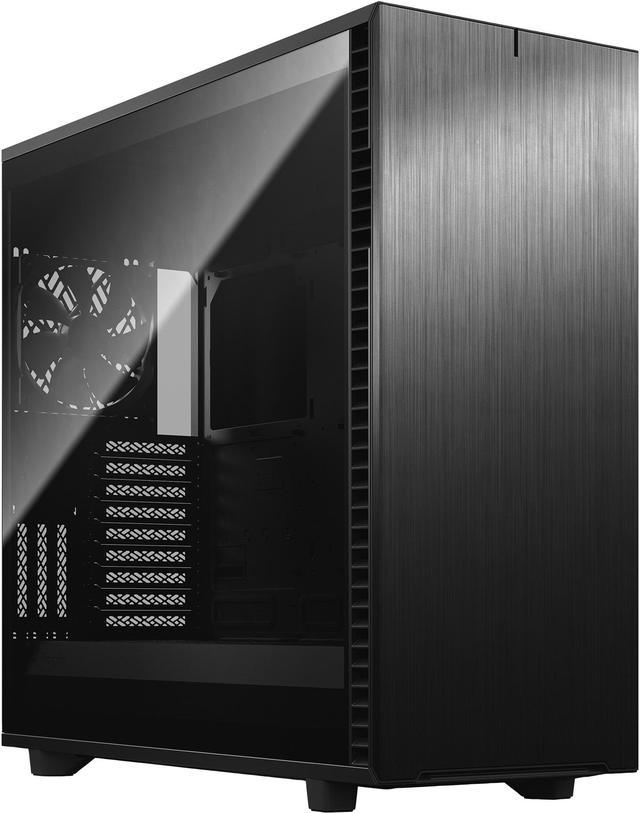
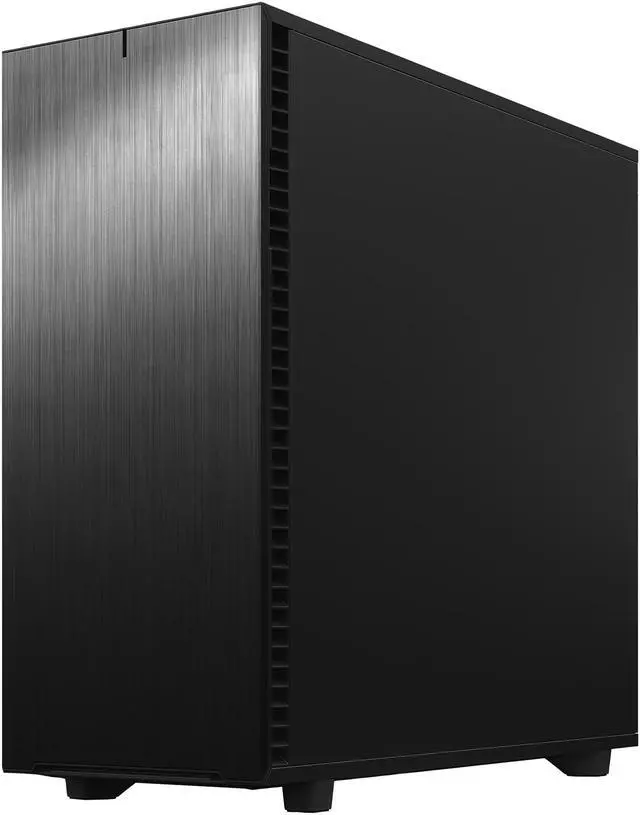
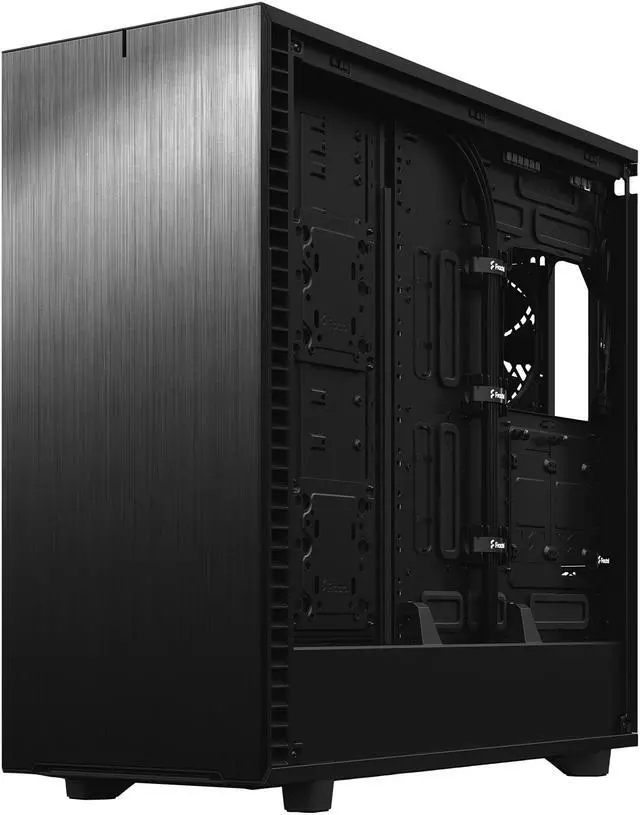
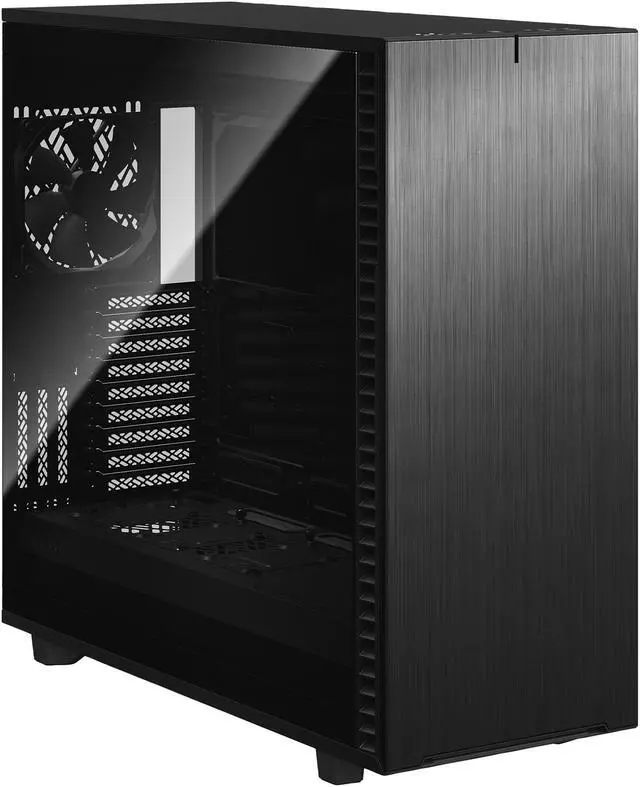
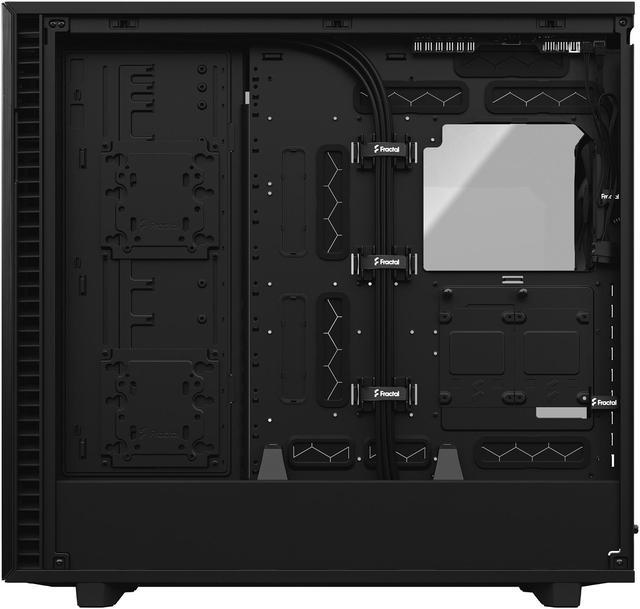
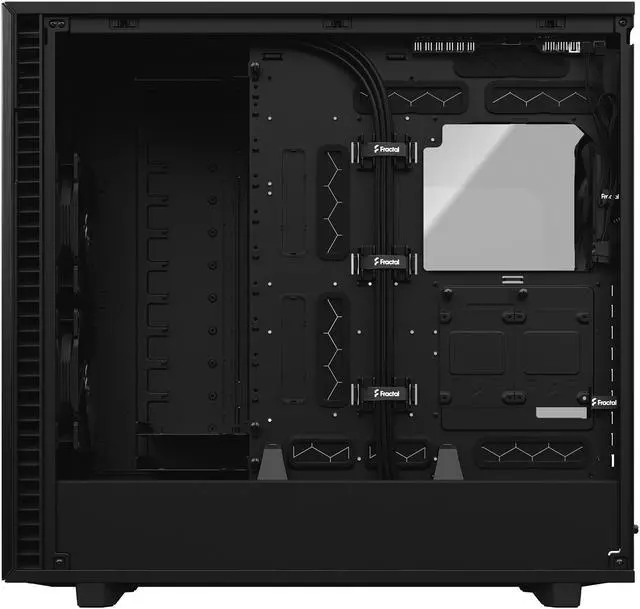
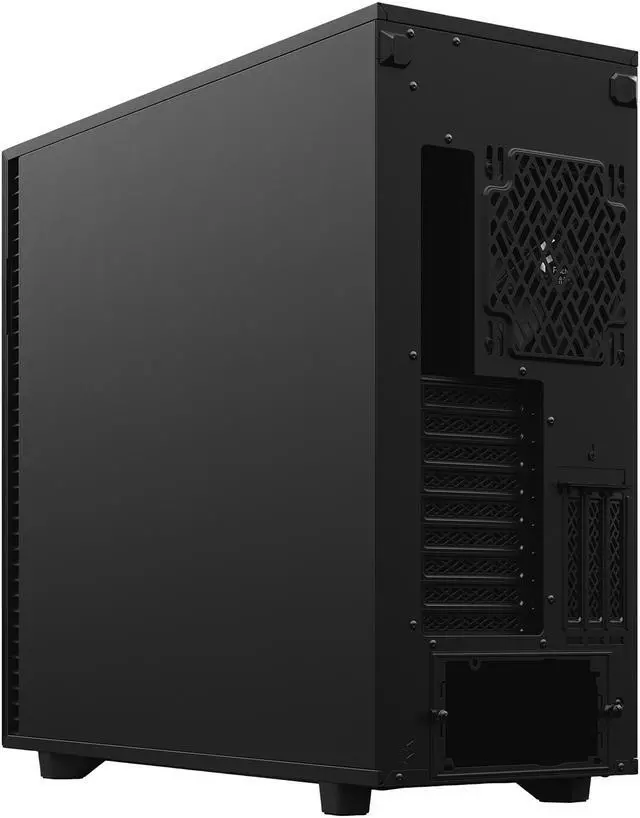
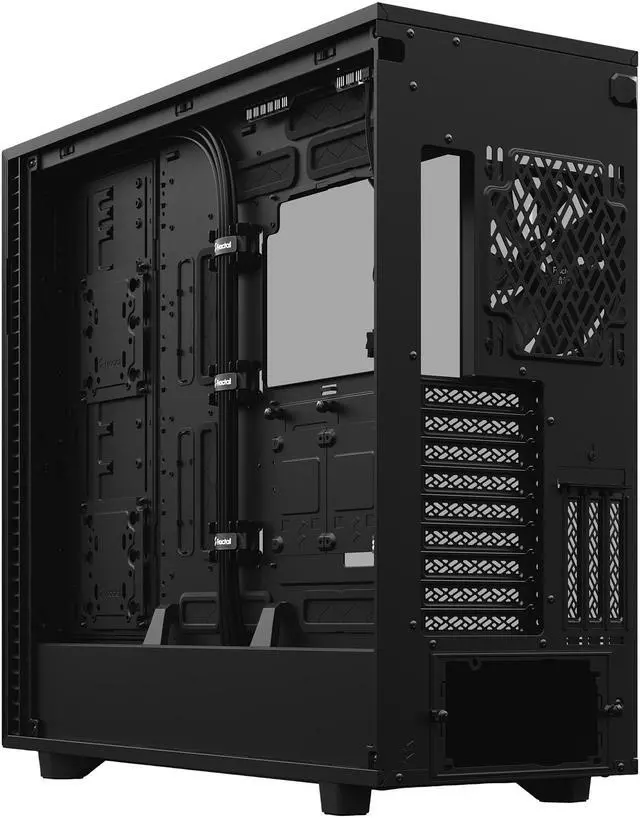
The Define 7 XL sets a new standard for what you should expect from a full tower case in terms of modularity, flexibility and ease of use. With its dual-layout interior, industrial sound damping and massively versatile layout supporting the largest E-ATX and enterprise boards, multi-GPU setups, outlandish water loops, and almost two dozen storage devices (in Storage layout), you’ll be hard pressed to find a limit to what you can do with your build in the Define 7 XL.


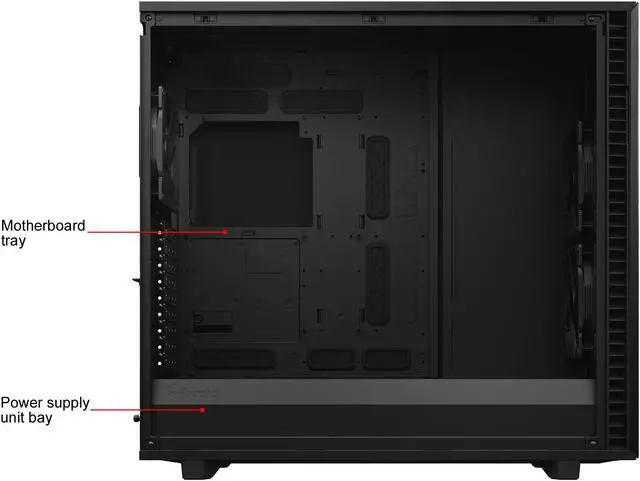
An expansive internal layout easily accommodates large motherboards up to E-ATX and SSI-EEB.
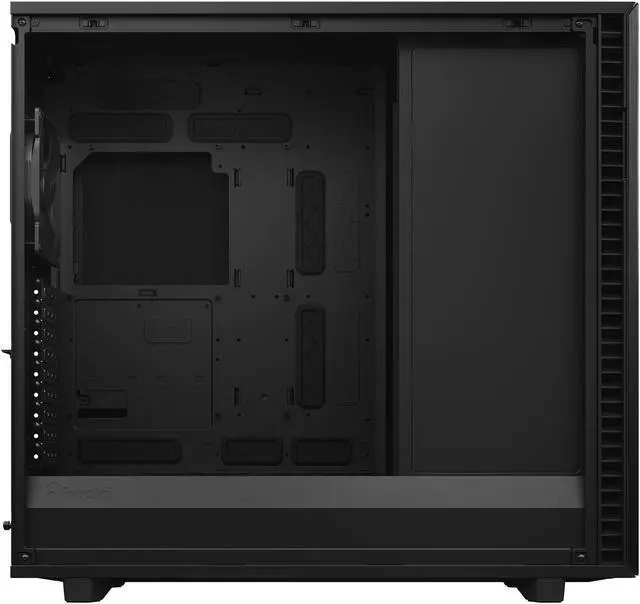
Install up to 18 HDDs alongside 5 SSDs mounts in the default Storage Layout.
(6 HDD/SSD trays + 2 SSD brackets + 2 multi-brackets included)


Convert to Open Layout and get more than enough room for your custom water loop with large reservoirs and radiators up to 480 mm.

Solid construction with industrial high-density sound damping helps maintain whisper silent operation.

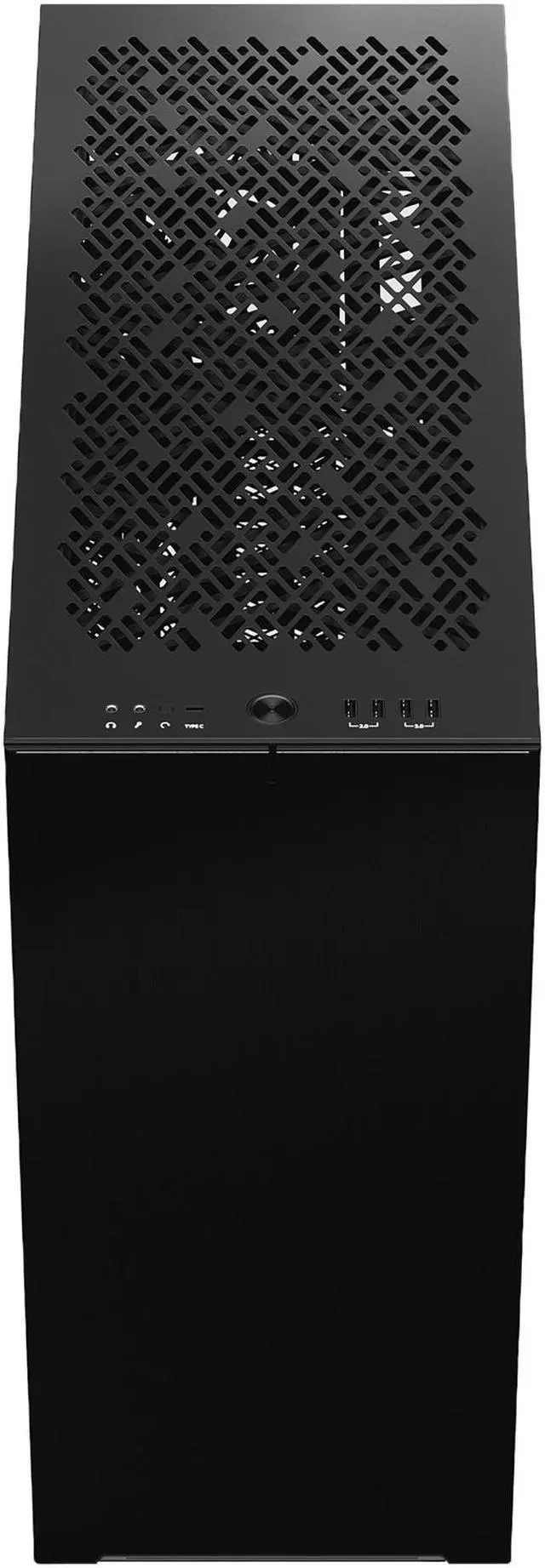
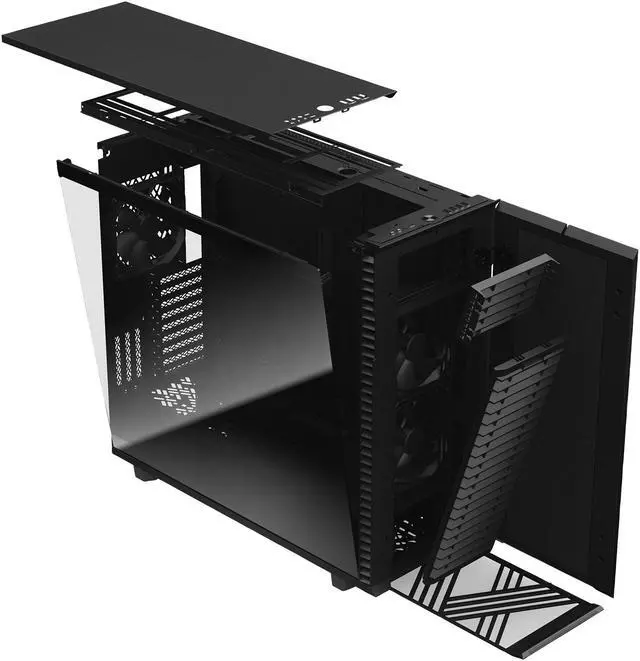
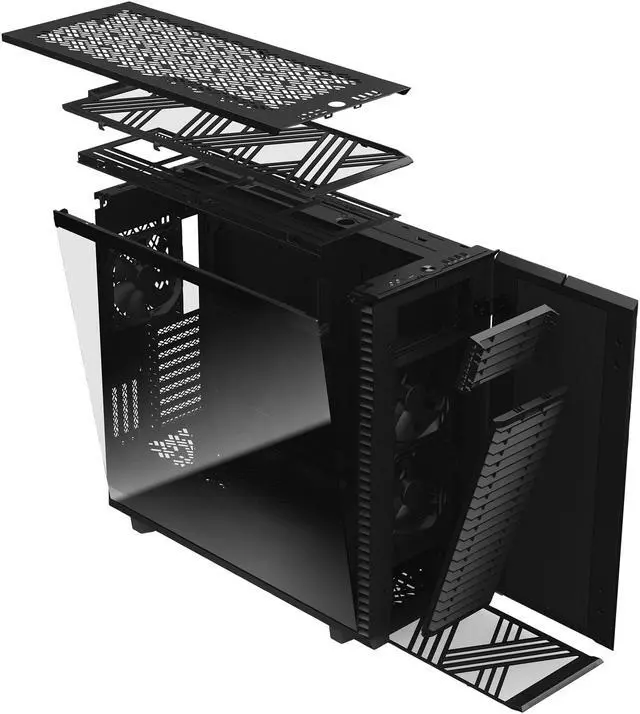
Remove the entire top to build and route with zero hindrance. Swap in the ventilated panel to add four filtered fan positions.


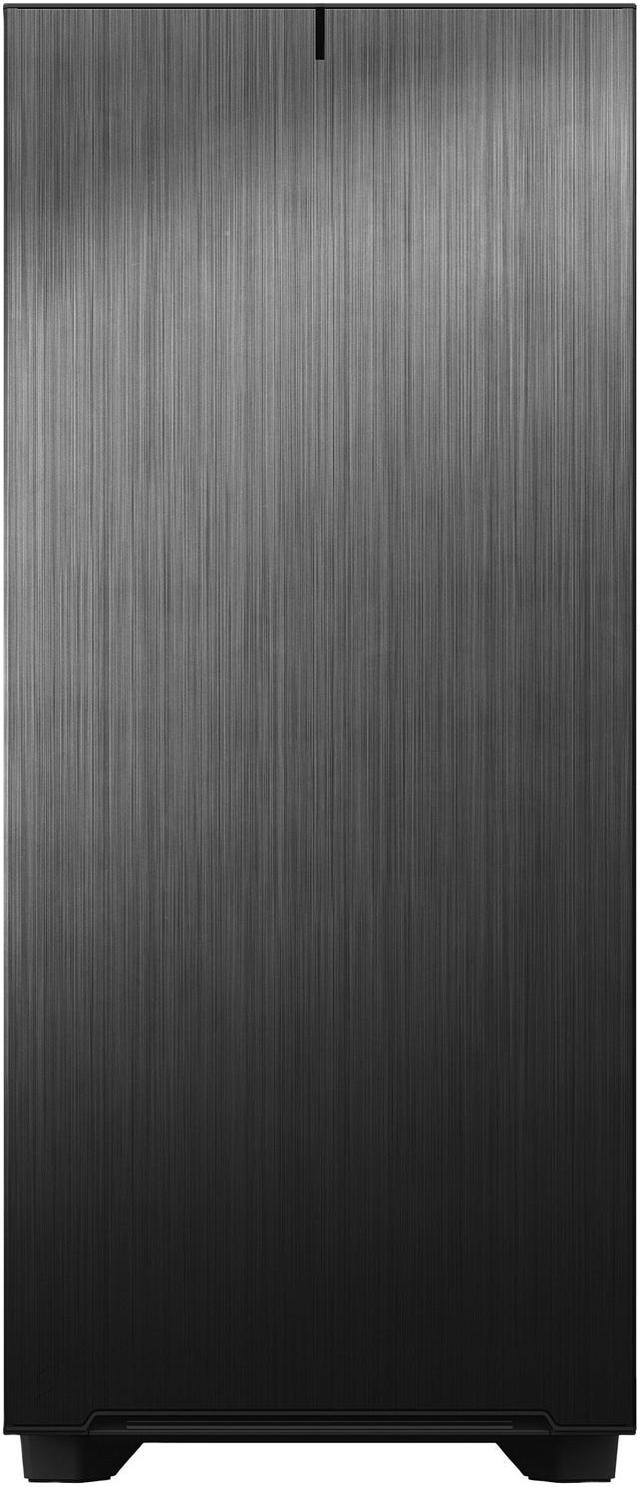
Brushed aluminum encases a refined front door design with reversible dual-handed hinges and magnetic latching.
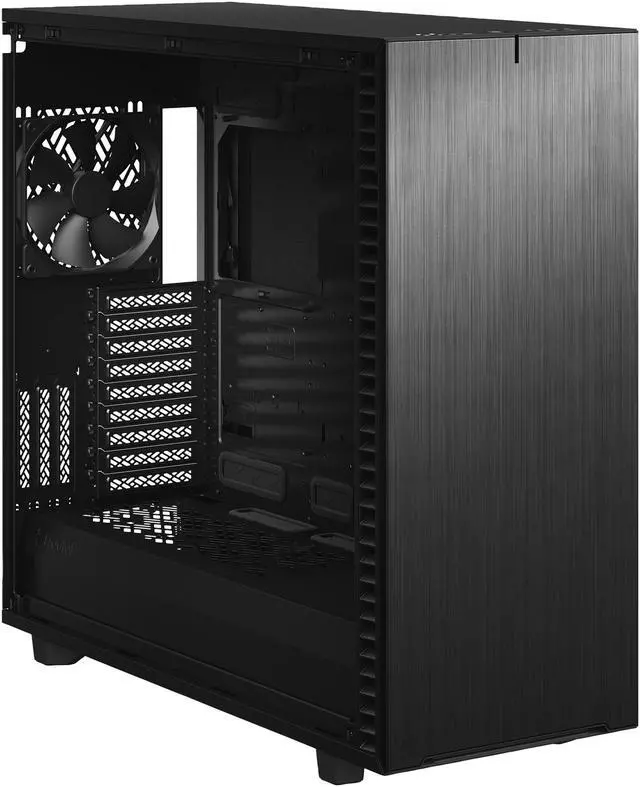
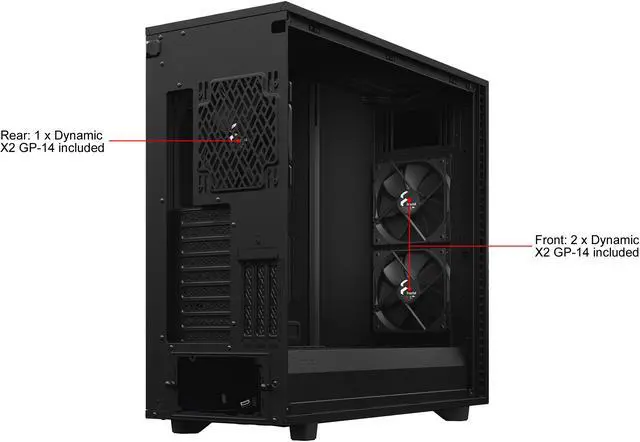
Three Dynamic X2 GP-14 fans come preinstalled with room to expand up to a total of 9 x 140 mm or 11 x 120 mm fans.


The included multi-bracket lets you convert any unused fan position or one of several dedicated mounting locations.
The sturdy build and vibration damped trays means secure fastening and silent operation for all your storage devices.


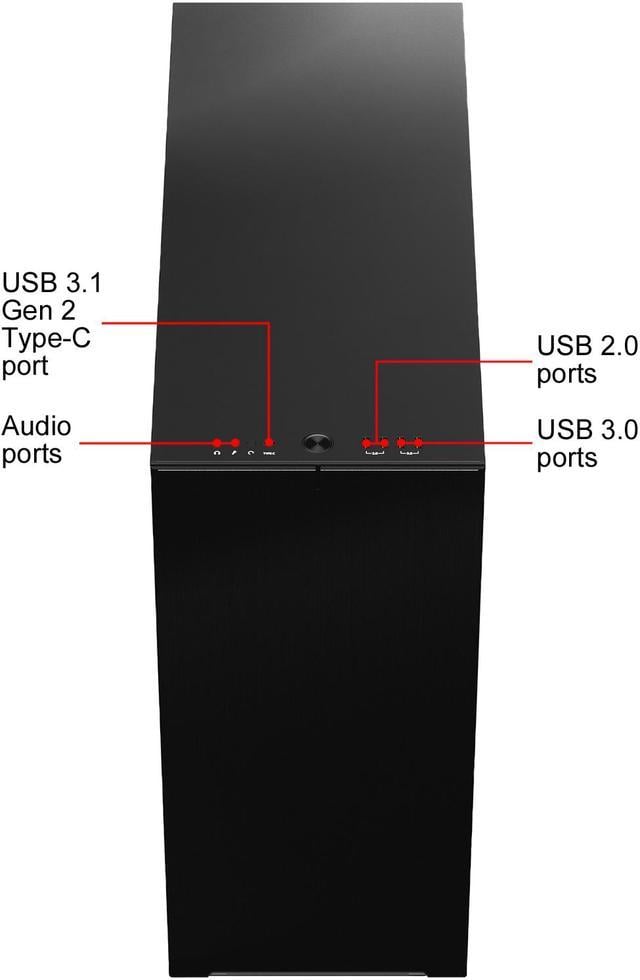
USB 3.2 Gen 2x2 Type-C front I/O offers quick access to fast charging and speeds up to 20Gbps.


We want to ensure your holiday shopping this year is hassle-free. That’s why we’re automatically extending our return policies on almost every product! For purchases placed between November 1st, 2025 and December 31, 2025 you will have until January 31, 2026 to return your product.
The Fractal Design Define 7 XL is a full-tower PC case built for high-end gaming, workstation, and custom water-cooling systems, with support for E-ATX and SSI-EEB boards, up to 18 HDDs, and radiators up to 480 mm. It suits builders who want a quiet, spacious chassis for large components, heavy storage, and flexible layout planning.
| Attribute | Value |
|---|---|
| Best For | Builders who need a roomy, silence-optimized full-tower for large E-ATX/SSI-EEB motherboards, extensive internal storage (up to 18 HDD positions + five 2.5" SSD positions), and large air or water-cooling setups with support for up to 480mm radiators |
| Case Type & Compatibility | ATX Full Tower with a dual-layout interior compatible with E-ATX, EE-ATX, ATX, mATX, mITX, SSI-CEB and SSI-EEB motherboards; open layout option provides additional headroom for large builds and custom cooling |
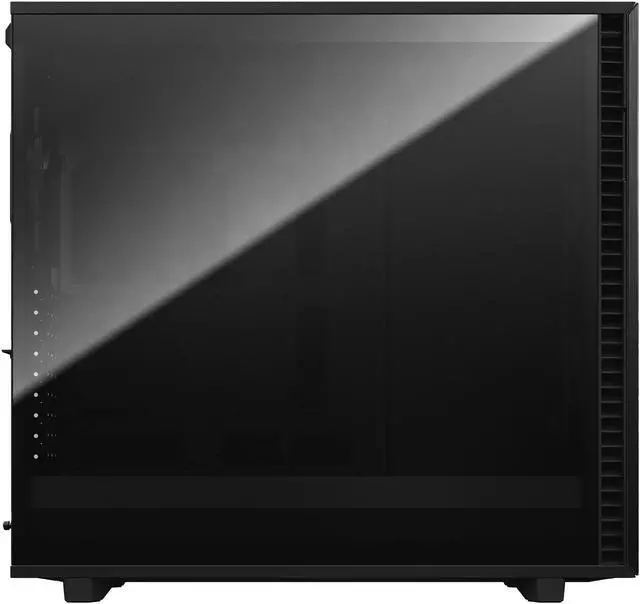
| Materials & Panels | Steel chassis with an anodized aluminum front panel and a dark-tinted tempered glass side panel; color: Black |
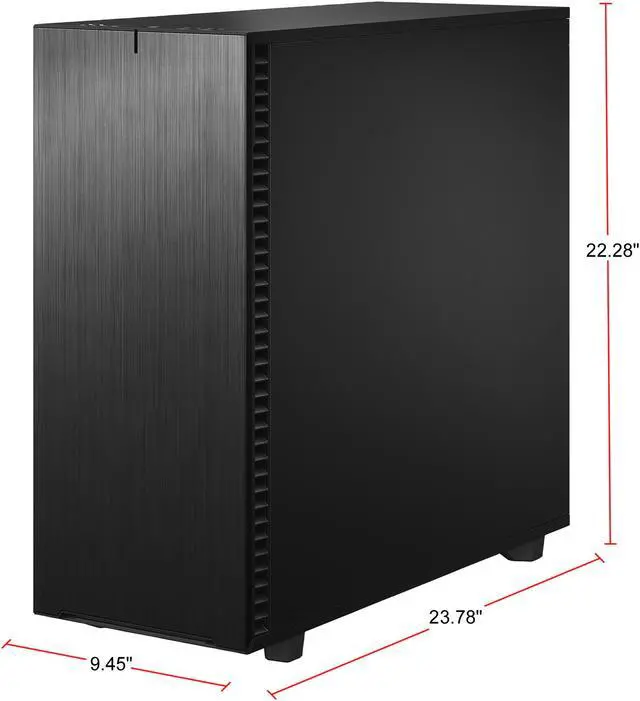
| Dimensions & Weight | 23.78 x 9.45 x 22.28 inches (L x W x H); product weight 36.68 lbs; package weight 19.867 Kilograms with package dimensions 35.052 L x 64.77 W x 70.104 H centimeters |
| Drive Bays & Storage | Two external 5.25" bays (convertible to fan mounts), supports up to 18 HDD positions and up to five 2.5" SSD positions in the storage layout; includes HDD/SSD trays and multi-brackets for mounting flexibility |
| Cooling & Fans | Supports a total of up to 9 x 140mm or 11 x 120mm fan mounts across front/top/rear/bottom; preinstalled fans: 2 x 140mm (front) and 1 x 140mm (rear); includes an ultra-slim Nexus+ 2 fan hub to connect up to 3 PWM and 6 3‑pin fans |
| Radiator Support | Radiator support up to 480mm or 420mm in the front and top, up to 280mm in the bottom, and 120mm in the rear (location-dependent) |
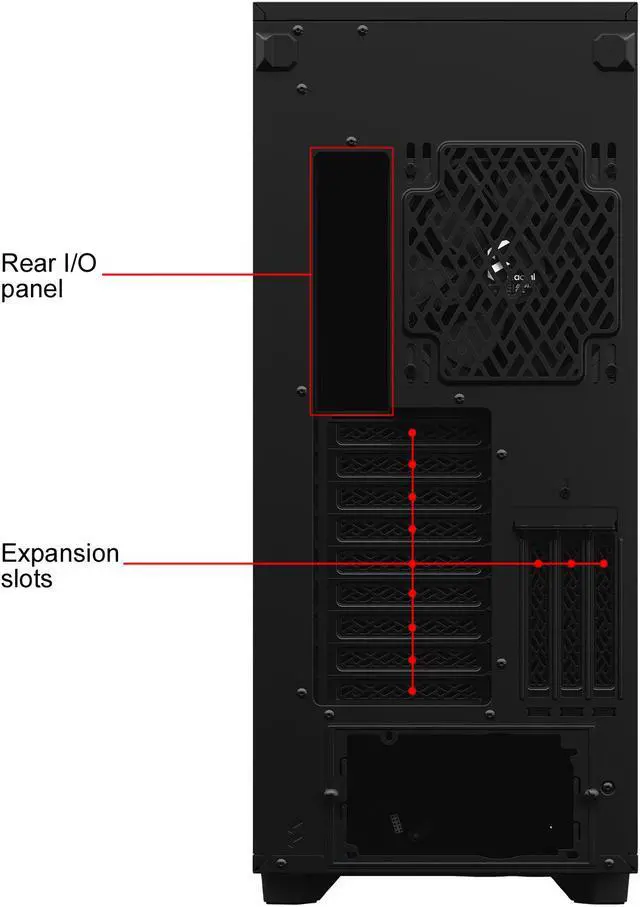
| Expansion And GPU/PSU Clearance | Nine standard expansion slots plus 3 vertical slots; maximum GPU length 549 mm; CPU cooler height clearance 185 mm; maximum PSU length 250 mm (with HDD cages installed) |
| Front I/O & Internal Hubs | Front I/O includes 1 x USB 3.2 Gen 2x2 Type-C, 2 x USB 3.0, 2 x USB 2.0 and 2 x audio; five front USB ports total and integrated support for fan hub connectivity |
| Filters, Noise And Access | Silence-optimized with sound-damped front, top and side panels; tool-less top-latching dark-tinted tempered glass side panel; easy-to-clean high-airflow nylon dust filters on front, top and base; top panel can be swapped from solid steel to filtered ventilation |
| Included Accessories & Package Content | Includes Define 7 XL chassis plus accessory box, user manual, ventilated top panel, ODD bracket and cover, and 2 x HDD/SSD trays (noted as for a total of 6 in package content) |
| Model Identifiers | Fractal Design Define 7 XL — Model FD-C-DEF7X-03 (Model Number 7340172702061); Manufacturer: Fractal Design |
Q: Should I choose the Fractal Design Define 7 XL or Meshify 2 XL?
A: Choose the Define 7 XL if you want a quieter full tower with sound-damped panels, a front door, and stronger emphasis on storage flexibility. Choose the Meshify 2 XL if your priority is higher airflow for hot gaming or workstation hardware. Reviews and community comparisons consistently frame these two cases as close relatives, with the Define 7 XL favoring acoustics and the Meshify 2 XL favoring ventilation.
Q: Is the Define 7 XL worth it over the regular Define 7?
A: The Define 7 XL is the better choice if you need SSI-EEB or larger E-ATX board support, more drive capacity, more radiator headroom, or extra clearance for oversized GPUs and custom loops. The regular Define 7 fits the same design idea in a smaller footprint, so it makes more sense when you want the Define series layout and noise-focused design without committing to a very large chassis.
Q: Should I upgrade from an older Fractal Define R6 or XL-series case to the Define 7 XL?
A: Upgrade to the Define 7 XL if you want a more modular interior, easier side and top access, updated front I/O with USB-C, and broader support for dense storage or large water-cooling builds. If your older Define case already fits your hardware and storage plan, the main gain is usability and layout flexibility rather than a completely different thermal profile.
Q: Is the Define 7 XL a better choice than a high-airflow case for a gaming PC?
A: The Define 7 XL is a better fit when you want a large gaming or creator build that stays quieter and also leaves room for drives, radiators, and future upgrades. A high-airflow case is the better fit when maximum cooling for high-power CPUs and GPUs matters more than noise damping. Review coverage of the Define platform regularly describes it as quiet and flexible, while also noting that more open airflow designs are the easier choice for hotter hardware.
Q: Should I buy the Define 7 XL for a storage-heavy workstation or homelab build?
A: Yes, the Define 7 XL is one of the stronger consumer-style choices when you need a tower case for many drives, large motherboards, and a quieter workspace. It is especially suitable if you want a PC-style enclosure instead of moving to a rackmount or dedicated server chassis. Community discussions commonly point to the Define 7 XL for high-drive-count workstation and homelab builds, while also treating rackmount platforms as the next step when storage density becomes the main priority.
Q: Who is the Fractal Design Define 7 XL best for?
A: The Define 7 XL is best for builders who need maximum internal space, quiet operation, and flexible storage or liquid-cooling options. It makes the most sense for E-ATX or SSI-EEB workstations, NAS or homelab builds with many drives, and custom water-cooling setups. It is less suitable if you want a compact case, lower weight, or a budget-focused build.
Q: Is the Define 7 XL a good choice for a quiet high-end workstation or server-style PC?
A: Yes. The Define 7 XL is a strong fit for a quiet high-end workstation or storage-heavy system because it combines sound-damped panels with very large component clearance and high drive capacity. The main trade-off is size: it is a very large full tower, so you give up portability and desk-space efficiency in exchange for lower-noise panels and more expansion room.
Q: Can the Define 7 XL handle very large motherboards, long GPUs, and big radiators without major compromises?
A: Yes, but layout matters. The case supports E-ATX, SSI-EEB, very tall air coolers, and up to 480 mm radiators in the front or top. It is a good choice for oversized workstation boards or ambitious water-cooling builds. The trade-off is that maximum storage and maximum radiator clearance compete with each other, so builders need to choose the layout based on whether drive capacity or cooling hardware matters more.
Q: Is the Define 7 XL better than a typical mid-tower for storage-heavy or upgrade-heavy builds?
A: For storage-heavy and upgrade-heavy builds, yes. The Define 7 XL offers far more drive capacity, more room for large motherboards and radiators, and easier long-term expandability than a typical mid-tower. The downside is that it is much bigger and heavier than most mainstream cases, so it is only worth it if you will actually use the extra bays, motherboard support, or cooling headroom.
Q: What is the main buying trade-off between the Define 7 XL and a higher-airflow case?
A: The Define 7 XL prioritizes flexibility and lower-noise construction over a pure airflow-first design. It is a better fit if you want sound-damped panels, many drive options, 5.25-inch bays, and a convertible interior. A more airflow-focused case may be the better choice if your top priority is maximum cooling with less concern for noise damping or optical-drive and storage flexibility.
Q: Who is the Fractal Design Define 7 XL best suited for?
A: The Define 7 XL is best suited for builders who need maximum internal space, many drive mounts, or workstation/server-style flexibility. It makes the most sense for large E-ATX or SSI-EEB systems, multi-drive storage builds, and custom water-cooling setups. It is less suitable for buyers who want a compact case or the strongest stock airflow focus.
Q: Is the Define 7 XL a good choice if I want a quiet PC?
A: Yes, if low noise matters more than maximum airflow. The case is designed around sound-damped panels and a closed front/top configuration, so it can work well for quiet builds with moderate fan speeds. The trade-off is that silence depends heavily on the parts and fan tuning inside the case, and airflow-focused cases will usually cool high-power hardware more easily.
Q: Is the Define 7 XL good for high-end air cooling or hot GPU/CPU builds?
A: It is capable, but it is not the strongest choice if cooling is the top priority. The Define 7 XL supports many fans and large radiators, but its quiet-oriented design uses more restricted panels than mesh airflow cases. For high-power systems, it is a better fit if you value lower noise, large radiator support, or extra internal space more than absolute airflow efficiency.
Q: Is the Define 7 XL worth buying for a multi-drive NAS, Plex, or storage-heavy build?
A: Yes, if drive capacity and flexibility are key requirements. The case supports up to 18 total 3.5-inch drive positions in storage layout, includes sound damping, and is commonly discussed as a strong fit for storage-oriented builds. The main trade-offs are its large footprint, heavy weight, and the fact that a drive-dense layout can make cooling and cable management more demanding than a simpler airflow case.
Q: What are the main trade-offs of choosing the Define 7 XL instead of a mesh airflow case?
A: The Define 7 XL trades some airflow efficiency and smaller-desk practicality for lower noise potential, extensive modularity, and very high hardware and storage capacity. It is a better choice when you need silence, drive support, radiator space, or oversized motherboard compatibility. A mesh case is usually the better choice when your priority is the lowest possible temperatures with less tuning.


