




 here!
I’m your shopping assistant for PC builds, upgrades, and everything tech.
Got questions? Ask away!
Start a conversation
here!
I’m your shopping assistant for PC builds, upgrades, and everything tech.
Got questions? Ask away!
Start a conversationShipped by Newegg
 Top Rated






Any questions? Ask CelesteSM will help you find out quickly.
We want to ensure your holiday shopping this year is hassle-free. That’s why we’re automatically extending our return policies on almost every product! For purchases placed between November 1st, 2026 and December 31, 2026 you will have until January 31, 2027 to return your product.
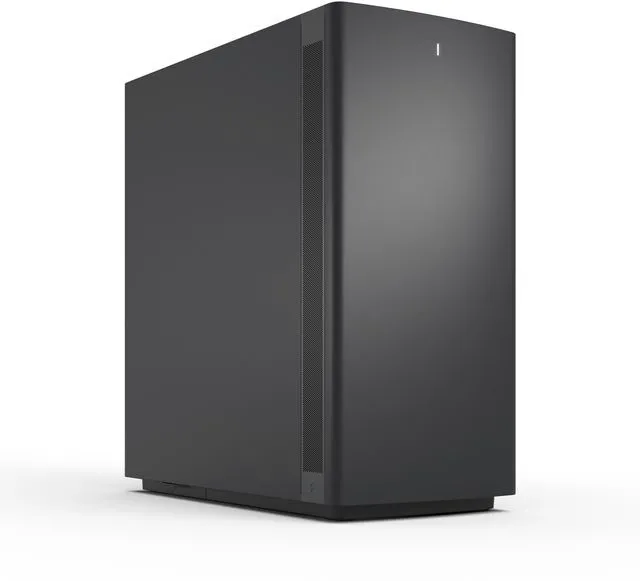
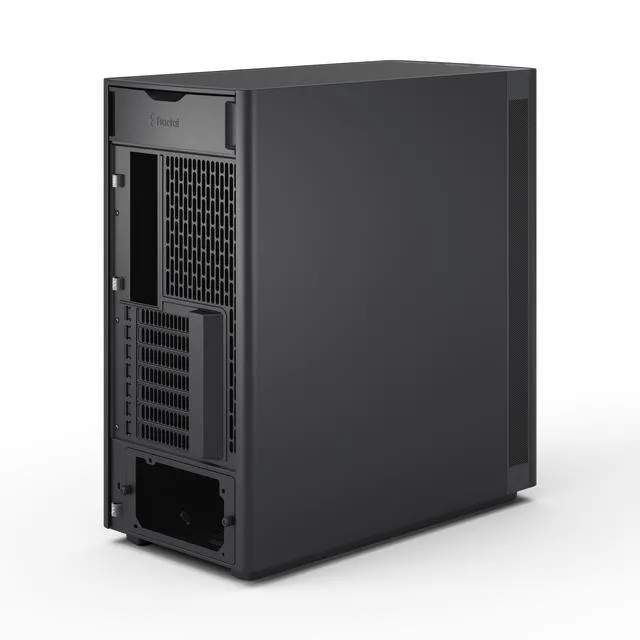
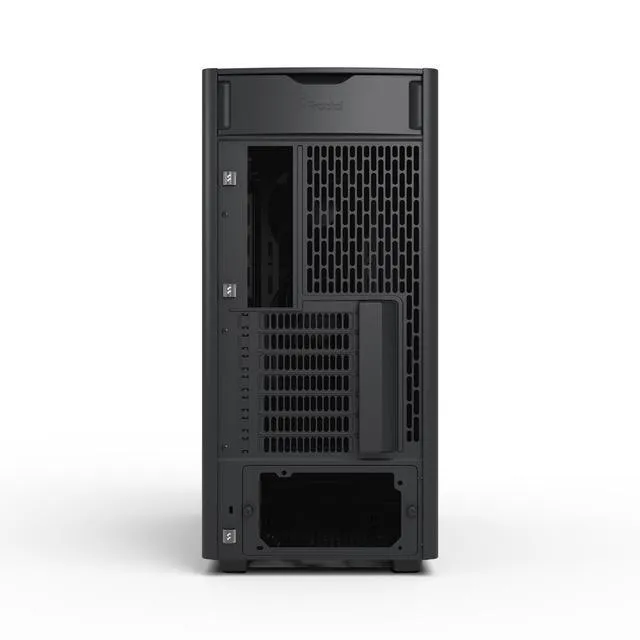
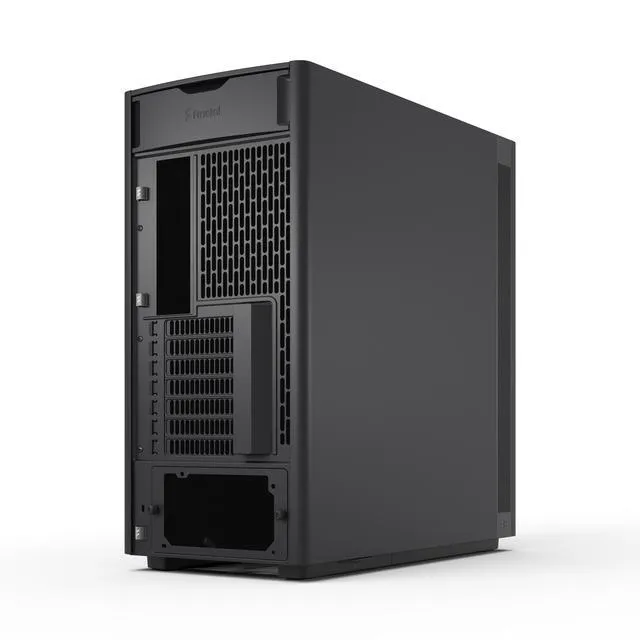
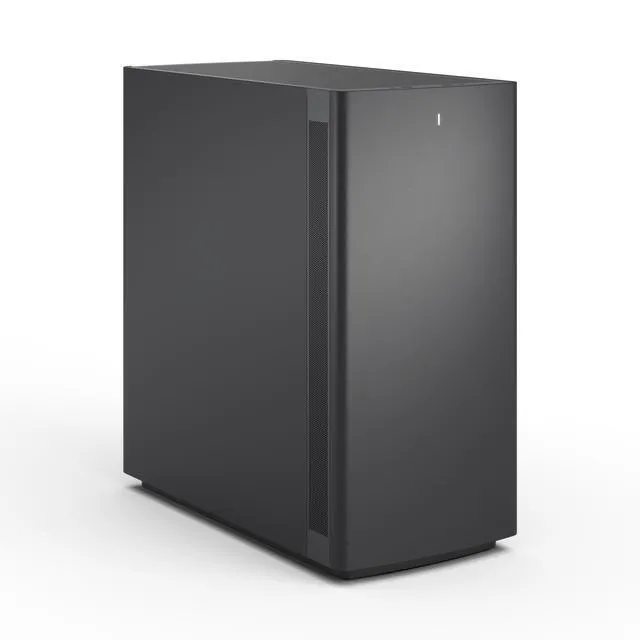
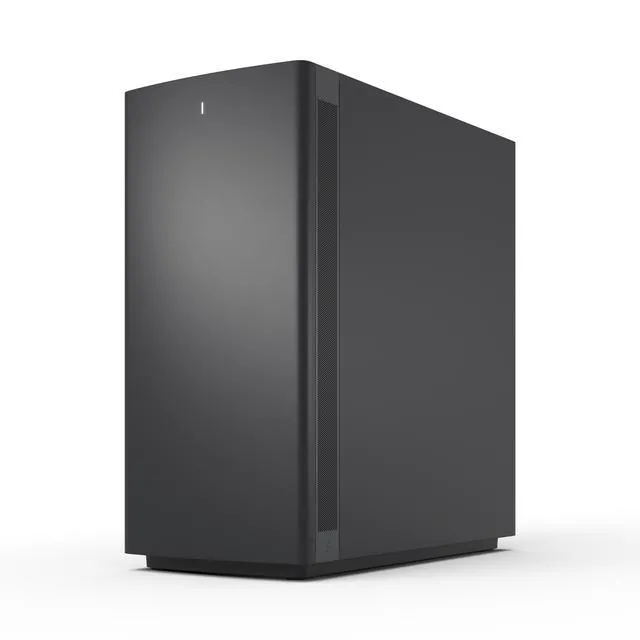
The Fractal Design Define One Dark is a sound-dampened ATX mid-tower PC case for gamers and performance-focused builders who want quiet operation, strong airflow, and support for large components, including graphics cards up to 368 mm and radiators up to 360 mm.
| Attribute | Value |
|---|---|
| Best For | ATX mid-tower gaming and workstation builds using ATX, E-ATX, Micro ATX, or Mini ITX motherboards, with room for long graphics cards and front or top liquid cooling |
| Model Identifiers | Fractal Design Define series case, model FD-C-DEFOA-01, in Dark |
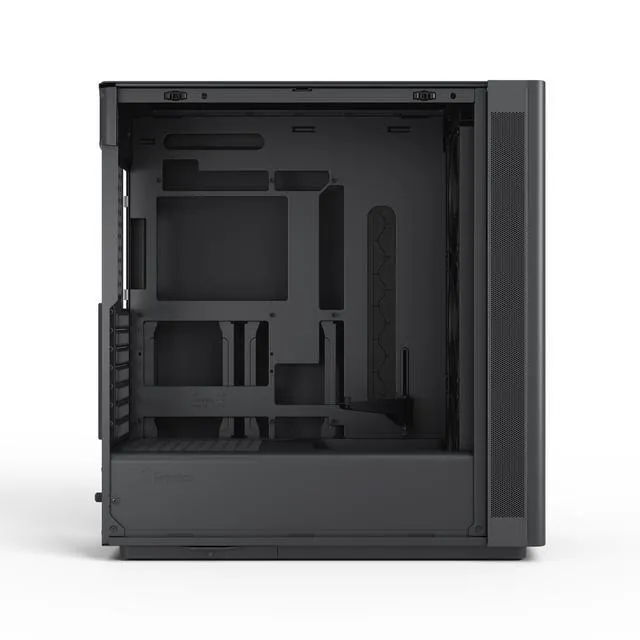
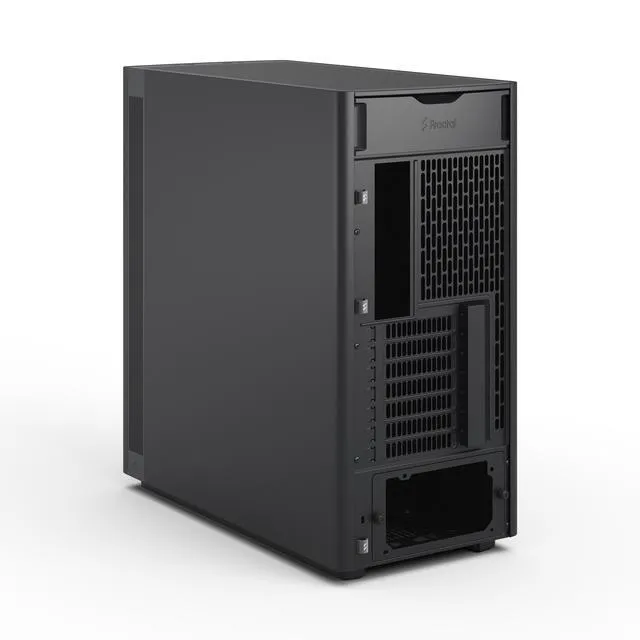
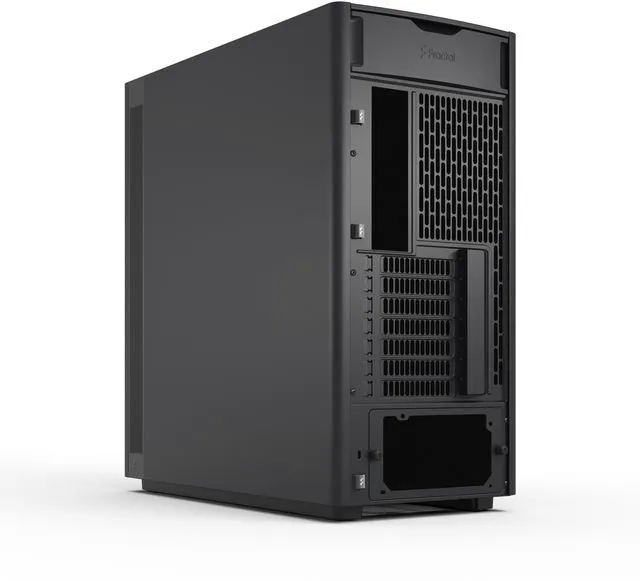
| Motherboard And Expansion | Supports ATX, E-ATX up to 277 mm, Micro ATX, Mini ITX, and ATX-sized reverse-connector motherboards, with seven expansion slots |
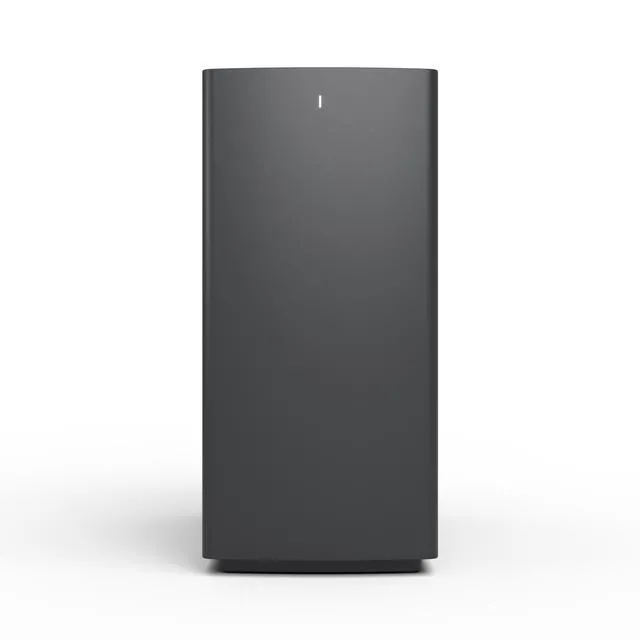
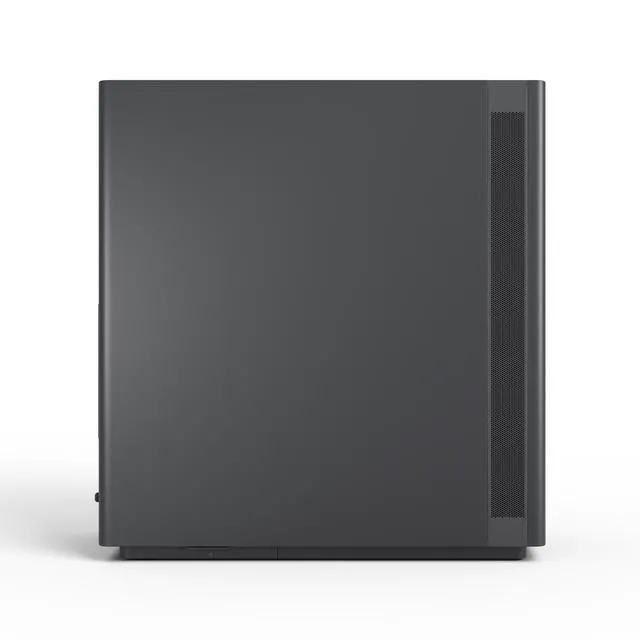
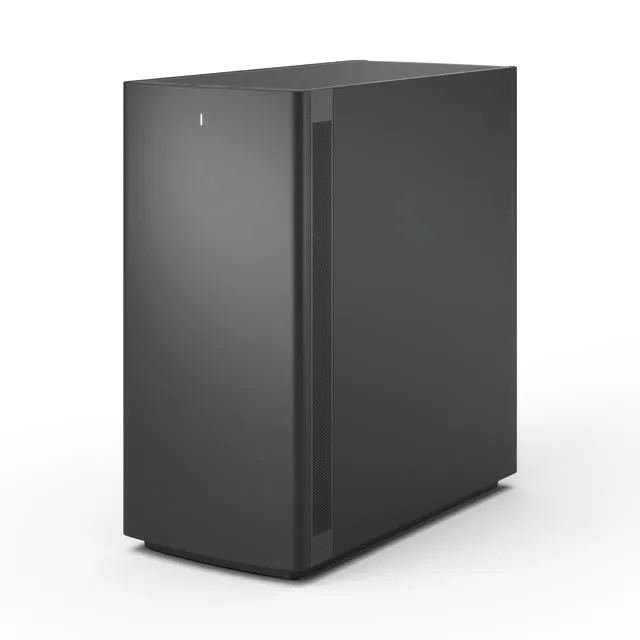
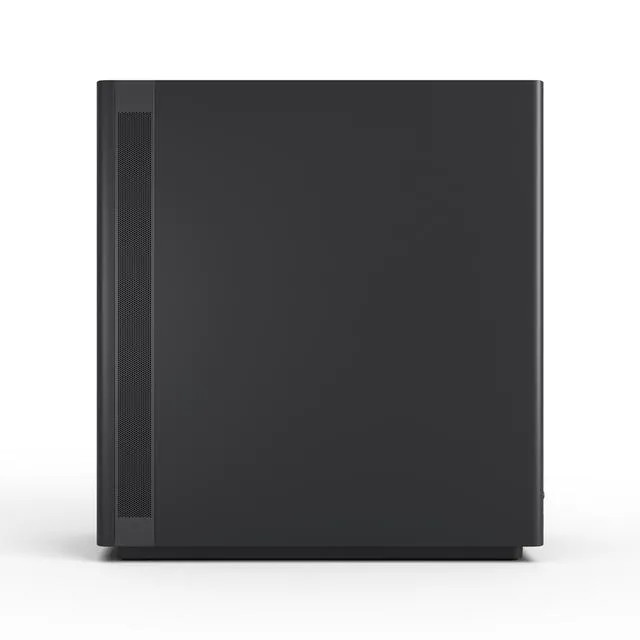
| Enclosure Design And Materials | ATX mid-tower with an industrial sound-damped steel chassis, closed front, solid side panel, aluminum side intake vents, and no side window |
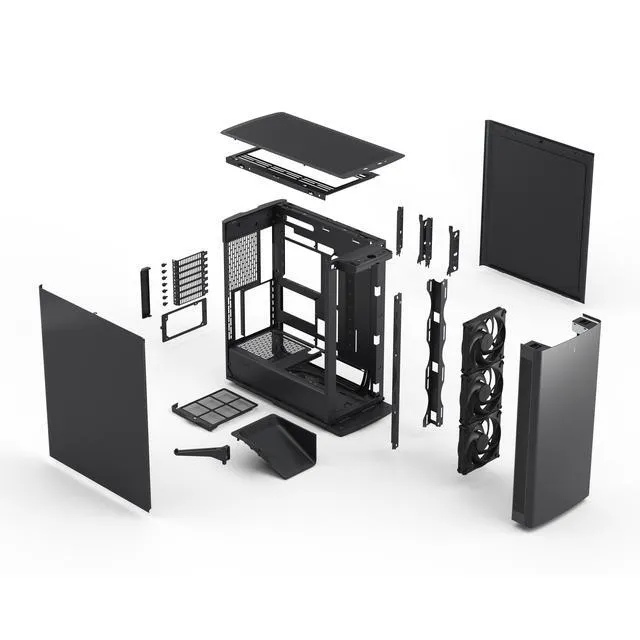
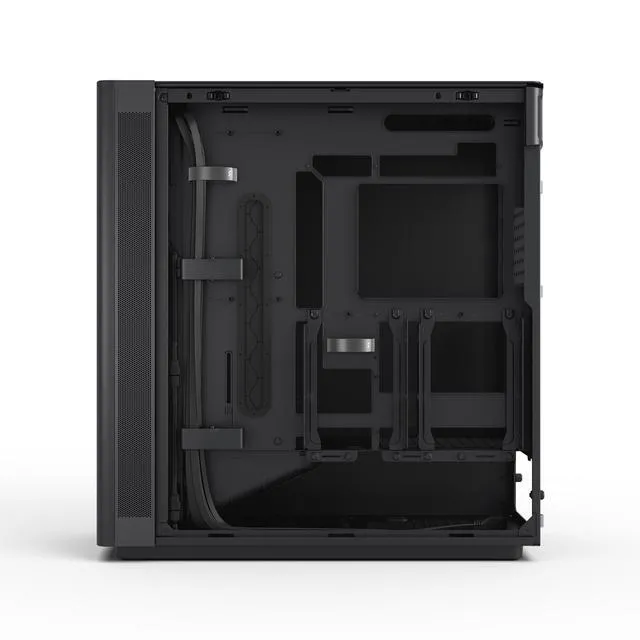
| Cooling And Airflow | Includes three front 140 mm Momentum fans and supports up to six 120 mm or five 140 mm fans; radiator support includes up to 360 mm front, 280 mm top, and 120 mm rear radiators, with a front air guide directing airflow toward the graphics card |
| Component Clearance | Supports graphics cards up to 368 mm long, or 338 mm with a 30 mm-thick front radiator, CPU coolers up to 171 mm tall, and power supplies up to 180 mm long |
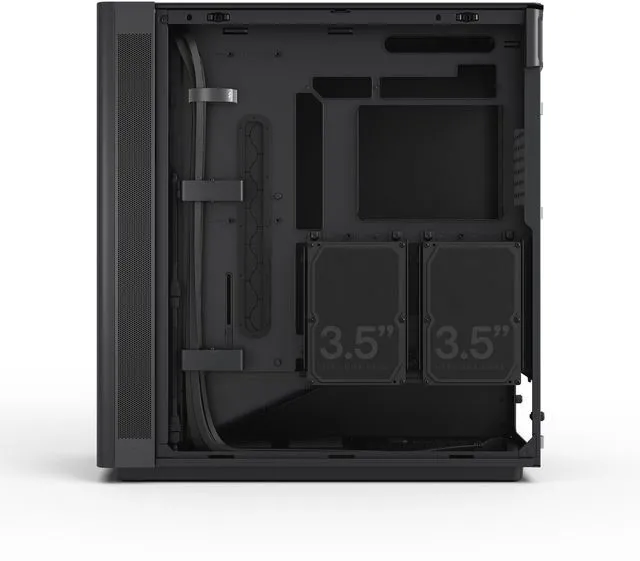
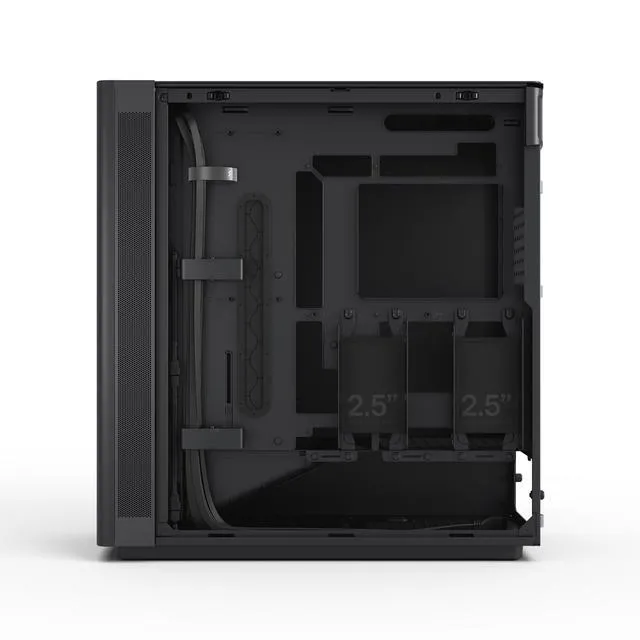
| Storage Support | Provides two internal 3.5-inch drive bays and two internal 2.5-inch drive bays, with support for up to six 2.5-inch bays total |
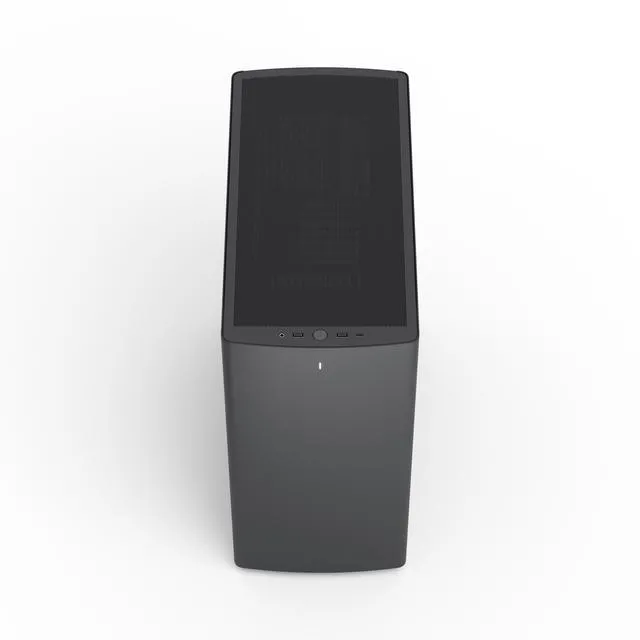
| Front I/O And Connectivity | Front I/O includes one USB-C port at 20 Gbps, two USB-A ports at 5 Gbps, an audio combo port, and a power button |
| Power Supply And Dust Protection | Power supply is not included, mounts at the bottom, and is supported by dust filters on the front intakes and PSU intake |
| Build And Cable Management | Tool-less access, removable top and front fan brackets, an adjustable graphics-card support bracket, and cable straps, aligners, and a routing grommet support easier installation and organized cable routing |
| Size And Weight | Measures 500 x 235 x 482 mm and weighs 11.3 kg |
Q: Should I buy the Fractal Design Define One or Meshify 2 Compact?
A: Choose the Define One for quieter operation, a closed-front design, three included 140 mm fans, E-ATX and reverse-connector motherboard support, and larger top-radiator compatibility up to 280 mm. Choose the Meshify 2 Compact when maximum open-air airflow, smaller dimensions, lower weight, or a more compact ATX build is the priority. The Define One supports GPUs up to 368 mm, while the Meshify 2 Compact supports up to 341 mm with its front fans installed.
Q: Is the Fractal Design Define One better than the Define 7?
A: The Define One is the better fit for a modern gaming PC that emphasizes quiet operation, a refined closed-front appearance, included 140 mm fans, GPU-focused airflow, and reverse-connector motherboard support. The Define 7 is the better fit for storage-heavy or highly modular systems because it supports up to 14 HDDs in Storage Layout, one 5.25-inch drive, more fan positions, larger radiators, and GPUs up to 470 mm in its open layout. The Define One is an addition to the Define family rather than a direct replacement for the Define 7.
Q: Should I choose the Define One or Fractal Design Torrent for a high-end gaming PC?
A: Choose the Define One when low-noise operation, a solid minimalist exterior, and balanced cooling are more important than maximum airflow. Choose the Torrent when the system uses especially power-hungry components, sustained workloads, or aggressive air cooling and maximum airflow is the main goal. The Define One includes three 140 mm front fans and a front air guide for GPU cooling, while the Torrent uses an open grille layout with large 180 mm front fans and additional bottom airflow.
Q: Is the Define One a worthwhile upgrade from an older Define 7 Compact?
A: The Define One is a worthwhile upgrade when you need more GPU clearance, E-ATX or reverse-connector motherboard support, three included 140 mm fans, or top-radiator support up to 280 mm. The Define 7 Compact remains the more practical choice when smaller dimensions and lower weight matter most. The Define One measures 482 x 235 x 500 mm and weighs 11.3 kg, while the Define 7 Compact is approximately 474 x 210 x 451 mm and weighs about 8.8 kg, depending on the version.
Q: Is the Define One suitable for a quiet workstation, or should I use a mesh-front case?
A: The Define One is suitable for a quiet workstation or gaming PC because its closed front and bitumen-lined panels reduce sound transmission while the included three 140 mm fans and front air guide maintain balanced cooling. A mesh-front case is the better choice when maximum airflow at higher fan speeds is more important than acoustic dampening. The Define One is especially appropriate for desk-based systems where understated appearance and reduced fan noise are priorities.
Q: Will a large graphics card and liquid-cooling radiator fit in this case at the same time?
A: Yes. The case supports graphics cards up to 368 mm without a front radiator, or up to 338 mm with a 30 mm-thick front radiator installed. It supports radiators up to 360 mm in front and 280 mm on top, but component dimensions should still be checked for radiator, fan, and cable-clearance requirements.
Q: Is this a good PC case for a quiet gaming build?
A: It is designed for quieter operation, using bitumen-lined sound-dampening panels, a closed front, and three pre-installed 140 mm Momentum fans. It is a suitable choice for users who want reduced case noise while retaining support for high-performance components, although the final noise level also depends on the CPU cooler, GPU, power supply, and fan-speed settings.
Q: What motherboard sizes are compatible with this case?
A: The case supports E-ATX motherboards up to 277 mm wide, as well as standard ATX, Micro ATX, and Mini-ITX boards. It also supports reverse-connector motherboards up to ATX size, provided the board layout matches the case’s mounting and cable-routing provisions.
Q: Does the case include enough fans for a gaming PC, or will I need to buy more?
A: It includes three pre-installed 140 mm front fans, which provides a ready-to-use intake configuration for many gaming builds. Additional fans may be useful for especially power-hungry hardware, top exhaust, or radiator installations. The case supports up to six 120 mm fans or five 140 mm fans in total.
Q: Is this case easy to build in and does it support good cable management?
A: It is designed for a straightforward build process, with tool-less access, removable top and front fan brackets, adjustable cable straps, cable aligners, and a routing grommet. It also provides two 3.5-inch bays and two 2.5-inch bays, with support for up to six total drives depending on the configuration.
Q: Is the Fractal Design Define One a replacement for the Define 7?
A: No. Community discussion describes the Define One as an addition to the Define range rather than a replacement for the Define 7. Choose the Define One for a simpler closed-front build with three included 140 mm fans; choose the Define 7 if you need its broader storage and configuration flexibility.
Q: Is the Define One a good choice if I want a quiet gaming PC?
A: It is designed for quieter operation through bitumen-lined solid panels and a closed front, while the three included 140 mm fans provide active airflow. The trade-off is that a closed-front case may offer less unrestricted intake airflow than a mesh-front case, especially under sustained high thermal loads.
Q: How does the Define One compare with the Fractal Design North?
A: The Define One prioritizes a closed, sound-dampened exterior and includes three 140 mm front fans. The North has a more open, design-focused front treatment. The Define One is better suited to buyers prioritizing understated looks and noise control; a more open-front case may be preferable when maximum airflow is the main concern.
Q: Is the Define One suitable for a build with many hard drives or an optical drive?
A: It is not aimed at high-drive-count or optical-drive builds. The specifications provide two internal 3.5-inch bays and two internal 2.5-inch bays, with up to six total 2.5-inch positions, and no 5.25-inch bay. Buyers needing several hard drives or an optical drive should consider a case designed specifically for those requirements.


