




 here!
I’m your shopping assistant for PC builds, upgrades, and everything tech.
Got questions? Ask away!
Start a conversation
here!
I’m your shopping assistant for PC builds, upgrades, and everything tech.
Got questions? Ask away!
Start a conversation Top Rated Top Rated Top Rated








Any questions? Ask CelesteSM will help you find out quickly.
We want to ensure your holiday shopping this year is hassle-free. That’s why we’re automatically extending our return policies on almost every product! For purchases placed between November 1st, 2026 and December 31, 2026 you will have until January 31, 2027 to return your product.
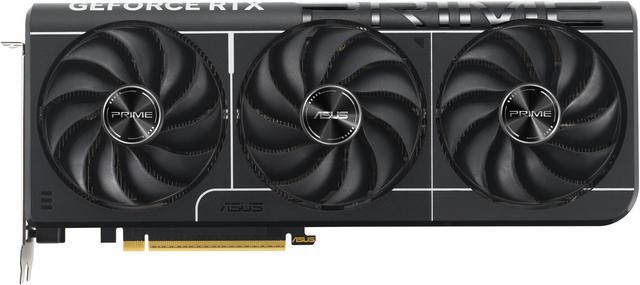
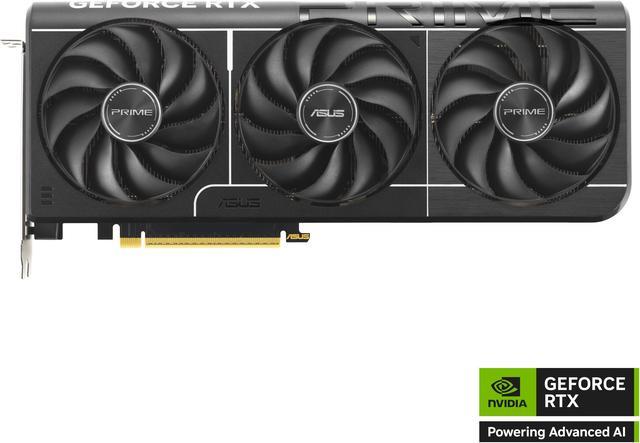
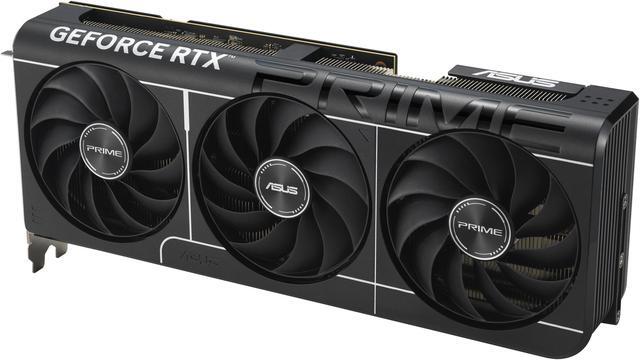
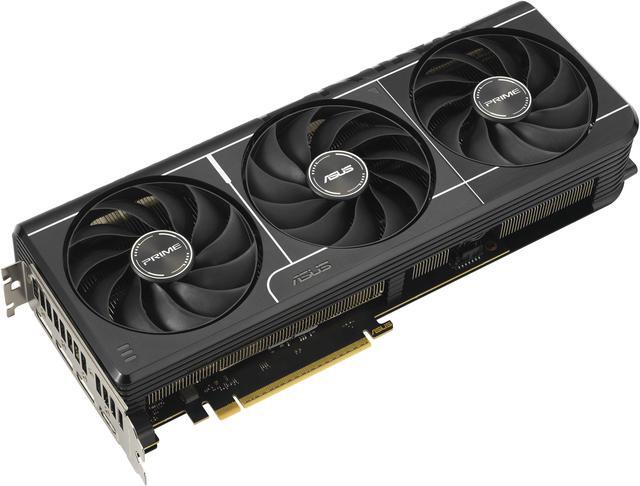
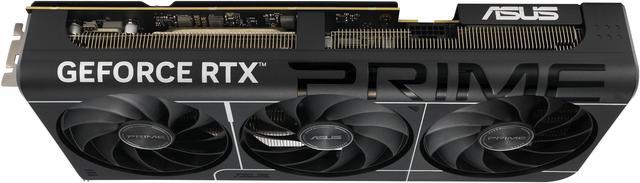
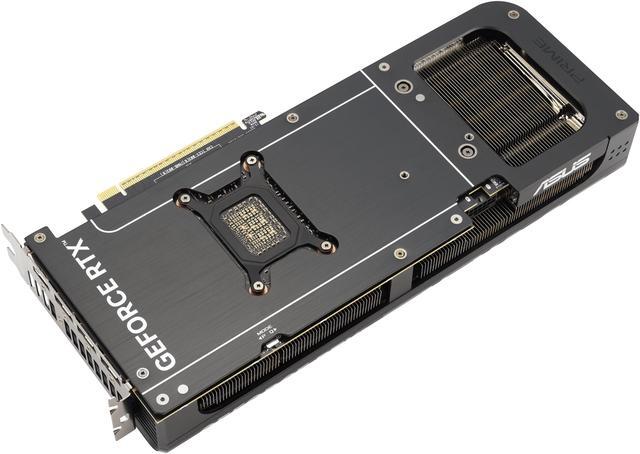
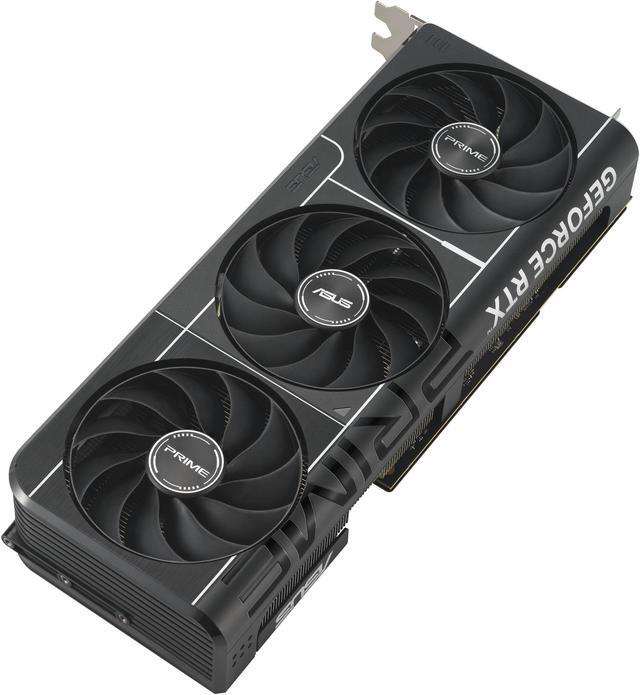
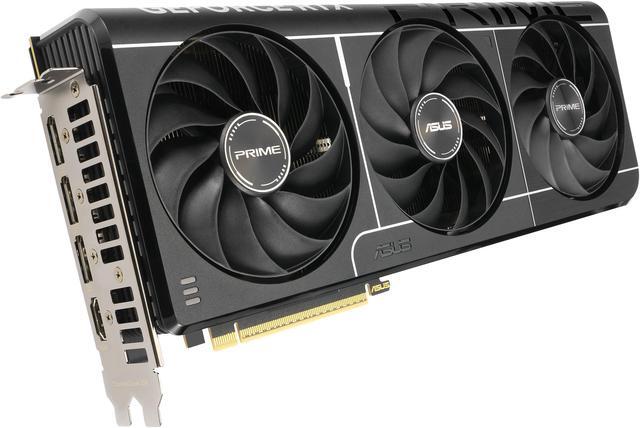
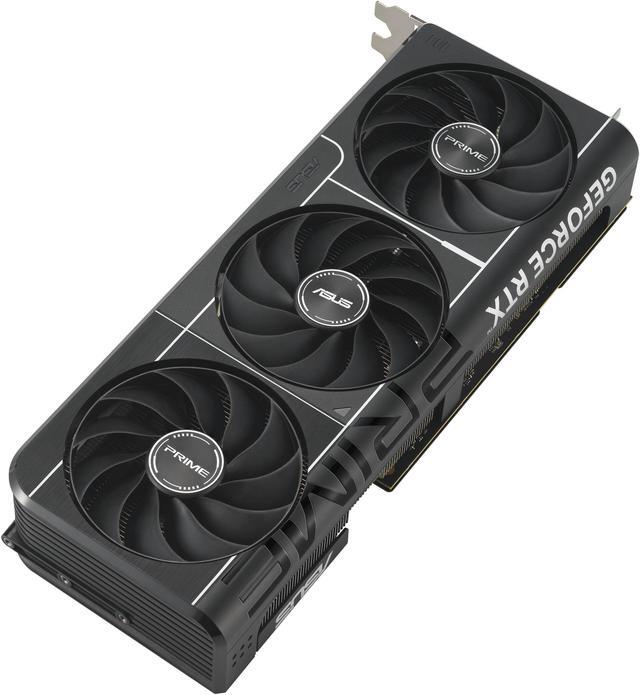
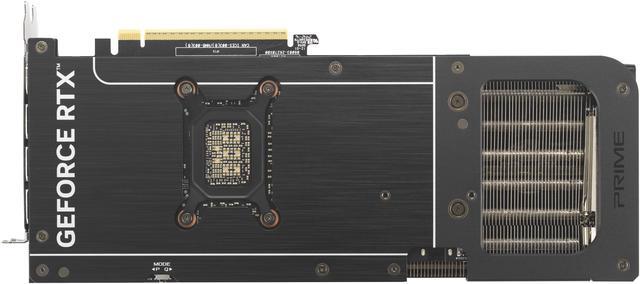
The ASUS PRIME GeForce RTX 5070 Ti OC is a 16GB GDDR7 PCIe 5.0 graphics card built for high-end 1440p gaming, strong 4K play, and creator workloads that benefit from a large 16GB frame buffer. It suits gamers and PC builders who want a triple-fan Blackwell GPU with modern display outputs and room for demanding games or multitasking.
| Attribute | Value |
|---|---|
| Best For | Desktop gaming and professional graphics on desktop PCs; supports VR and multi-monitor setups (up to 7680 x 4320) and fits PCIe 5.0 x16 systems, typically paired with a ~750W PSU |
| Processor And Core Count | NVIDIA GeForce RTX 5070 Ti (Blackwell architecture) with 8,960 CUDA cores and a reported GPU core clock of 2.53 GHz |
| Memory Configuration | 16GB GDDR7 on a 256-bit memory bus with an effective memory clock of 28 Gbps |
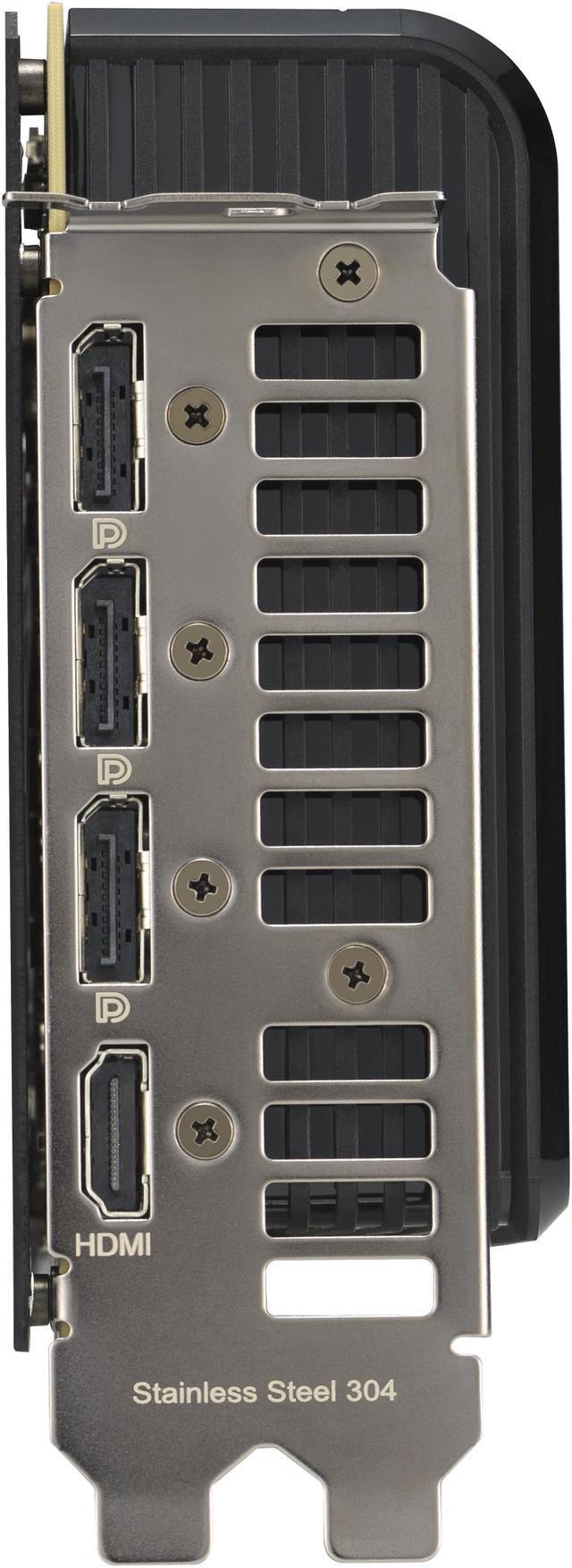
| Display Outputs And Max Resolution | 1 x HDMI 2.1b and 3 x DisplayPort 2.1b video outputs; supports up to 7680 x 4320 and up to 4 simultaneous displays |
| Interface And Form Factor | PCI Express 5.0 x16 interface; ATX card that occupies 2.5 slots, maximum GPU length 304 mm, card dimensions 12 x 5 x 2 inch |
| Power And Cooling | Thermal Design Power 300W, requires 1 x 16-pin power connector; triple-fan cooling solution (3 fans); manufacturer-recommended PSU 750W |
| Physical Dimensions & Weight | Card dimensions 12 x 5 x 2 inch, item weight 2.6 Pounds; package dimensions 9.1948 L x 23.5966 W x 40.7924 H centimeters, package weight 1.81 Kilograms |
| Features & APIs | Supports DirectX 12 Ultimate and OpenGL 4.6; HDCP ready; virtual reality ready |
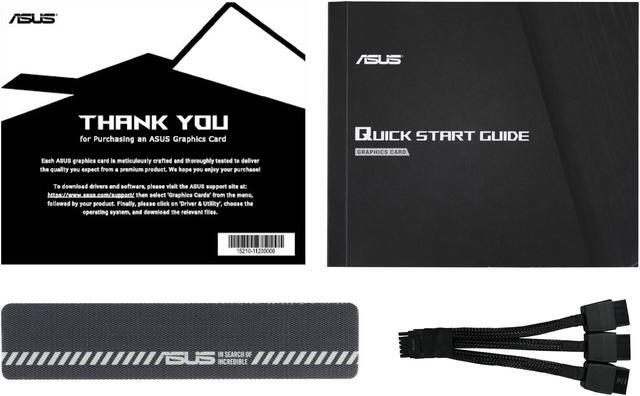
| Package Contents | Includes Speedsetup Manual, ASUS Velcro Hook & Loop, Thank You Card and Adapter Cable (1 to 3)?; sold as a single unit |
| Model Identifiers | ASUS PRIME series model PRIME-RTX5070TI-O16G (part number PRIME-RTX5070TI-O16G), manufacturer ASUS |
| Regulatory & Safety | California Proposition 65 warning: on_product_cancer |
| Compatibility | Designed for desktop systems; listed use categories include Gaming, Professional, Office and Business |
Q: Should I buy the RTX 5070 Ti or RTX 4070 Ti SUPER?
A: Choose the RTX 5070 Ti if you want a newer-generation NVIDIA card with 16GB of VRAM, GDDR7 memory, Blackwell features such as DLSS 4, and a modest real-world performance uplift over the RTX 4070 Ti SUPER. Across review coverage, the gap is usually noticeable but not dramatic, so the RTX 5070 Ti makes the most sense when pricing is close or when you specifically want the newer feature set. The RTX 4070 Ti SUPER remains a sensible alternative if it is meaningfully cheaper and you mainly care about strong 1440p or entry 4K gaming.
Q: Is the RTX 5070 Ti worth it over the RTX 5070?
A: Buy the RTX 5070 Ti if you want a clearer step up for 1440p ultra settings, heavier ray tracing, or more headroom for 4K gaming. Review data shows the RTX 5070 Ti is materially faster than the RTX 5070, and this ASUS card also gives you 16GB instead of 12GB, which is more comfortable for newer games, mods, and creator workloads. Choose the RTX 5070 instead if your goal is lower cost, lower power use, and strong mainstream 1440p performance.
Q: Should I step up from the RTX 5070 Ti to the RTX 5080?
A: Move up to the RTX 5080 if you are targeting higher-refresh 4K, heavier ray tracing, or you want more top-end margin for future games. The RTX 5080 keeps the same 16GB memory capacity but adds more CUDA cores and higher overall performance. The RTX 5070 Ti is the better value-oriented choice when you want high-end gaming without paying for the next tier, especially if your focus is 1440p or balanced 4K settings rather than maximum frame rates.
Q: Is the RTX 5070 Ti a good upgrade from an RTX 3070 Ti?
A: Yes, the RTX 5070 Ti is a substantial upgrade from an RTX 3070 Ti. Official NVIDIA positioning for the RTX 4070 Ti SUPER already framed that class as far ahead of the 3070 Ti, and independent RTX 5070 Ti reviews place the newer card well beyond that again. In practice, the upgrade is most compelling if you want better 1440p longevity, more comfortable 4K gaming, more VRAM at 16GB, and access to newer NVIDIA features such as DLSS 4 and Blackwell-generation AI capabilities.
Q: Should I choose this ASUS PRIME RTX 5070 Ti or a smaller GPU for a compact build?
A: Choose this ASUS PRIME RTX 5070 Ti if you want RTX 5070 Ti-class performance in a design that is still relatively compatibility-friendly for its tier. ASUS positions the card as an SFF-ready enthusiast model, and its 2.5-slot, 304 mm layout is more manageable than many larger high-end cards. A smaller lower-tier GPU is the better fit if your case has tighter length or airflow limits, or if lower power draw matters more than maximizing gaming performance.
Q: Will this RTX 5070 Ti fit in a typical mid-tower case?
A: Usually yes, but you should verify clearance before buying. This ASUS PRIME card is 304 mm long and 2.5 slots thick, so it fits many mid-tower ATX cases but may be too large for compact or airflow-restricted builds. The main checks are GPU length clearance, available 2.5-slot space, and room for the 16-pin power cable bend near the side panel.
Q: What power supply and connector does this card need?
A: This card uses one 16-pin GPU power connector and ASUS lists a 750W recommended PSU. If your power supply does not have a native 16-pin cable, you will typically use the included adapter cable from standard PCIe power leads. For a stable build, confirm both total wattage and that your PSU can provide the required PCIe cables cleanly.
Q: Is this a good choice for 4K gaming, or is it better suited to 1440p?
A: It is better described as a strong 1440p card that can also handle many 4K workloads, especially with modern upscaling features. The 16GB GDDR7 memory and 256-bit interface give it enough headroom for high settings and newer games, but buyers focused on ultra-high-refresh 4K may still prefer a higher-tier GPU. For most users, this class is a balanced choice for high-end 1440p and entry-to-strong 4K gaming.
Q: Who is this ASUS PRIME model most suitable for?
A: It is best suited to buyers who want a high-end gaming or creator GPU without moving to a physically larger flagship-style card. Compared with bulkier triple-slot alternatives, this PRIME model is easier to fit into more cases while still offering triple-fan cooling, 16GB of VRAM, and modern display outputs. It is a practical fit for users who care about performance, case compatibility, and a simpler non-RGB build.
Q: What are the main trade-offs versus a larger RTX 5070 Ti model like ASUS TUF or ROG Strix?
A: The main trade-off is size and build emphasis. A larger model such as TUF or Strix may offer a heavier cooler, more physical clearance for thermals, or extra premium features, but it also takes more space and can be harder to fit. The PRIME version is the better choice when you want RTX 5070 Ti performance in a more manageable 304 mm, 2.5-slot format and do not need the largest premium cooler design.
Q: Is the ASUS PRIME RTX 5070 Ti a good buy if it is one of the cheaper RTX 5070 Ti models?
A: Usually yes. Reddit and YouTube discussions repeatedly frame the ASUS PRIME RTX 5070 Ti as a value-focused model: it keeps the full RTX 5070 Ti GPU, 16GB of GDDR7 memory, triple-fan cooling, and a moderate 2.5-slot size without positioning itself as a premium flagship card. It makes the most sense for buyers who want RTX 5070 Ti-class performance and do not need extra RGB, oversized coolers, or higher-end board features.
Q: Who is the ASUS PRIME RTX 5070 Ti best suited for?
A: It is best suited for gamers and general high-performance PC users who want a full RTX 5070 Ti with 16GB VRAM in a relatively straightforward card design. Based on the product specs and the discussion sources, it fits buyers targeting modern 1440p or entry-to-higher-end 4K gaming, as well as users who may also use GPU acceleration for creative workloads, but who are not specifically shopping for a premium overbuilt cooler.
Q: Are the smaller size and simpler cooler a problem on the ASUS PRIME RTX 5070 Ti?
A: Not necessarily, but that is one of the main trade-offs buyers discuss. The card is shorter and less bulky than some premium alternatives at 304 mm and 2.5 slots, which helps fitment, but community questions often focus on whether a more compact RTX 5070 Ti runs hotter or louder than larger models. For most buyers, the triple-fan design should be adequate, but people prioritizing the lowest possible temperatures or noise may prefer a larger premium model if prices are close.
Q: What are the main trade-offs of choosing the ASUS PRIME RTX 5070 Ti instead of a higher-end custom model?
A: The main trade-off is card refinement rather than core performance. You still get the same RTX 5070 Ti GPU, 16GB GDDR7 memory, PCIe 5.0 interface, and modern display outputs, but the PRIME line is discussed as a simpler, more budget-conscious board design. Compared with pricier variants, the likely compromises are fewer premium extras, less emphasis on aesthetics, and potentially less thermal or acoustic headroom under heavy load.
Q: Do I need to check case space and power supply before buying this card?
A: Yes. This is a common practical decision point for RTX 5070 Ti buyers. The ASUS PRIME model is still a full-size desktop GPU at 304 mm long, 2.5 slots thick, 300W TDP, with a 16-pin power connector and a 750W recommended PSU. It is a better fit than very large triple-slot cards for some builds, but it is not a small-form-factor card, so clearance and power compatibility should be confirmed before purchase.


