




 here!
I’m your shopping assistant for PC builds, upgrades, and everything tech.
Got questions? Ask away!
Start a conversation
here!
I’m your shopping assistant for PC builds, upgrades, and everything tech.
Got questions? Ask away!
Start a conversation Top Rated



Make informed decisions with expert advice. Learn More




Any questions? Ask CelesteSM will help you find out quickly.
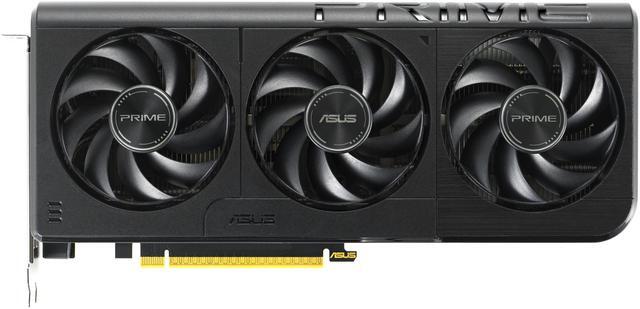
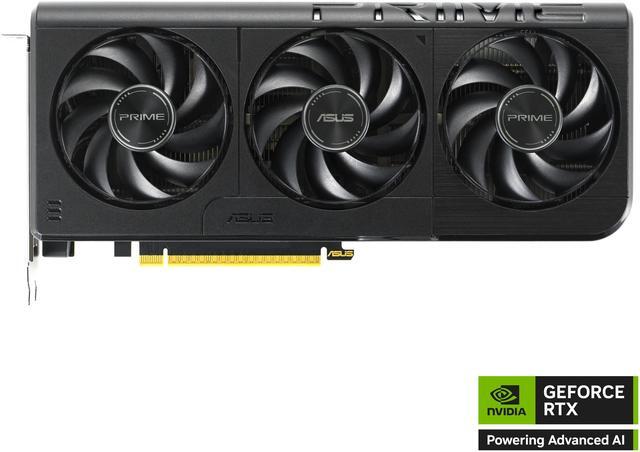
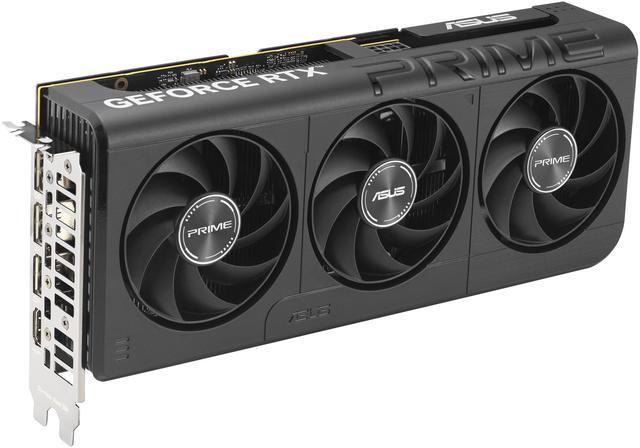
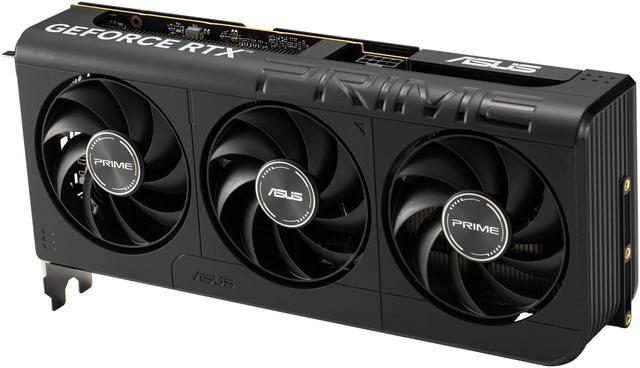
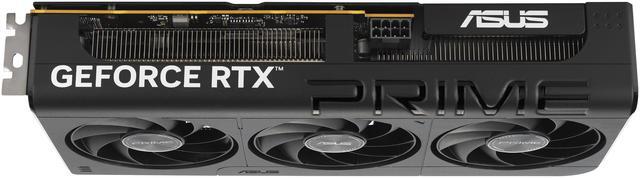
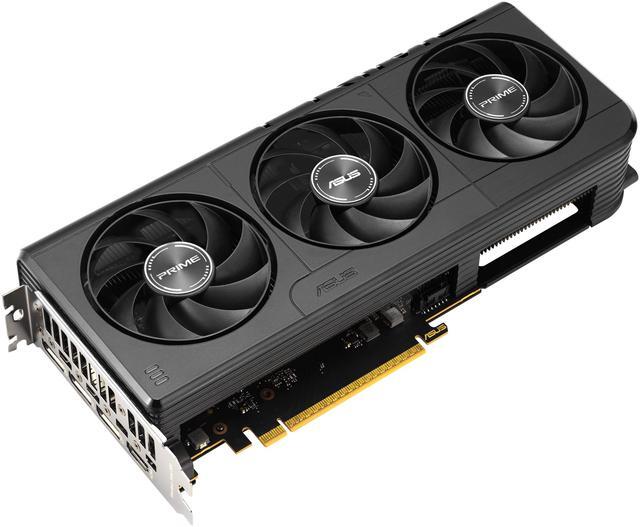
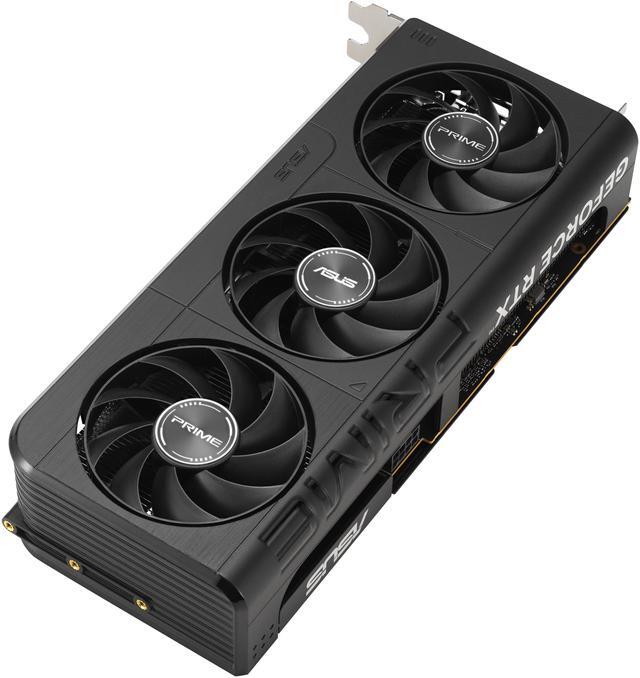
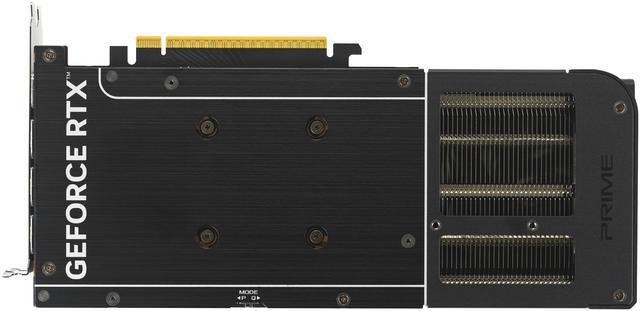
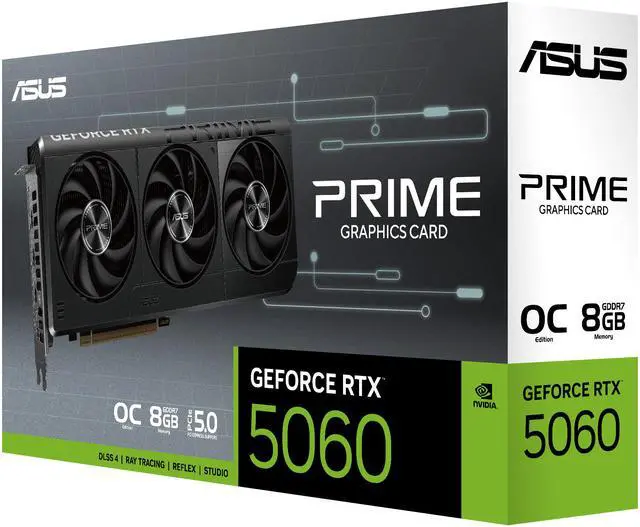
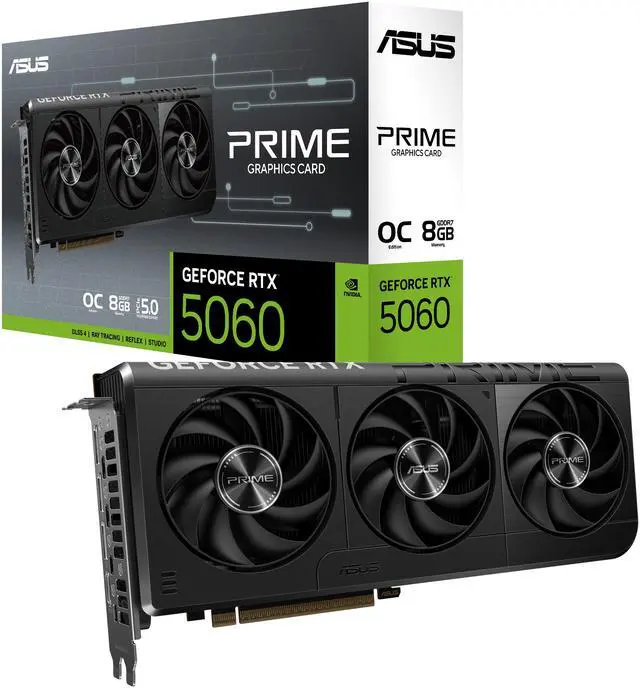
The ASUS PRIME GeForce RTX 5060 O8G is an ATX desktop graphics card with 8GB GDDR7, a factory overclock, triple-fan cooling, and modern HDMI 2.1b/DisplayPort 2.1b outputs, making it a strong fit for mainstream gamers and creators who want current-gen display support in a 2.5-slot build.
| Attribute | Value |
|---|---|
| Best For | Desktop gaming, professional, and business systems that need a GeForce RTX 5060 with 8GB GDDR7 for multi‑monitor and VR-capable graphics |
| Model Identifiers | ASUS PRIME series graphics card, model PRIME-RTX5060-O8G (part number 90YV0N00-M0AA00) |
| GPU And Architecture | NVIDIA GeForce RTX 5060 (NVIDIA GeForce RTX 50 Series) using Blackwell architecture |
| Memory And VRAM | 8GB GDDR7 on a 128-bit memory bus with an effective memory data rate of 28 Gbps |
| Clocks And Compute | GPU boost clock: OC mode 2595 MHz; default boost 2565 MHz; 3840 CUDA cores |
| Interface And Expansion | PCI Express 5.0 x8 interface |
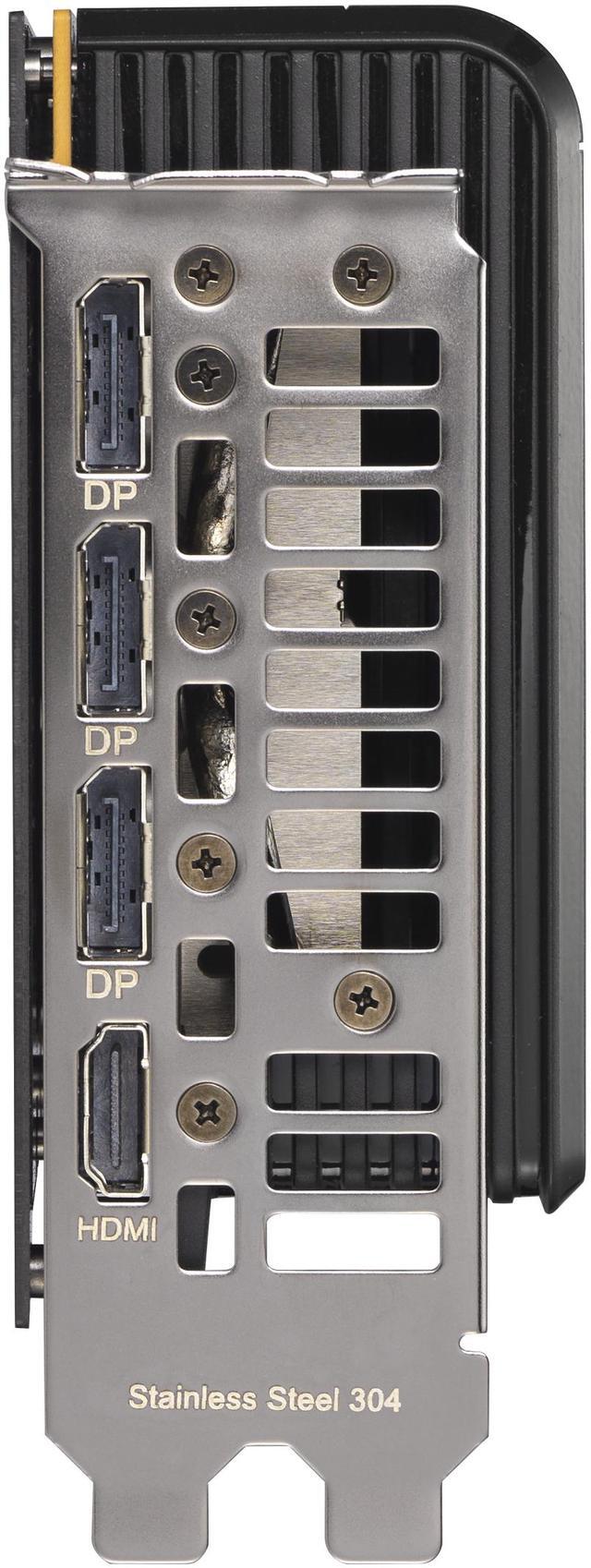
| Display And Multi-Monitor | 1 × HDMI 2.1b and 3 × DisplayPort 2.1b outputs, supports up to 4 monitors and a maximum resolution of 7680 x 4320 |
| Cooling And Physical Dimensions | Triple-fan cooler (3 fans); card dimensions ~268.3 x 120 x 50 mm (10.56 x 4.72 x 1.97 inches); occupies 2.5 slots; listed max GPU length 269 mm; item weight ~1.7 lb |
| Power And Requirements | Recommended system PSU 550W; single 8‑pin power connector |
| APIs, DRM And Compatibility | Supports DirectX 12 Ultimate, OpenGL 4.6, HDCP ready, and reported VR readiness |
| Additional Features | Does not support SLI or CrossFireX |
Q: Should I buy the ASUS PRIME RTX 5060 8GB or step up to an RTX 5060 Ti?
A: Choose the ASUS PRIME RTX 5060 8GB if your main goal is strong 1080p gaming, access to NVIDIA Blackwell features such as DLSS 4, and a lower entry cost. Step up to an RTX 5060 Ti if you want more performance headroom, especially for 1440p gaming or heavier games that can benefit from more VRAM on 16GB versions. The practical trade-off is value-focused 1080p performance with the RTX 5060 versus more long-term flexibility with the RTX 5060 Ti.
Q: Is the ASUS PRIME RTX 5060 8GB a better buy than an RTX 4060?
A: The ASUS PRIME RTX 5060 8GB is the better choice if you are buying new and want newer Blackwell features, GDDR7 memory, and generally higher gaming performance than the RTX 4060. An RTX 4060 still makes sense only when it is meaningfully cheaper or when you are targeting straightforward 1080p gaming and want to minimize total system cost. For most new builds, the RTX 5060 is the more current option with a clearer upgrade path.
Q: RTX 5060 8GB or Radeon RX 9060 XT: which one makes more sense?
A: Choose the ASUS PRIME RTX 5060 8GB if you prefer NVIDIA features such as DLSS 4 and want a card that is positioned primarily around efficient 1080p gaming. Choose the Radeon RX 9060 XT if your priority is more raw performance headroom or a 16GB option for heavier texture settings and more demanding 1440p use. Across reviews and community discussion, this comparison usually comes down to NVIDIA feature preference versus AMD's stronger memory capacity and broader performance cushion on higher-tier RX 9060 XT models.
Q: Is the ASUS PRIME RTX 5060 8GB a good upgrade from an RTX 3060?
A: Yes, the ASUS PRIME RTX 5060 8GB is a sensible upgrade from an RTX 3060 if you want newer NVIDIA features, better efficiency, and stronger mainstream gaming performance. The main trade-off is memory capacity: many RTX 3060 cards offered 12GB, while this RTX 5060 model has 8GB. That means the RTX 5060 is the better fit for users focused on modern 1080p play and NVIDIA's newer software stack, while some buyers who prioritize VRAM capacity for modded or memory-heavy workloads may weigh that difference more carefully.
Q: Is this RTX 5060 a good fit for 1080p gaming, and what is the main limitation?
A: Yes. The ASUS PRIME GeForce RTX 5060 8GB is a sensible choice for mainstream 1080p gaming and general-purpose RTX use. Its main limitation is the 8GB VRAM and 128-bit memory bus, which are adequate for many current games but less ideal for buyers who want more headroom for heavier textures, longer-term 1440p use, or more demanding future titles.
Q: Will this card fit in most mid-tower PCs?
A: Usually yes, but you should measure first. This card is about 268.3 mm long and 2.5 slots thick, so it fits many mid-tower cases but may be too large for compact or older cases. Clearance near front fans, radiators, drive cages, and adjacent PCIe slots matters more than the GPU model alone.
Q: What power supply do I need for this card?
A: ASUS lists a 550W recommended PSU and the card uses one 8-pin power connector. For most mainstream builds, that is a straightforward requirement. It is easier to power than higher-end GPUs, but buyers should still confirm overall PSU quality, available 8-pin cable, and total system power draw.
Q: Is this card better than a cheaper dual-fan RTX 5060 alternative?
A: It can be, depending on your priorities. The ASUS PRIME uses a triple-fan cooler and a 2.5-slot design, which generally makes more sense for buyers who value lower temperatures or quieter operation under load. A cheaper dual-fan RTX 5060 can offer similar core GPU capability for less money, so the trade-off is usually cooler size and acoustics versus price and case compatibility.
Q: Can this card run multiple monitors and modern displays?
A: Yes. It supports up to four displays and includes 1 HDMI 2.1b port plus 3 DisplayPort 2.1b outputs. That makes it suitable for multi-monitor gaming or productivity setups, but buyers should still confirm that their specific monitor resolution, refresh rate, and cable type match the port capabilities they plan to use.
Q: Is the ASUS PRIME RTX 5060 8GB a good buy for 1080p gaming?
A: Yes for 1080p-focused buyers on a midrange budget. Repeated Reddit and YouTube discussion treats the RTX 5060 8GB as a solid 1080p card, especially for high settings and modern NVIDIA features, but not as a long-term high-VRAM option. It makes the most sense if you play at 1080p, want a current-generation NVIDIA GPU, and accept that some newer AAA games may need reduced texture or memory-heavy settings.
Q: Who is this card suitable for, and who should skip it?
A: It is best for mainstream 1080p gamers, esports players, and upgraders replacing older midrange GPUs within a modest power and size budget. It is less suitable for buyers targeting long-term AAA gaming at ultra settings, heavier 1440p use, or workloads that benefit from more than 8GB of VRAM. If memory headroom is a priority, community discussion repeatedly points shoppers toward higher-VRAM alternatives instead.
Q: What are the main trade-offs of buying this ASUS PRIME RTX 5060 instead of spending more on a higher-tier card?
A: The main trade-off is memory headroom. This ASUS card offers a current Blackwell GPU, 8GB of GDDR7, a triple-fan cooler, a single 8-pin power connector, and a 550W recommended PSU target, which keeps system demands reasonable. The compromise is that 8GB on a 128-bit bus is the limitation most often raised in Reddit and YouTube discussions, especially for newer AAA games, higher resolutions, or buyers trying to keep the card for many years.
Q: Is this ASUS PRIME model a practical choice for compact or easier-to-power builds?
A: Yes, if your case fits a 268.3 mm long, 2.5-slot card. For an RTX 5060-class GPU, this model stays relatively manageable with one 8-pin connector and a 550W recommended PSU, which matches the kind of buyers discussing budget-conscious or smaller builds. The triple-fan cooler may also appeal to buyers who prefer a larger cooler over the smallest dual-fan variants, but it is still not a truly tiny card.


