




 here!
I’m your shopping assistant for PC builds, upgrades, and everything tech.
Got questions? Ask away!
Start a conversation
here!
I’m your shopping assistant for PC builds, upgrades, and everything tech.
Got questions? Ask away!
Start a conversation

Make informed decisions with expert advice. Learn More




Any questions? Ask CelesteSM will help you find out quickly.

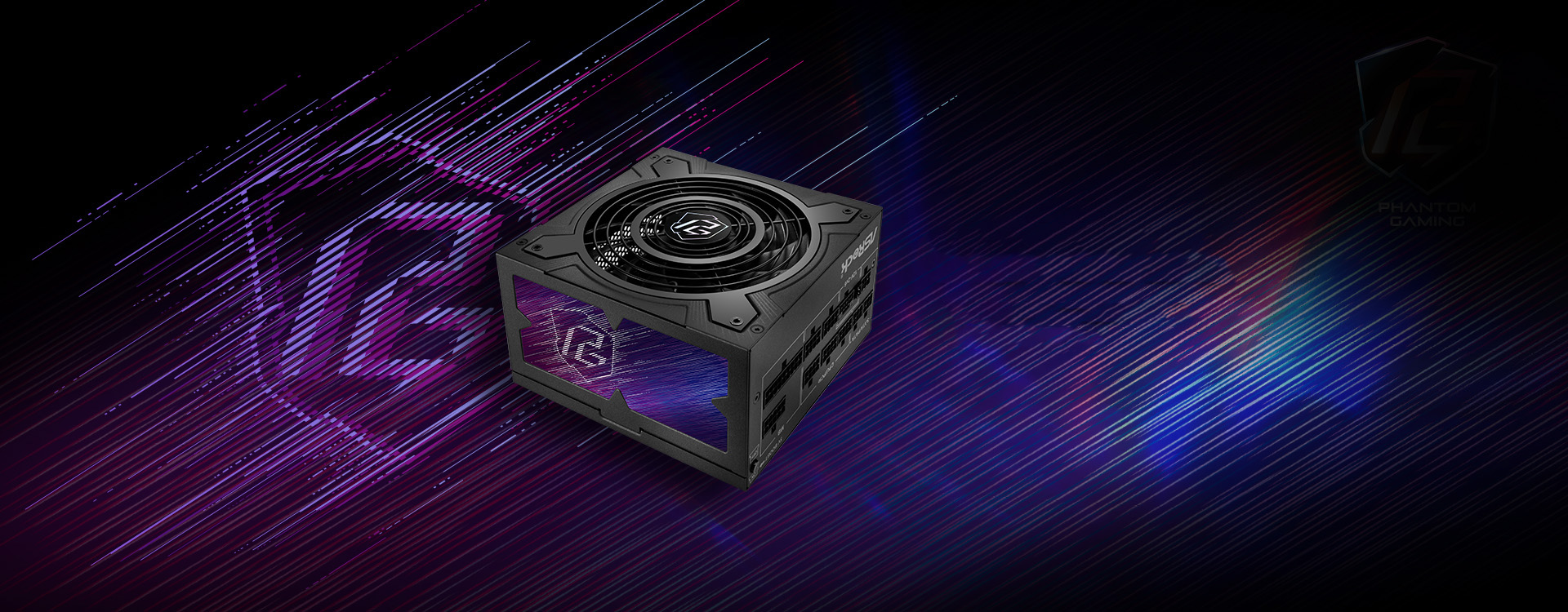
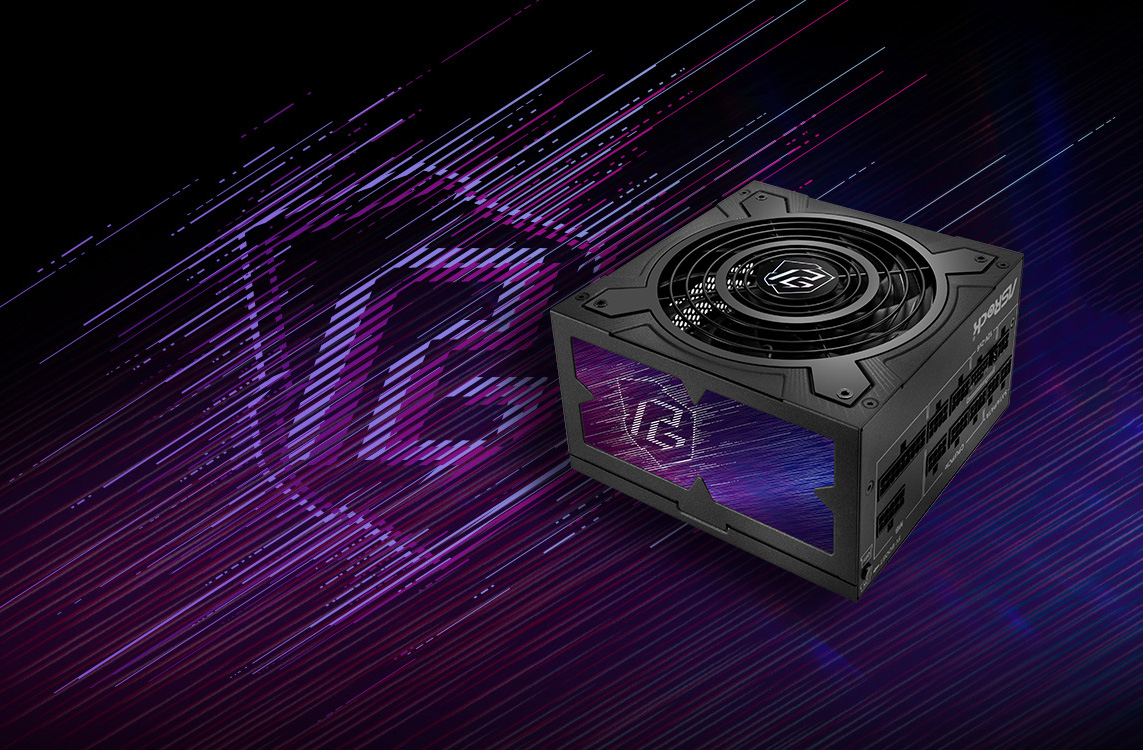
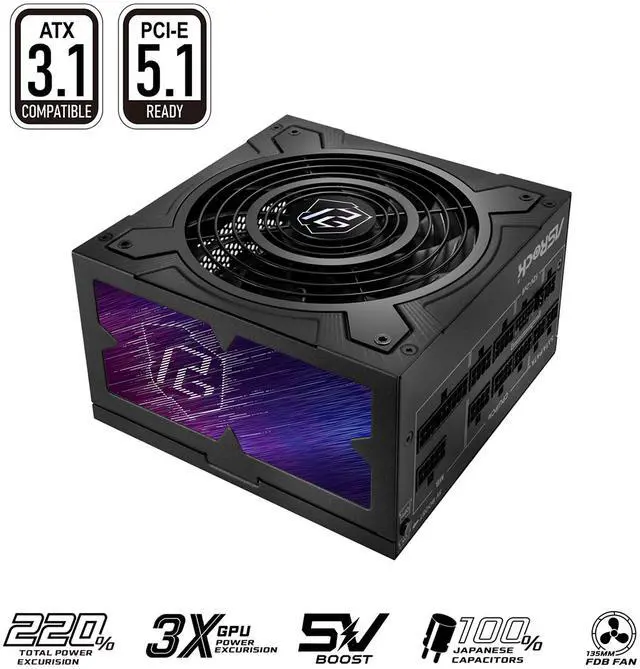
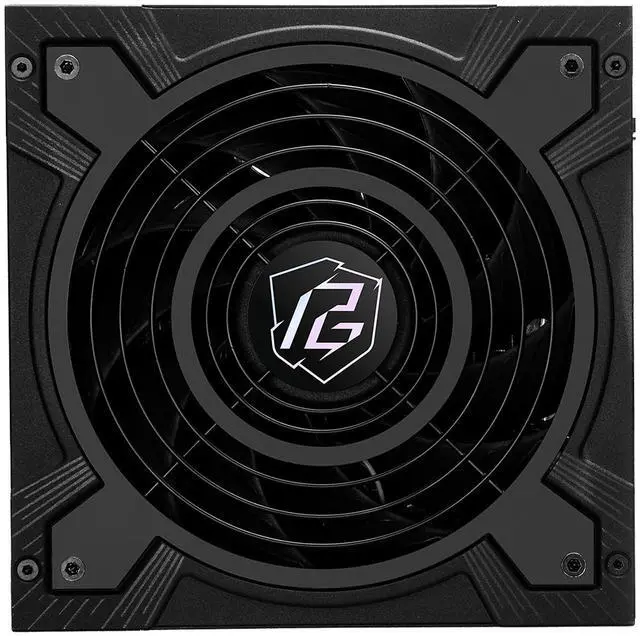
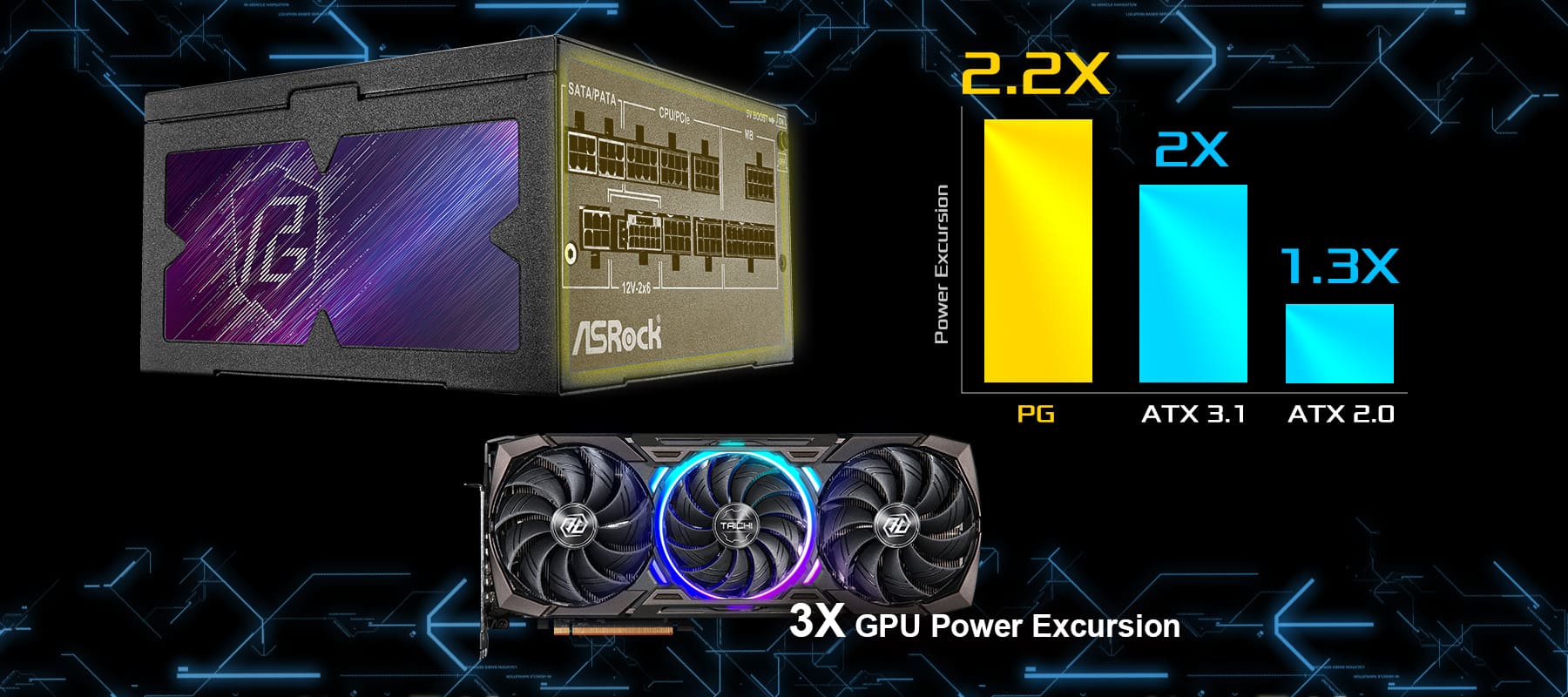
The ASRock Phantom Gaming series power supply supports both current and future standards, fully compliant with ATX12V V3.1 and PCIe Gen 5.1. Ideal for both current systems and future builds, this power supplies can handle up to 220% power excursion and respond swiftly to power spikes, ensuring reliable, safe power for your components.
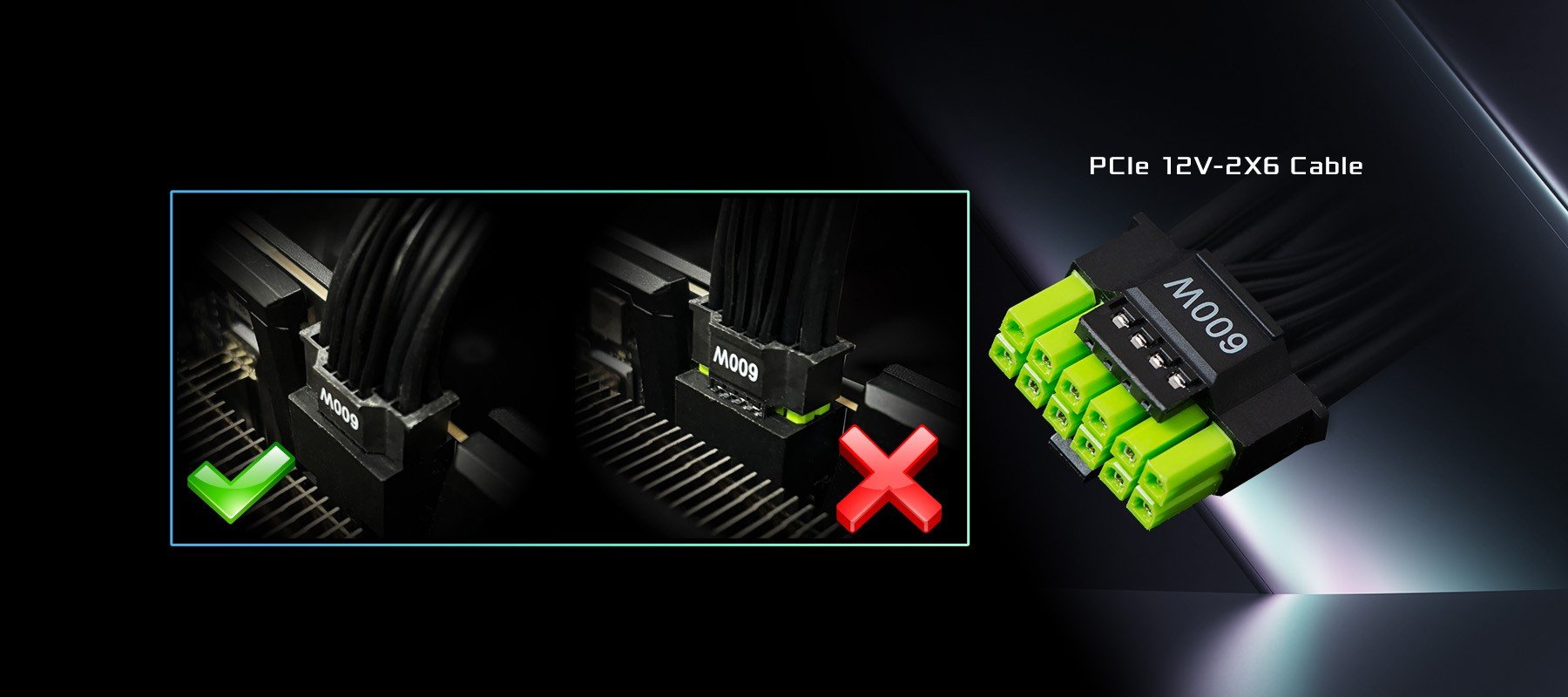
With ASRock Classic Green connectors, users can easily see if the connector has been plugged properly.
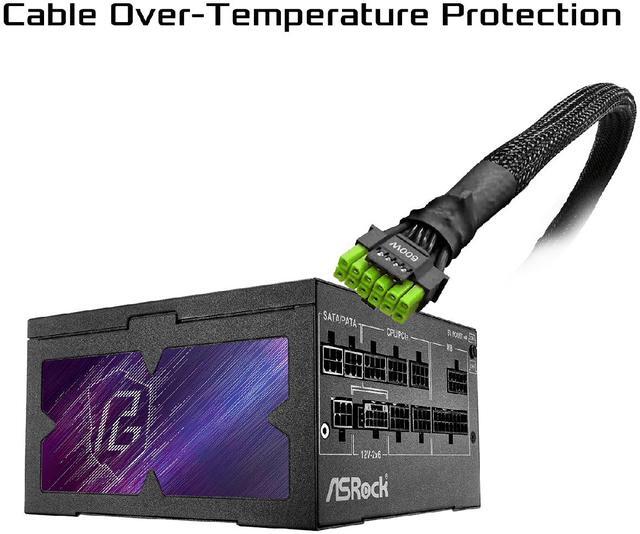
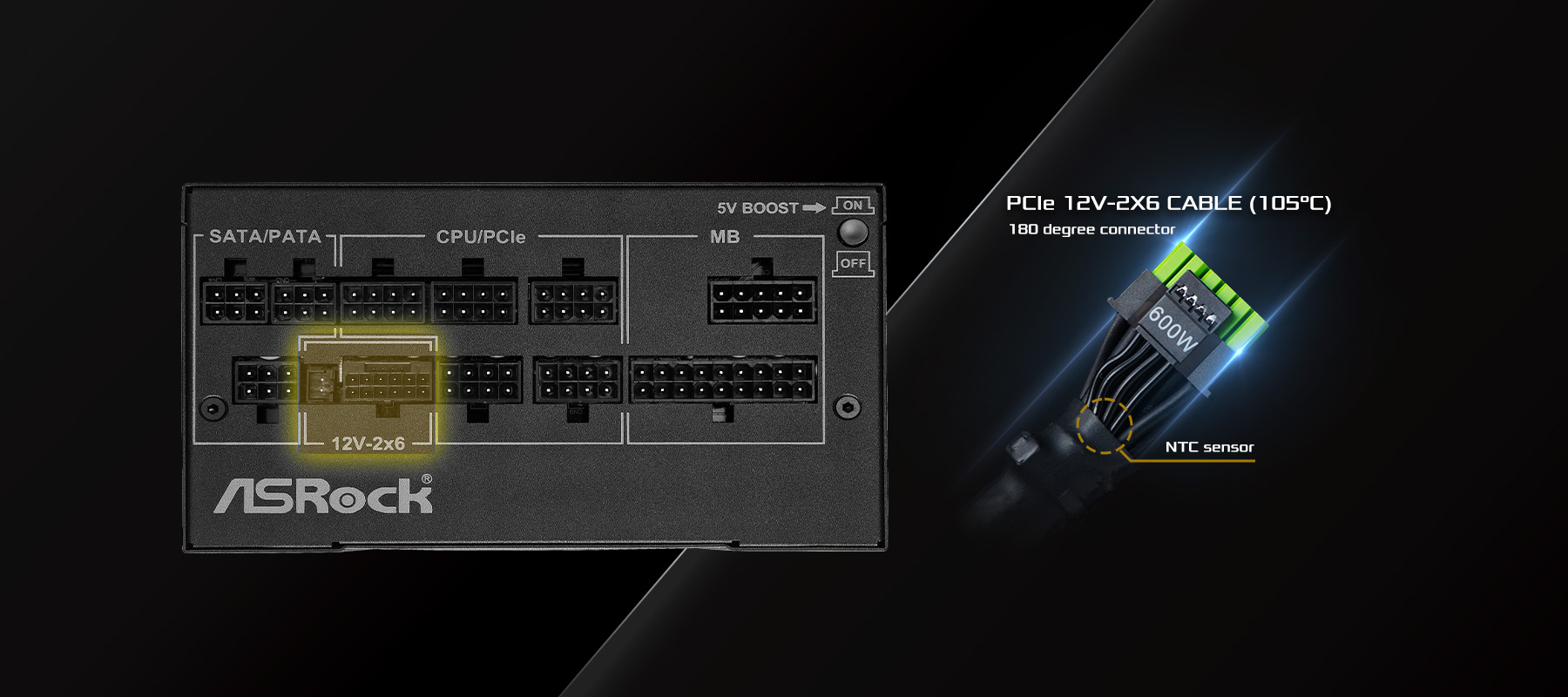
The NTC sensor at the VGA connector monitors the temperature and sends signal the PSU to ensure safe operation.
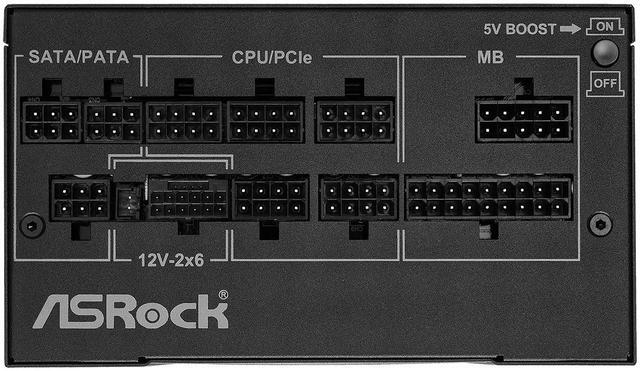
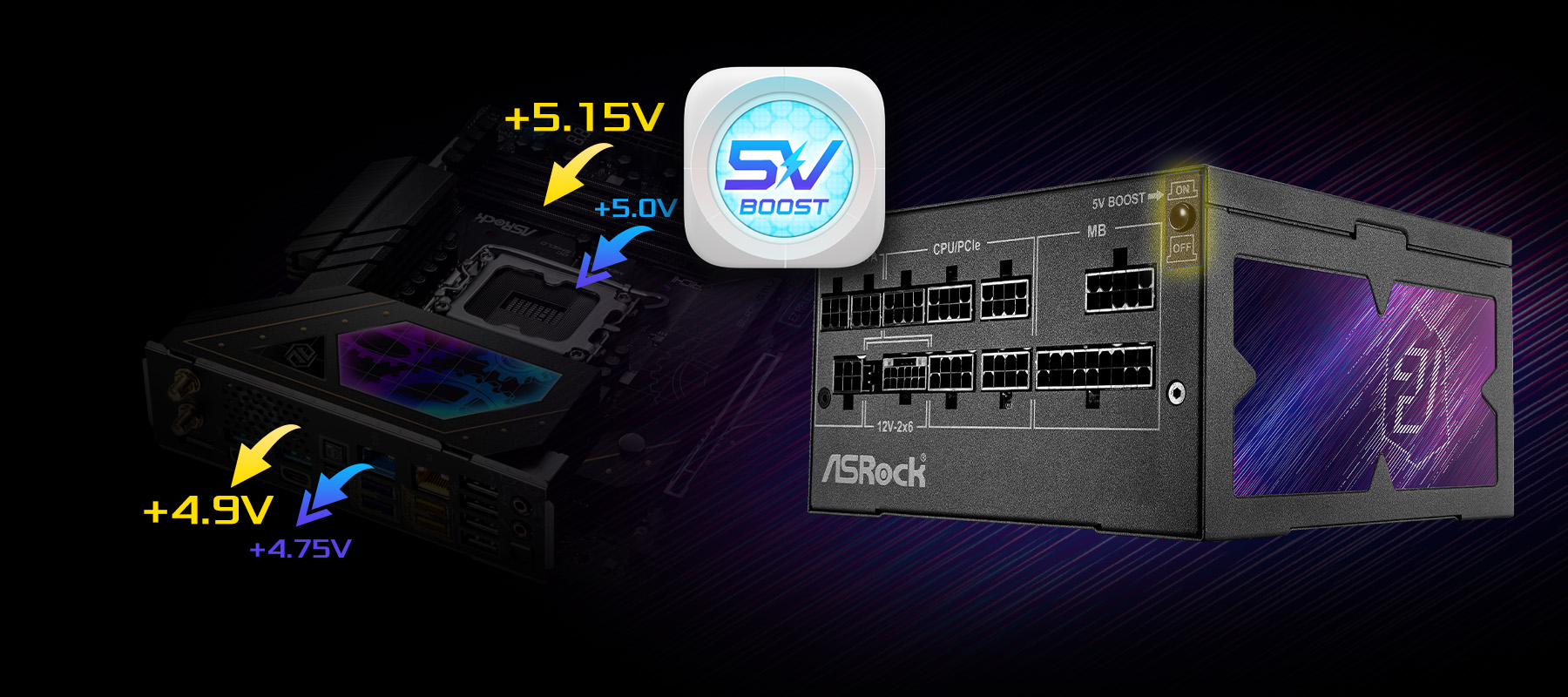
When this switch is enabled, it boosts the +5V voltage to maintain optimal performance.
If no voltage drop occurs, the PSU will regulate the +5V rail to approximately +5.15V, ensuring consistent power delivery.
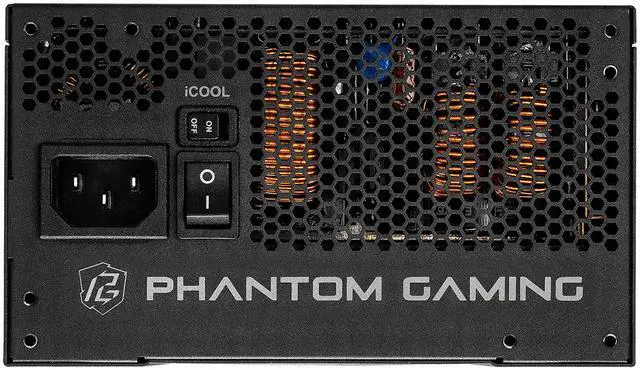
iCOOL Mode ON: The power supply runs more efficiently. The fan stays off during low to medium loads, reducing noise and improving energy efficiency. The fan only activates when the load or temperature increases.
iCOOL Mode OFF: The fan runs continuously, regardless of load. This may increase noise slightly but provides consistent cooling and better performance under heavy loads.
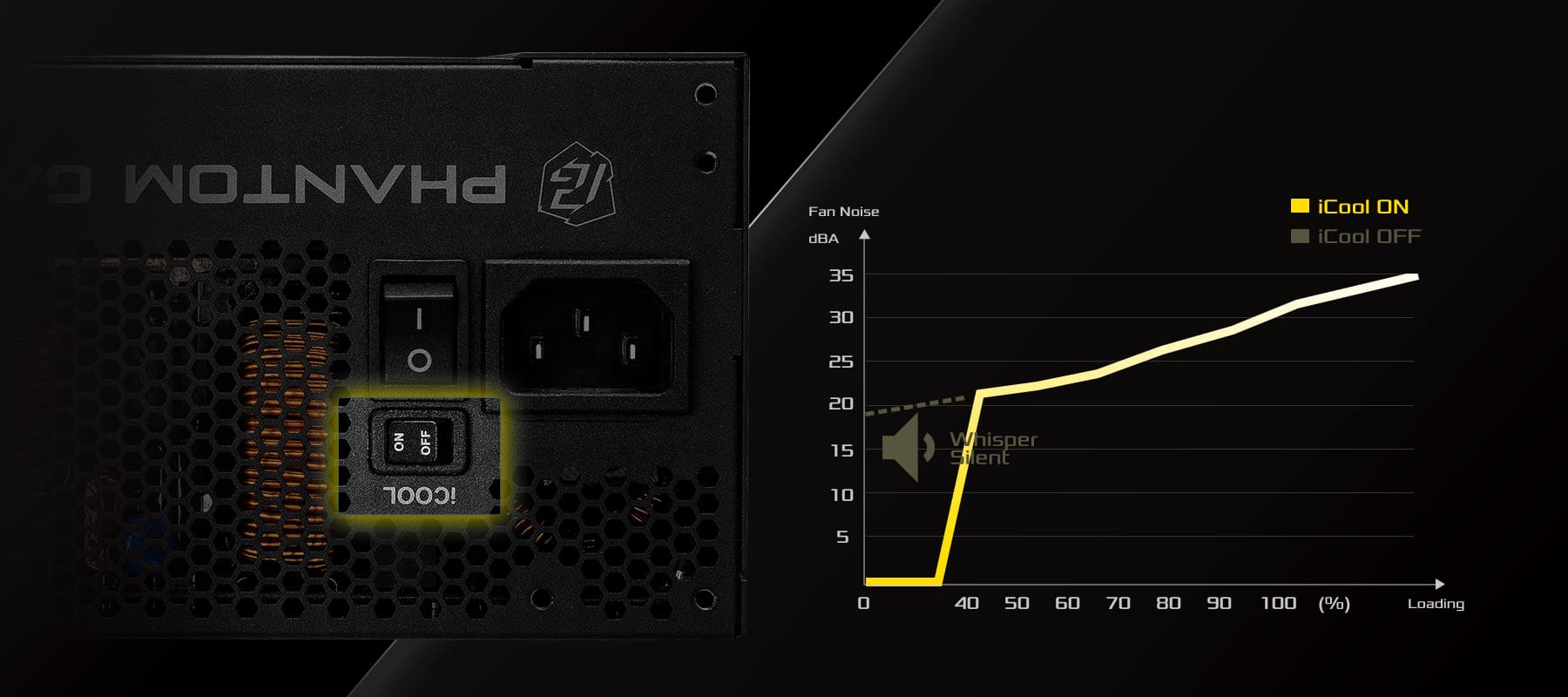
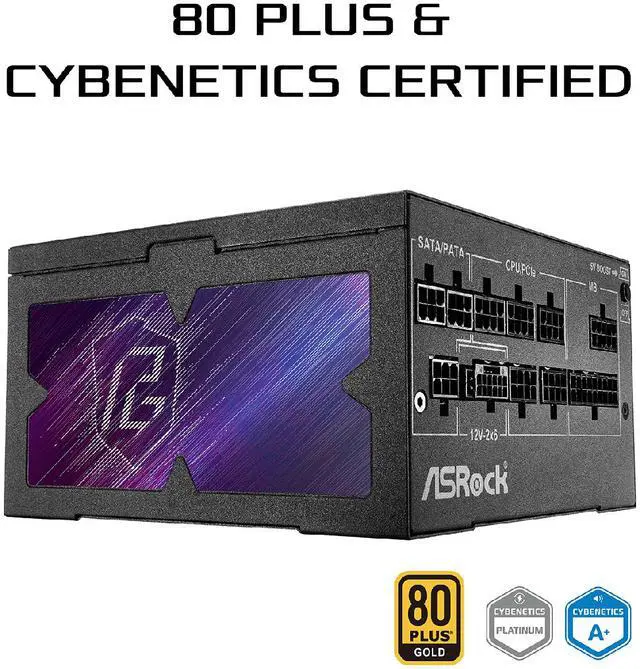
Designed for gaming enthusiasts, the Phantom Gaming series power supply unit with 80 PLUS Gold efficiency certification and Cybenetics Platinum & Gold ratings, along with LAMBDA A acoustic certification, it guarantees superior energy efficiency and low noise operation.
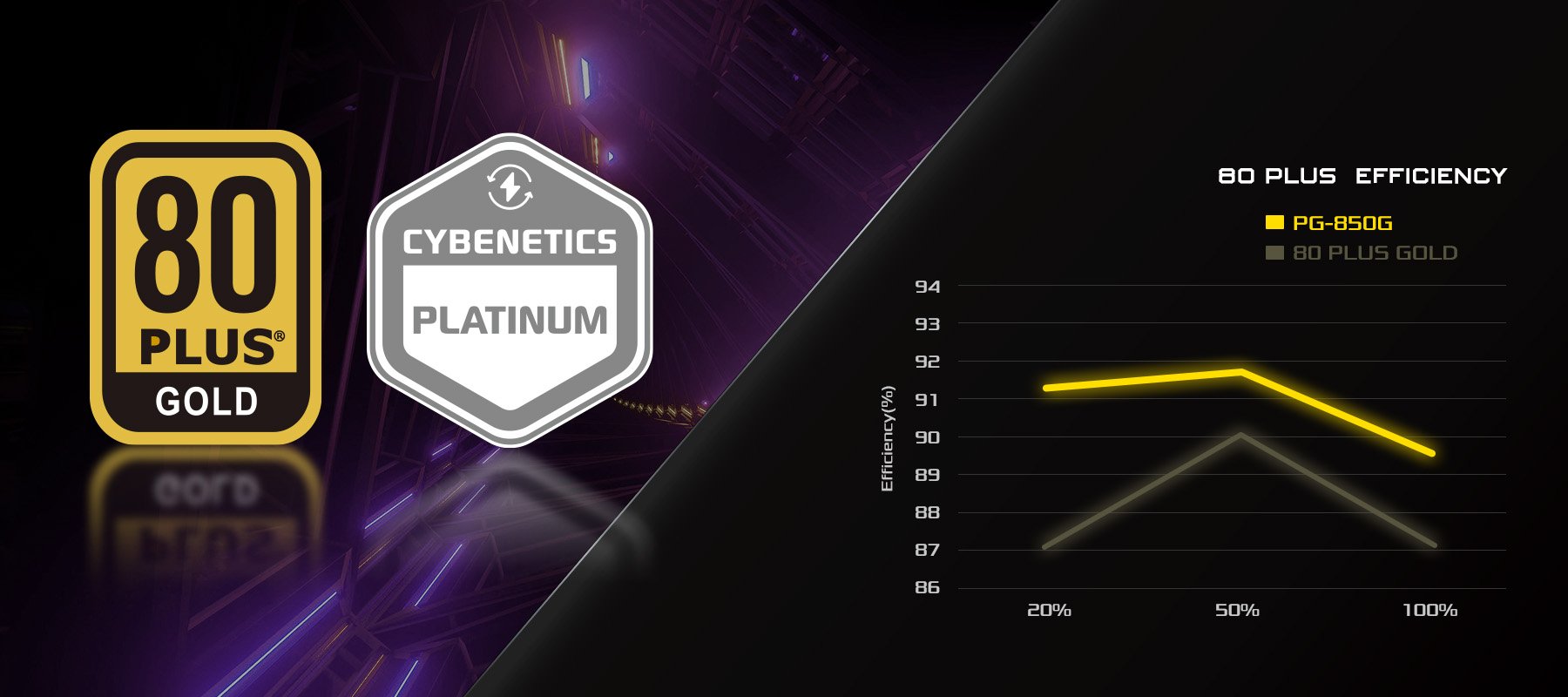
The Phantom Gaming series power earning the prestigious Cybenetics Lambda A+ certification. This recognition underscores the Phantom Gaming series' outstanding noise control performance, making it an exceptional choice for users seeking ultra-quiet operation.

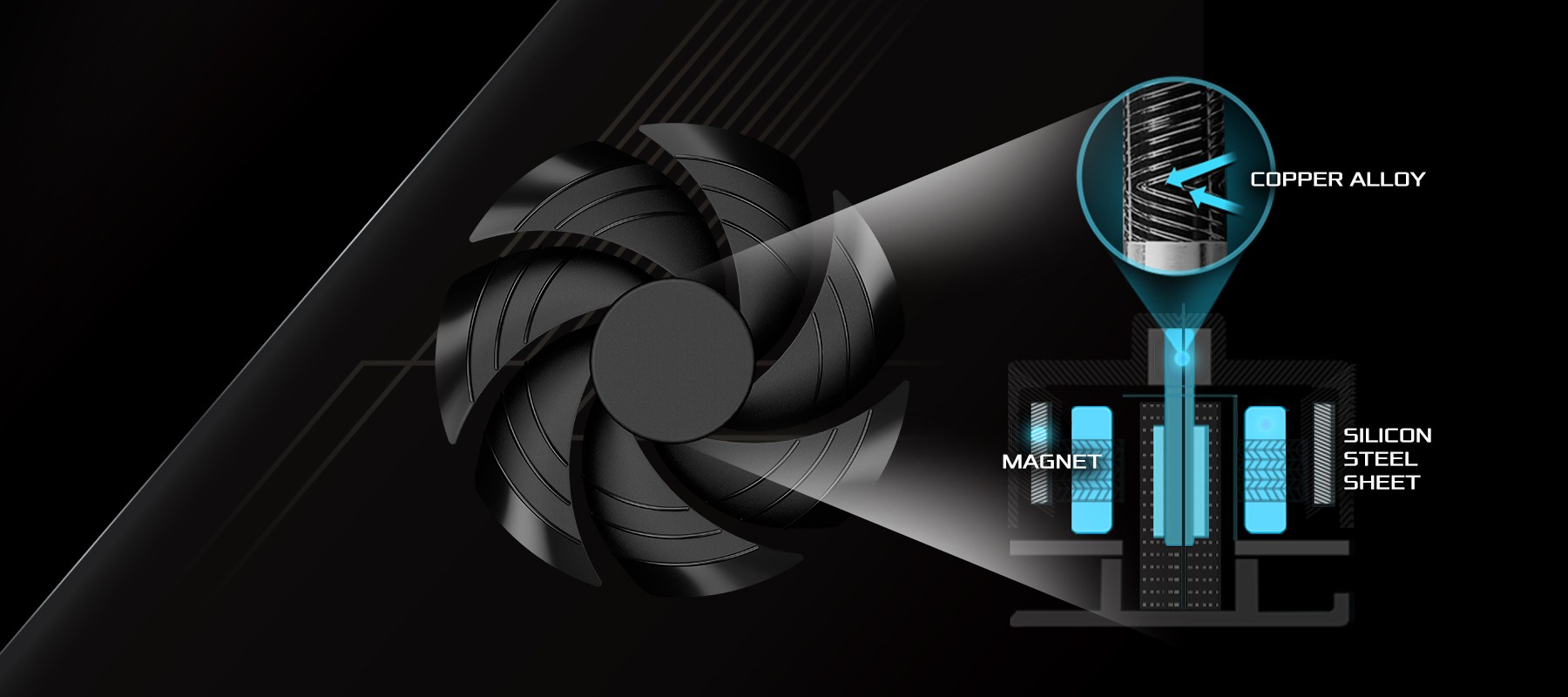
The fluid seal design and the herringbone structure provides an extremely long lifespan and noise minimization.
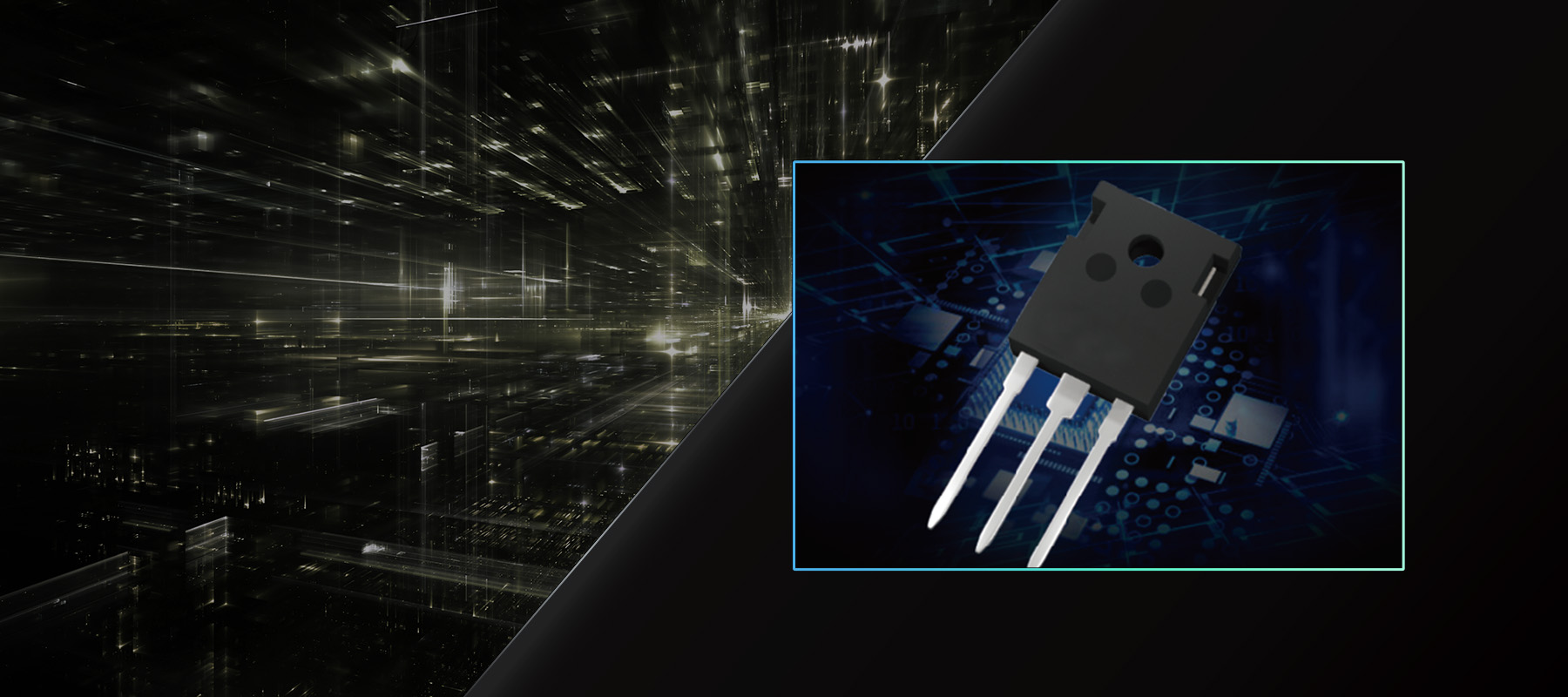
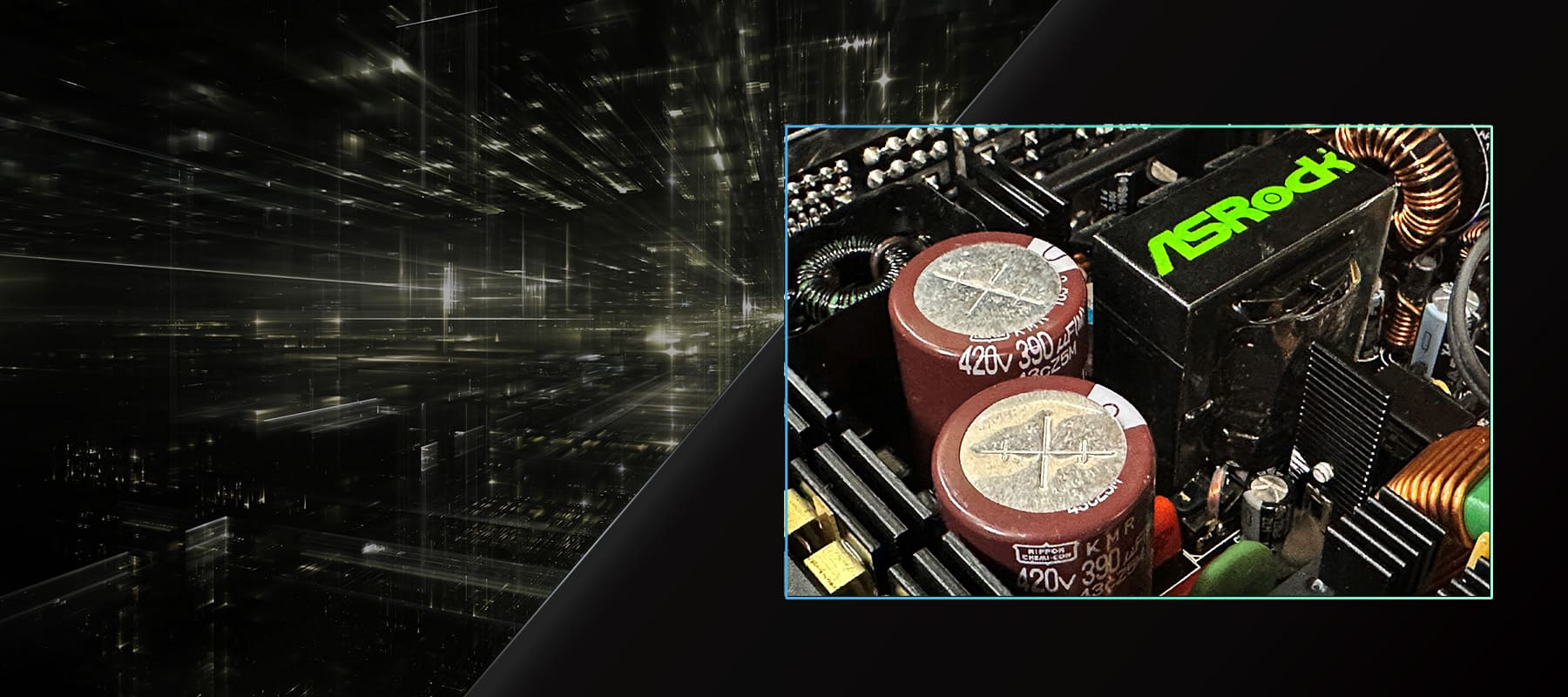
The industrial-leading components deliver high efficiency and reliability.
105 °C Japanese-made Capacitor and Solid Capacitor, makes prolonged life span possible.
Full suite of protections to keep all components safe during normal to extreme power levels.
ASRock offers an outstanding 10 –Year warranty, guaranteeing long term reliable and peace of mind operation.

We want to ensure your holiday shopping this year is hassle-free. That’s why we’re automatically extending our return policies on almost every product! For purchases placed between November 1st, 2025 and December 31, 2025 you will have until January 31, 2026 to return your product.
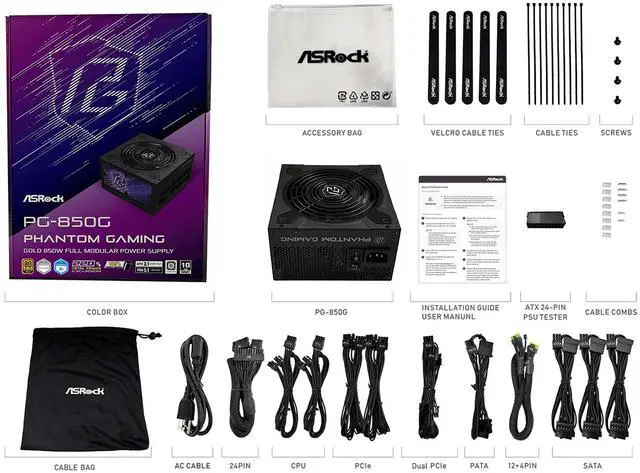
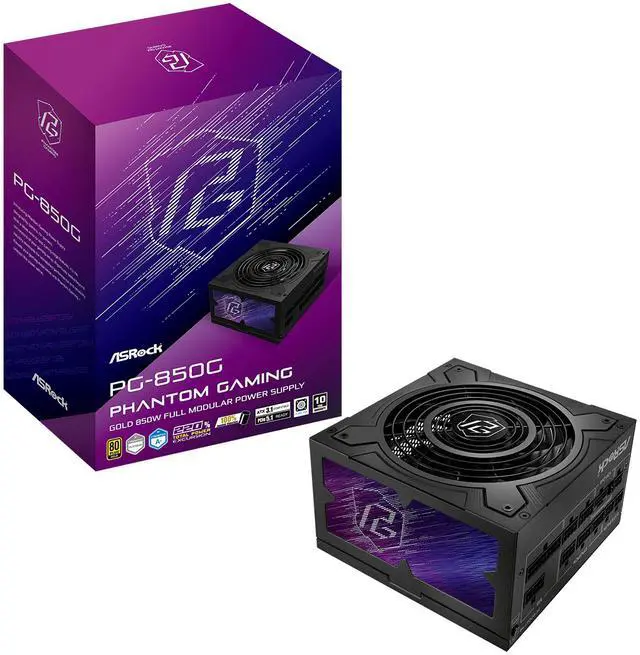
The ASRock Phantom Gaming PG-850G is an 850W fully modular ATX 3.1 and PCIe 5.1 power supply built for modern gaming and performance PCs, especially for users pairing current GPUs with a native 12V-2x6 connection and wanting efficient, long-term power delivery.
| Attribute | Value |
|---|---|
| Best For | 850W ATX3.1 desktop PCs that require PCIe5.1-capable power and multiple 6+2 PCIe connectors |
| Model Identifiers | ASRock PG-850G (Model number 90-UXP085-GFUAAB; style 850G) |
| Capacity | 850W maximum output |
| Certification & Efficiency | Cybenetics Gold efficiency rating |
| Cooling & Acoustic | Air-cooled with a 135mm striped axial FDB fan; Cybenetics A acoustic rating |
| Output And Connectors | Fully modular layout with ATX and PCI Express connectors and four 6+2 pin PCIe connectors |
| Electrical Input | Input voltage range 110–240 VAC; listed current rating 850 Amps |
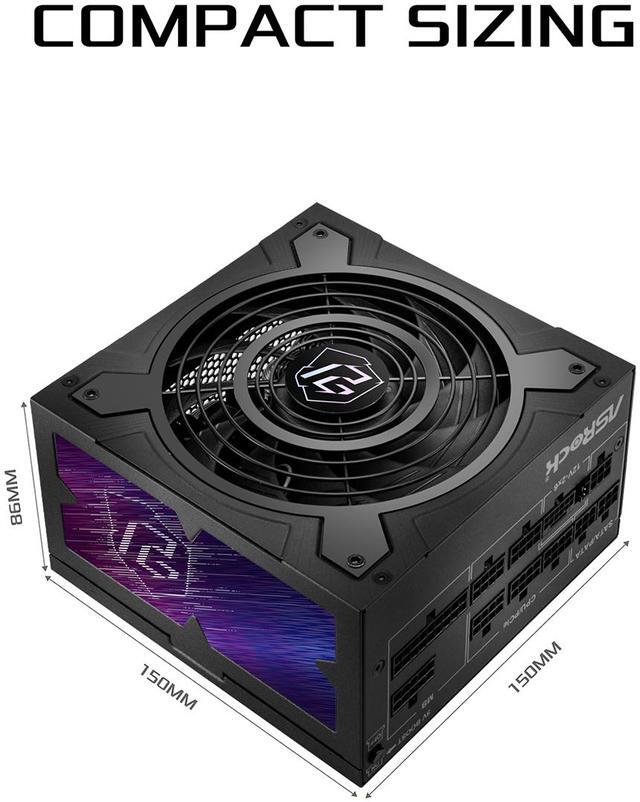
| Physical & Package | Chassis dimensions 15 x 15 x 8.6 cm, item weight 7.8 lb; package weight 3.538 kg and package dimensions 13.208 x 24.7904 x 31.5976 cm; color black |
| Reliability | >100,000 hours MTBF |
Q: Should I buy the ASRock PG-850G or a 750W ATX 3.1 PSU?
A: Choose the ASRock PG-850G if you want more headroom for modern GPUs, quieter operation under load, or a longer upgrade path. An 850W ATX 3.1 unit is the more common recommendation for upper-midrange to high-end gaming builds, especially when transient GPU power spikes are a concern. A 750W model is still a sensible fit for more power-efficient systems, but the PG-850G makes more sense if you want to avoid replacing the PSU on your next GPU upgrade.
Q: Is the ASRock PG-850G a better buy than an older ATX 2.x 850W PSU?
A: Yes, the PG-850G is the better choice for a new build if you want native support for current GPUs and current PSU standards. Its ATX 3.1 and PCIe 5.1 positioning, plus the native 12V-2x6 cable, reduce the need for adapters and align better with modern graphics card power behavior. An older 850W Gold PSU can still be adequate for existing systems, but the PG-850G is the more future-ready option when you are building around newer NVIDIA or similarly power-spiky hardware.
Q: ASRock PG-850G vs Corsair RM850x Shift: which one should I choose?
A: Choose the ASRock PG-850G if you want a conventional full-size ATX layout with current ATX 3.1 and PCIe 5.1 support, a native 12V-2x6 cable, and broad case compatibility. Choose the Corsair RM850x Shift if your case specifically supports side-mounted modular connectors and your priority is cable-routing convenience. In practice, this comparison is less about wattage and more about fitment: the ASRock is the safer pick for standard PSU layouts, while the Corsair is the more specialized choice for compatible cases.
Q: Should I step up from the ASRock PG-850G to a 1000W PSU?
A: Move up to 1000W if you are pairing the system with a top-tier GPU, planning sustained heavy rendering or overclocking, or want extra margin for future upgrades. Stay with the PG-850G if your build is centered on a mainstream to upper-midrange gaming CPU and a single high-performance GPU that still fits comfortably within 850W guidance. For many gaming builds, 850W remains the practical balance between capacity, efficiency, and cost; 1000W is mainly a headroom decision.
Q: Should I choose the ASRock PG-850G or a cheaper Bronze-rated ATX 3.1 850W PSU?
A: Choose the PG-850G if you want a more premium 850W class feature set, including Gold efficiency positioning, full modular cabling, Japanese capacitors, and a 10-year warranty. A cheaper Bronze ATX 3.1 unit can still be a valid budget choice if your priority is simply getting modern connector support at the lowest cost. The trade-off is that the PG-850G is better suited to buyers who care about longer-term ownership, cleaner cabling, and a more refined overall spec profile rather than lowest upfront price.
Q: Is the ASRock PG-850G a good fit for a modern gaming PC with an RTX 40 or newer PCIe 5.x graphics card?
A: Yes. It is a strong fit for a modern mid-to-high-end gaming build because it is an 850W ATX 3.1 power supply with a native 12V-2x6 cable, full modular cabling, and support for PCIe 5.1-era GPUs. That makes it more suitable for current high-power graphics cards than older ATX 2.x PSUs that rely on adapters. It is best for users building a current gaming PC who want native next-gen GPU power support and cleaner cable management.
Q: Is this power supply fully modular, and does that matter for most builders?
A: Yes. The PG-850G is fully modular, which is useful for most builders because you only connect the cables you need. That usually makes cable routing easier, reduces clutter, and can improve case airflow compared with non-modular or semi-modular designs. It is especially useful in tempered-glass builds or cases with limited cable space.
Q: Is the ASRock PG-850G a quiet PSU for everyday gaming and office use?
A: It should be a good choice for users who care about lower noise, especially at typical everyday loads. The product lists a 135mm FDB fan, intelligent fan control, and Cybenetics Lambda acoustic certification, which are all signals that it is designed for quieter operation. The trade-off is that buyers who want the absolute lowest possible noise under sustained heavy loads may still compare it against premium quiet-focused alternatives from brands with longer retail track records in PSUs.
Q: Who is the ASRock PG-850G best suited for?
A: It is best suited for mainstream to enthusiast desktop builders who want one PSU that covers current gaming hardware and leaves room for future GPU upgrades. Its feature set fits users who value native 12V-2x6 support, full modular cabling, Japanese capacitors, and a long 10-year warranty. It is less ideal for budget-first builds where a lower-cost bronze or older-standard PSU would be acceptable.
Q: What are the main trade-offs versus a cheaper 850W Gold PSU?
A: The main advantage of the PG-850G over a cheaper 850W Gold PSU is newer-platform readiness: ATX 3.1 support, a native 12V-2x6 cable, full modular design, and stronger noise-and-component positioning. The trade-off is price. If you are building with an older GPU or a tighter budget, a cheaper semi-modular or older ATX model can still work. If you want better cable cleanliness, newer GPU compatibility, and longer-term platform relevance, the PG-850G is the safer choice.
Q: Is the ASRock Phantom Gaming PG-850G a good fit for a modern gaming PC with an RTX 40 or RTX 50 series GPU?
A: Yes for most single-GPU gaming builds. The PG-850G is an 850W ATX 3.1, PCIe 5.1-ready, fully modular PSU with a native 12V-2x6 cable, so it matches the main requirement users discuss for newer high-power GPUs without needing an adapter. It is most suitable for upper-midrange to high-end gaming PCs that want current PSU standards and cleaner cabling.
Q: What are the main reasons to choose the PG-850G over a standard older ATX 2.x PSU?
A: The main reasons are native support for newer GPUs, a fully modular design, and newer power-supply standards. Compared with an older ATX 2.x unit, the PG-850G reduces dependence on adapter cables and is a more direct replacement for builders moving to ATX 3.1 and 12V-2x6 hardware. Its value is stronger if your next build uses a modern graphics card; it is less compelling if your current system does not need those newer connections.
Q: Who is the PG-850G best suited for?
A: It is best suited for builders who want an 850W PSU for a mainstream-to-high-end desktop, especially gaming systems using newer GPUs and standard ATX cases. It also fits buyers who care about fully modular cabling, long warranty coverage, and Japanese capacitors. It is less ideal for very small-form-factor builds, since community comparisons often place it against SFX alternatives when compact size is the priority.
Q: What are the main trade-offs or concerns buyers mention before choosing the PG-850G?
A: The main trade-off is confidence versus track record. The feature set is current and strong on paper, but some community discussions raise caution because ASRock is newer in the PSU category than long-established power-supply brands. That does not make the PG-850G a poor choice, but buyers who prioritize a long brand history over newer features may still compare it closely with better-known PSU lines.
Q: Should reliability concerns stop most buyers from choosing the PG-850G?
A: Not necessarily, but they are worth weighing. Community discussion shows both interest in the PSU's newer cable safety features and some caution around diagnosing shutdown issues, which means buyers should treat it like any other modern high-power PSU: install cables carefully, make sure the 12V-2x6 connection is fully seated, and buy it if its specifications match your build rather than assuming it is automatically better than every established alternative.


