

Your Browsing History

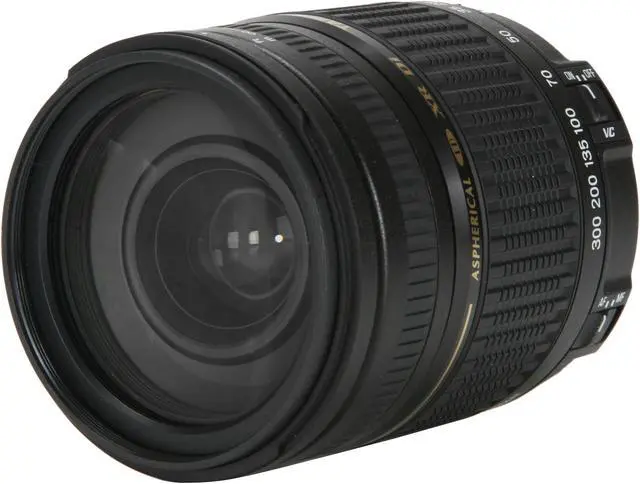
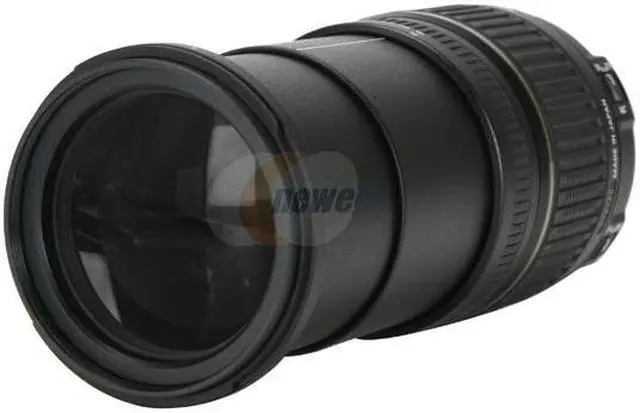
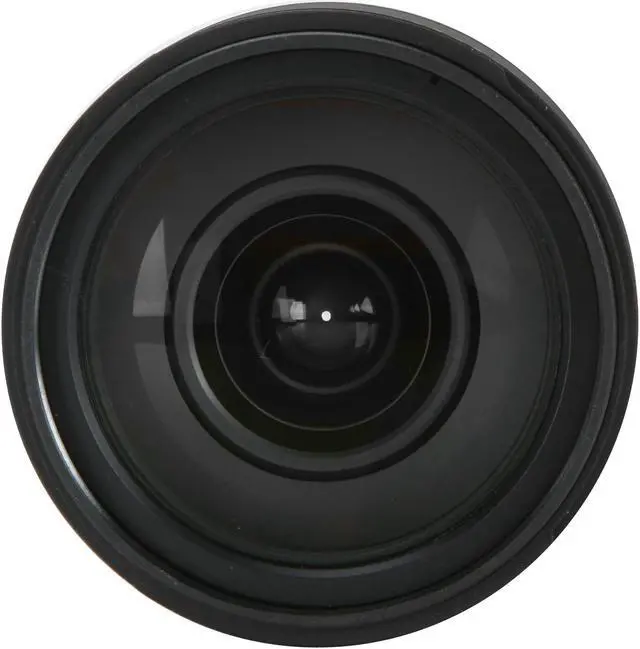
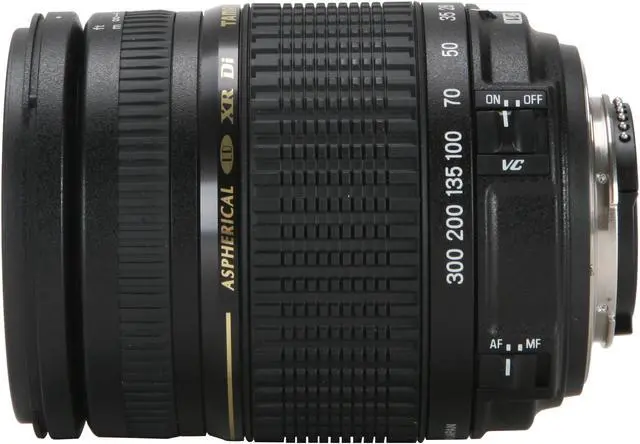
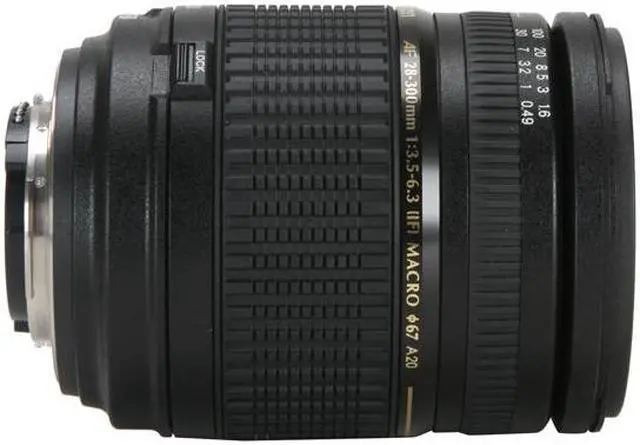
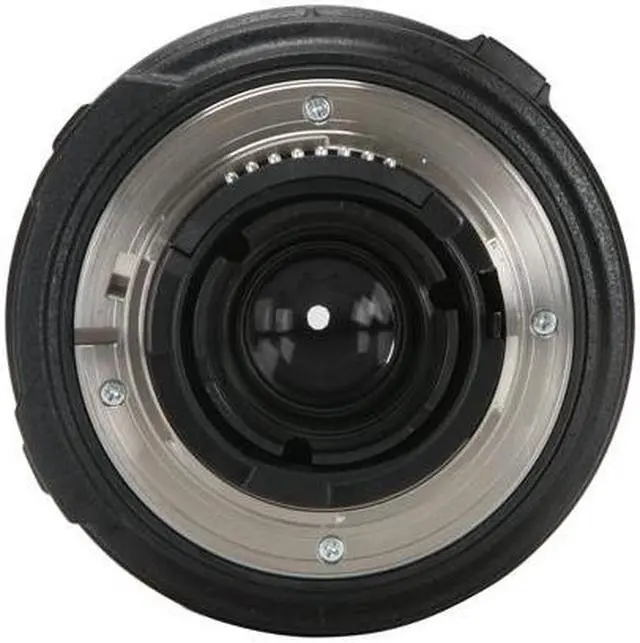
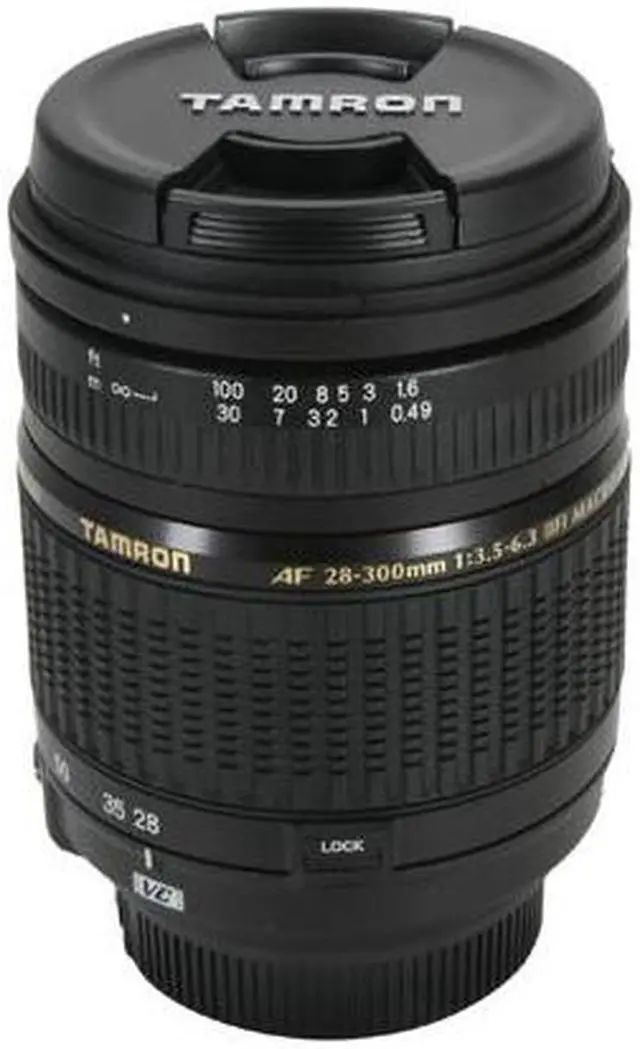
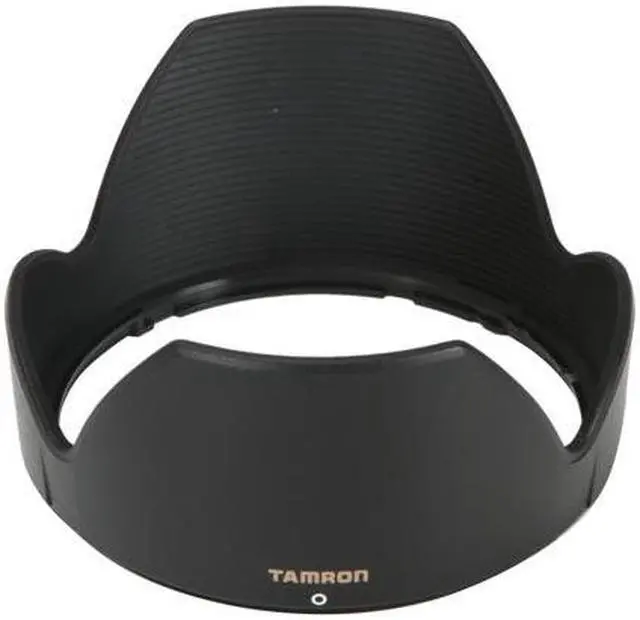
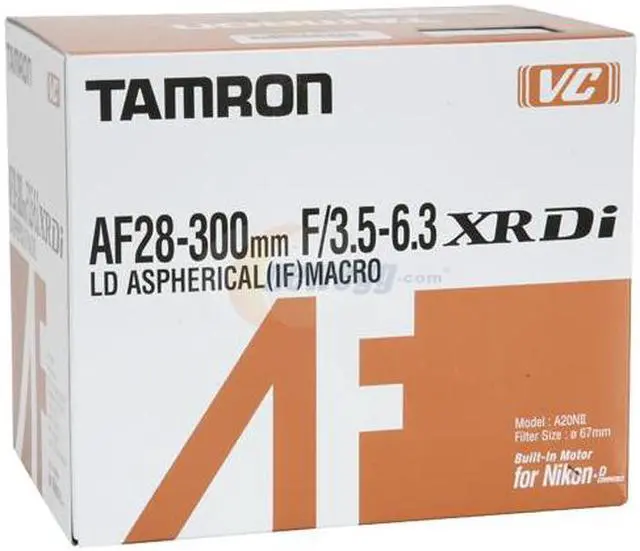


TAMRON AF 28-300mm F/3.5-6.3 XR Di VC LD Aspherical (IF) Macro Autofocus Lens for Nikon
- VC (Vibration Compensation) Mechanism Reduces Hand-shake
- Ultra Telephoto Capability to 465mm*
- *when converted to 35mm format
- Remarkably Compact (just 15.4oz; less than 4" long)actness
Overview
Specs
Reviews (5)

Any questions? Our AI mode will help you find out quickly.
Try me now
Unleash the picture power of your digital SLR with this remarkable, compact and lightweight all-in-one zoom lens. Covering an impressive 10.7X, wide-to-long-telephoto zoom range on both full-frame and APS-C format digital SLRs, it gets down to an incredible 0.49m (19.3") at 300mm in Macro mode for dramatic frame-filling close-ups. And to optimize its outstanding real-world image quality, the lens has been built with Tamron’s high-tech, state-of-the-art VC (Vibration Compensation) system.
The cutting-edge 18-element 13-group design of the 28-300mm VC lens incorporates XR (extra refractive-index), LD (low dispersion) and AD (anomalous dispersion) glass as well as hybrid and GM (glass molded) aspherical elements to deliver exquisite sharpness and color correction over its extended range. The esteemed Di (Digitally Integrated) designation is your assurance of optimum digital and analog imaging performance. Capturing razor sharp handheld images just got a whole lot easier and better.
Unleash the picture power of your digital SLR with this remarkable, compact and lightweight all-in-one zoom lens. Covering an impressive 10.7X, wide-to-long-telephoto zoom range on both full-frame and APS-C format digital SLRs, it gets down to an incredible 0.49m (19.3") at 300mm in Macro mode for dramatic frame-filling close-ups. And to optimize its outstanding real-world image quality, the lens has been built with Tamron’s high-tech, state-of-the-art VC (Vibration Compensation) system.
The cutting-edge 18-element 13-group design of the 28-300mm VC lens incorporates XR (extra refractive-index), LD (low dispersion) and AD (anomalous dispersion) glass as well as hybrid and GM (glass molded) aspherical elements to deliver exquisite sharpness and color correction over its extended range. The esteemed Di (Digitally Integrated) designation is your assurance of optimum digital and analog imaging performance. Capturing razor sharp handheld images just got a whole lot easier and better.
The cutting-edge 18-element 13-group design of the 28-300mm VC lens incorporates XR (extra refractive-index), LD (low dispersion) and AD (anomalous dispersion) glass as well as hybrid and GM (glass molded) aspherical elements to deliver exquisite sharpness and color correction over its extended range. The esteemed Di (Digitally Integrated) designation is your assurance of optimum digital and analog imaging performance. Capturing razor sharp handheld images just got a whole lot easier and better.
 Vibration Compensation - In-Lens Image Stabilization SystemTamron’s state-of-the-art VC system uses a tri-axial configuration that employs three pairs of driving coils and low-function ball bearings placed around the shake-compensating optical group to produce, in effect, a free-floating shake compensator. This simple, elegant system is able to compensate for camera shake that occurs in diagonal direction as well as for up-and-down and side-to-side movements, delivering top-notch performance in practically any shooting situation.
 Internal Focusing (IF) SystemInternal focusing (IF) provides numerous practical benefits to photographers including a non-rotating front filter ring that facilitates the positioning of polarizing and graduated filters, and more predictable handling because the lens length does not change during focusing. Even more important, Tamron’s Internal Focusing (IF) system provides a much closer minimum focusing distance (MFD) throughout its entire focusing range. In addition, IF improves optical performance by minimizing illumination loss at the corners of the image field, and helps to suppress other aberrations that become more troublesome at different focusing positions.
 Aspherical ElementsThe optical system within this lens uses one glass-molded aspherical lens and two hybrid aspherical lenses to minimize spherical aberrations, coma, and distortion, delivering a remarkably compact lens with a uniformly high level of image quality at all focal lengths and apertures.
 Low Dispersion (LD) Glass ElementsThe Tamron AF28-300mm F/3.5-6.3 XR Di VC (Vibration Compensation) LD Aspherical (IF) Macro lens adopts two Low Dispersion (LD) glass elements to help reduce chromatic aberration for superior edge-to-edge sharpness throughout the zoom range.
 Extra Refractive Index Glass for Excellent PortabilityExcellent portability and ease of use are assured with the compact, lightweight “XR” design. One XR (Extra Refractive Index) glass element that can bend light rays at steeper angles is employed to decrease the physical length of the lens and enhance imaging performance by minimizing optical aberrations.
 Digitally Integrated (Di) Lens for Top Imaging PerformanceDi (Digitally Integrated Design) is a Tamron designation that applies to lenses that have been optimized for digital capture using advanced multi-coating techniques and optical designs that assure excellent image quality across the entire picture field. Because of these characteristics, Di lenses provide outstanding performance on cameras with full-frame and APS-C format sensors as well as on 35mm film.
 Vibration Compensation - In-Lens Image Stabilization SystemTamron’s state-of-the-art VC system uses a tri-axial configuration that employs three pairs of driving coils and low-function ball bearings placed around the shake-compensating optical group to produce, in effect, a free-floating shake compensator. This simple, elegant system is able to compensate for camera shake that occurs in diagonal direction as well as for up-and-down and side-to-side movements, delivering top-notch performance in practically any shooting situation.
 Internal Focusing (IF) SystemInternal focusing (IF) provides numerous practical benefits to photographers including a non-rotating front filter ring that facilitates the positioning of polarizing and graduated filters, and more predictable handling because the lens length does not change during focusing. Even more important, Tamron’s Internal Focusing (IF) system provides a much closer minimum focusing distance (MFD) throughout its entire focusing range. In addition, IF improves optical performance by minimizing illumination loss at the corners of the image field, and helps to suppress other aberrations that become more troublesome at different focusing positions.
 Aspherical ElementsThe optical system within this lens uses one glass-molded aspherical lens and two hybrid aspherical lenses to minimize spherical aberrations, coma, and distortion, delivering a remarkably compact lens with a uniformly high level of image quality at all focal lengths and apertures.
 Low Dispersion (LD) Glass ElementsThe Tamron AF28-300mm F/3.5-6.3 XR Di VC (Vibration Compensation) LD Aspherical (IF) Macro lens adopts two Low Dispersion (LD) glass elements to help reduce chromatic aberration for superior edge-to-edge sharpness throughout the zoom range.
 Extra Refractive Index Glass for Excellent PortabilityExcellent portability and ease of use are assured with the compact, lightweight “XR” design. One XR (Extra Refractive Index) glass element that can bend light rays at steeper angles is employed to decrease the physical length of the lens and enhance imaging performance by minimizing optical aberrations.
 Digitally Integrated (Di) Lens for Top Imaging PerformanceDi (Digitally Integrated Design) is a Tamron designation that applies to lenses that have been optimized for digital capture using advanced multi-coating techniques and optical designs that assure excellent image quality across the entire picture field. Because of these characteristics, Di lenses provide outstanding performance on cameras with full-frame and APS-C format sensors as well as on 35mm film.
Warranty & Returns
Warranty, Returns, And Additional Information
Return Policies
- Return for refund within: 30 days
- Return for replacement within: 30 days
- This item is covered by Newegg.com's 30-Day Return Policy.
- Read full return policy for details.
Manufacturer Contact Info
- Manufacturer Website
- Support Phone: 1-800-827-8880
- Support Website
- View other products from Tamron
LOADING...
LOADING...