





Can it be used on all skin types?
They are designed for most normal skin types. For sensitive skin, test on a small area first. Stop use if redness, itching, irritation, or discomfort occurs. Do not apply over irritated, infected, or heavily damaged skin.
Are they waterproof and how long can they stay on?
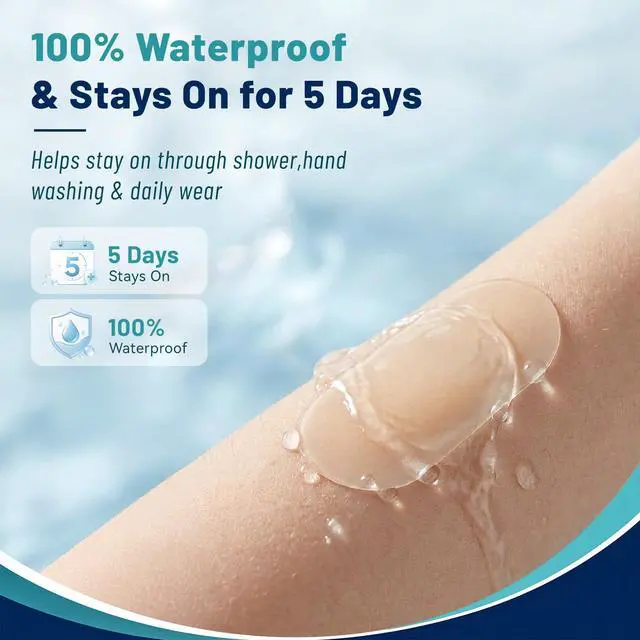
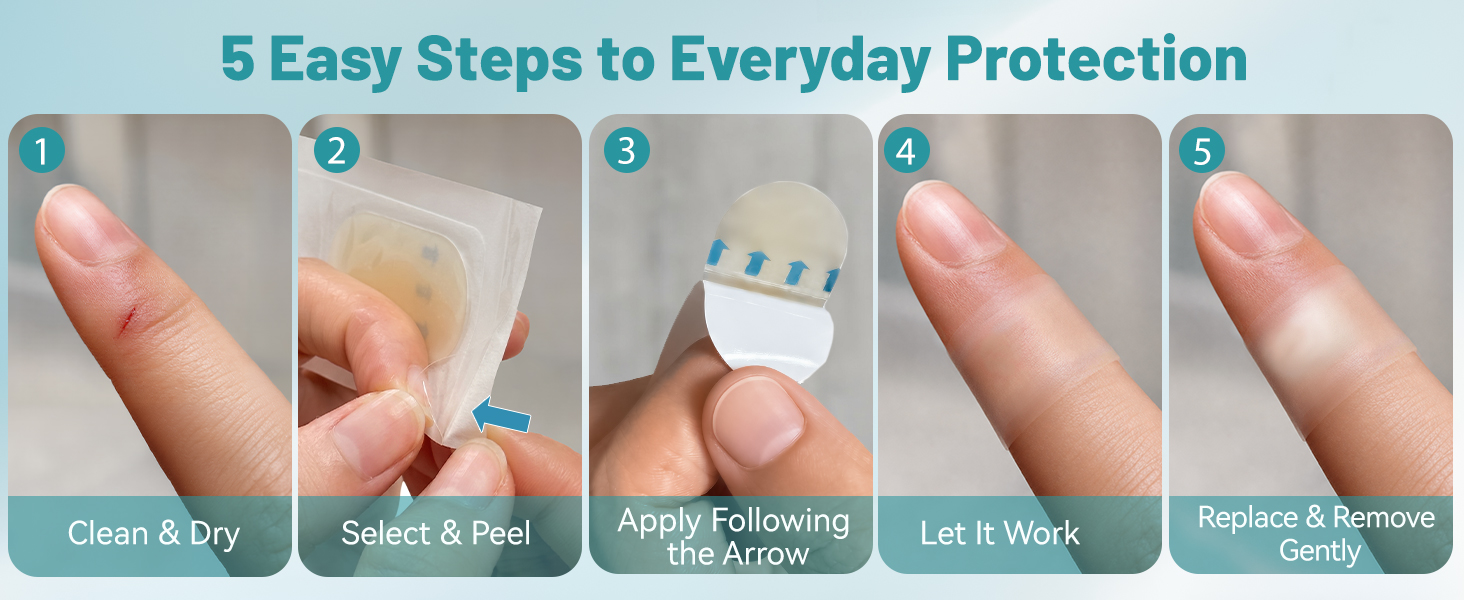
Yes, they are designed with a waterproof outer layer for daily use, such as washing hands, showering, light sweating, and routine movement. One bandage may stay on 5 days depending on placement, activity level, and fluid absorption.
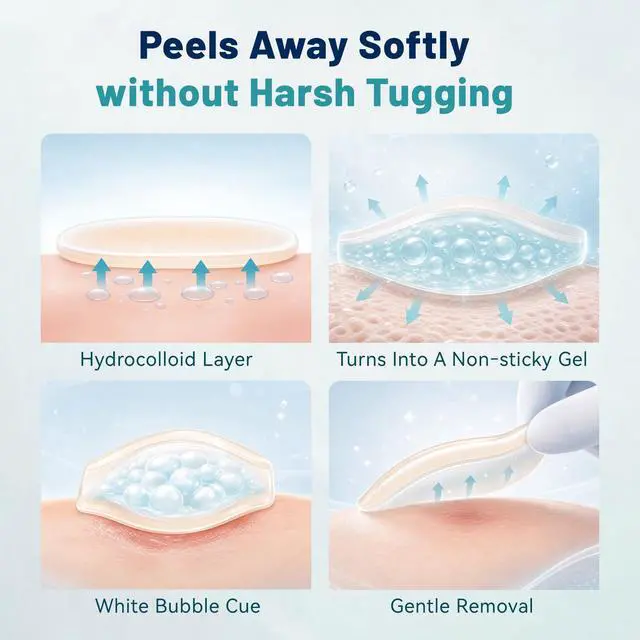
Why does the bandage turn white, and will it hurt to remove?
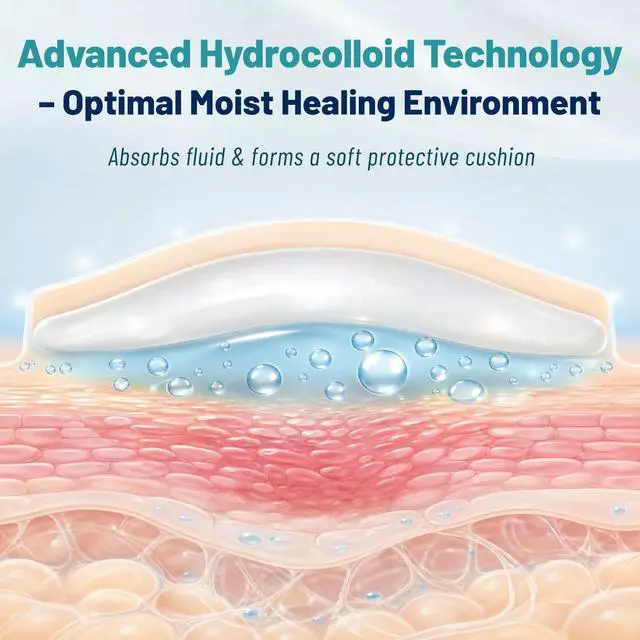
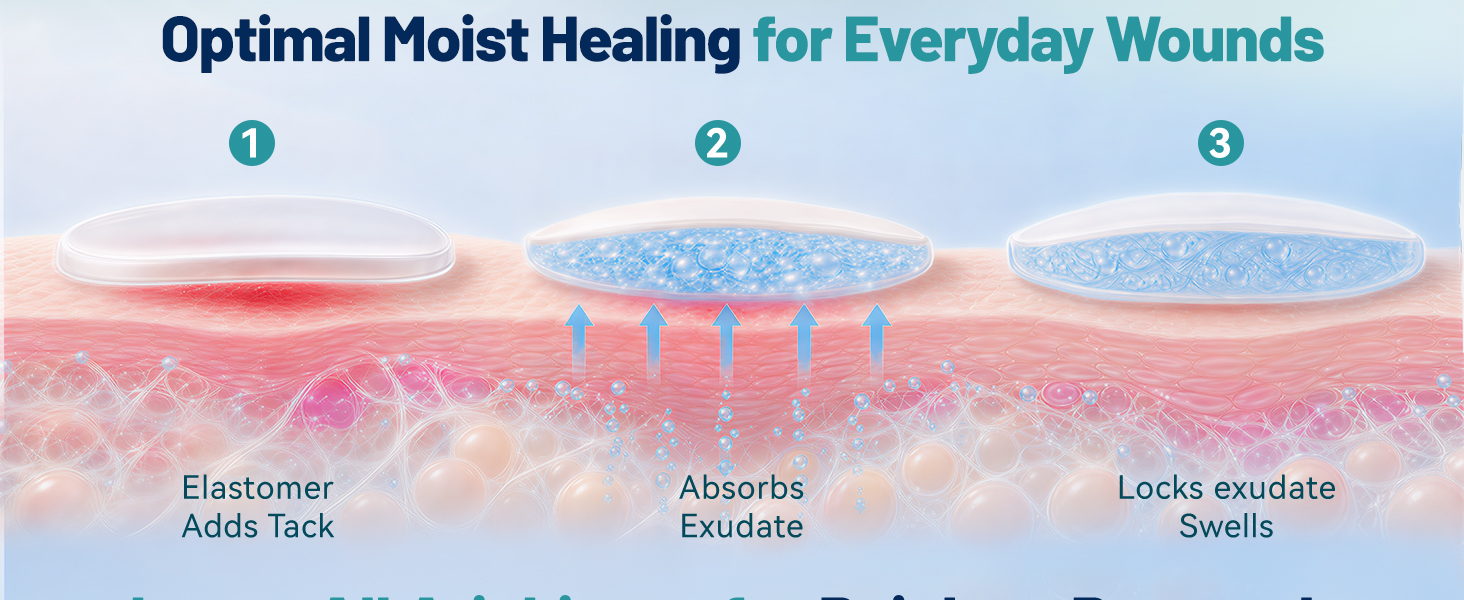
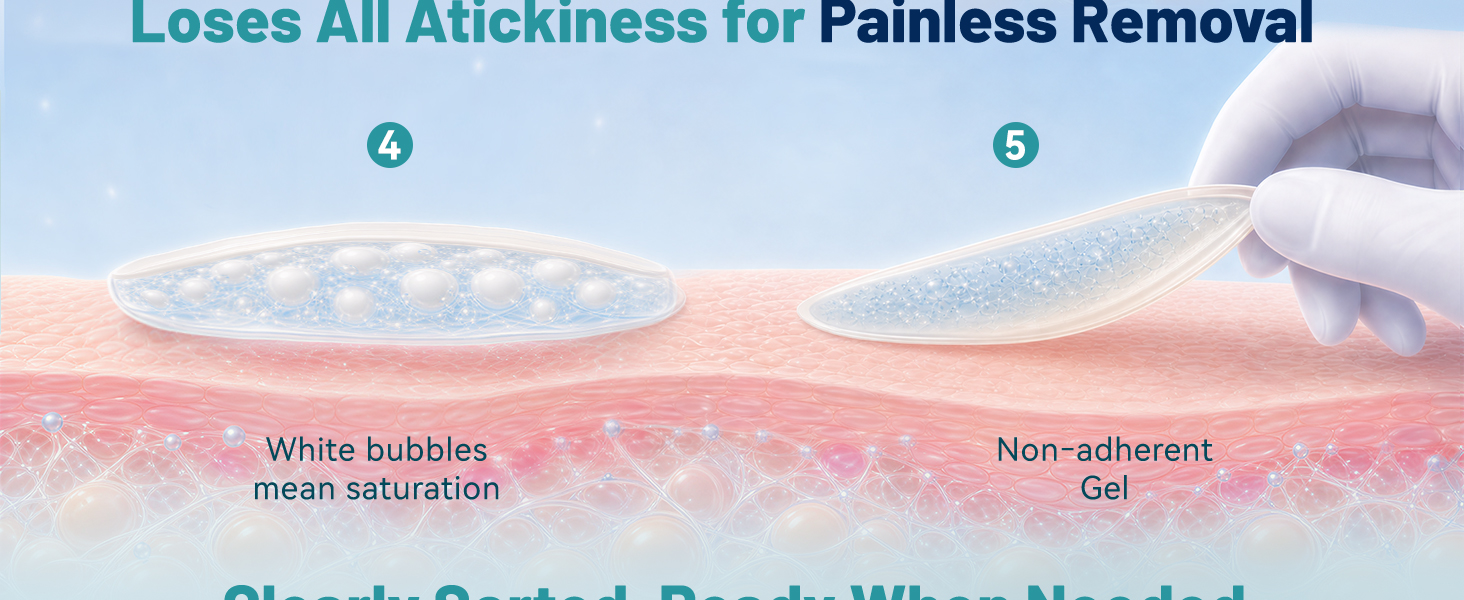
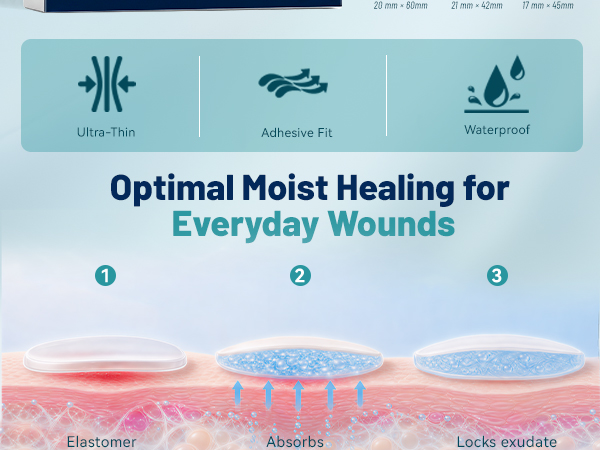
The hydrocolloid layer may turn white as it absorbs light fluid. This is a normal sign that the gel layer is working. To remove, peel slowly from one edge. If needed, moisten the edge with warm water and remove gently.
What types of wounds work best?
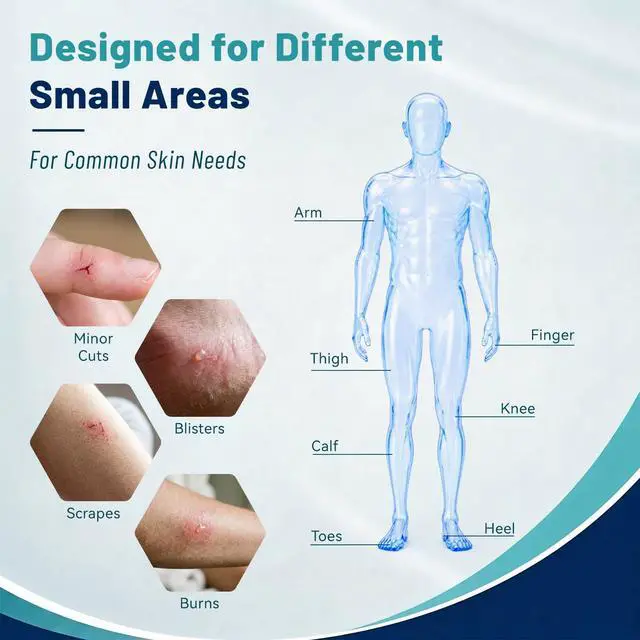
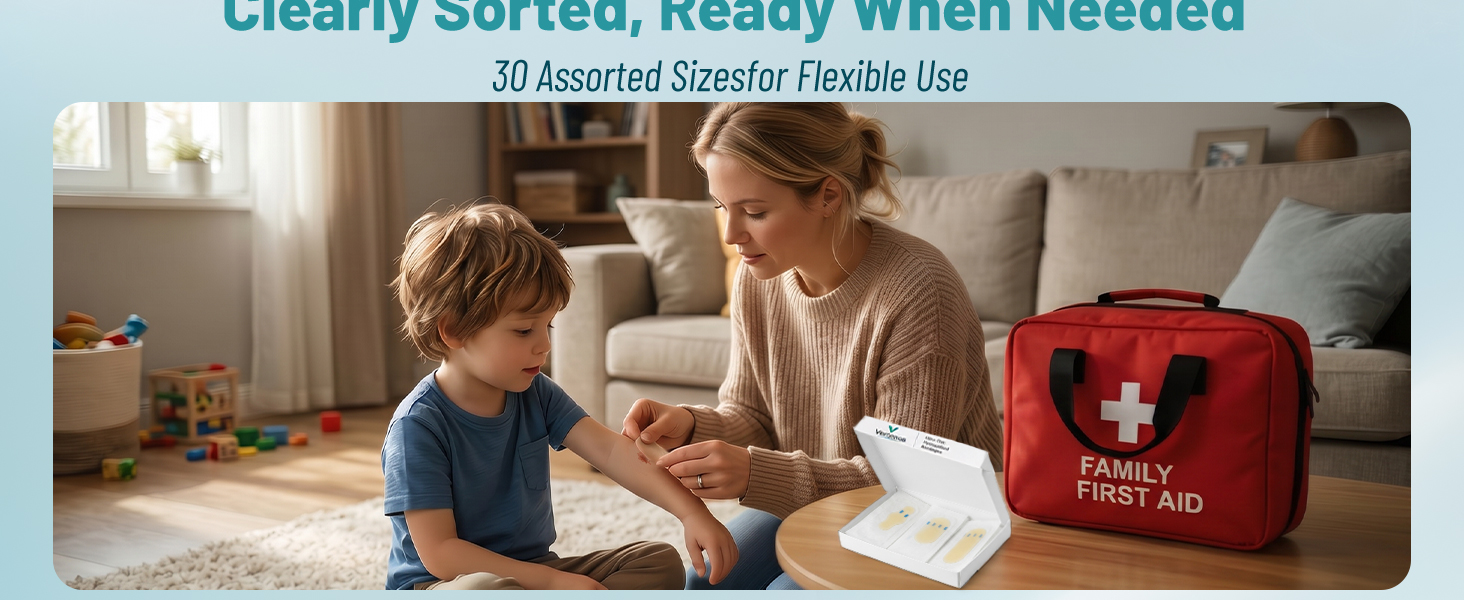
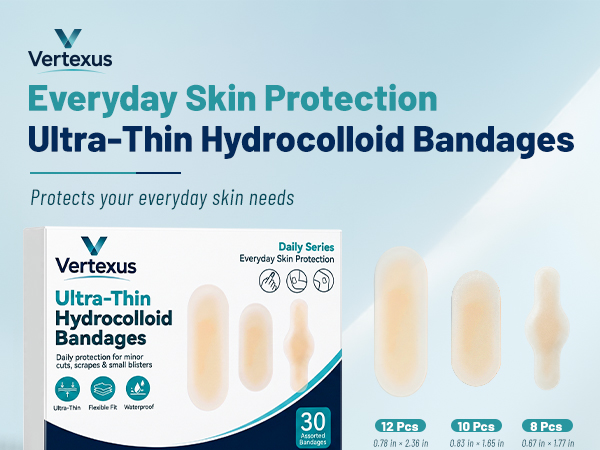
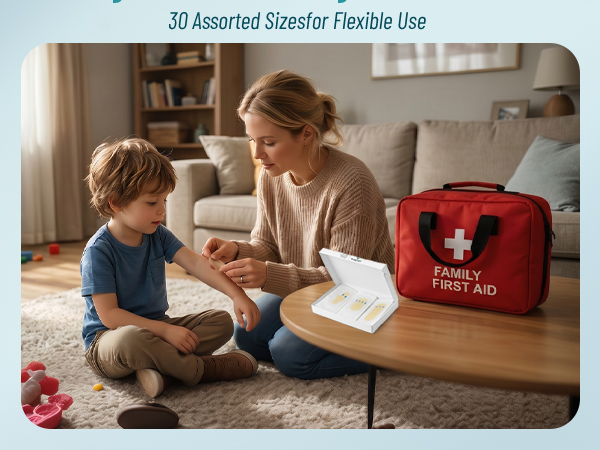
They work best for minor cuts, scrapes, blisters, and friction-prone areas with light fluid. They are not for deep wounds, infected wounds, heavy bleeding, severe burns, or large open wounds. Seek medical advice when needed.
Are they latex-free? Will they leave residue?
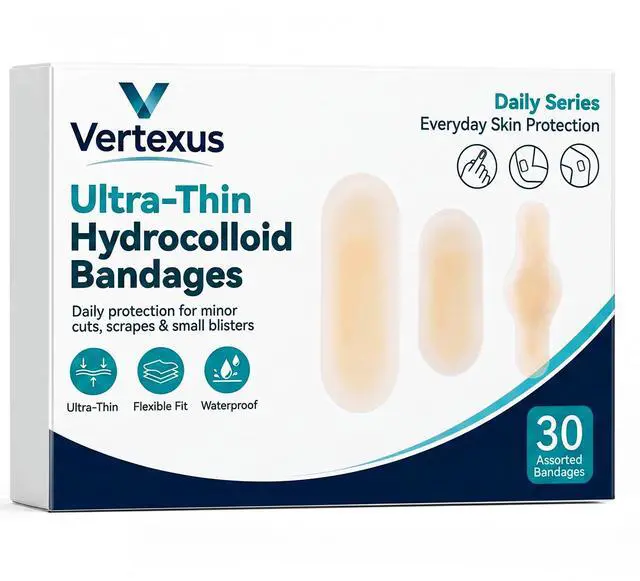
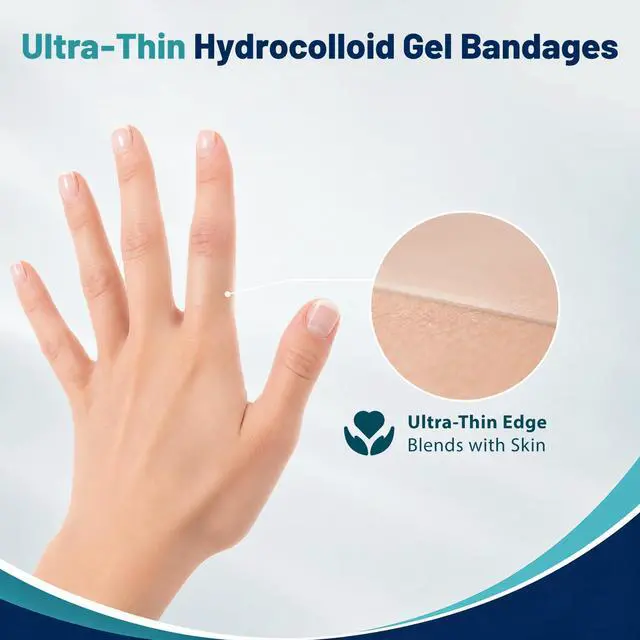
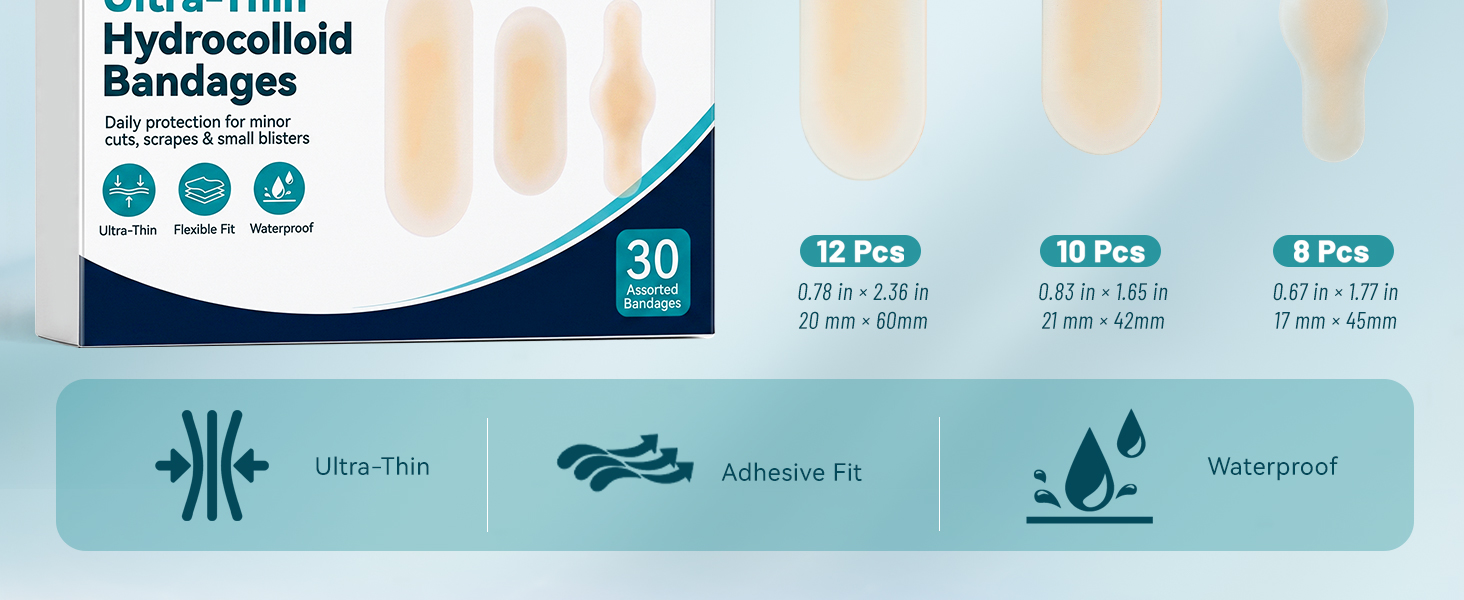
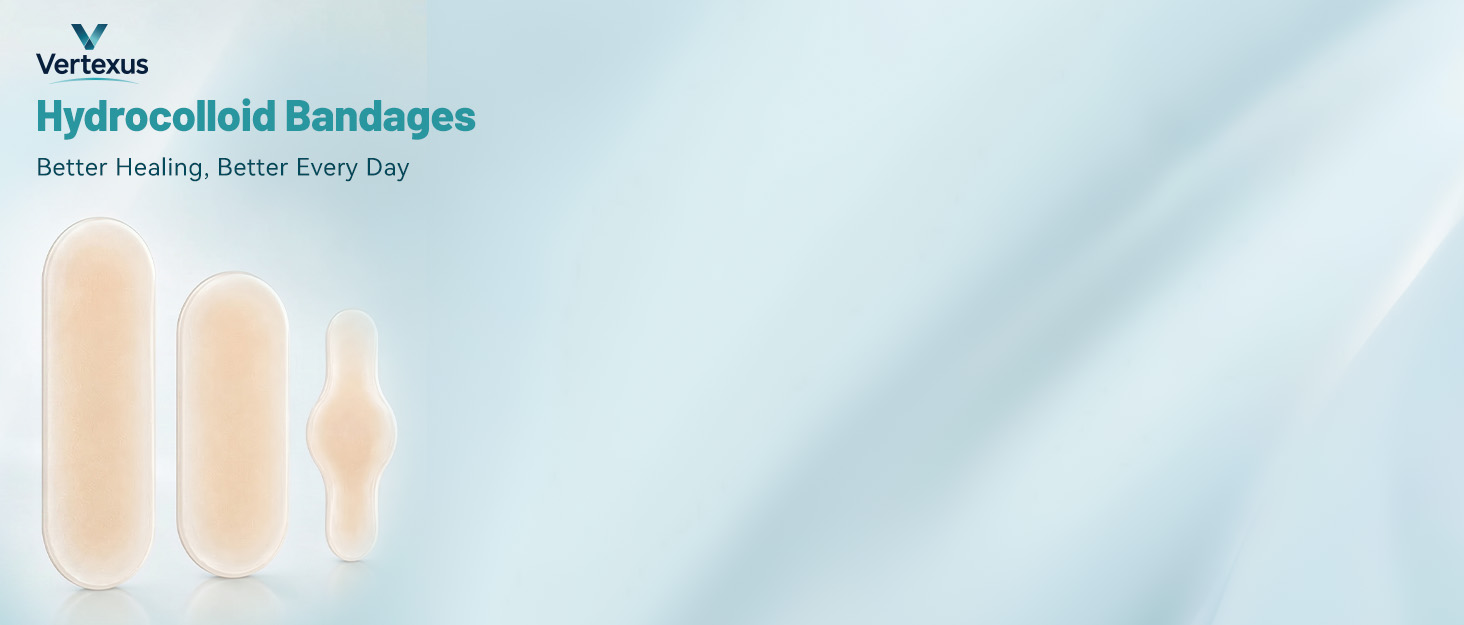
These bandages are latex-free and made with a flexible hydrocolloid gel layer that moves comfortably with skin. They are designed for gentle removal, but slight residue may occur depending on wear time, skin type, and moisture level.

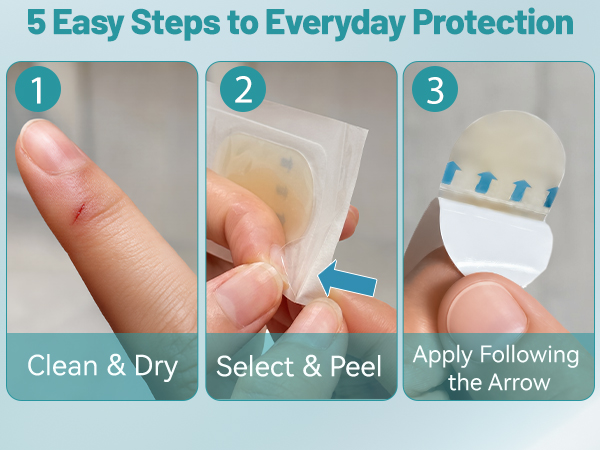
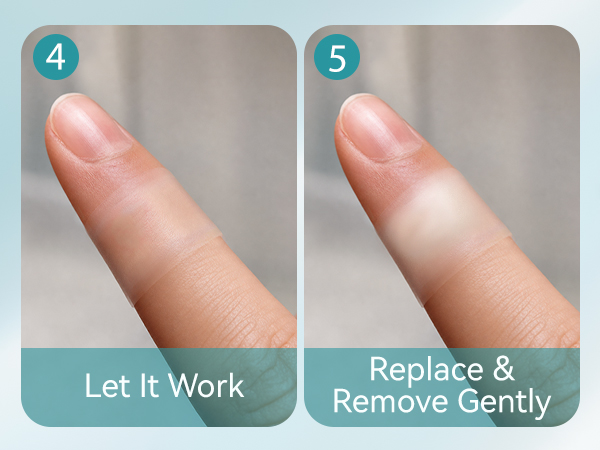
Can it be used on all skin types?
They are designed for most normal skin types. For sensitive skin, test on a small area first. Stop use if redness, itching, irritation, or discomfort occurs. Do not apply over irritated, infected, or heavily damaged skin.
Are they waterproof and how long can they stay on?
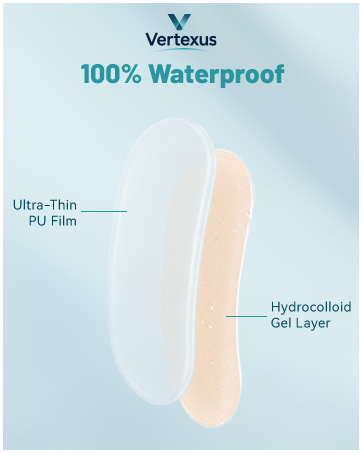
Yes, they are designed with a waterproof outer layer for daily use, such as washing hands, showering, light sweating, and routine movement. One bandage may stay on 5 days depending on placement, activity level, and fluid absorption.
Why does the bandage turn white, and will it hurt to remove?
The hydrocolloid layer may turn white as it absorbs light fluid. This is a normal sign that the gel layer is working. To remove, peel slowly from one edge. If needed, moisten the edge with warm water and remove gently.
What types of wounds work best?
They work best for minor cuts, scrapes, blisters, and friction-prone areas with light fluid. They are not for deep wounds, infected wounds, heavy bleeding, severe burns, or large open wounds. Seek medical advice when needed.
Are they latex-free? Will they leave residue?
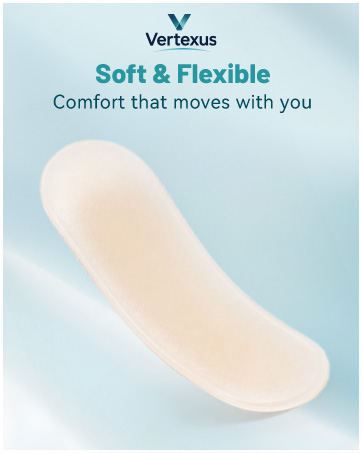
These bandages are latex-free and made with a flexible hydrocolloid gel layer that moves comfortably with skin. They are designed for gentle removal, but slight residue may occur depending on wear time, skin type, and moisture level.