

Your Browsing History





Featured Brands







SHOP BY Maximum Power
Quick View
- $209.99
- $139.99 –
- Save: 33%
- Free Shipping
Quick View
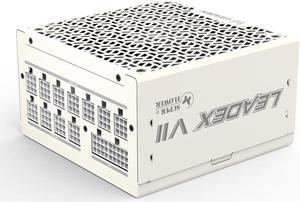
Super Flower Leadex VII XP 1200W 80+ Platinum, Cybenetics Platinum, Full Modular, ATX 3.1, W/12V-2*6 Cable (2x8pin - 16pin native cables) , Power Supply, FDB Fan, SF-1200F14XP, White
- Model #: SF-1200F14XP(WH)
- $279.99
- $199.99 –
- Save: 28%
- Free Shipping
Quick View
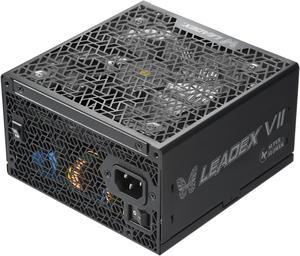
Super Flower Leadex VII XP PRO 850W 80+ Platinum, Cybenetics Platinum, Full Modular, ATX 3.1 & PCIe 5.1, W/12VHPWR (2x8pin-16pin native cables), FDB Fan, SF-850F14XP, Black
- Model #: SF-850F14XP
- $199.99
- $124.99 –
- Save: 37%
- Free Shipping
Quick View
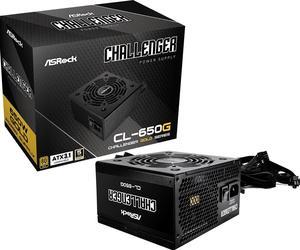
ASRock Challenger CL-650G 650W 80 PLUS GOLD Certified Non-Modular Power Supply, ATX3.1 Ready, 5 Years Warranty

ASRock Recommended PSU Table For GPU & CPU
- Model #: CL-650G
- $79.99
- $59.99 –
- Save: 25%
- More options from $57.88 - $60.00
- Free Shipping
Quick View
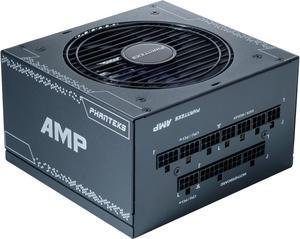
Phanteks AMP Series 750W 80PLUS Gold, ATX Power Supply, Fully Modular, Hybrid Mode, Silent fan, Revolt PRO LINK Certified
- Model #: PH-P750G_US01
- $178.24 –
- More options from $157.75 - $229.99
- Free Shipping
Quick View
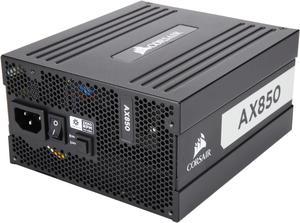
CORSAIR AX Series AX850 CP-9020151-NA 850 W ATX12V 80 PLUS TITANIUM Certified Full Modular Power Supply
- Model #: CP-9020151-NA
- $330.00 –
- More options from $330.00 - $348.80
- Free Shipping
Quick View
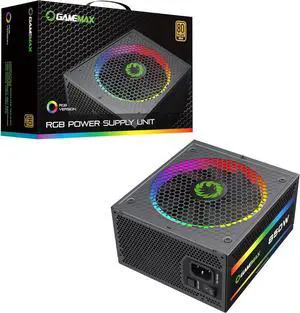
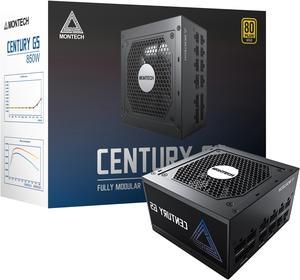
Power Supply 850W Fully Modular 80+ Gold Certified with Addressable RGB Light - Vairous Color Mode, RGB-850W
- Model #: CP003
- $239.98
- $199.99 –
- Save: 16%
- Free Shipping
Quick View
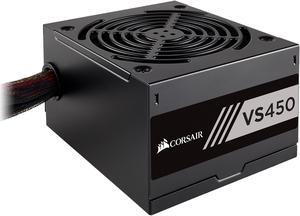
CORSAIR VS Series, VS450, 450 Watt (450W), Active PFC, 80 PLUS White Certified Power Supply
- Model #: CP-9020170-NA
- $122.00 –
- More options from $122.00 - $186.02
- Free Shipping
Quick View
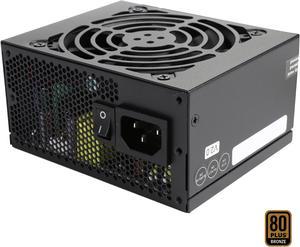
SilverStone SFX Series SST-ST30SF-V2 300 W SFX 80 PLUS BRONZE Certified Active PFC Power Supply
- Model #: SST-ST30SF-V2
- $78.99 –
- More options from $77.88 - $99.91
- Free Shipping
Quick View
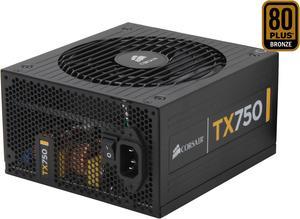
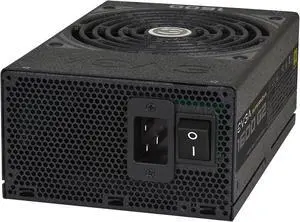
EVGA SuperNOVA 1600 G2 120-G2-1600-X1 80+ GOLD 1600W Fully Modular Includes FREE Power On Self Tester Power Supply
- Model #: 120-G2-1600-X1
- $689.00 –
- Free Shipping

Quick View
#1 Best Seller
in 30 days
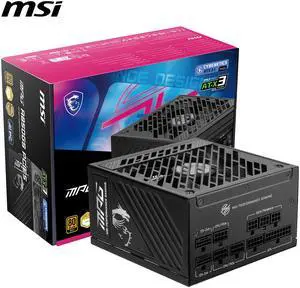
MSI MPG A850GS PCIE5, Fully Modular Gaming 850W Power Supply, 80+ Gold, Dual 12V-2x6 Cables, Server-grade Capacitor, ATX 3.1 & PCIe 5.1 Ready, Low-Noise, Semi Digital, 10 Year Warranty- Model #: MPG A850GS PCIE5
- $109.99
- $89.99 –
- Save: 18%
- $79.99 after $10.00 rebate card
- More options from $85.99 - $149.99
- Free Shipping
Quick View
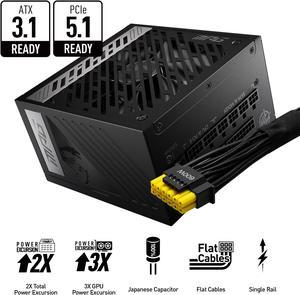
MSI MPG A850G PCIE5, Fully Modular Compact Gaming 850W Power Supply, 80+ Gold, Native 12V-2x6 Cable, 100% Japanese Capacitor, ATX 3.1 & PCIe 5.1 Ready, Low-Noise, 10 Year Warranty
- Model #: MPG A850G PCIE 5
- $139.99
- $132.99 –
- Save: 5%
- $122.99 after $10.00 rebate card
- More options from $86.88 - $166.29
- Free Shipping
Quick View
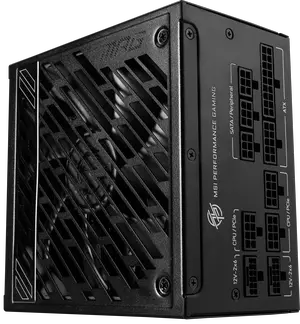
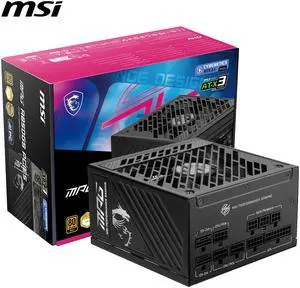
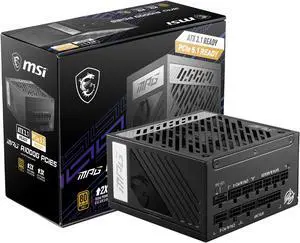
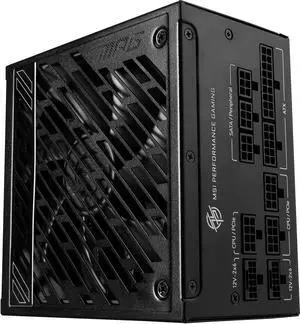
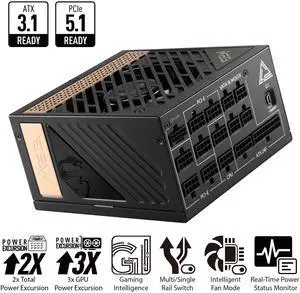
MSI MPG A1000GS PCIE5 II, Fully Modular Gaming 1000W Power Supply, 80+ Gold, Dual 12V-2x6 Cables, Server-Grade Capacitor, ATX 3.1 & PCIe 5.1 Ready, Low-Noise, 8-pin PCIe x 3, 10 Year Warranty
- Model #: MPG A1000GS PCIE5 II
- $189.99
- $146.99 –
- Save: 22%
- More options from $146.99 - $195.98
- $11.62 Shipping
Quick View
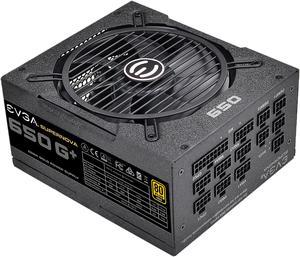
EVGA SuperNOVA 650 G+, 80 Plus Gold 650W, Fully Modular, FDB Fan, 10 Year Warranty, Includes Power ON Self Tester, Power Supply 120-GP-0650-X1
- Model #: 120-GP-0650-X1
- $209.00 –
- Free Shipping
Quick View
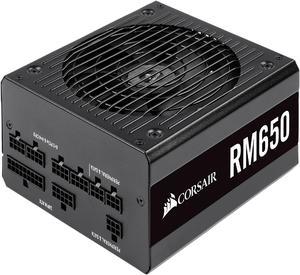
CORSAIR RM Series RM650 CP-9020194-NA 650 W ATX12V SLI Ready 80 PLUS GOLD Certified Full Modular Power Supply
- Model #: CP-9020194-NA
- $178.00
- $171.60 –
- More options from $171.60 - $262.66
- Free Shipping
Quick View
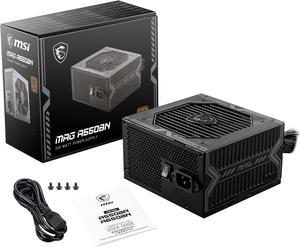
MSI MAG A550BN, Non-Modular Compact 550W Power Supply, 80+ Bronze, Low-Noise Fan, Active PFC Design, 5 Year Warranty
- Model #: MAG A550BN
- $54.99
- $49.99 –
- Save: 9%
- More options from $49.99 - $77.39
- Free Shipping
Quick View
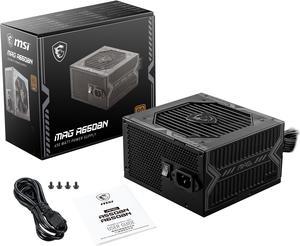
MSI MAG A650BN, Non-Modular Compact 650W Power Supply, 80+ Bronze, Low-Noise Fan, Active PFC Design, 5 Year Warranty
- Model #: MAG A650BN
- $70.49
- $59.73 –
- Save: 15%
- More options from $56.99 - $92.53
- $0.99 Shipping
Quick View
MSI MAG A650BN PCIE5 III, Non-Modular Compact Gaming 650W Power Supply, 80+ Bronze, ATX 3.1 & PCIe 5.1 Ready, Low-Noise Fan, Embossed Jacket Cables, 5 Year Warranty
- Model #: MAG A650BN PCIE5 III
- $69.99
- $59.99 –
- Save: 14%
- More options from $57.94 - $84.69
- $4.99 Shipping
Quick View
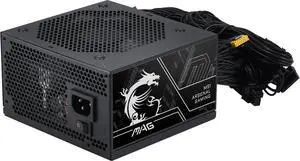
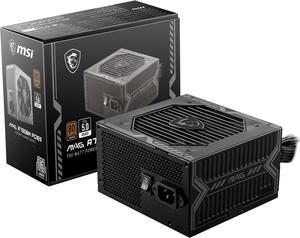
MSI MAG A750BN PCIE5, Non-Modular Compact Gaming 750W Power Supply, 80+ Bronze, Low-Noise Fan,12V-2x6 Cable, PCIE 5.0 Ready, 5 Year Warranty
- Model #: MAG A750BN PCIE5
- $79.99 –
- More options from $79.99 - $228.99
- Free Shipping
Quick View
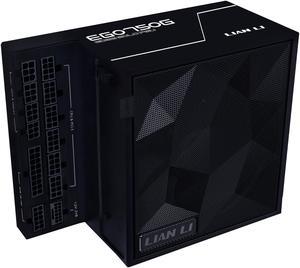
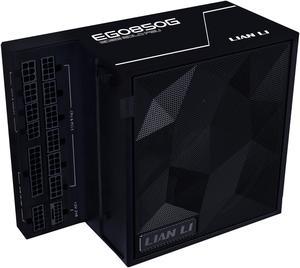
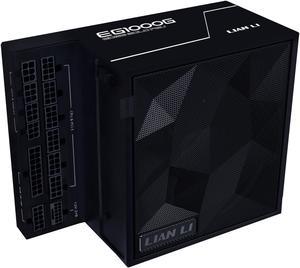
Lian Li EDGE750W Fully Modular Low-Noise ATX Power Supply - ATX 3.1 & PCIE 5.1 Compliant - Cybenetics Gold Efficiency - 12V-2x6 Cable - L-Shape Design - Without USB/Fan Hub - Black (EG0750G.B)

- Model #: EG0750G Black
- $99.99
- $69.99 –
- Save: 30%
- More options from $69.99 - $142.13
- Free Shipping
Quick View
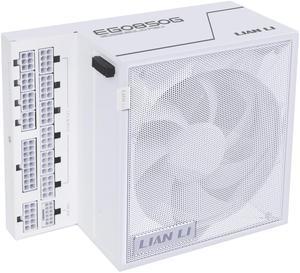
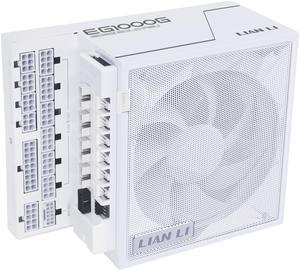
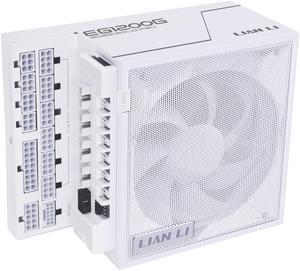
Lian Li EDGE850W Fully Modular Low-Noise ATX Power Supply - ATX 3.1 & PCIE 5.1 Compliant - Cybenetics Gold Efficiency - 12V-2x6 Cable - L-Shape Design - Without USB/Fan Hub - White (EG0850G.W)
- Model #: EG0850G White
- $139.99
- $116.00 –
- Save: 17%
- More options from $116.00 - $179.11
- Free Shipping
Quick View
in 30 days
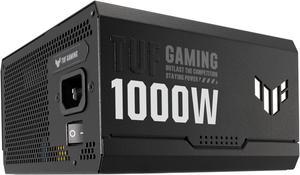
ASUS TUF Gaming 1000W Gold (1000 Watt, ATX 3.0 Compatible Fully Modular Power Supply, 80+ Gold Certified, Military-grade Components, Dual Ball Bearing, Axial-tech Fan, PCB Coating)
ASUS Recommended PSU Table For GPU & CPU
- Model #: TUF-GAMING-1000G
- $194.49
- $159.99 –
- Save: 17%
- More options from $159.98 - $248.30
- Free Shipping
| Learn about Power Supplies (PSU) | |
|---|---|
What are PC power supplies?A reliable PC power supply is essential for ensuring your computer's stable and efficient performance. Computer power supplies convert the alternate current from the power outlets in your home to the direct current your PC uses. They also provide power to the various components of the computer, such as hard drives, fans, and optical drives. When you shop PSU options at Newegg, consider the efficiency and features, like modular cables, silent operation, and protection mechanisms, that best suit your needs. ATX Power Supplies Work With ATX MotherboardsATX power supplies fit ATX motherboards and computer cases. They can provide 300W of power or more. Unlike older computer power supplies, they have a soft switch instead of a physical switch, allowing turning them on and off via software. Most models have SATA connectors to power hard drives and optical drives. They use a 20-pin power connector. These types of PC PSUs offer excellent compatibility with modern ATX motherboards. ATX12V Power Supplies Use a 4-Pin Connector for the ProcessorATX12V power supplies look almost identical to the ATX ones but have different power connectors. The ATX12V v1.0 models use a 20-pin main connector, a 4-pin 12V connector for the processor, and a 6-pin auxiliary connector. ATX12V v2.0 power supplies use a 24-pin main connector and a 4-pin connector for the processor . These power supplies are the most common in modern computers, making them a popular choice when you shop for PSU options. Active and Passive PFC Power Supplies Help You to Save on Energy BillsPower factor correction (PFC) power supplies reduce the amount of reactive power your computer produces. The components of your PC cannot use reactive power, but energy companies still charge you for it. Active PFC power supplies use electronic circuits, while the passive PFC ones use inductors and capacitors. Both PFC mechanisms also distribute the power more efficiently between the components of your computer, making them a smart choice for a PC power supply. | Non-Modular vs. Fully-Modular and Semi-Modular Power SuppliesNon-modular power supplies are generally cheaper and feature several cables soldered to the same circuit board. This type of construction may obstruct airflow and cause overheating inside the computer case . Non-modular PSUs may also look unsightly if your PC case has a window. Semi-modular power supplies have fewer hardwired cables, so they tend to cause less overheating, avoiding damage to the computer's components. Modular power supplies have no hardwired cables, so you can choose which ones you want to connect. They tend to be more expensive than the other types. Whether you need a PSU computer with modularity or non-modularity, consider your airflow and cable management needs. Redundant Power Supplies Prevent DowntimeA redundant power supply system lets your PC use two or more power supplies. Each power supply has the capability of powering the entire computer alone. If one stops working, the PC will keep running normally. It minimizes downtime and prevents damage to the internal PC components. Redundant power supplies are suitable for data center facilities and business environments where uptime is essential. For critical systems, a redundant PC power supply setup is ideal. Overvoltage and Overcurrent Protection Protect Your PC From DamageMany quality computer power supplies use protection mechanisms to prevent damage to the components of your PC. Overvoltage protection shuts down the PCU if it exceeds a specified voltage limit. Overcurrent protection, on the other hand, shuts down the PCU if there is excessive current. Upgrade your PSU for your PC today and ensure your system runs smoothly and efficiently. Shop PSUs at Newegg and find the best PC power supply for your needs. Enjoy reliable performance and the peace of mind that comes with a high-quality power supply. Whether you need a computer PSU for gaming , professional workstations, or everyday use, we have the perfect solution for you. Shop PSU options now and keep your system powered up and ready to go! |
Last Updated: June 2026 | Newegg Power Supply Buying Guide
Power Supply (PSU) Frequently Asked Questions:
What does a power supply do in a PC?
A power supply converts wall power into stable power for your PC components, including the CPU, GPU, motherboard, and storage. It is one of the most important parts for overall system stability and reliability.
What does PSU wattage mean?
PSU wattage is the maximum amount of power the unit can deliver to your system. Choosing the right wattage helps ensure stable performance under load and gives your build enough headroom for upgrades.
What is the difference between a PSU's continuous power output and its peak power output?
Continuous power is the wattage a PSU can deliver reliably over time, while peak power refers to short bursts it can handle briefly. For real-world builds, Newegg recommends focusing on continuous rated wattage.
What are the built-in safety protections in a PSU (OVP, OCP, SCP, etc.), and what do they do?
Protections like OVP, OCP, SCP, OPP, and OTP help guard your system against abnormal voltage, overcurrent, short circuits, overpower events, and overheating. Quality PSUs clearly list these protections in their specifications.
What PSU sizes are available for different PC builds?
Common PSU sizes include ATX for standard desktop builds and SFX or SFX-L for smaller systems. Always match the PSU form factor to your case before purchasing.
What's the difference between modular, semi-modular, and non-modular power supplies?
Non-modular PSUs have all cables permanently attached, semi-modular units keep essential cables fixed, and fully modular models let you connect only the cables you need. Modular designs are popular for cleaner cable management and easier building.
What's the difference between a standard ATX PSU and a smaller SFX PSU (small form factor)?
ATX PSUs are the standard size used in most mid tower and full tower cases, while SFX PSUs are smaller and designed for compact systems. SFX units are common in Mini-ITX and other small form factor builds.
What sets a high-end, premium PSU apart from a budget PSU with similar wattage?
Premium PSUs often offer better efficiency, stronger voltage regulation, quieter operation, higher-quality components, and longer warranty coverage. Wattage alone does not tell the full story of PSU quality.
What is the difference between 80 Plus Bronze, Gold, Platinum, and Titanium PSU efficiency ratings?
Higher efficiency tiers waste less power as heat and can support cooler, quieter operation. Gold is a popular sweet spot for many Newegg builds, while Platinum and Titanium are more premium efficiency options.
What is the difference between ATX 3.0 and ATX 3.1 power supplies?
Both are newer PSU standards designed for modern systems and GPU power requirements. When shopping on Newegg, check connector support and compatibility details to make sure the PSU fits your graphics card and upgrade plans.
How can I determine how much wattage my PC's power supply should have?
Start with your CPU and GPU, then add overhead for storage, cooling, and future expansion. Newegg’s power supply calculator is a helpful starting point for estimating your build’s total power needs.
Should I get a PSU with more wattage than I currently need (to allow for future upgrades)?
In many cases, yes. Extra wattage headroom can support future GPU or CPU upgrades and may help the PSU run more efficiently and quietly under typical loads.
Is it worth paying extra for an 80 Plus Gold or Platinum PSU instead of a Bronze-rated unit?
For gaming PCs, workstations, and systems that run for long periods, higher efficiency can be worth the added cost. Many Newegg shoppers choose Gold-rated PSUs as a strong balance of quality, performance, and value.
Do I need a modular power supply, or will a non-modular (fixed-cable) PSU be okay for my build?
A non-modular PSU can work well for value-focused builds, but modular units make cable routing cleaner and easier. They are especially useful in compact or tempered-glass builds where airflow and presentation matter more.
Do I need an ATX 3.0 or ATX 3.1 power supply for a new GPU?
It can be a smart choice for newer graphics cards with updated power requirements or high transient loads. Always check your GPU connector needs and compare them with the PSU specifications before buying.
What are common issues to watch out for when buying a PSU?
Common issues include insufficient wattage, missing GPU connectors, incompatible form factors, and low-quality internals. Reviewing the specifications carefully can help you avoid costly compatibility mistakes.
How important are customer reviews when choosing a power supply?
Customer reviews can provide useful insight into noise levels, cable quality, stability, and real-world reliability. On Newegg, verified reviews are especially helpful when comparing similar PSU models.
Are budget power supplies reliable?
Some budget PSUs can be reliable for entry-level builds, but quality varies more at the low end. It is worth checking protections, warranty coverage, and review history before choosing a low-cost unit.
What compatibility issues should I check before buying a PSU?
Check wattage, PSU size, motherboard and GPU connectors, cable reach, and case fit. Compatibility matters just as much as total power output.
What happens if my PSU is underpowered for my system (not enough wattage)?
An underpowered PSU can lead to boot failures, random shutdowns, crashes under load, or reduced stability during gaming and heavy workloads. Choosing adequate wattage helps avoid these problems.
How do I install a power supply in a PC?
Mount the PSU in the correct orientation, secure it with screws, and connect the required cables to the motherboard, CPU, GPU, and storage devices. Follow your case layout and PSU manual during installation.
What cables from the PSU connect to my components?
Common PSU cables include the 24-pin motherboard cable, CPU power cable, GPU power cables, SATA power, and other peripheral connectors. The exact cables you need depend on your hardware.
How do I know if my PSU has the right GPU connectors?
Check your graphics card power requirements and compare them with the PSU specifications. Newegg product listings typically show the number and type of PCIe or newer GPU power connectors included.
How should I manage PSU cables inside my case?
Route cables behind the motherboard tray when possible and use only the cables your build requires. Cleaner cable routing improves airflow and makes future upgrades easier.
Should I turn off or unplug the PSU when I'm installing or removing PC components?
Yes. Turn off the PSU switch and unplug it from the wall before working inside your PC. This helps reduce the risk of shorts or accidental power delivery while installing or removing components.
Bestselling Power Supplies Reviews:
Anonymous
8/12/2026 9:31:10 AM
Great Purchase or Upgrade
“ Power supply not only fixed my PC but delivered enough power to improve the overall performance of my games. ”
CORSAIR RMx Series RM1000x ATX Power Supply - Fully Modular - ATX 3.1 - PCIe 5.1 - Cybenetics Gold - Low-Noise - Japanese Capacitors - 1000 WattsDaniel R.
8/11/2026 7:47:54 AM
Flawless Power Supply!
“ MSis MAG A750GL power supply has been awesome for over a year now! ”
MSI MAG A750GL PCIE5, Fully Modular Compact Gaming 750W Power Supply, 80+ Gold, ATX 3.1 & PCIe 5.1 Ready, Native Dual-color 12V-2x6 cable, 10 Year WarrantyKevyn
8/10/2026 8:28:26 PM
Was Worthy To Change From 850w inland to this 1000w
“ but yeah amazing power supply anyways ”
MSI MPG A1000GS PCIE5, Fully Modular Gaming 1000W Power Supply, 80+ Gold, Dual 12V-2x6 Cables, Server-grade Capacitor, ATX 3.1 & PCIe 5.1 Ready, Low-Noise, Semi Digital, 10 Year WarrantySusan R.
8/5/2026 7:24:18 AM
Refreash of 2023 PC
“ Great power supply for a Tier-2 computer build. ”
be quiet! Dark Power 13 1000W ATX 3.0 Power Supply | 80 PLUS Titanium Efficiency | PCIe 5.0 | Fully Digital | Fully Modular PSU | Overclocking Key | 10 Year Warranty | BN661Anonymous
7/31/2026 7:57:02 AM
Great price point
“ it is an ample power supply for my pc with a little room for expanding since my rig only needed 850w. ”
MONTECH CENTURY II - 1050W High-End ATX Gaming Power Supply - 80 Plus Gold & Cybenetics Platinum - Fully Modular - ATX 3.1 & PCIe 5.1 Ready with 12V-2x6 Cable - 10 Years WarrantyJose A.
7/15/2026 8:17:36 AM
Most affordable 1200 w power supply on the market
“ The smart technology on this power supply honestly saved my computer. ”
MONTECH CENTURY II - 1200W High-End ATX Gaming Power Supply - 80 Plus Gold & Cybenetics Platinum - Fully Modular - ATX 3.1 & PCIe 5.1 Ready with 12V-2x6 Cable - 10 Years WarrantySonny Lim
6/29/2026 3:35:48 PM
Works as it should!
“ Happy with this power supply. ”
MSI MPG A850GS PCIE5, Fully Modular Gaming 850W Power Supply, 80+ Gold, Dual 12V-2x6 Cables, Server-grade Capacitor, ATX 3.1 & PCIe 5.1 Ready, Low-Noise, Semi Digital, 10 Year WarrantyMichael D.
6/23/2026 12:41:59 PM
Works Great!
“ Great power supply for 3 of my non gaming machines. ”
Thermaltake Smart Series 700W SLI / CrossFire Ready Continuous Power ATX12V V2.3 / EPS12V 80 PLUS Certified Active PFC Power Supply Haswell Ready PS-SPD-0700NPCWUS-W