
 here!
here!
I’m your shopping assistant for PC builds, upgrades, and everything tech.
Got questions? Ask away!
Start a conversation
here!
I’m your shopping assistant for PC builds, upgrades, and everything tech.
Got questions? Ask away!
Start a conversation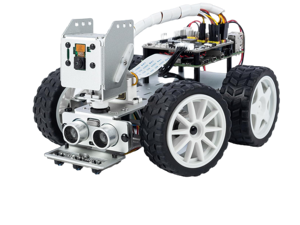
AI-enabled educational robots and coding kits for students,
classrooms & first-time builders to learn robotics & AI fundamentals.

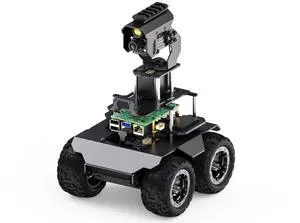
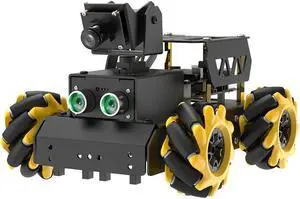
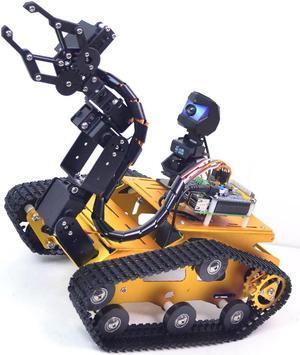
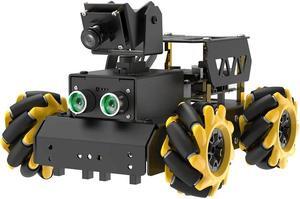
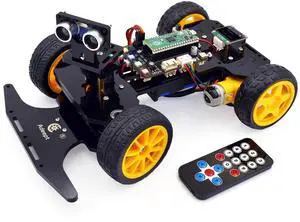
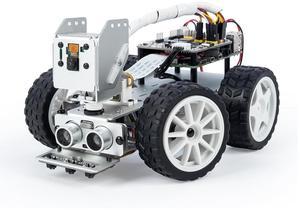
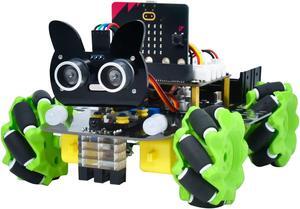
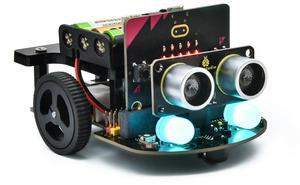
Discover a range of STEM AI robots featuring Raspberry Pi, Arduino, and NVIDIA Jetson platforms designed for hands-on coding and AI education. This page offers the latest robotics kits and components ideal for students, educators, and hobbyists exploring programming and artificial intelligence.
Selecting the right STEM AI robot involves understanding several key features that define its capabilities and educational value:
The processor is the heart of a STEM AI robot, determining how well it handles complex coding tasks, real-time sensor processing, and machine learning algorithms. Particularly for AI-focused projects, choosing a robot powered by platforms like NVIDIA Jetson can offer significant advantages with their dedicated GPU cores optimized for parallel processing and neural network acceleration. Arduino and Raspberry Pi models serve well for beginner to mid-level coding and robotic mechanics, providing ample processing for sensor input and control logic but with more limited AI compute capacity. When your goal is to experiment with advanced AI techniques such as object recognition, autonomous navigation, or voice interaction, prioritizing a robust processor can make the difference between a smooth learning curve and frustrating limitations.
For seasoned developers and professionals diving into elaborate AI and robotics projects, the ecosystem of STEM AI Robots extends far beyond introductory kits. Integrating frameworks like ROS (Robot Operating System) and machine vision libraries enhances custom AI behavior and sensor fusion. Many NVIDIA Jetson-powered robots support these advanced tools, enabling real-time object recognition and autonomous navigation — perfect for research and complex applications. For those interested, exploring AI Robotics on Newegg showcases the latest models and innovation in this space. Additionally, tapping into curated Build Showcases helps professionals customize or build on top of existing projects with precision control and layered AI functionality.
Newegg shopping tip: When choosing a STEM AI robot, focus on the programming platforms it supports and the types of sensors included. Checking compatibility with popular developer ecosystems like Arduino or Raspberry Pi can make a big difference in how easily you can expand and customize your projects.
See the latest build showcases featuring Arduino and Raspberry Pi-based AI robots designed to teach coding and mechanics in practical ways.
Unlock savings on select AI robotics gear with rebates suited for educators and hobbyists diving into machine learning projects.
Stay in the loop with Newegg Insider’s expert takes on the newest STEM AI robots, from adaptive learning bots to next-gen AI kits.
If you’re new to STEM AI robots, the good news is that many beginner-friendly models are designed with simple coding environments and step-by-step tutorials. Look for robots powered by Raspberry Pi or Arduino platforms, which offer a gentle introduction to programming and electronics without overwhelming complexity. These platforms boast huge communities, plenty of online guides, and beginner kits that help you build confidence fast. Whether you want to explore basic movement commands, sensor input, or early machine learning concepts, start with a model that matches your pace. For inspiration and practical learning paths, check out our Build Showcases featuring easy-to-follow projects.
Teachers and educators often turn to STEM AI robots to make coding and robotics engaging for students across grade levels. Educational models typically come with curriculum-aligned lesson plans, classroom management tools, and robust safety features. Popular choices include kits that integrate with Python coding, ROS (Robot Operating System), and machine vision capabilities, providing a scaffolded approach for growing learners. Many of these robots support collaborative projects that encourage teamwork and problem-solving, making them ideal for STEM clubs and robotics competitions. Explore Robotics Kits designed specifically for classroom scalability and curriculum integration to find solutions tailored to your educational goals.
For hobbyists and tech enthusiasts seeking to push their skills further, STEM AI robots powered by NVIDIA Jetson modules offer powerful processing capabilities for AI development, including real-time object recognition and autonomous navigation. These robots are ideal for hands-on experimentation with computer vision, deep learning, and robotics programming. Many come equipped with sensor arrays, multiple connectivity options, and support for edge AI frameworks, enabling you to work on cutting-edge projects that challenge your creativity. If you enjoy tinkering under the hood or competing in advanced robotics challenges, explore our AI Robotics collection to find gear built for high-performance experimentation.
Research more: When choosing a STEM AI robot, consider the platform it supports like Raspberry Pi, Arduino, or NVIDIA Jetson, as this affects your coding and project options. For detailed breakdowns and comparisons, check out Newegg Insider’s buying guides to find the model that fits your learning goals.
Last Updated: October 2026 | Newegg STEM AI Robots Buying Guide
Programmable STEM AI robots require some coding or assembly, making them better for learning and customization, while ready-to-use models offer immediate play with simpler features, ideal for younger kids or beginners.
LEGO robots tend to focus more on modular building and creativity, while Makeblock often emphasizes coding flexibility and compatibility with multiple programming languages; your choice depends on whether you prioritize hands-on building or advanced coding options.
Most STEM AI Robots are made for kids ages 8 and up, but some models target younger or older users depending on the complexity of programming and building involved.
Yes, many STEM AI Robots include user-friendly coding interfaces like block-based coding or apps that help beginners learn to program step-by-step.
Start with a robot that offers block-based programming and plenty of tutorials. It should be user-friendly and come with built-in sensors or simple AI functions that allow easy experimentation without overwhelming complexity.
Budget models cover fundamental concepts just fine, but pricier options usually have advanced features and better build quality, which can keep a learner engaged longer and expand into real-world AI applications as skills develop.
Most STEM AI Robots are built with sturdy materials to handle typical use, but some cheaper models might feel flimsy. Check reviews to see if other buyers mention how well the robot holds up over time.
Connectivity issues and software glitches are often reported, especially with more advanced models. Look for reviews that mention how responsive customer support is and if firmware updates fix initial bugs.
Begin by downloading the companion app or software for your robot, then follow the beginner tutorials included in the guide to learn basic commands. Most kits use visual coding blocks, which makes it easier to build simple programs without prior experience.
Regularly clean the sensors and joints with a soft cloth to avoid dust buildup, and make sure the batteries or charger are in good condition. Updating the robot’s firmware through its app also helps improve performance and fix any bugs.