



 here!
here!
I’m your shopping assistant for PC builds, upgrades, and everything tech.
Got questions? Ask away!
Start a conversation
here!
I’m your shopping assistant for PC builds, upgrades, and everything tech.
Got questions? Ask away!
Start a conversation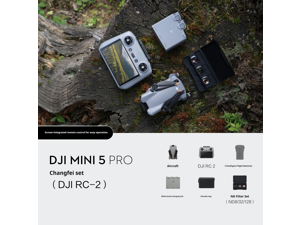
AI-powered aerial drones for photography, videography &
autonomous flight with intelligent obstacle sensing & tracking.
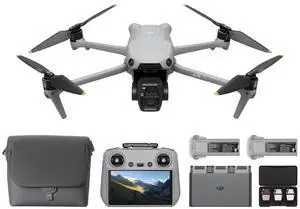
$50 promotional gift card w/ purchase, limited offer
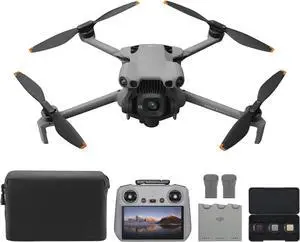
$40 promotional gift card w/ purchase, limited offer
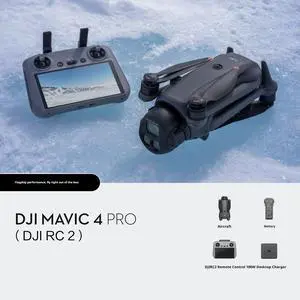
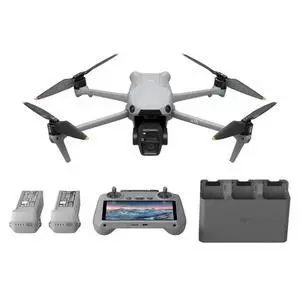
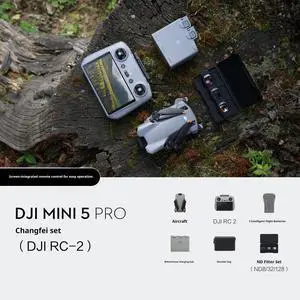
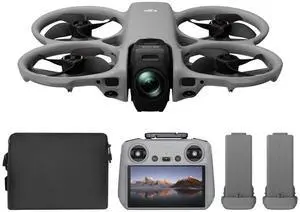
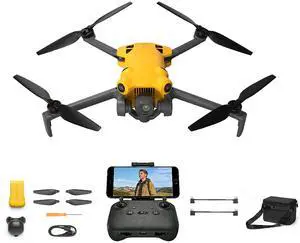
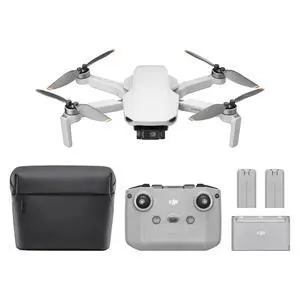
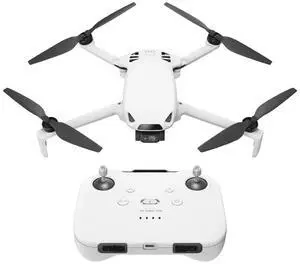
Explore AI-enabled drones and related robotics technologies at Newegg. Compare products designed for aerial photography, autonomous navigation, STEM learning, robotics development, mapping, object tracking, obstacle avoidance, and other intelligent flight applications. Whether you are a first-time drone shopper, hobbyist, student, developer, or professional user, understanding the camera system, flight controls, sensors, software support, and AI capabilities can help you choose the right platform.
The best AI drone depends on what you want to accomplish. A beginner may prioritize simplified controls, stable hovering, return-to-home functions, obstacle detection, and guided flight modes. More advanced users may need programmable flight paths, computer vision, higher-resolution cameras, additional sensors, SDK support, or onboard computing for robotics and autonomous applications.
Start by comparing the products available in AI Drones at Newegg. Pay attention to the complete specification rather than focusing on a single AI feature.
If photography or video is your primary goal, compare more than megapixel count. Sensor size, stabilization, lens quality, video resolution, frame rate, dynamic range, bitrate, storage, and gimbal design all affect image quality.
AI-assisted tracking can make it easier to keep a moving subject in frame, while automatic flight paths can help creators capture repeatable cinematic shots. Before buying, review the product specifications and recent Newegg customer feedback for real-world comments about image quality, control stability, software, and battery performance.
Advertised maximum flight time is usually measured under controlled conditions. Wind, temperature, payload, recording mode, speed, obstacle avoidance, and battery age can reduce actual runtime. If you plan long filming sessions or field work, consider additional batteries and charging accessories.
Wireless range is also affected by the controller, frequency band, interference, environment, regulations, and line of sight. Always follow local aviation regulations and manufacturer recommendations.
For research, robotics, and autonomous systems, an AI drone may function as more than a flying camera. Developers can combine aerial platforms with vision systems, sensors, robotics controllers, and edge-computing hardware to prototype navigation, inspection, mapping, recognition, and automation workflows.
Explore Robot Vision & AI Cameras and Robotics Sensors & LiDAR when building more advanced perception and navigation systems.
AI drones are part of a broader robotics ecosystem. Depending on your project, you may also need cameras, controllers, sensors, robotics kits, or educational platforms.
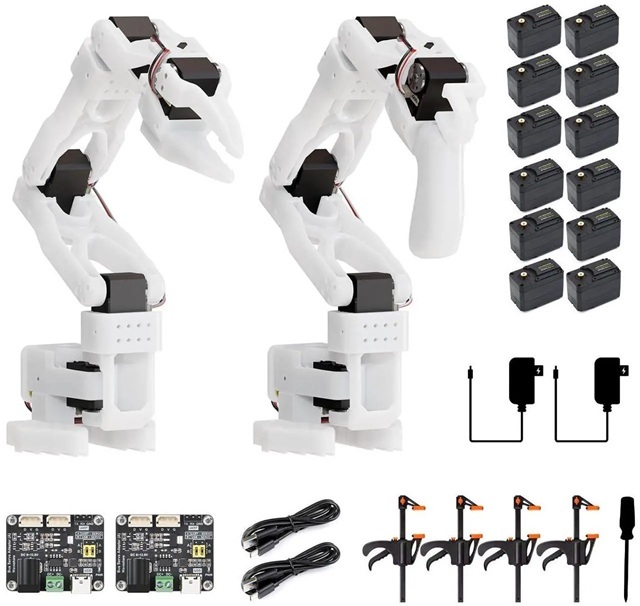
AI Robotics — Explore intelligent robotics platforms, components, and development hardware.
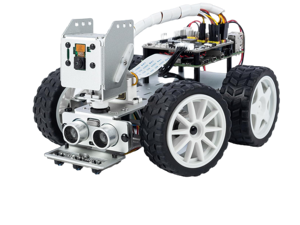
Robotics Kits — Build programmable robots and experiment with sensors, control systems, and automation.
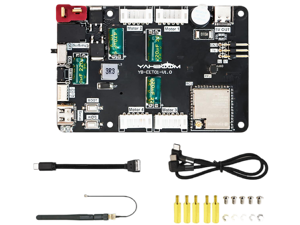
Robotics Controllers — Find control hardware for robotics, automation, and programmable systems.
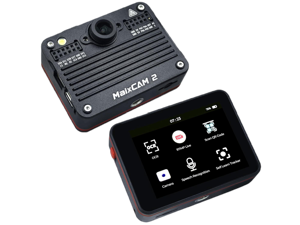
Robot Vision & AI Cameras — Add visual perception, tracking, inspection, and computer vision to robotics projects.
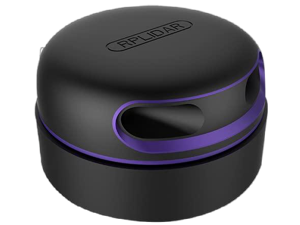
Robotics Sensors & LiDAR — Support mapping, localization, obstacle detection, and autonomous navigation.
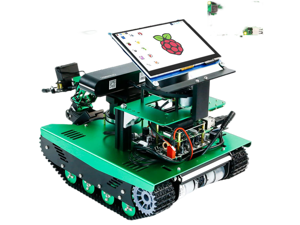
STEM AI Robots — Learn coding, robotics, electronics, sensors, and AI through hands-on projects.
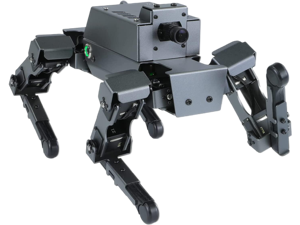
Robot Dogs — Explore quadruped robots for education, programming, research, and autonomous navigation.
Beginners should prioritize predictable controls and safety features over advanced specifications. Look for assisted takeoff and landing, stable hovering, return-to-home functionality, clear setup instructions, spare propellers, replacement batteries, and accessible software support.
Review Newegg customer feedback for recurring comments about connectivity, controller setup, calibration, mobile-app compatibility, battery life, firmware, and customer support.
Photography-focused buyers should consider camera sensor quality, gimbal stabilization, video resolution, tracking modes, storage, transmission quality, and the ability to maintain a stable shot in wind. Advanced subject tracking and automated flight modes can help creators capture complex shots with less manual control.
Professional inspection and mapping applications may require repeatable flight paths, accurate positioning, sensor payload support, extended battery options, image geotagging, or compatibility with specialized software. For these workflows, check the manufacturer documentation and software ecosystem before selecting hardware.
Students and educators can use drones and robotics platforms to learn programming, electronics, control theory, computer vision, autonomous navigation, and AI fundamentals.
Browse STEM AI Robots for education-focused platforms and guided projects.
Last Updated: September 2026 | Newegg Content Team: AI Drones Buying Guide
Compare the camera system, stabilization, flight time, obstacle sensing, autonomous flight modes, controller, software, sensor support, and development capabilities. On Newegg, use product specifications and recent customer reviews to compare complete configurations rather than one AI feature alone.
Useful AI-oriented features can include obstacle detection, automated navigation, subject tracking, computer vision, waypoint flight, return-to-home functions, visual positioning, and programmable development support. Available features vary by product.
Beginners should prioritize stable hovering, assisted takeoff and landing, return-to-home, intuitive controls, obstacle sensing, clear setup instructions, replacement-part availability, and strong software support.
Look for recurring comments about battery life, controller connectivity, GPS stability, calibration, mobile-app compatibility, firmware updates, camera quality, obstacle sensing, replacement parts, and customer support.
Charge the batteries, install the manufacturer's control app, update firmware, pair the controller, complete required calibration, verify GPS and return-to-home settings, inspect the propellers, and perform the first test flight in a safe open area.
Not always. Wind, temperature, payload, recording mode, flight speed, obstacle sensing, battery condition, and other factors can reduce actual flight time compared with laboratory ratings.
Both may include cameras and stabilization, but AI-oriented platforms can add more advanced perception, tracking, navigation, autonomous flight, recognition, programmable workflows, or development capabilities.
Some platforms can support inspection, mapping, surveying, and automated routes, but suitability depends on positioning accuracy, camera and sensor capabilities, software compatibility, payload support, and workflow requirements.
Yes. Appropriate drones and robotics platforms can help students learn programming, electronics, computer vision, control systems, navigation, sensors, autonomous behavior, and machine-learning concepts.
Depending on the model, useful accessories may include extra batteries, chargers, propellers, storage cards, carrying cases, landing pads, replacement parts, controllers, cameras, sensors, and development hardware.