




 here!
here!
I’m your shopping assistant for PC builds, upgrades, and everything tech.
Got questions? Ask away!
Start a conversation
here!
I’m your shopping assistant for PC builds, upgrades, and everything tech.
Got questions? Ask away!
Start a conversation


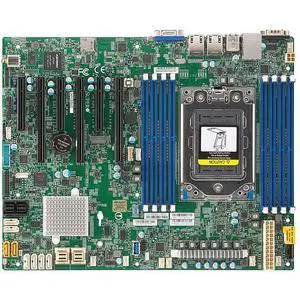
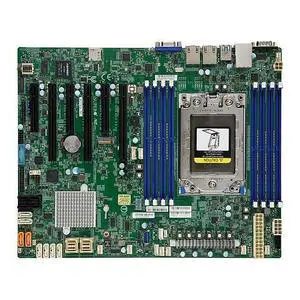
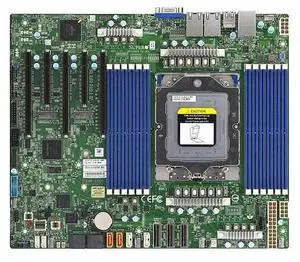
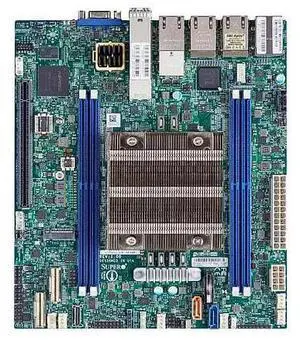
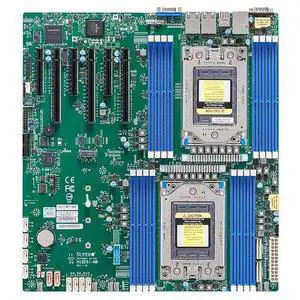
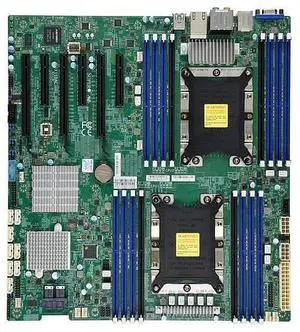
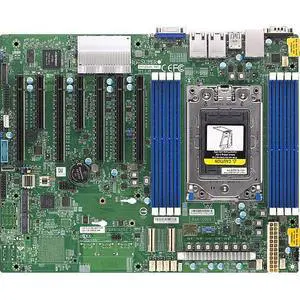
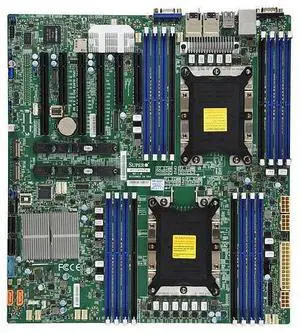
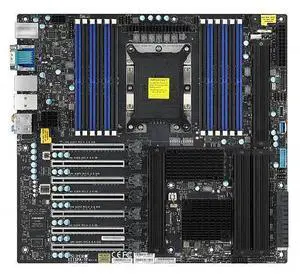
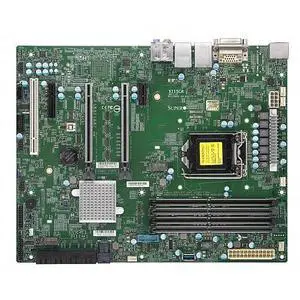
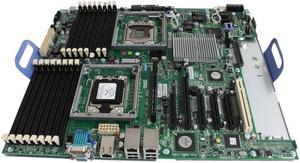
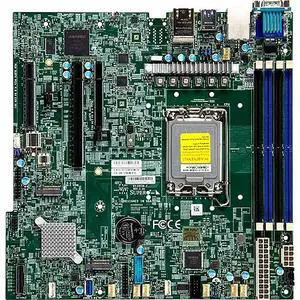
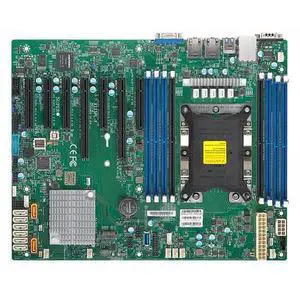
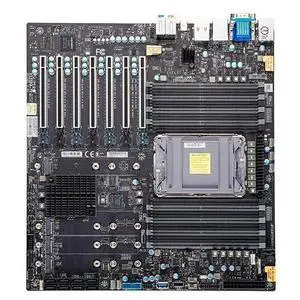
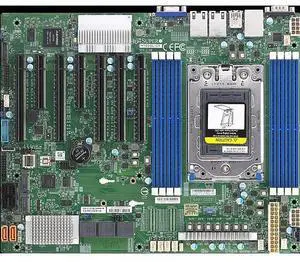
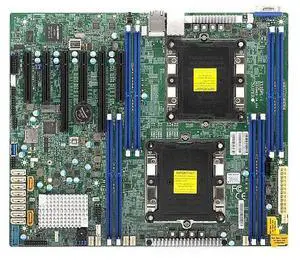
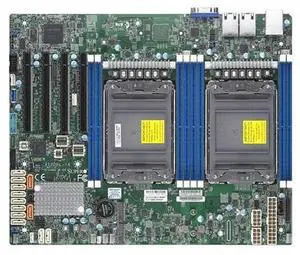
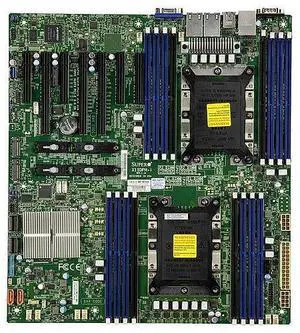
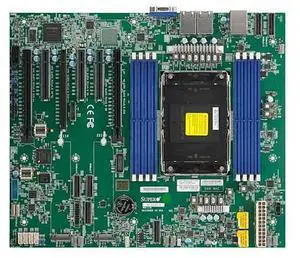
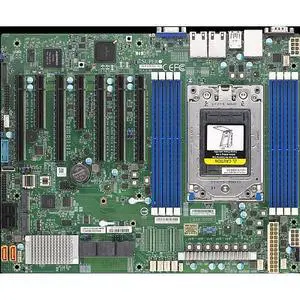
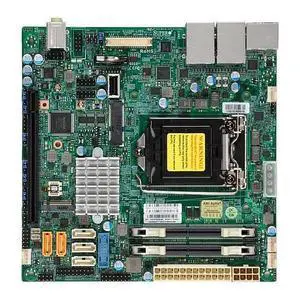
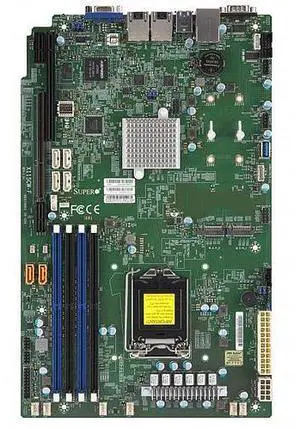
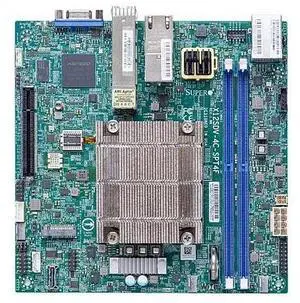
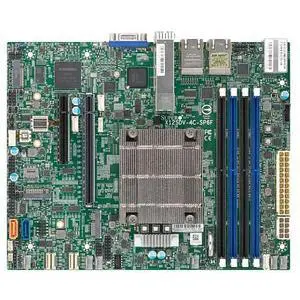
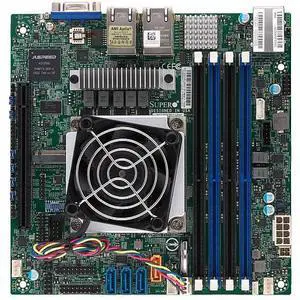
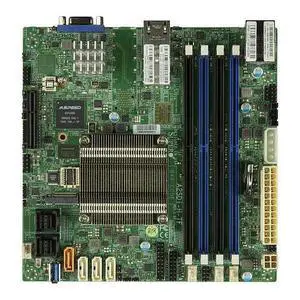

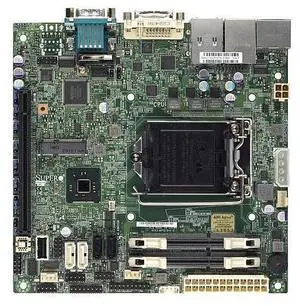
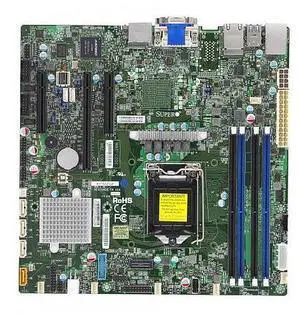
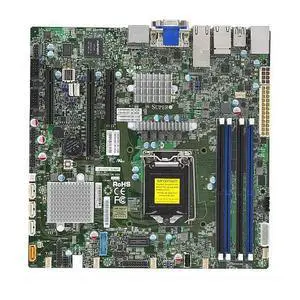
Server motherboards play a pivotal role in facilitating efficient communication between CPUs and other server hardware. While functionally similar to traditional computer motherboards, server motherboards are specifically designed to handle more intensive workloads, higher temperatures, and environmental stress typical in data centers and high-density IT network environments. Selecting the appropriate server motherboard significantly impacts server performance, reliability, and scalability.
Choosing the appropriate form factor is crucial when selecting a server motherboard. Popular server motherboard form factors include ATX, Mini-ITX, Micro-ATX, and specialized boards such as Mini-ITX motherboards with 10GbE or dual LAN support. An ATX motherboard offers compatibility with multiple redundant power supplies and expansive hardware support, making it ideal for high-capacity applications. In contrast, Mini-ITX and Micro-ATX motherboards, with their compact designs, are perfect for environments where space optimization is vital, such as NAS servers or densely packed data centers. Be sure to consider the rack type and required components when choosing the right form factor for your server chassis
Server motherboard selection directly influences your choice of CPUs. Whether you're configuring a workstation motherboard or a dedicated server motherboard, compatibility with CPUs such as AMD EPYC, Intel Xeon W, Ampere Altra, or Threadripper Pro is essential. Motherboards designed specifically for EPYC CPUs, such as EPYC 4005 , EPYC 4004, EPYC 7003, EPYC 9004, and EPYC 9005, offer robust compute performance and flexibility. Options like dual processor motherboards, dual AMD EPYC motherboards, or quad processor motherboards further enhance compute capability and scalability.
Motherboards featuring sockets such as AMD SP5 or AM5 provide extensive options for CPU combinations. Selecting an AMD EPYC motherboard or Intel-compatible dual Xeon motherboard enables cost-effective upgrades and ensures performance consistency across server deployments.You should be able to keep your motherboard in most cases.
Server motherboards also dictate your server memory and storage solutions. ECC memory, crucial for error correction and reliability in servers, requires a compatible motherboard. Many server motherboards support both ECC and non-ECC memory, providing flexibility based on your performance and budget needs. Compatibility with specialized storage solutions like SAS motherboards also enhances storage efficiency and data throughput, critical in demanding IT environments.
Cooling is a primary consideration when deploying servers. Efficient cooling reduces operational costs and minimizes system downtime due to overheating. Smaller form factors like Micro ITX often require enhanced cooling features integrated directly into the motherboard design. Selecting a motherboard with robust built-in cooling capabilities can significantly reduce cooling-related expenditures. Manufacturers such as Supermicro deliver server motherboards that incorporate advanced cooling technologies even in compact form factors, contributing to environmental sustainability and compliance with global energy standards.
“ The reason is that the board is most definitely designed to be a server motherboard. ”
GIGABYTE MH53-G40 Server Motherboard - AMD Ryzen™ Threadripper™ PRO 9000/7000 WX - E-ATX UP“ This is an insane board for around with all the features. Its been chugging along great as a virtual host for a month and should continue to do so. Completely recommend if trying to put together a robust server. ”
AsRock Rack B650D4U Micro-ATX Server Motherboard Single Socket AMD EPYC™ 4005/4004 and AMD Ryzen™ 9000/8000/7000 series Processors (LGA 1718) B650E PCIe 5.0 Dual 1G Lan“ I would, this is one of the few only server boards that has built in 10G. ”
ASRock Rack B650D4U-2L2T/BCM Micro-ATX Server Motherboard Single Socket AMD EPYC™ 4005/4004 and AMD Ryzen™ 9000/8000/7000 Series Processors (LGA 1718) B650E PCIe 5.0 Dual 10G Lan“ This is a fantastic server motherboard, it has IPMI and only requires three power connections. ”
AsRock Rack B650D4U Micro-ATX Server Motherboard Single Socket AMD EPYC™ 4005/4004 and AMD Ryzen™ 9000/8000/7000 series Processors (LGA 1718) B650E PCIe 5.0 Dual 1G Lan“ The only server motherboard that allows you to use a consumer grade Zen 4 CPU. ”
ASRock Rack B650D4U-2L2T/BCM Micro-ATX Server Motherboard Single Socket AMD EPYC™ 4005/4004 and AMD Ryzen™ 9000/8000/7000 Series Processors (LGA 1718) B650E PCIe 5.0 Dual 10G Lan


