




 here!
I’m your shopping assistant for PC builds, upgrades, and everything tech.
Got questions? Ask away!
Start a conversation
here!
I’m your shopping assistant for PC builds, upgrades, and everything tech.
Got questions? Ask away!
Start a conversation



Any questions? Ask CelesteSM will help you find out quickly.
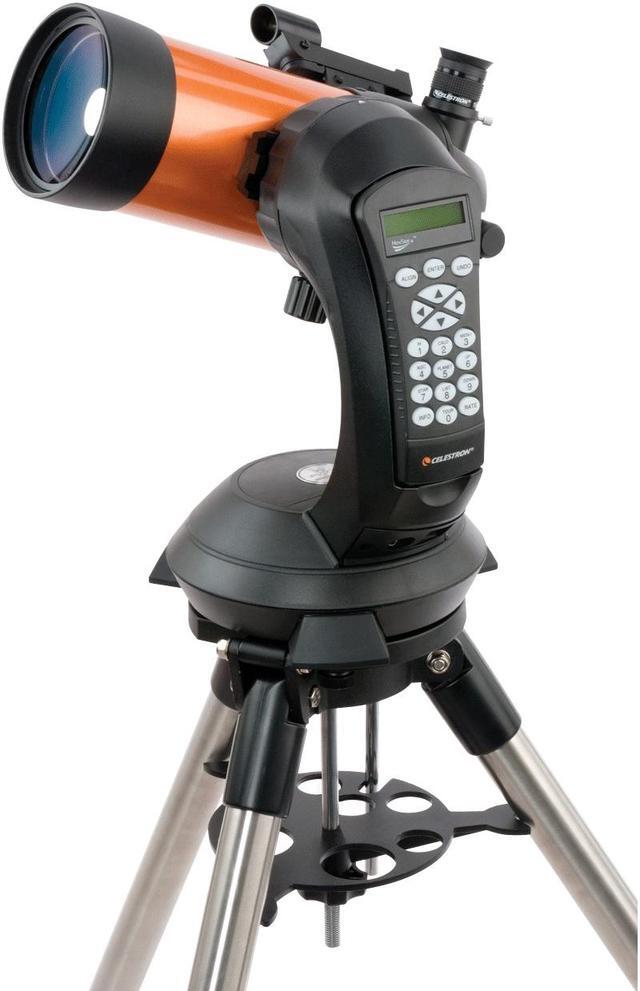
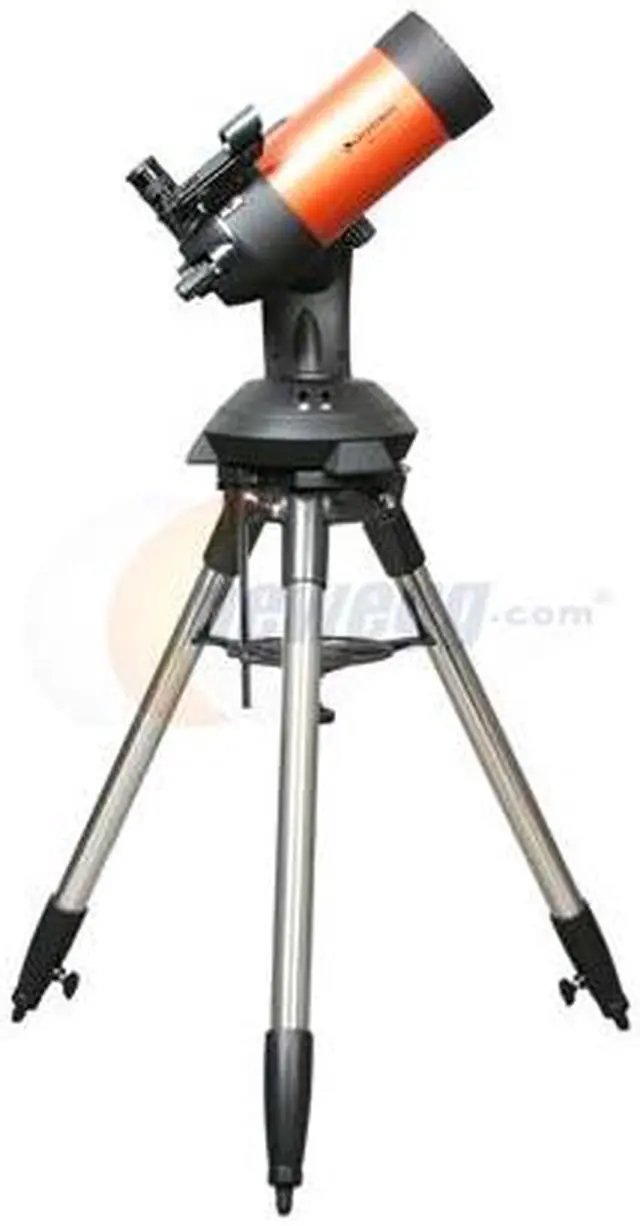
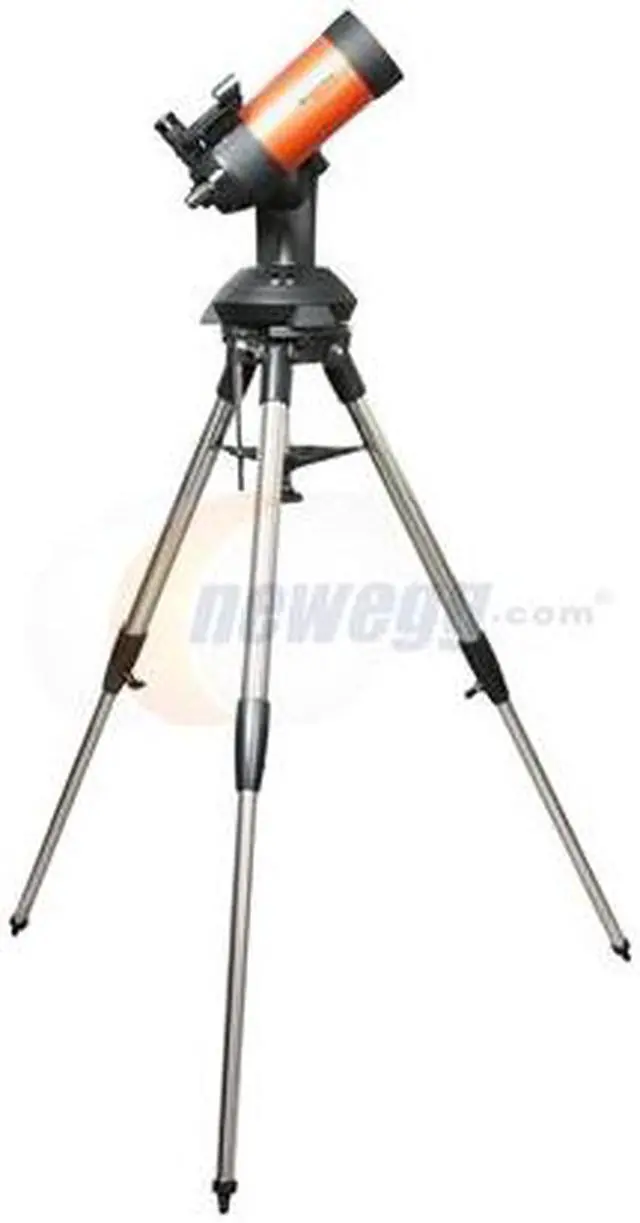
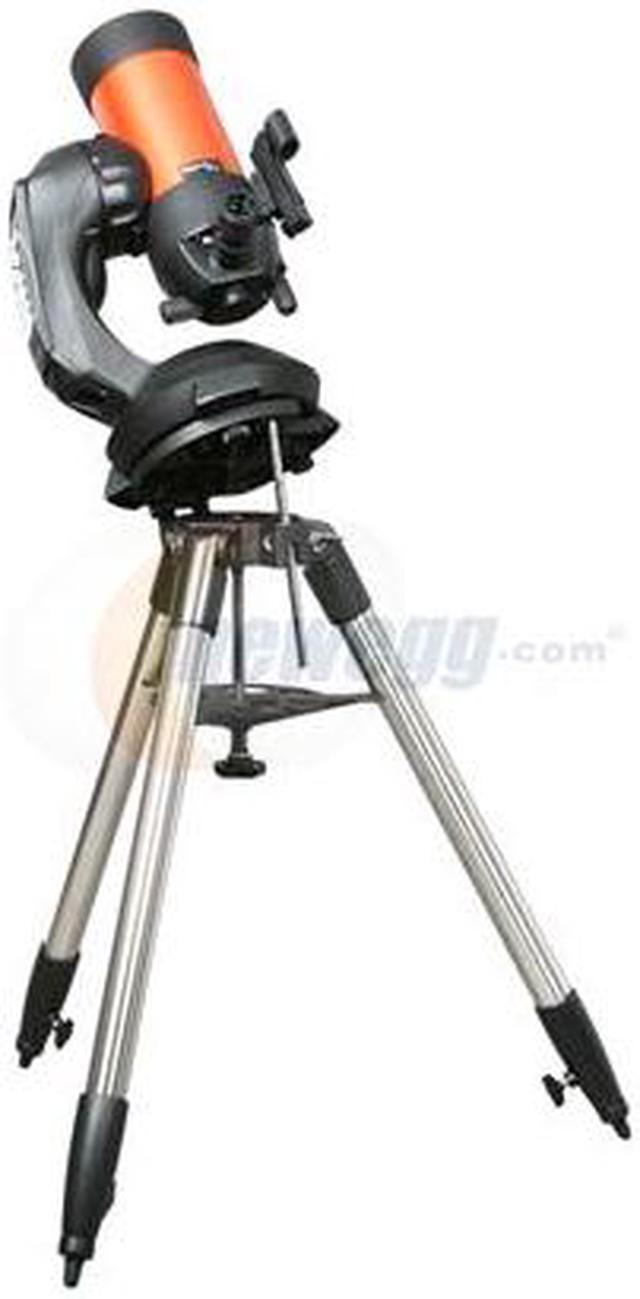
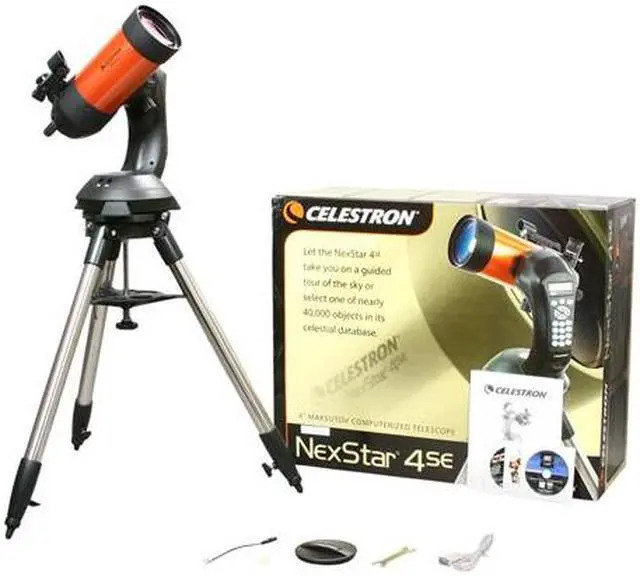
In the tradition of Celestron's famous orange optical tubes, the new Celestron NexStar 4SE combines the classic heritage of the original orange tube telescopes with state-of-the-art features including a fully computerized operating system, flash upgradeable hand control, superior StarBright XLT coatings, revolutionary SkyAlign telescope alignment software and much more.
Let the Celestron NexStar 4SE help you find thousands of stars, planets galaxies and more at the touch of a button! Or, let the intelligent Celestron NexStar 4SE give you a guided tour of the night sky by showing you the best objects to view for your exact time and location anywhere in the world!
The Celestron NexStar 4SE comes pre-assembled so you can start your stargazing immediately. The telescope comes with software called “The Sky”. Locate and identify thousands of celestial objects on your laptop or PC with “The Sky” Level 1 software included FREE with every NexStar model.
 High Performance TelescopeWeighing merely 21 lbs including the tripod, the ultra portable Celestron NexStar 4SE features high quality Maksutov-Cassegrain optics with 1,325 mm focal length. The powerful magnification capability brings objects up to 241 times closer than your naked eyes can see. Presented as the first Maksutov system to ever feature premium StarBright XLT coatings, coupled with the ultra sturdy steel tripod featuring built-in wedge, the NexStar 4SE is an ideal telescope for observation and astrophotography.
 Computerized MountWhat makes the Celestron NexStar 4SE stand out from the pack is its fully computerized operating system incorporating SkyAlign alignment technology, a sky tour feature, a database of nearly 40,000 celestial objects, flash upgradeable hand control and NexRemote telescope control that enables advanced control of your telescope via computer. Along with “the Sky” Level 1 Planetarium software for exploring the universe, the Celestron NexStar 4SE brings you the most advanced features and incredible value with unprecedented ease of use.
The Celestron NexStar 4SE is a computerized 4-inch Maksutov-Cassegrain telescope with GoTo alignment and tracking, suited to beginners and hobbyists who want guided views of the Moon, planets, and other celestial objects.
| Attribute | Value |
|---|---|
| Best For | Computer-guided viewing and locating celestial objects, with a built-in wedge for astrophotography setups |
| Optical Design And Performance | 102 mm (4.02-inch) Maksutov-Cassegrain optics with a 1325 mm focal length, f/13 focal ratio, and StarBright XLT coatings; 1.14-arcsecond Dawes resolution and 12.5 limiting stellar magnitude |
| Eyepiece And Viewing | Includes a 25 mm eyepiece for 53× magnification; useful magnification range is 15×–241×, with a 1-degree apparent field of view and an internal flip mirror for straight-through or 90-degree viewing |
| Mount, Alignment And Tracking | Computerized single-fork-arm alt-azimuth mount with SkyAlign and multiple one- and two-star alignment procedures; tracks at sidereal, solar, or lunar rates, with Alt-Az and EQ North/South tracking modes |
| Hand Control And Computerized Features | NexStar hand control with a two-line, 16-character LCD and backlit buttons; database of nearly 40,000 objects, camera-control feature, and RS-232 computer connection |
| Power And Connections | Uses 8 AA batteries, not included; also supports a 12 V AC adapter or Celestron PowerTank, neither included. Includes RS-232, auxiliary, and camera-control ports |
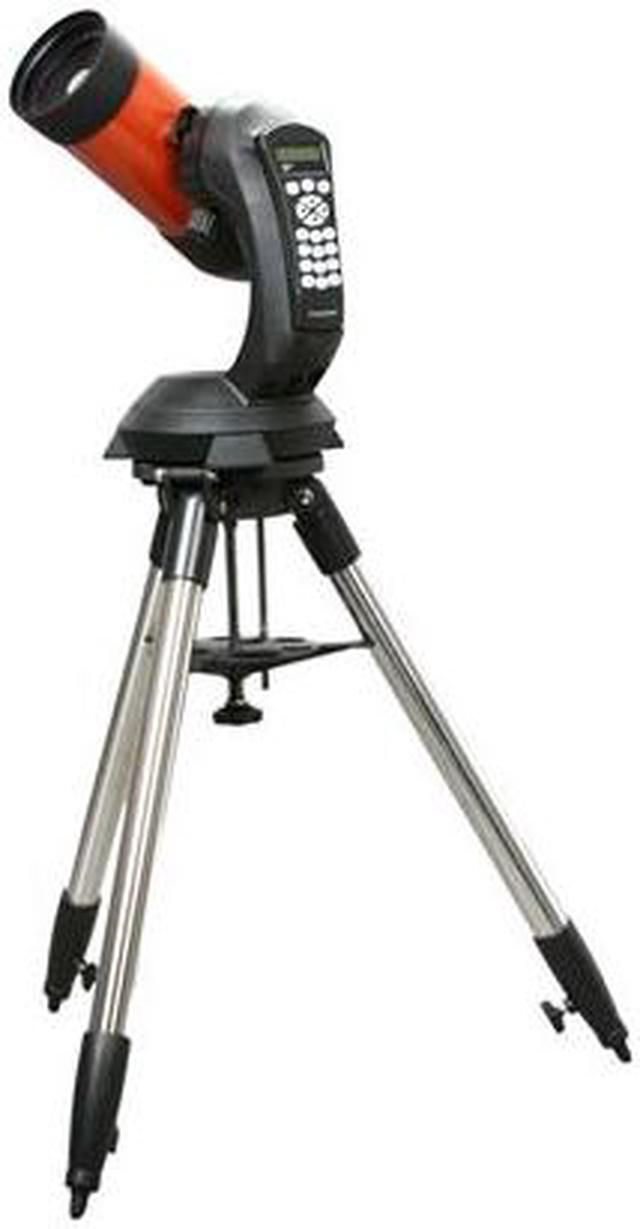
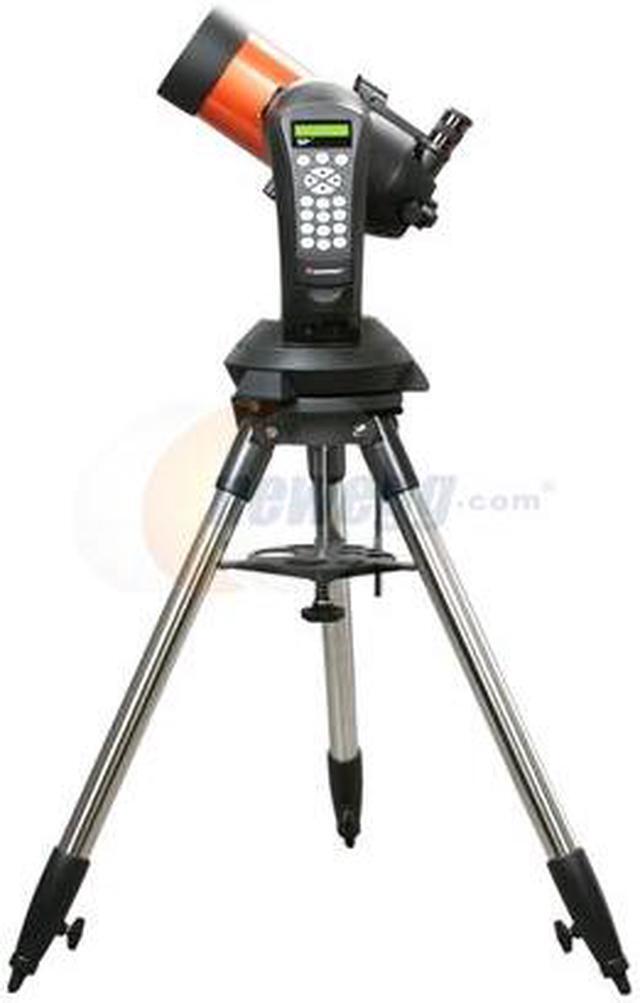
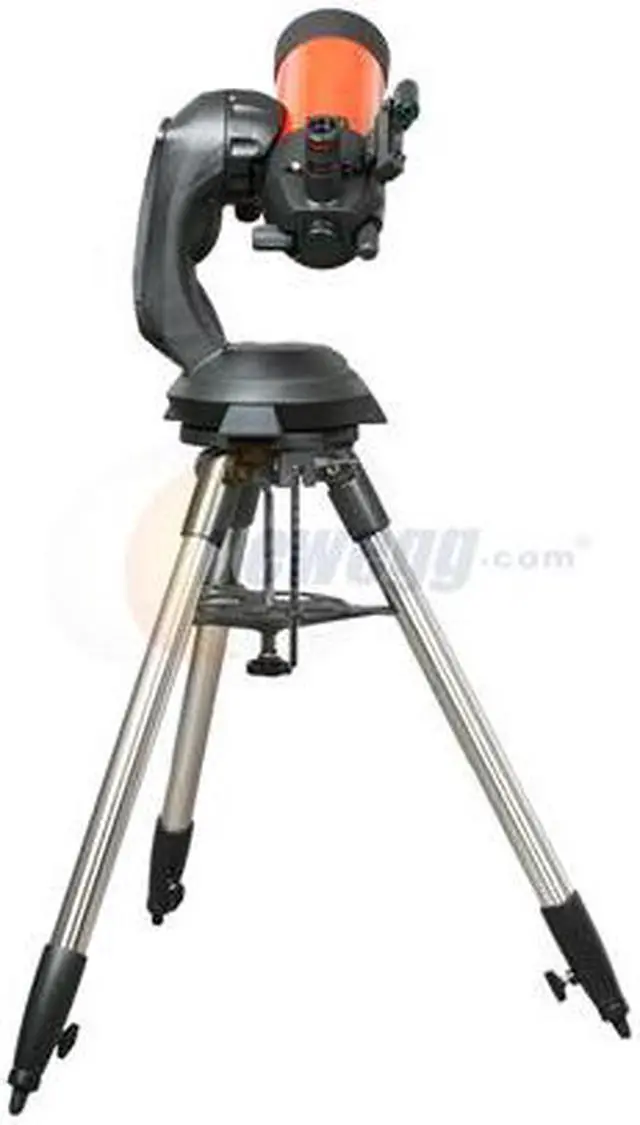
| Included Components And Construction | Includes optical tube, fork-arm mount, steel tripod with built-in wedge, accessory tray, StarPointer finderscope, hand control, and 25 mm eyepiece; optical tube is 343 mm (13.5 inches) long |
| Model Identifiers | Celestron NexStar 4SE Computerized Telescope, model/part number 11049 |
Q: NexStar 4SE or 5SE: which should I choose for lunar and planetary viewing?
A: Choose the NexStar 4SE if you want a 102mm Maksutov-Cassegrain with an f/13 focal ratio and a compact 13.5-inch optical tube. The 5SE offers a larger 125mm aperture and Schmidt-Cassegrain optics, while both models include computerized GoTo mounts. The 4SE’s long-focal-ratio Maksutov design is a strong fit for observing the Moon and planets.
Q: Should I get the NexStar 4SE or 6SE?
A: Choose the NexStar 4SE if you prefer its 102mm Maksutov-Cassegrain design and f/13 focal ratio. The 6SE is the step up in aperture, with a 150mm Schmidt-Cassegrain optical tube; both are computerized NexStar SE telescopes with motorized altazimuth mounts.
Q: Is the NexStar 4SE or 8SE a better fit for my observing priorities?
A: Choose the NexStar 4SE for its 4-inch Maksutov-Cassegrain format, f/13 optics, and short optical tube. Choose the 8SE when larger aperture is the priority: it uses a 203mm Schmidt-Cassegrain optical tube. Both belong to Celestron’s computerized NexStar SE line.
Q: Does the telescope find and track objects automatically?
A: Yes. After you level the tripod and align the telescope using SkyAlign or another supported method, its computerized mount can point to and track objects in its database. Alignment is required, and you may need to refine the pointing.
Q: Who is the NexStar 4SE suitable for, and what can it show?
A: It suits beginners and casual observers who want computerized pointing in a compact telescope. Its 4-inch aperture is well suited to viewing the Moon and planets; it can also show some brighter deep-sky objects, especially under dark skies. The included eyepiece provides 53× magnification.
Q: Is it portable enough to take to another observing site?
A: It is designed to break down for transport, with an optical tube about 13.5 inches long and a listed total kit weight of about 11 pounds. The tripod and mount are separate pieces to carry, so it is transportable but not a one-piece grab-and-go instrument.
Q: Does it need to be plugged in, or are batteries included?
A: The telescope can run on eight AA batteries, but they are not included. It can also use a compatible 12V DC power source, which may be more practical for longer sessions or frequent motorized use.
Q: Can I use it for astrophotography?
A: It supports camera use, including a camera-control feature and shutter-release cable for compatible digital SLR cameras. The built-in wedge supports astrophotography setups, but a camera and any required adapters are separate; the telescope is not an all-in-one camera or live-view display.
Q: Is the NexStar 4SE good for viewing planets and deep-sky objects?
A: It is better suited to the Moon, planets, and brighter deep-sky targets than to faint or wide-field objects. Its 4-inch aperture and 1325 mm focal length favor higher-magnification views, but limit light gathering and field of view. Consider a larger-aperture telescope if faint deep-sky observing is your priority.
Q: Can the NexStar 4SE be used for astrophotography?
A: It can be used for lunar and planetary imaging, but it is a poor fit for long-exposure deep-sky imaging. Its long focal ratio, narrow field of view, and alt-azimuth tracking make that type of imaging difficult. The included camera-control feature does not remove those limitations.
Q: Is the NexStar 4SE manageable as a first telescope?
A: It can work for a beginner who wants computerized object finding and is willing to learn the alignment process. User discussions describe alignment as a potential learning curve, so it may be less straightforward than a manual telescope. Check that you are comfortable setting up and aligning a computerized mount before choosing it.
Q: Is the NexStar 4SE a good choice if portability matters?
A: Portability is one of its practical strengths: the telescope kit weighs about 11 lb and the optical tube is 13.5 inches long. Owners describe it as convenient to transport and use for quick observing. The trade-off is its smaller aperture, which shows less detail in faint deep-sky targets than a larger telescope can.


