




 here!
I’m your shopping assistant for PC builds, upgrades, and everything tech.
Got questions? Ask away!
Start a conversation
here!
I’m your shopping assistant for PC builds, upgrades, and everything tech.
Got questions? Ask away!
Start a conversation



Any questions? Ask CelesteSM will help you find out quickly.


We want to ensure your holiday shopping this year is hassle-free. That’s why we’re automatically extending our return policies on almost every product! For purchases placed between November 1st, 2026 and December 31, 2026 you will have until January 31, 2027 to return your product.
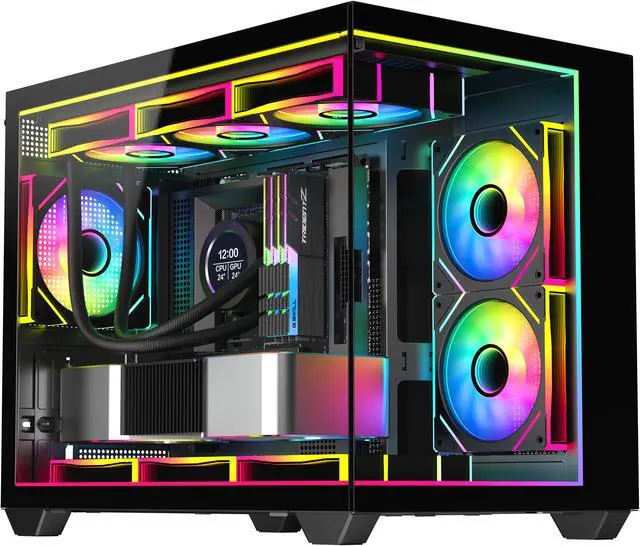
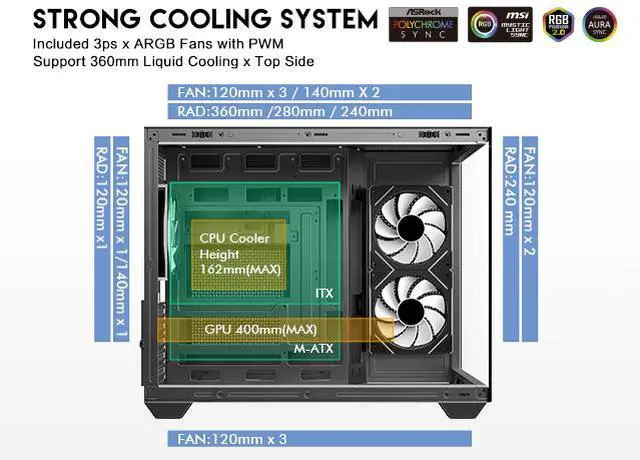
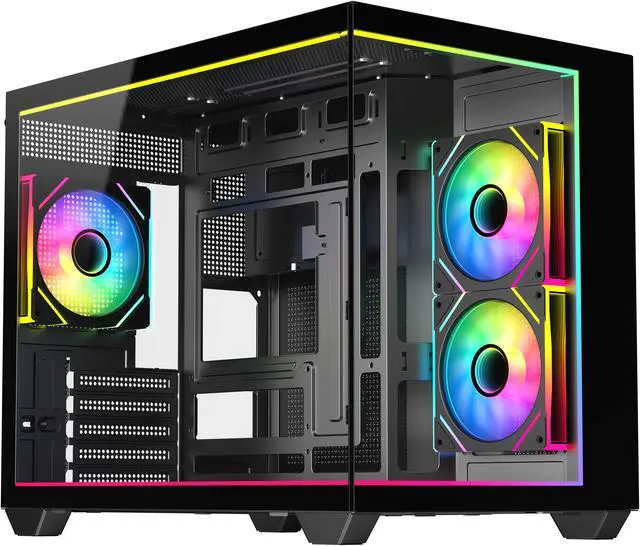
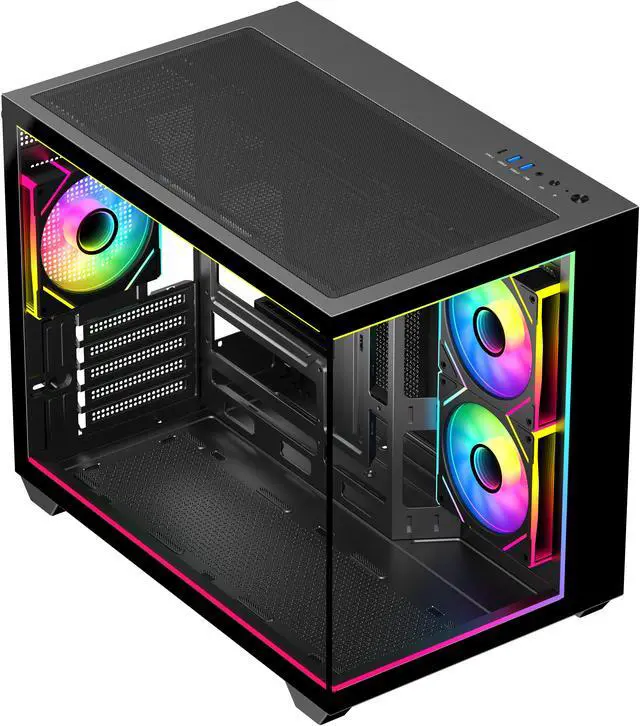
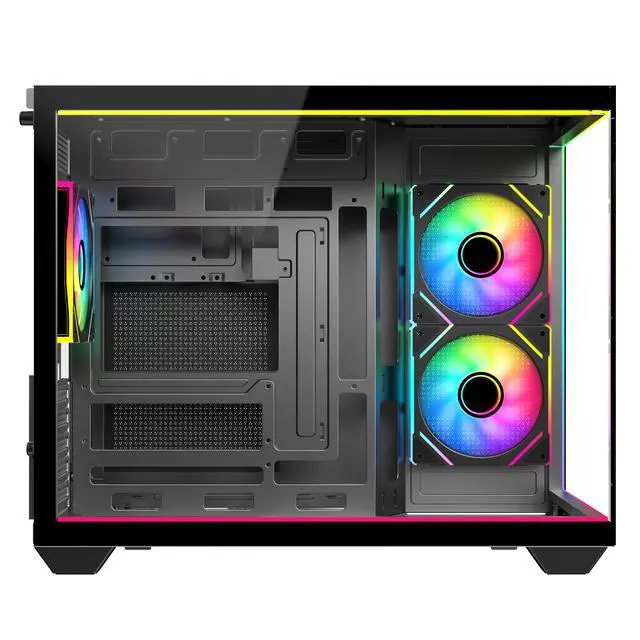
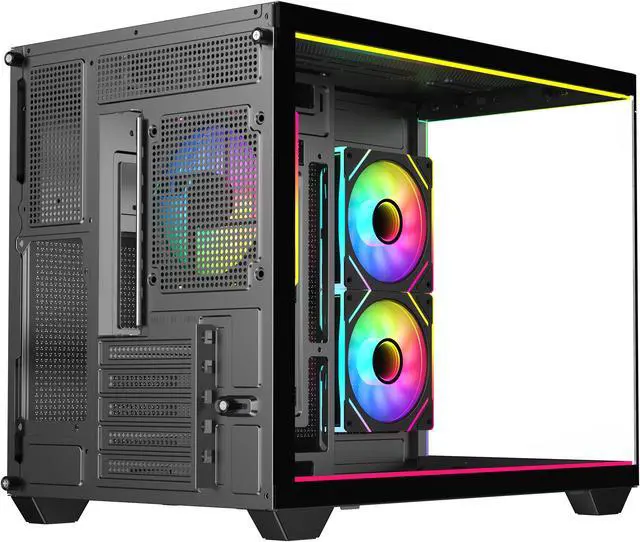
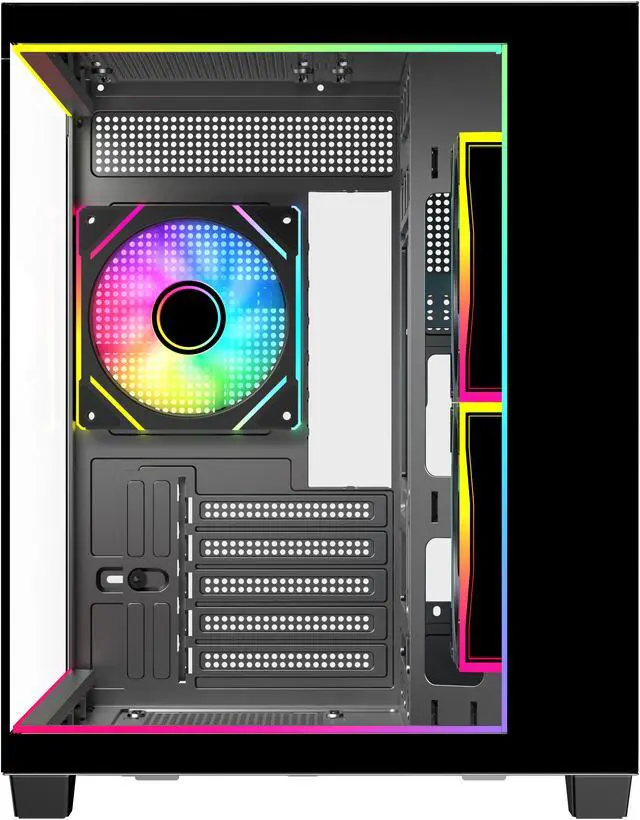
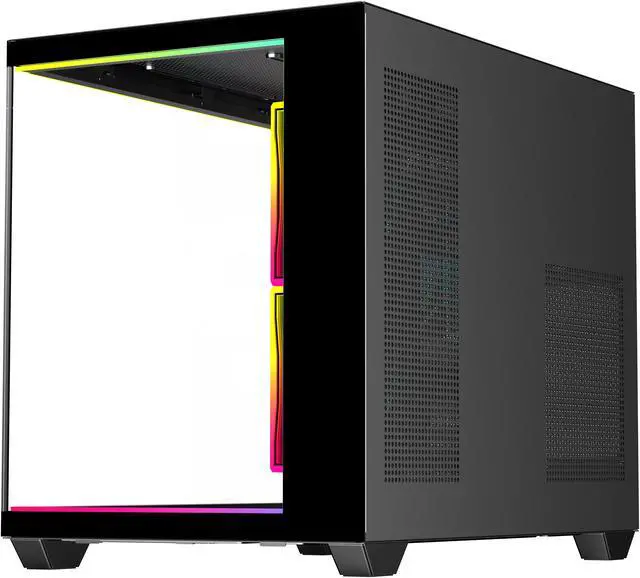
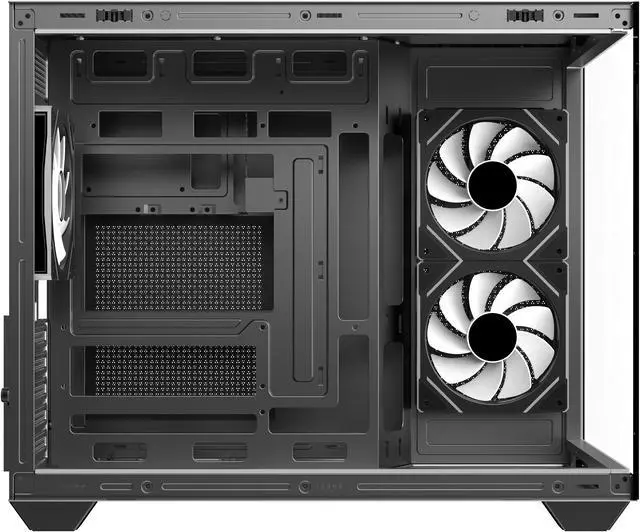
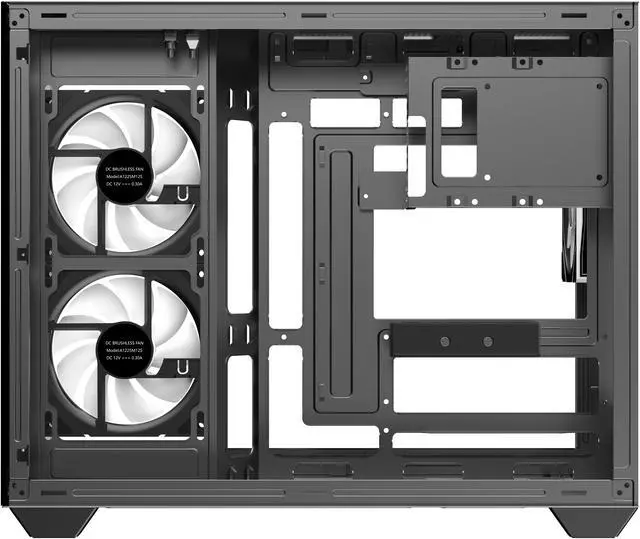
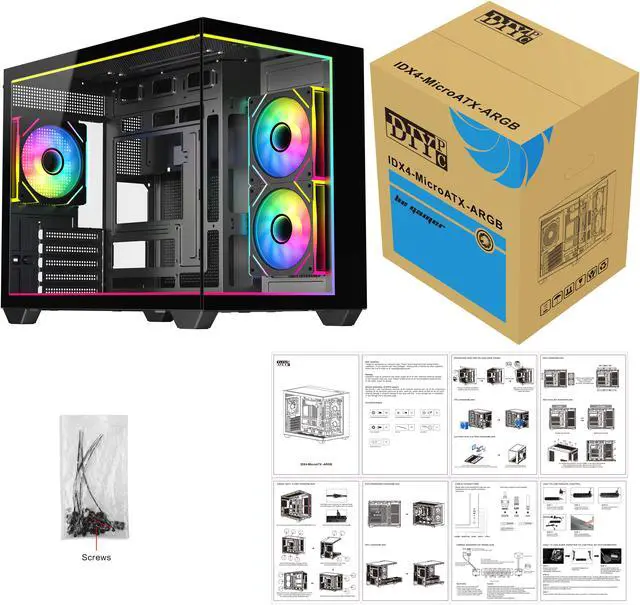
The DIYPC IDX4-MicroATX-ARGB is a black micro-ATX gaming PC case with dual tempered glass, three pre-installed ARGB PWM fans, and support for up to a 360mm top radiator, making it a strong fit for gamers and DIY builders who want showcase styling, modern Type-C connectivity, and room for long GPUs in a compact-to-mid-size build.
Q: Should I buy the DIYPC IDX4-MicroATX-ARGB or the Montech AIR 100 ARGB for a Micro-ATX gaming build?
A: Choose the DIYPC IDX4-MicroATX-ARGB if you want a showcase-style Micro-ATX case with dual tempered-glass panels, a built-in Type-C port, support for up to a 360 mm top radiator, and unusually long 400 mm GPU clearance for this size class. Choose the Montech AIR 100 ARGB if your priority is a more airflow-first design with a mesh front and a widely reviewed layout that is commonly recommended for straightforward Micro-ATX builds. In short: IDX4 fits buyers who want glass-heavy presentation and larger cooling or GPU headroom, while AIR 100 ARGB fits buyers who want a simpler airflow-focused alternative with a longer review track record.
Q: Is the DIYPC IDX4-MicroATX-ARGB a better fit than the Thermaltake View 170 TG ARGB?
A: The DIYPC IDX4-MicroATX-ARGB is the stronger fit if you need more component headroom. Based on the listed specs, it supports up to a 400 mm GPU and up to a 360 mm top radiator, while published View 170 specifications point to shorter GPU clearance and a smaller overall cooling envelope. The Thermaltake View 170 makes more sense if you want a compact glass-focused Micro-ATX case and your parts stay within its more typical size limits. The practical trade-off is that the IDX4 gives more upgrade flexibility, while the View 170 stays focused on compact presentation.
Q: Should I step up from a basic Micro-ATX case to the DIYPC IDX4-MicroATX-ARGB?
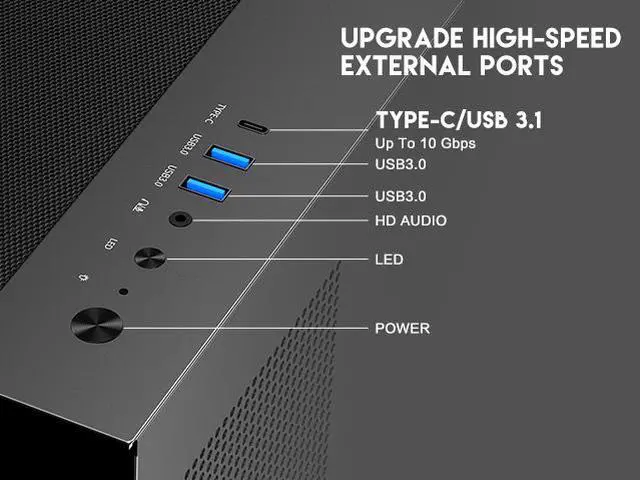
A: Yes, the DIYPC IDX4-MicroATX-ARGB is a sensible step up if your current alternatives are simpler budget Micro-ATX cases that usually offer fewer included fans, less glass presentation, no front Type-C, or less radiator and GPU clearance. The IDX4 is positioned as a higher-feature Micro-ATX option because it includes three ARGB PWM fans, an ARGB/PWM hub, dual tempered glass, Type-C on the top I/O, and support for up to nine fans. A lower-tier case still works well for cost-controlled builds, but the IDX4 is the better choice when aesthetics, cooling expandability, and future GPU compatibility matter more than minimizing cost.
Q: Should I choose the DIYPC IDX4-MicroATX-ARGB or move up to a larger ATX case like the Montech XR?
A: Choose the DIYPC IDX4-MicroATX-ARGB if you are building around a Micro-ATX or ITX motherboard and want a smaller footprint without giving up long GPU support, Type-C, or 360 mm radiator compatibility. Move up to an ATX case like the Montech XR if you want native ATX motherboard support, more interior working room, and the flexibility that comes with a larger chassis class. The main decision is motherboard size and space preference: IDX4 is the better fit for compact performance-oriented builds, while XR is the better fit if you want ATX expansion and easier building clearance.
Q: Is this case a good fit for a compact gaming build with a large GPU and strong cooling?
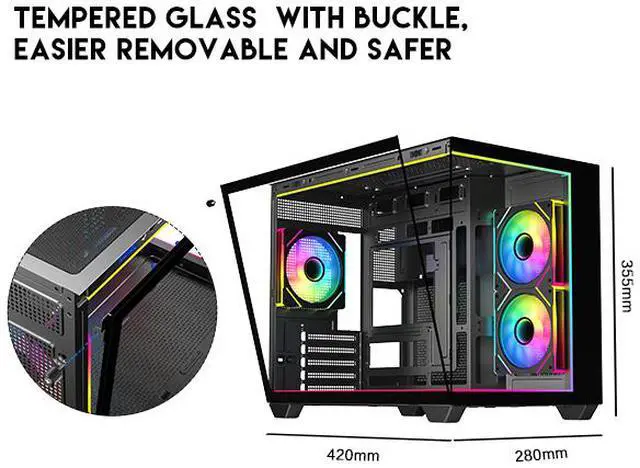
A: Yes. This case is well-suited to a compact micro-ATX gaming build if you want more GPU and radiator headroom than many small cases offer. It supports Micro-ATX and ITX motherboards, GPUs up to 400 mm, CPU coolers up to 162 mm, and a top radiator up to 360 mm. That makes it a better fit for longer graphics cards and larger liquid coolers than many comparable micro-ATX showcase cases, which often top out closer to 340 mm GPU support or 240/280 mm top radiators.
Q: Who is this case best for?
A: It is best for buyers who want a micro-ATX case that looks like a showcase build but still has meaningful cooling capacity. The dual tempered-glass layout, three pre-installed ARGB PWM fans, included ARGB/PWM hub, Type-C front I/O, and support for up to nine fans make it a practical choice for gaming-focused builds where appearance and airflow both matter. It is less ideal for buyers who want maximum storage capacity or a very minimal, airflow-first mesh design.
Q: How easy is it to control the RGB lighting and fans?
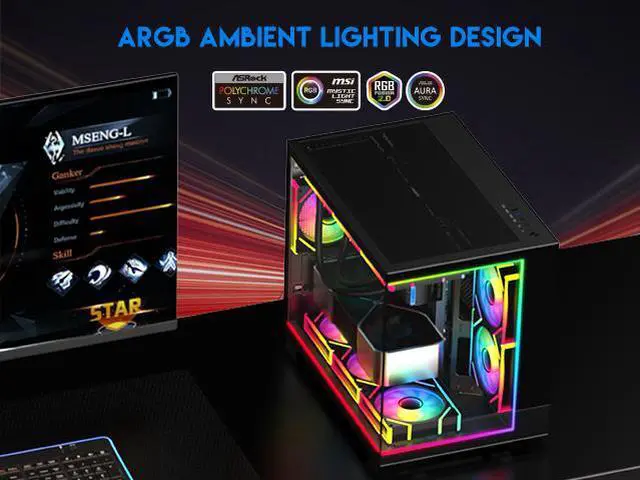
A: It should be straightforward for most standard builds. The case includes an ARGB hub with PWM support, and the lighting can be controlled either by the case button or by a motherboard with a 5V 3-pin ARGB header. That is a practical advantage over some retail alternatives where RGB depends mainly on motherboard software or separate controller wiring. Buyers should still confirm that their motherboard has the correct 5V ARGB header if they want full software sync.
Q: What are the main trade-offs versus a dual-chamber competitor case?
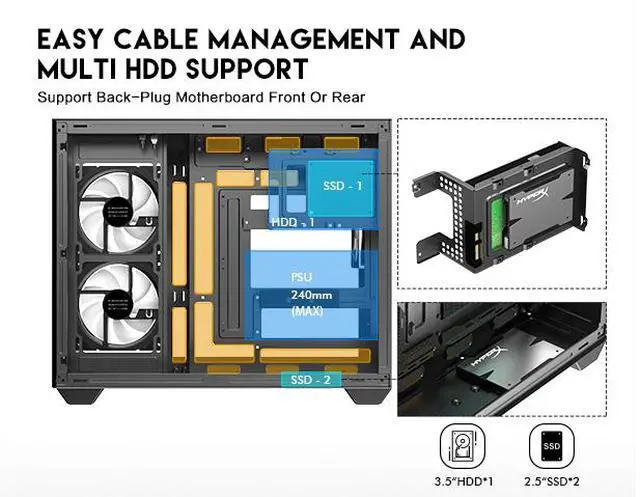
A: The main trade-off is value and fit versus build layout. This DIYPC case gives you strong cooling capacity, Type-C, and three included ARGB PWM fans in a micro-ATX format, but it uses a more conventional single-chamber layout and offers modest storage support with one 3.5-inch bay and two 2.5-inch bays. A dual-chamber alternative can offer cleaner cable hiding and sometimes more premium build features, but usually at a higher price or larger footprint.
Q: Is this a better choice than a simpler micro-ATX case for office or basic home use?
A: Usually no. This case makes more sense for gaming or showcase builds than for basic office or home PCs. Its strengths are tempered-glass presentation, ARGB lighting, fan capacity, and liquid-cooling support. For a low-power office build, those features add size and visual emphasis that many buyers do not need, so a simpler airflow-focused or quieter case is often the more practical choice.
Q: Who is this case a good fit for?
A: This case is best for a Micro-ATX or Mini-ITX gaming build where you want a compact footprint, tempered-glass presentation, and included ARGB fans without needing to add a separate fan hub. It is less suitable if you need ATX motherboard support or a more understated, airflow-first design with no glass panels.
Q: Is this a good choice for a high-airflow gaming build?
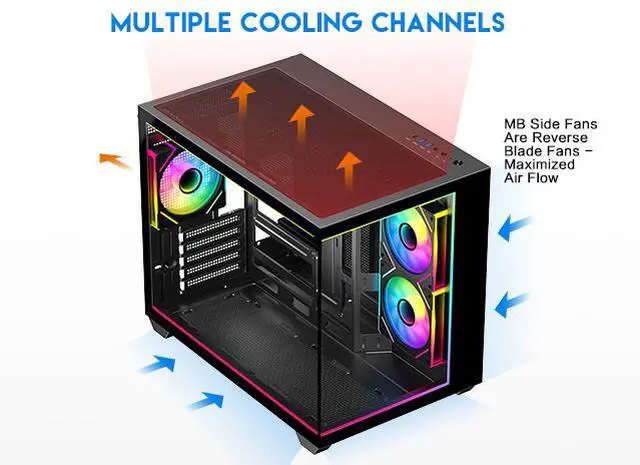
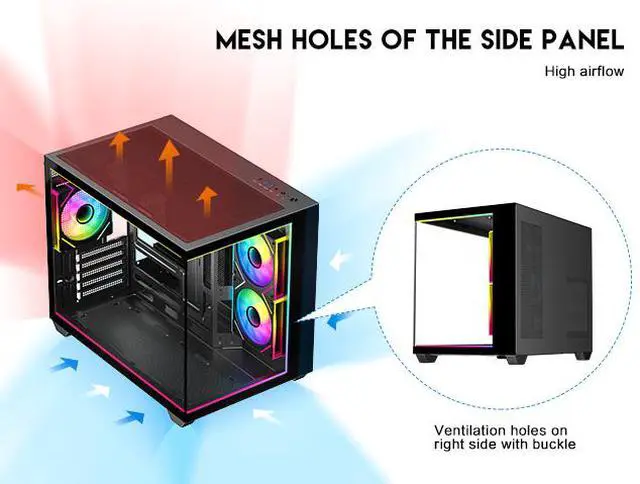
A: It can work well for a gaming build that benefits from multiple fan positions and top radiator support, especially since it includes three pre-installed PWM ARGB fans. The trade-off is that its glass-heavy design is aimed at appearance as much as airflow, so buyers who want the most ventilation for the money may still prefer a mesh-front case.
Q: Will it fit large GPUs and common tower air coolers?
A: Yes for many builds. The listed clearances are generous for a Micro-ATX case: up to 400 mm GPU length and up to 162 mm CPU cooler height. That makes it suitable for many modern full-length graphics cards and mainstream tower coolers, but very tall air coolers or unusually thick front-mounted component layouts should still be checked carefully against exact part dimensions.
Q: Is it a good buy if I want easy RGB control?
A: Yes, if simple RGB setup matters. It supports two control paths: a manual case button or motherboard sync through a 5V 3-pin ARGB header, and it includes an ARGB/PWM hub. That makes it a practical choice for builders who want lighting control without buying extra accessories. It is not ideal if your motherboard lacks the required 5V ARGB header and you specifically want full software-based sync.






