
Your Browsing History
SHOP BY CPU Socket Type
Quick View
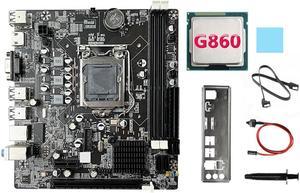
B75 Motherboard+G860 CPU+SATA Cable+Switch Cable+Baffle LGA1155 DDR3 for 2X8G for I3 I5 I7 Series Pentium Celeron CPU
- CPU Type: Intel Atom
- Model #: ff-rr-026
- S$177.85 –
- More options from S$177.16
- Free Shipping
Quick View
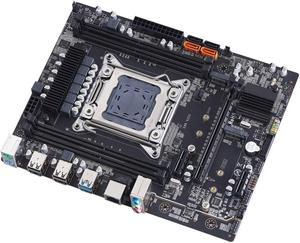
X99 Motherboard LGA 2011-3 NVME M.2 Slot Support Xeon E5 V3 V4 CPU Processor DDR4 RAM Gamer PC
- CPU Type: Dual Intel Xeon
- Model #: B2B-U-A061
- S$274.53 –
- More options from S$274.53
- Free Shipping
Quick View
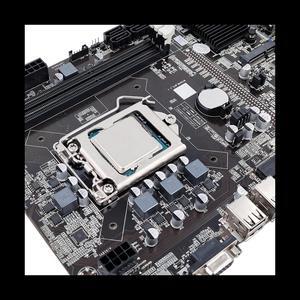
B75 12GPU BTC Mining Motherboard+G550 CPU+SATA Cable+Switch Cable Support 2XDDR3 RAM USB3.0 B75 12USB Miner Motherboard
- CPU Type: Intel Atom
- Model #: ff-rr-128
- S$305.83 –
- More options from S$304.78 - S$306.02
- Free Shipping
Quick View
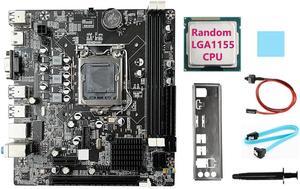
B75 Motherboard+CPU+SATA Cable+Switch Cable+Baffle LGA1155 DDR3 Support 2X8G for I3 I5 I7 Series Pentium Celeron CPU
- CPU Type: Intel Atom
- Model #: ff-rr-037
- S$257.83 –
- More options from S$199.32 - S$257.83
- Free Shipping
Quick View
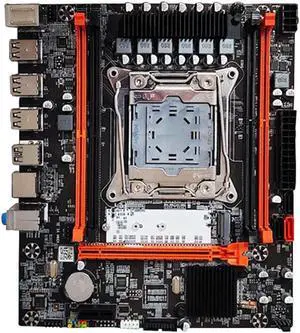
X99H Desktop Motherboard B85 Chip LGA2011-V3 DDR3X4 ECC Server Memory Slot M.2 NVME PCI-E 3.0 X16 SATA3.0 for PC
- CPU Type: Intel Atom
- Model #: ff-rr-154
- S$343.62 –
- Free Shipping
Quick View
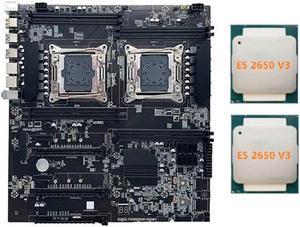
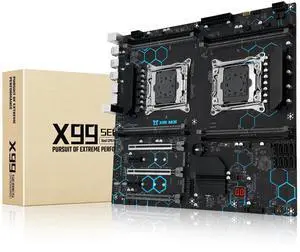
X99 Dual-Socket Motherboard LGA2011-3 Dual CPU Support RECC DDR4 Memory Computer Motherboard with 2XE5 2650 V3 CPU
- CPU Type: Intel Atom
- Model #: ff-rr-286
- S$695.98 –
- More options from S$695.98 - S$699.15
- Free Shipping
Quick View
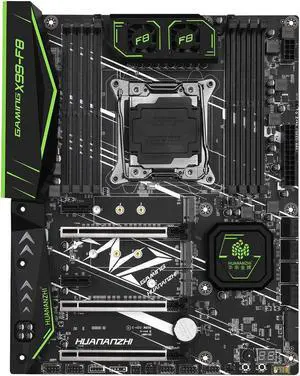
X99 F8 Motherboard Support Intel Xeox E5 cpu DDR4 3200MHz REG ECC Memoryt NVME USB3.0 Server
- CPU Type: Dual Intel Xeon
- Model #: B2B-U-A034
- S$673.95 –
- Free Shipping
Quick View
X99 F8 Motherboard Support Intel Xeox E5 cpu DDR4 3200MHz REG ECC Memoryt NVME USB3.0 Server
- CPU Type: Intel Atom
- Model #: ff-rr-533
- S$673.95 –
- Free Shipping
Quick View
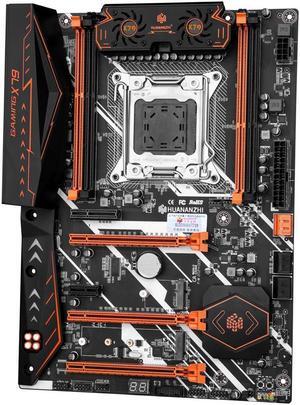
X79 DELUXE V7.1 Motherboard LGA 2011 ATX USB3.0 SATA3 PCI-E NVME M.2 support REG ECC NON-ECC memory
- CPU Type: Dual Intel Xeon
- Model #: B2B-U-A028
- S$521.16 –
- More options from S$521.16 - S$523.91
- Free Shipping

Quick View
X99 Dual CPU Motherboard LGA2011 Support DDR4 ECC Memory Motherboard+2XE5 2609 V3 CPU+SATA Cable+Switch Cable
- CPU Type: Intel Atom
- Model #: ff-rr-239
- S$564.81 –
- More options from S$562.58 - S$564.81
- Free Shipping
Quick View
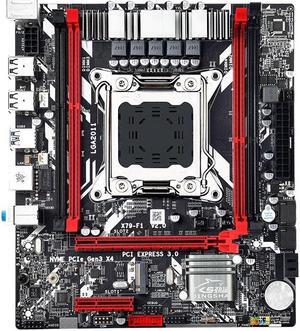
X79 F1 X79 Motherboard LGA2011 Support NVME M.2 SSD Xeon E5 V1 V2 REG ECC DDR3 Memory server
- CPU Type: Dual Intel Xeon
- Model #: B2B-U-A004
- S$272.66 –
- Free Shipping
Quick View
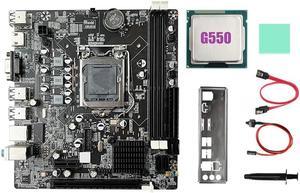
B75 Desktop Motherboard+G550 CPU+SATA Cable+Switch Cable+Baffle LGA1155 DDR3 for I3 I5 I7 Series Pentium Celeron CPU
- CPU Type: Intel Atom
- Model #: ff-rr-034
- S$188.83 –
- More options from S$188.83
- Free Shipping
Quick View
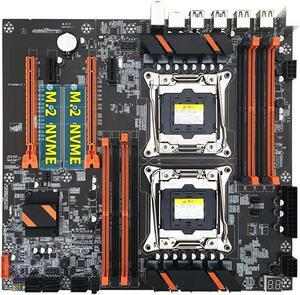
X99 Dual CPU Motherboard+2XE5 2620 V3 CPU+DDR4 4G RECC RAM+SATA Cable+Baffle+Thermal Grease LGA 2011 for 2011-V3 CPU
- CPU Type: Intel Atom
- Model #: ff-rr-264
- S$629.62 –
- More options from S$629.62 - S$632.67
- Free Shipping
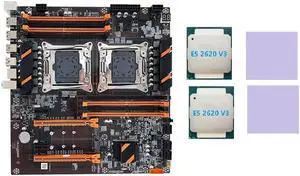
Quick View
X99 Dual CPU Motherboard LGA2011 Support DDR4 ECC Memory Motherboard with 2XE5 2620 V3 CPU+2XThermal Pad
- CPU Type: Intel Atom
- Model #: ff-rr-225
- S$527.30 –
- More options from S$525.18 - S$527.30
- Free Shipping
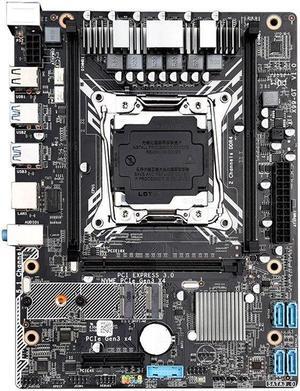
Quick View
X99-GT Motherboard X99 LGA 2011-3/4 Dual Channels Support 2X32G DDR4 for E5 2678V3/2620V3/2650V3/V4 Processors
- CPU Type: Intel Atom
- Model #: ff-rr-504
- S$247.65 –
- More options from S$246.42 - S$247.65
- Free Shipping
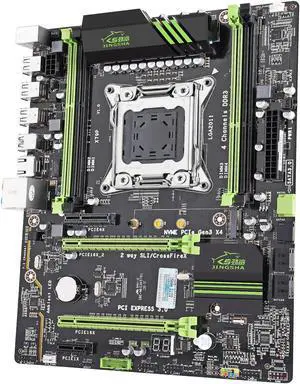
Quick View
X79 P Motherboard LGA2011 Support Xeon E5 CPU DDR3 RAM 1600Mhz Four Channels ATX
- CPU Type: Intel Atom
- Model #: ff-rr-559
- S$293.76 –
- More options from S$293.76 - S$294.78
- Free Shipping
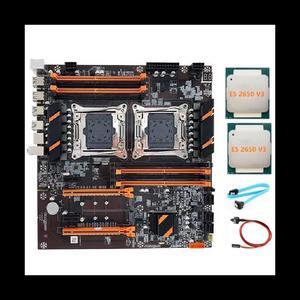
Quick View
X99 Dual CPU Motherboard LGA2011 Support DDR4 ECC Memory Motherboard+2XE5 2650 V3 CPU+SATA Cable+Switch Cable
- CPU Type: Intel Atom
- Model #: ff-rr-226
- S$545.54 –
- More options from S$543.33 - S$545.54
- Free Shipping
Quick View
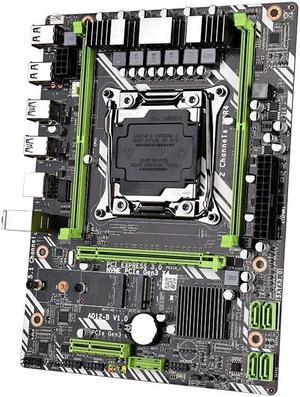
X99 Motherboard LGA 2011-3 USB3.0 NVME M.2 SATA3 Support Xeon E5 V3/v4 CPU ECC DDR4 RAM Memory
- CPU Type: Intel Atom
- Model #: ff-rr-505
- S$257.26 –
- More options from S$255.98 - S$257.26
- Free Shipping
Quick View
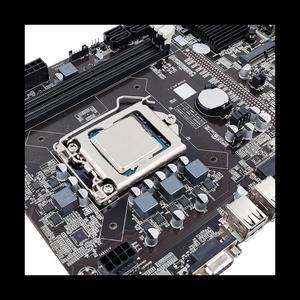
B75 12GPU BTC Mining Motherboard+Random CPU Support 2XDDR3 RAM MSATA 12XUSB3.0 B75 USB Miner Motherboard
- CPU Type: Intel Atom
- Model #: ff-rr-129
- S$323.62 –
- More options from S$322.55 - S$323.62
- Free Shipping
Quick View
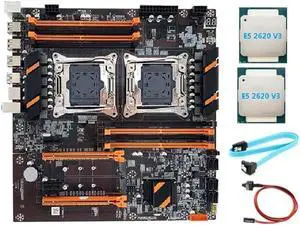
X99 Dual CPU Motherboard LGA2011 Support DDR4 ECC Memory Motherboard+2XE5 2620 V3 CPU+SATA Cable+Switch Cable
- CPU Type: Intel Atom
- Model #: ff-rr-227
- S$562.14 –
- More options from S$562.14 - S$564.41
- Free Shipping
Quick View
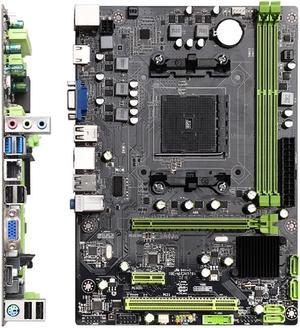
A88 Motherboard FM2 Dual Channels Support DDR3 Extreme Gaming Performance Support A-M-D A Series Processor
- CPU Type: Dual Intel Xeon
- Model #: B2B-U-A049
- S$148.39 –
- More options from S$147.93
- Free Shipping
Quick View
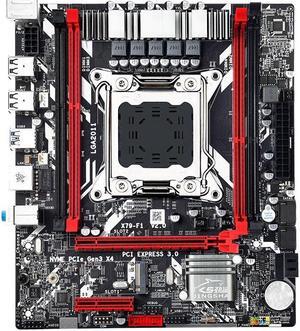
X79 Motherboard Combo Set LGA2011 with E5 2650 V2 16GB DDR3 RAM Support NVME M.2 SSD Server Kit
- CPU Type: Intel Atom
- Model #: ff-rr-506
- S$367.08 –
- More options from S$309.65 - S$367.08
- Free Shipping
Quick View
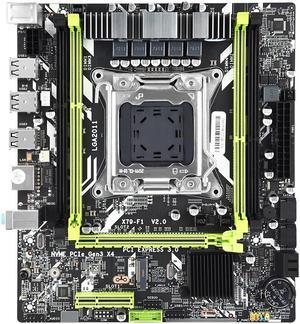
X79 Motherboard Combo Set X79 F1 LGA2011 with E5 2620 V2 16GB DDR3 RAM Support NVME M.2 SSD Server Kit
- CPU Type: Dual Intel Xeon
- Model #: B2B-U-A053
- S$298.09 –
- Free Shipping
Quick View
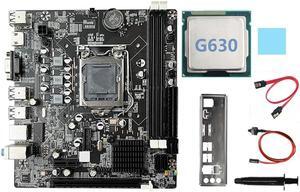
B75 Desktop Motherboard+G630 CPU+SATA Cable+Switch Cable+Baffle LGA1155 DDR3 for I3 I5 I7 Series Pentium Celeron CPU
- CPU Type: Intel Atom
- Model #: ff-rr-025
- S$178.64 –
- More options from S$177.61 - S$178.64
- Free Shipping
Quick View
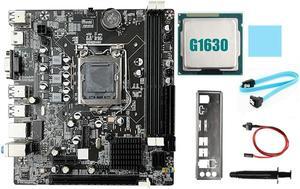
B75 Desktop Motherboard+G1630 CPU+SATA Cable+Switch Cable+Baffle LGA1155 DDR3 for I3 I5 I7 Series Pentium Celeron CPU
- CPU Type: Intel Atom
- Model #: ff-rr-060
- S$233.44 –
- More options from S$175.12 - S$233.44
- Free Shipping
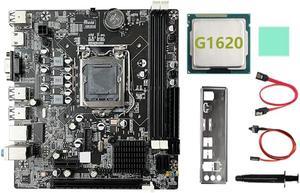
Quick View
B75 Motherboard+G1620 CPU+SATA Cable+Switch Cable+Baffle LGA1155 DDR3 for 2X8G for I3 I5 I7 Series Pentium Celeron CPU
- CPU Type: Intel Atom
- Model #: ff-rr-028
- S$176.97 –
- More options from S$176.45
- Free Shipping
Quick View
B75 12GPU BTC Mining Motherboard+Random CPU+DDR3 4GB 1600Mhz RAM+128G SSD Support 2XDDR3 RAM B75 12USB Miner Motherboard
- CPU Type: Intel Atom
- Model #: ff-rr-155
- S$399.43 –
- More options from S$399.43 - S$401.38
- Free Shipping
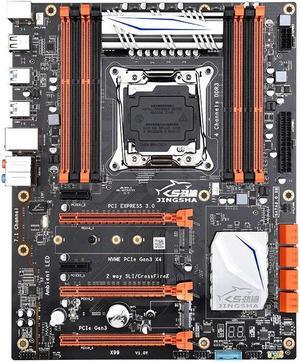
Quick View
X99 Motherboard LGA2011-3 Four Channels USB3.0 NVME M.2 SSD Supports DDR3 ECC REG RAM Up To 256GB Applicable
- CPU Type: Dual Intel Xeon
- Model #: B2B-U-A017
- S$419.91 –
- More options from S$418.19 - S$419.91
- Free Shipping
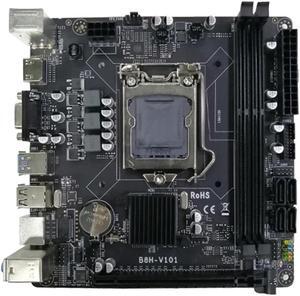
Quick View
B85 Desktop Computer Motherboard LGA1150 DDR3X2 16GB 240PIN ECC RAM Slot VGA+HD PCIE X16 Supporting I7/I5/I3/E3 CPU
- CPU Type: Intel Atom
- Model #: ff-rr-071
- S$283.45 –
- Free Shipping
Quick View
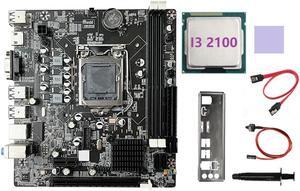
B75 Motherboard+I3 2100 CPU+SATA Cable+Switch Cable+Baffle LGA1155 DDR3 for 2X8G for I3 I5 I7 Series Pentium Celeron CPU
- CPU Type: Intel Atom
- Model #: ff-rr-038
- S$202.91 –
- More options from S$202.29
- Free Shipping
Quick View
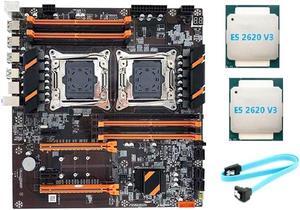
X99 Dual CPU Motherboard LGA2011 Support DDR4 ECC Memory Motherboard with 2XE5 2620 V3 CPU+SATA Cable
- CPU Type: Intel Atom
- Model #: ff-rr-240
- S$537.88 –
- More options from S$535.64 - S$537.88
- Free Shipping
Quick View
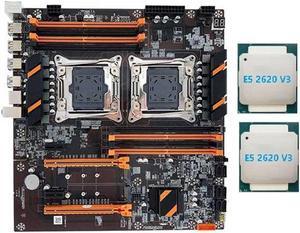
X99 Dual CPU Motherboard Support DDR4 ECC Memory Support 2011-V3 CPU Motherboard with 2XE5 2620 V3 CPU
- CPU Type: Intel Atom
- Model #: ff-rr-245
- S$564.81 –
- More options from S$562.58 - S$564.81
- Free Shipping
Quick View
X79 DELUXE V7.1 Motherboard LGA 2011 ATX USB3.0 SATA3 PCI-E NVME M.2 support REG ECC NON-ECC memory
- CPU Type: Intel Atom
- Model #: ff-rr-527
- S$522.95 –
- More options from S$520.99 - S$522.95
- Free Shipping
Quick View
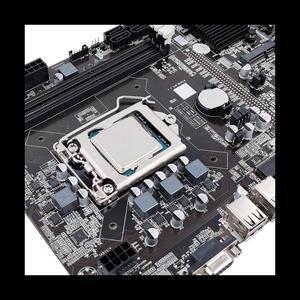
B75 12GPU BTC Mining Motherboard+G620 CPU+SATA Cable+Switch Cable Support 2XDDR3 RAM USB3.0 B75 12USB Miner Motherboard
- CPU Type: Intel Atom
- Model #: ff-rr-174
- S$324.01 –
- More options from S$322.55 - S$324.01
- Free Shipping
Quick View
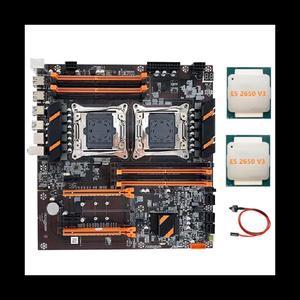
X99 Dual CPU Motherboard LGA2011 Support DDR4 ECC Memory Computer Motherboard+2XE5 2650 V3 CPU+Switch Cable
- CPU Type: Intel Atom
- Model #: ff-rr-282
- S$549.60 –
- More options from S$547.41 - S$549.60
- Free Shipping
A server motherboard provides a common communication channel between CPU and other hardware on a server. Although similar in function with computer motherboards, these are more robust by design. Like all server components, you can expect them to withstand heat, friction and vibration in a high-density IT Network environment. The form factor of a server housing and compatibility with other hardware determine the kind of server motherboard you need. For example, a Mini ITX motherboard can only fit components specific to this form factor. Cooling capabilities and future expansion are other important considerations.
Make the Most of Your Space
Different server form factors fit different motherboards. The typical types are ATX, Mini ITX and Micro ATX motherboards. Take into account the rack type and components to pick the right form factor for your server chassis. If your application requires multiple redundant server power supplies, you may opt for an ATX form factor. It is the same size as a typical tower PC. If you’re building a data center with many servers, a mini or Micro ATX may work better. The smaller size and adaptable orientation of these form factors provide more flexibility.
Be in Control of Your Compute Power
Motherboards can fit only specific CPUs, you must pick a motherboard that fits your CPU. When choosing a workstation motherboard, you consider the CPUs with optimal performance. However, this is always not the case with server motherboards. Servers typically work in a network where the processes are distributed. The software handles the majority of overhead in such a distributed system, leaving enough room for slightly underperforming hardware. This makes it easier to make more efficient choices. With motherboards that support different CPUs from the same brand, you can be flexible in choosing the compute power. This also gives you an edge when upgrading the server memory or CPU. You should be able to keep your motherboard in most cases.
Enhance Storage and Memory Compatibility
When building a server, your goal should be to improve efficiency wherever you can. Storage and memory are a good place to start. To use the type of memory or storage, you will need a compatible server motherboard. For example, an ECC memory carries an extra chip to correct common errors, but you need a supporting motherboard to use it. Cost-effective non-ECC memory is smaller and fits a different kind of motherboard. Pick a server motherboard to enjoy support for ECC and non-ECC memory.
Reduce Cooling Costs
Any data center faces the challenge of cooling efficiently. Even a single server system is vulnerable to heating related failures. Smaller form factor servers are especially prone to heating. A Micro ITX server motherboard has to provide more cooling than an ATX one. Many motherboards have enhanced cooling capabilities even in smaller sizes. While you can always pick components that generate less heat or require smaller server power supplies, efficient in-built cooling of a motherboard is desirable. This design choice will save you in the long run in the cooling costs of your data center. You also leave a smaller footprint on the environment and improve government compliance around the world.