
I keep a portable SSD in a jacket pocket most weeks, and the thing I have learned from that is that the speed rating almost never decides anything. What decides it is whether the drive survives being in a jacket pocket, and whether the port you are plugging into can actually deliver what the drive promises.
That second part catches a lot of people. A drive rated at 2,000 MB/s plugged into an ordinary USB 3.2 Gen 2 port runs at half that, and there is nothing wrong with either piece of hardware.
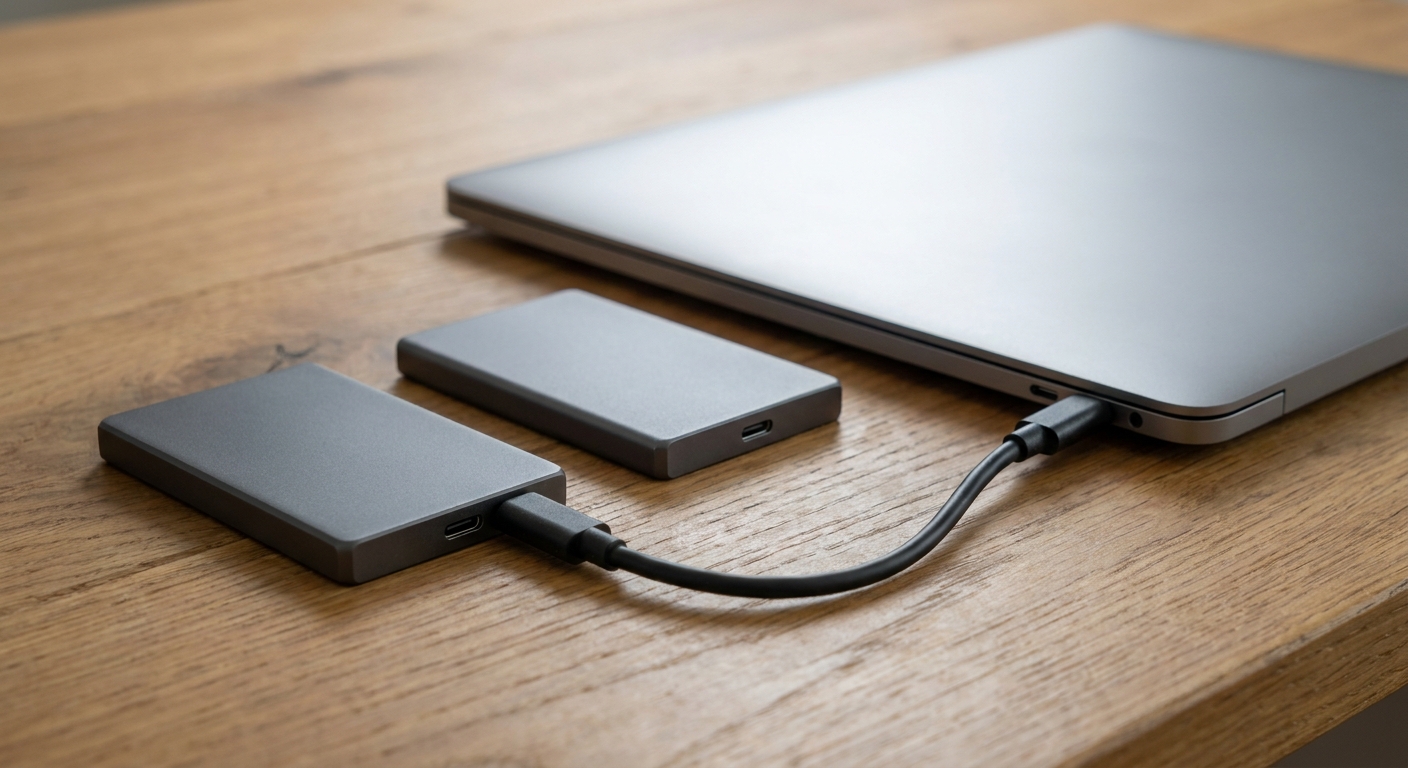
Why the Interface Matters More Than the Drive
There are two tiers here. USB 3.2 Gen 2 tops out around 1,050 MB/s in practice, and most of these drives are built to exactly that. USB 3.2 Gen 2×2 doubles it to roughly 2,000 MB/s, and the drives that reach that number need a host port that supports Gen 2×2 specifically.
Gen 2×2 is not universal. Plenty of laptops, and most phones, do not have it. If you are not certain your machine does, a 1,050 MB/s drive is the honest purchase, and you will not notice the difference copying photos.
What I Look At Instead
Durability rating. An IP65 rating means dust-tight and protected against water jets. For a drive that lives in a bag, that is worth more than a speed tier.
Weight and size. These range from 20 grams to about 60. The lightest ones genuinely disappear in a pocket.
Capacity you will still want in three years. 1TB fills faster than people expect once you are moving video.
The Field at a Glance
| Drive | Capacity | Interface | Read / Write | Notes |
|---|---|---|---|---|
| SAMSUNG T7 | 1TB | USB 3.2 Gen 2 | 1050 / 1000 MB/s | 3D V-NAND, 0.13 lb |
| SAMSUNG T7 | 2TB | USB 3.2 Gen 2 | 1050 / 1000 MB/s | Same drive, more room |
| SAMSUNG T7 Shield | 2TB | USB 3.2 Gen 2 | 1050 / 1000 MB/s | IP65 rated, 3.50 oz |
| SanDisk Extreme Portable | 2TB | USB 3.2 Gen 2 | 1050 / 1000 MB/s | IP65, 52 g |
| SanDisk Extreme Portable | 4TB | USB 3.2 Gen 2 | 1050 / 1000 MB/s | IP65, 52 g |
| SanDisk Extreme (SDSSDE70) | 2TB | USB-C | Up to 2000 MB/s | 0.1 lb |
| SanDisk Extreme PRO | 4TB | USB 3.2 Gen 2×2 | 2000 / 2000 MB/s | IP65 |
| KingSpec Memostone | 1TB | USB 3.2 Gen 2×2 Type-C | 2000 / 1800 MB/s | 20 g |
The One I Would Buy Without Thinking
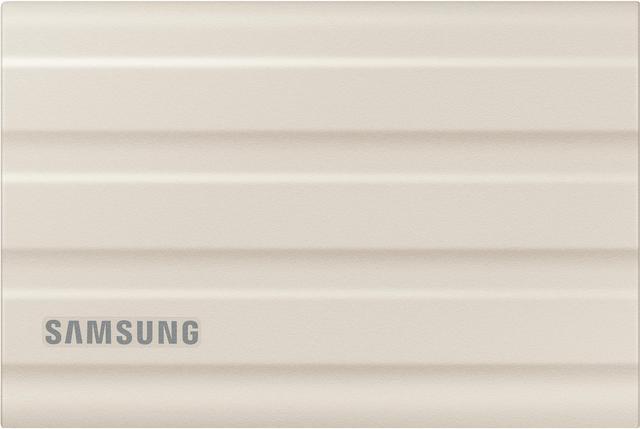
The SAMSUNG T7 Shield 2TB is the drive I recommend most often and the one I carry. USB 3.2 Gen 2 at up to 1,050 MB/s read and 1,000 MB/s write, an IP65 rating for dust and water, and a rubberised shell at 3.50 ounces. It is not the fastest thing here and it is the one I trust in a bag.
If you do not need the armour, the plain SAMSUNG T7 1TB and SAMSUNG T7 2TB are the same Samsung 3D V-NAND and the same 1,050 MB/s in a thinner aluminium body at 0.13 lb. For a drive that lives on a desk, that is the better shape.
The Capacity Option
The SanDisk Extreme Portable 4TB is where I would go for a video library. USB 3.2 Gen 2 at up to 1,050 MB/s read and 1,000 MB/s write, IP65 water and dust resistance, and 52 grams for four terabytes. The SanDisk Extreme Portable 2TB is the same drive at half the capacity, and both carry SanDisk’s updated firmware.
When Gen 2×2 Is Worth It
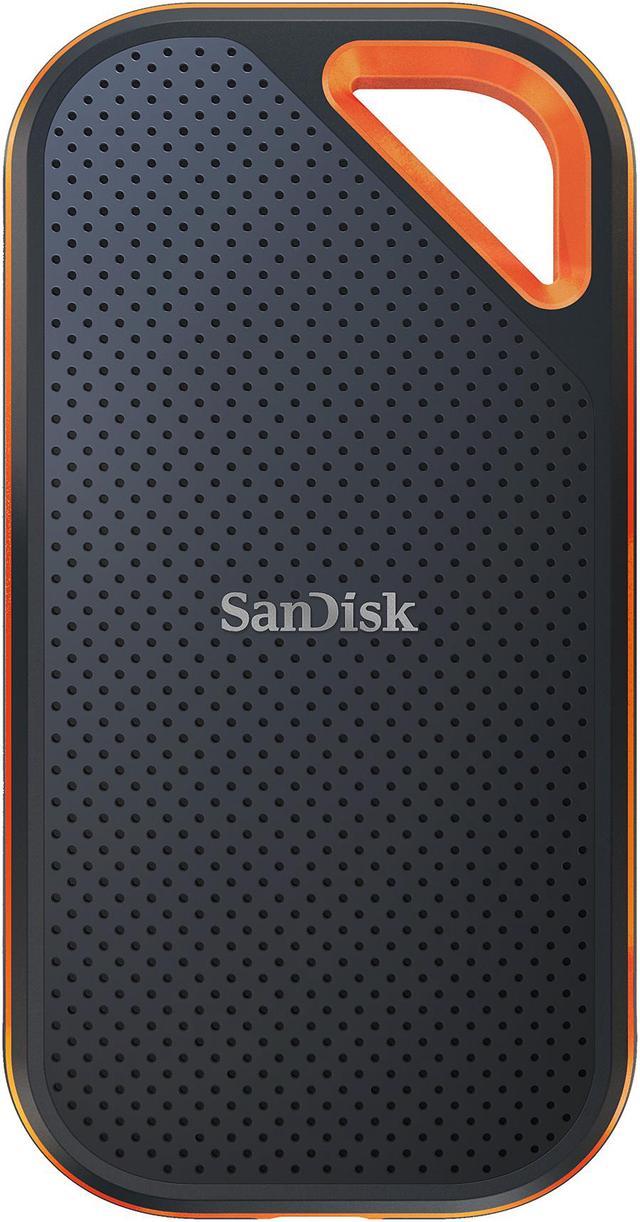
The SanDisk Extreme PRO 4TB is the one that earns the faster tier: USB 3.2 Gen 2×2 at up to 2,000 MB/s read and write, IP65, four terabytes. If you offload large video files daily, halving the transfer time is a real change to your day. If you move a folder of documents twice a week, it is not.
The SanDisk Extreme 2TB in the SDSSDE70 version also lists up to 2,000 MB/s over USB-C at 0.1 lb, which makes it the lighter route to the same speed tier.
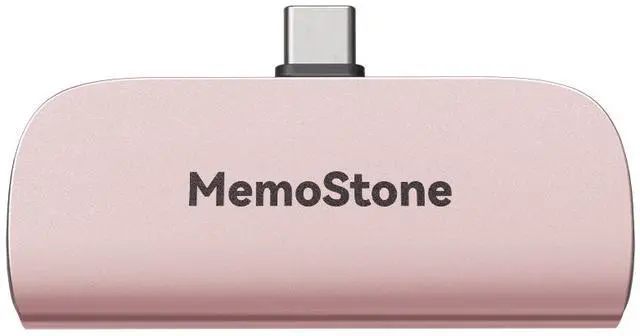
The KingSpec Memostone 1TB is the curiosity of the group and I mean that as a compliment. USB 3.2 Gen 2×2 Type-C at up to 2,000 MB/s read and 1,800 MB/s write, in a 20 gram body. It is the lightest drive here by a wide margin and the one most likely to fall out of a pocket unnoticed.
How I Would Choose
Lives in a bag, gets knocked around: T7 Shield 2TB. Lives on a desk: T7 in whichever capacity suits. Large video library: SanDisk Extreme Portable 4TB. You genuinely have a Gen 2×2 port and move big files daily: Extreme PRO 4TB. Smallest possible thing that is still fast: Memostone.
Before paying for the faster tier, check what your laptop’s ports actually support. The specification is usually printed in the manual rather than next to the port, and a Gen 2×2 drive in a Gen 2 port is simply a Gen 2 drive. The full range is in Newegg’s portable SSD listings.
Frequently Asked Questions
What is the difference between USB 3.2 Gen 2 and Gen 2×2? Bandwidth. Gen 2 carries up to 10 Gbps, which works out to around 1,050 MB/s in practice, and Gen 2×2 doubles that to roughly 2,000 MB/s by using two lanes. Gen 2×2 support is far less common on host devices, so a Gen 2×2 drive plugged into a Gen 2 port simply runs at Gen 2 speed.
Does an IP65 rating mean the drive is waterproof? It means dust-tight and protected against low-pressure water jets from any direction, which covers rain and spills rather than submersion. The SAMSUNG T7 Shield and the SanDisk Extreme and Extreme PRO models carry it. It is a practical rating for a drive that travels, not a licence to drop it in a sink.
Can I use these with a phone, a console or a tablet? Usually, over USB-C, though what you can do with the drive depends on the device rather than the drive. Consoles may require formatting the drive in their own file system before use. Phones vary in how much power they supply over the port, which occasionally matters with higher-speed drives.
Is a portable SSD a good backup? As one copy, yes. As your only copy, no. A single drive of any kind is one failure or one lost bag away from gone, so treat a portable SSD as the fast, convenient copy and keep a second copy somewhere that is not carried around.
Do I need 4TB, or is 2TB enough? If you are moving documents, photos and project files, 2TB lasts a long time. Video is what changes the calculation, since high-bitrate footage fills a terabyte quickly and you will not want to be pruning files on a shoot. The SanDisk Extreme Portable comes in both capacities in the same body, so the decision is purely about how you fill it.
Read More
- Tom’s Hardware: SSD Reviews and Buying Guides — Drive reviews including external and portable models with sustained transfer testing.
- TechPowerUp: External SSD Review Database — Indexed reviews of portable drives with sustained write and thermal measurements.
- USB-IF: USB Specifications — The standards body’s documentation on USB data rates and what each generation label means.
- SanDisk and Western Digital: Portable Drives — Manufacturer specifications for the Extreme and Extreme PRO portable SSDs.
- Newegg: Portable SSDs — Compare current drives by capacity, interface generation and durability rating.