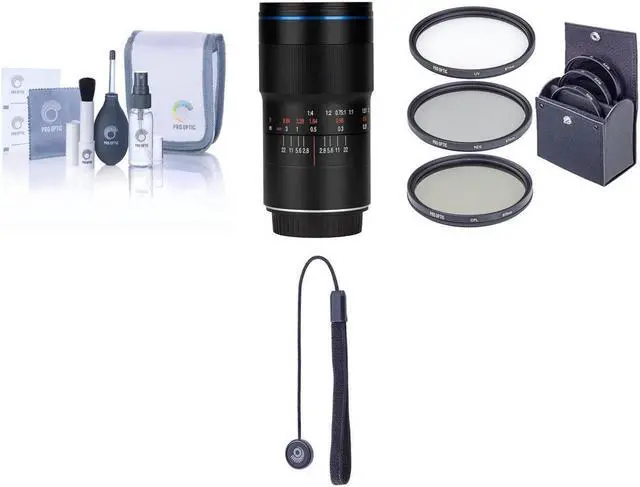
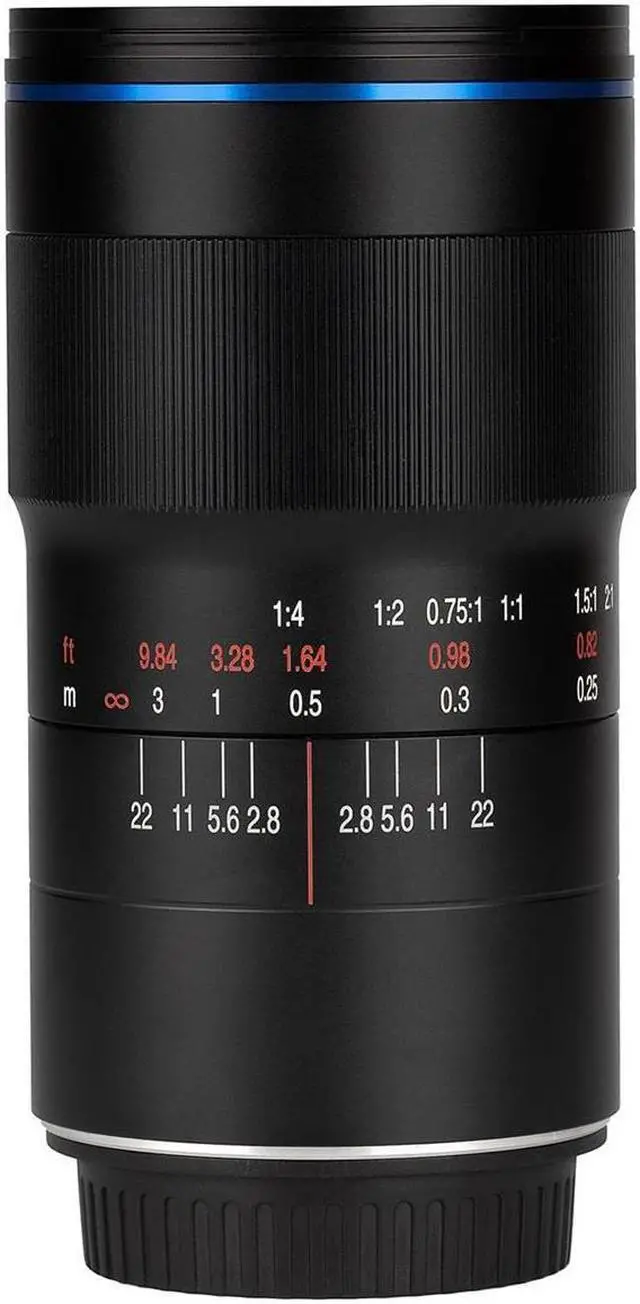
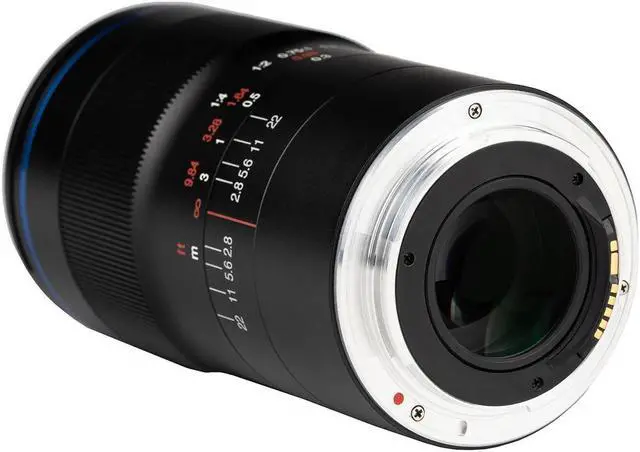
While the Laowa 100mm f/ 2.8 2X Ultra-Macro APO lens is the second addition to the Laowa 2:1 macro line-up, it stands out with its unique ability to cover a full-frame sensor and focus from 2:1 magnification to infinity. This professional-grade lens offers a popular focal length for macro photographers, surpassing the capabilities of other 100mm macro lenses in the market that only achieve 1:1 or smaller magnification. The Laowa 100mm lens is particularly beneficial for photographers aiming to capture smaller subjects, often a challenge in macro photography. Its wider magnification range allows for capturing subjects of any size, making it one of the most versatile macro lenses available.
Despite its broader range, Venus Optics has managed to maintain a compact lens size, comparable to other 1:1 macro lenses. This high-quality lens also boasts an apochromatic (APO) characteristic, ensuring chromatic aberration is virtually non-existent. Chromatic aberration, a common issue in optics design, can often compromise a perfect image. While some macro lenses control chromatic aberration well in the "in-focus" area, it often becomes uncontrollable in the "out-of-focus" area. The Laowa 100mm lens, however, excels in chromatic aberration suppression in both areas, ensuring your subject remains free of unwanted color fringing.
Not only is the Laowa 100mm f/ 2.8 an exceptional macro lens, but it also serves as a high-quality portrait lens when focused to infinity. Its 12 elements in 10 groups optics design delivers crystal clear sharpness at both macro and infinity distances. The bright f/ 2.8 aperture and circular aperture render softly diffused bokeh, beautifully isolating the subject from its background. The lens features an internal focusing structure that remains static when focus is changed, and a multilayer coating to reduce lens flare and ghosting for increased contrast. The Canon version of the Laowa 100mm f/ 2.8 2:1 Macro lens is integrated with a CPU chip and aperture motor, allowing photographers to control the aperture and exposure directly through the camera and record EXIF data into the photos.
A focus indicator is also displayed in the camera to assist with focusing. This innovative feature is particularly beneficial for macro photographers, as the aperture only closes when the shutter is released, providing a brighter viewfinder for composing at smaller f-stops.





 here!
here!