




 here!
I’m your shopping assistant for PC builds, upgrades, and everything tech.
Got questions? Ask away!
Start a conversation
here!
I’m your shopping assistant for PC builds, upgrades, and everything tech.
Got questions? Ask away!
Start a conversation



Any questions? Ask CelesteSM will help you find out quickly.
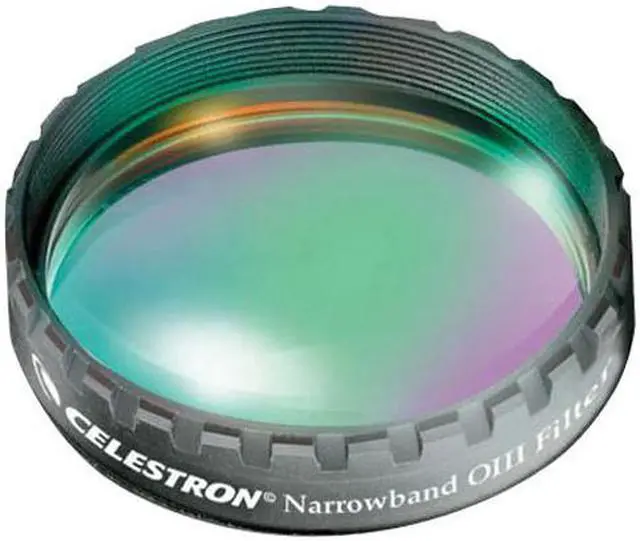
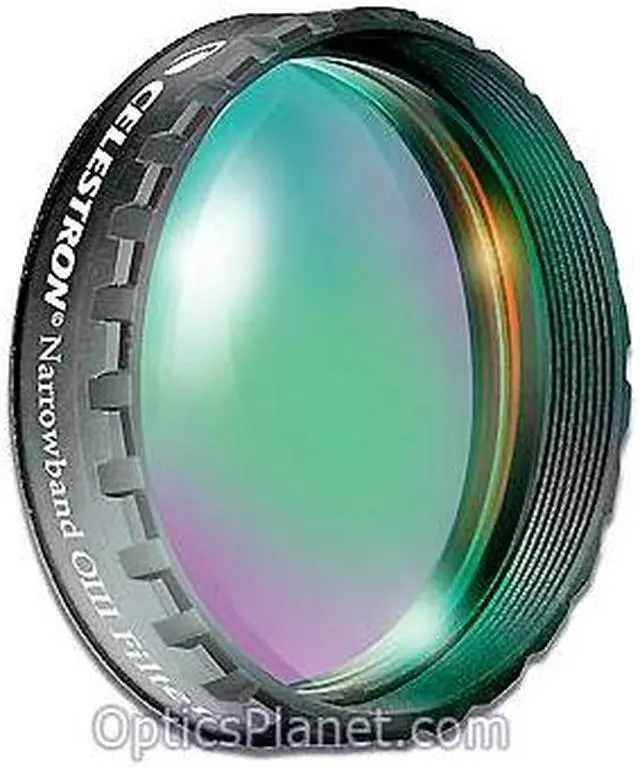
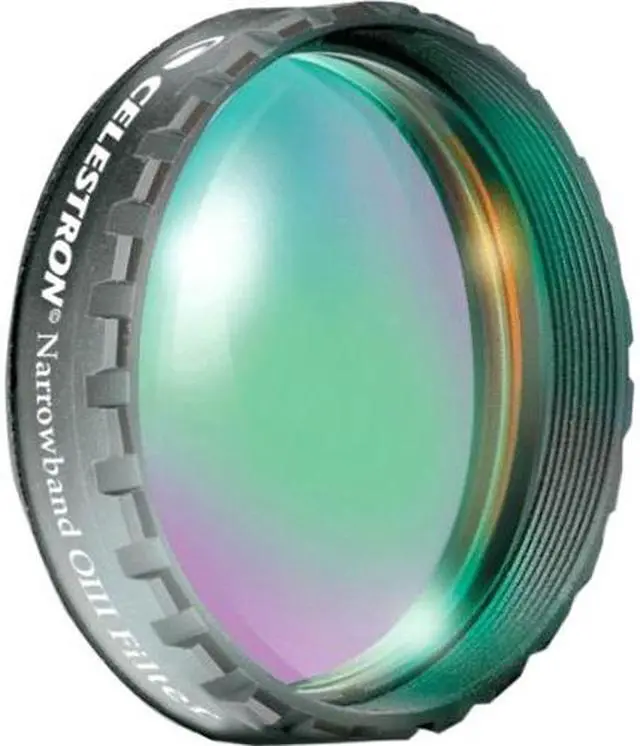
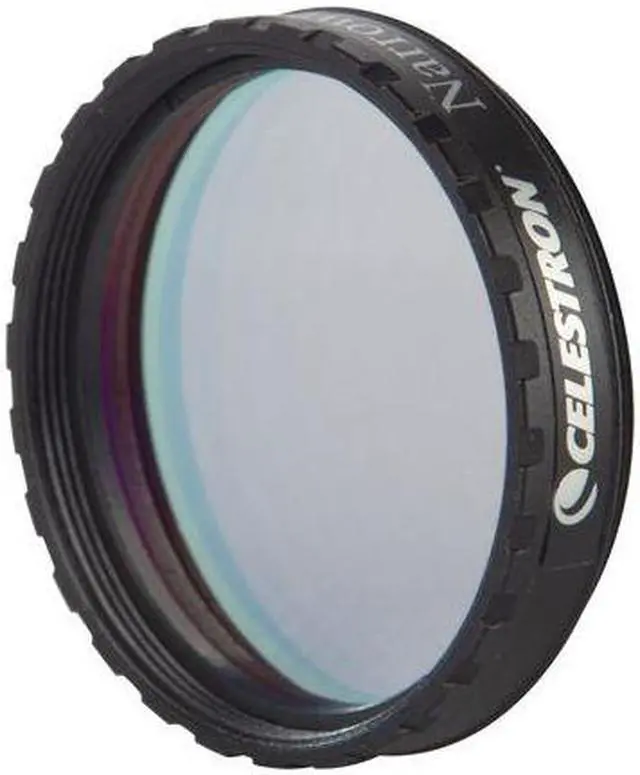
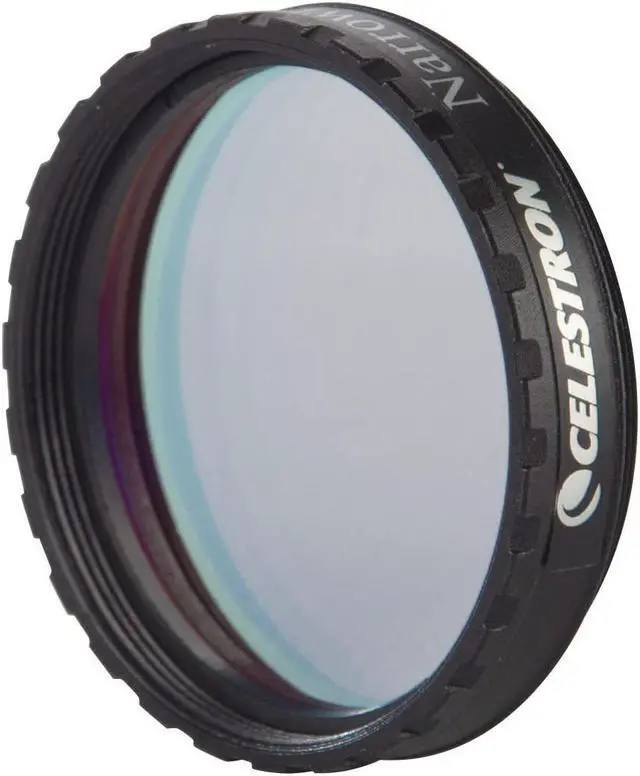
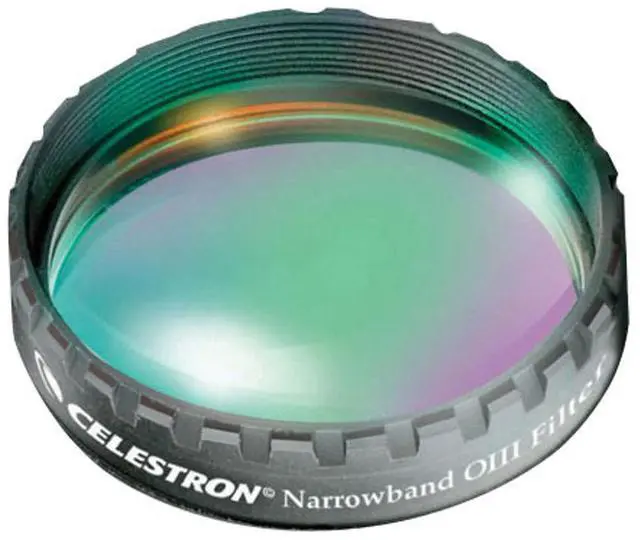
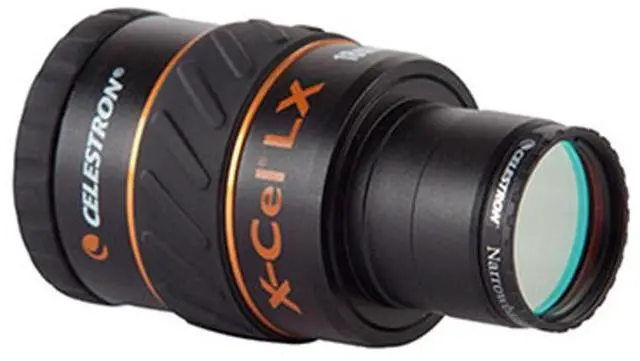
The Celestron 93623 is a 1.25-inch Oxygen III narrowband telescope filter for observers seeking higher-contrast visual views of planetary and emission nebulae. It isolates the 496 and 501 nm oxygen lines while blocking much of the surrounding visible spectrum.
| Attribute | Value |
|---|---|
| Best For | Viewing planetary and emission nebulae by isolating their doubly ionized oxygen lines |
| Optical Filtering | Oxygen III narrowband filter isolates the 496 nm and 501 nm ionized oxygen lines while blocking other light; designed to block the visual spectrum from 400 to 700 nm |
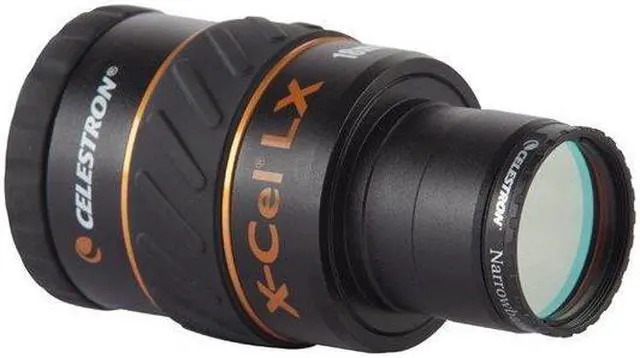
| Compatibility And Fit | 1.25-inch (31.75 mm) filter size and thread |
| Coating And Material | StarBright XLT coating on glass |
| Physical Details | Black; item weight 0.01 kg |
| Package Contents | One filter |
| Model Identifiers | Celestron model 93623-CGL |
Q: Celestron OIII vs. Celestron UHC/LPR: which should I choose for nebula viewing?
A: Choose the Celestron 93623 OIII when you want to emphasize oxygen-line contrast, especially on planetary nebulae. Choose Celestron’s UHC/LPR filter for a broader view across many emission nebulae; side-by-side observing reports describe UHC filters as often showing a larger or brighter area of nebulosity, while OIII filters can bring out more contrast and dark detail.
Q: Should I get the Celestron 1.25-inch or 2-inch OIII filter?
A: Choose the 1.25-inch Celestron 93623 for a telescope eyepiece with a 1.25-inch filter thread. Choose the 2-inch version, model 93624, for a 2-inch eyepiece filter thread. Both are Celestron OIII narrowband filters intended to isolate oxygen emission from nebulae.
Q: What does the Celestron OIII filter add compared with viewing a nebula without a filter?
A: The Celestron 93623 isolates oxygen emission wavelengths from planetary and emission nebulae, helping increase their contrast against the surrounding sky. Choose it when you want to emphasize OIII-emitting nebular features; an unfiltered view shows the scene without that wavelength selection.
Q: Will this filter fit a 1.25-inch telescope eyepiece?
A: It is a 1.25-inch filter for compatible 1.25-inch telescope eyepiece setups. Check that your eyepiece or filter holder accepts this size before buying.
Q: What kinds of objects is this OIII filter best for?
A: It is intended for nebulae that emit strongly in the two OIII wavelengths it passes. It is not a general-purpose filter for galaxies or other objects that emit across a broad range of visible wavelengths.
Q: Can I use it as a general light-pollution filter?
A: No. It selectively passes OIII light to improve contrast on suitable nebulae; it is not designed to improve views of a broad range of targets. Its narrow passband can reduce light from objects that do not emit strongly in those wavelengths.
Q: Is this filter useful for viewing the Flame or Horsehead Nebula?
A: The product is designed for viewing nebulae that emit strongly in OIII, so it is not a general-purpose choice for every nebula. Check whether the target is a good match for OIII observation before relying on this filter.
Q: Is the Celestron 93623 OIII filter worth buying as a first nebula filter?
A: It may be worthwhile if you mainly observe nebulae that respond to OIII filtering. If you want one filter for a wider range of nebulae, Reddit discussions often favor starting with a UHC filter; the OIII filter is more specialized.
Q: What kinds of objects is this filter suitable for?
A: It is intended for planetary and emission nebulae with visible OIII emission, where isolating the oxygen lines can increase contrast. It is not an all-purpose deep-sky filter; Reddit discussions note that OIII filters are much less useful on targets such as galaxies and some nebulae with little OIII emission.
Q: What are the main trade-offs of the Celestron 93623?
A: Its narrow OIII passband can increase contrast on suitable targets, but the view and stars may look dimmer. Reddit users discussing Celestron OIII filters also describe the bandpass as very narrow and raise concerns about partial loss of one OIII line, so consider that trade-off if visual brightness or transmission is a priority.


