

 here!
I’m your shopping assistant for PC builds, upgrades, and everything tech.
Got questions? Ask away!
Start a conversation
here!
I’m your shopping assistant for PC builds, upgrades, and everything tech.
Got questions? Ask away!
Start a conversation
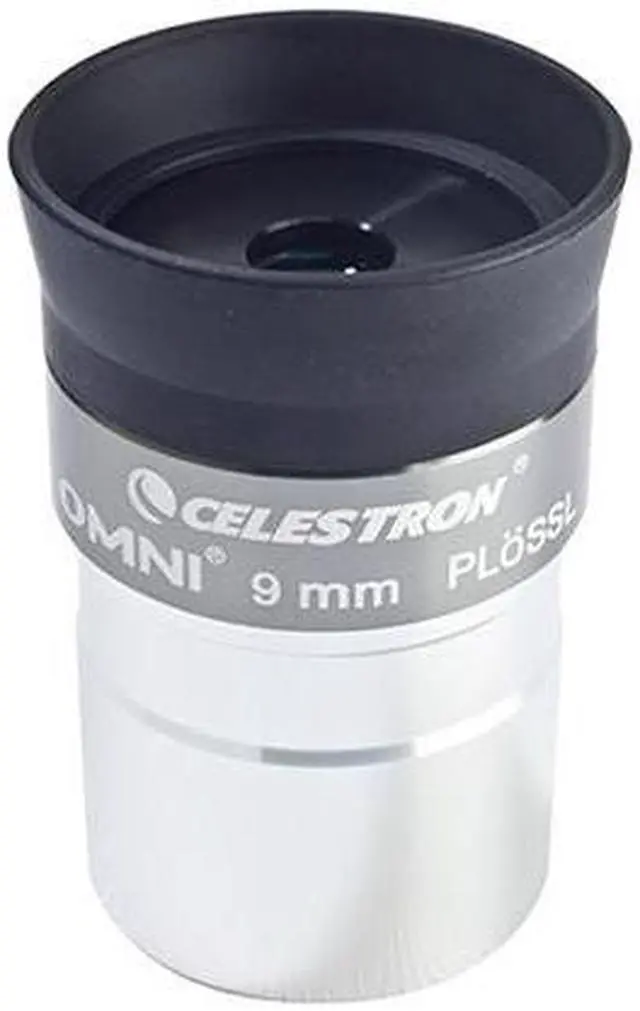
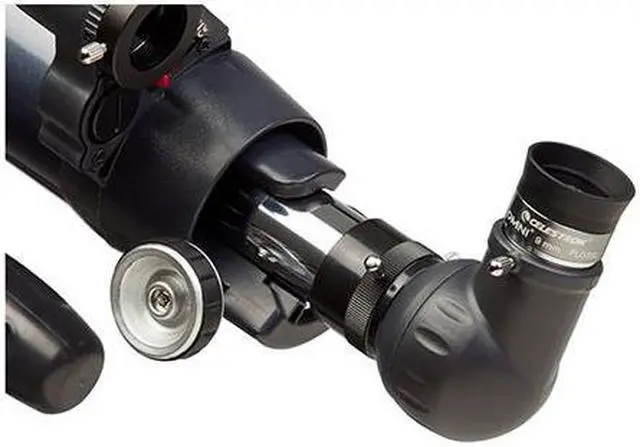
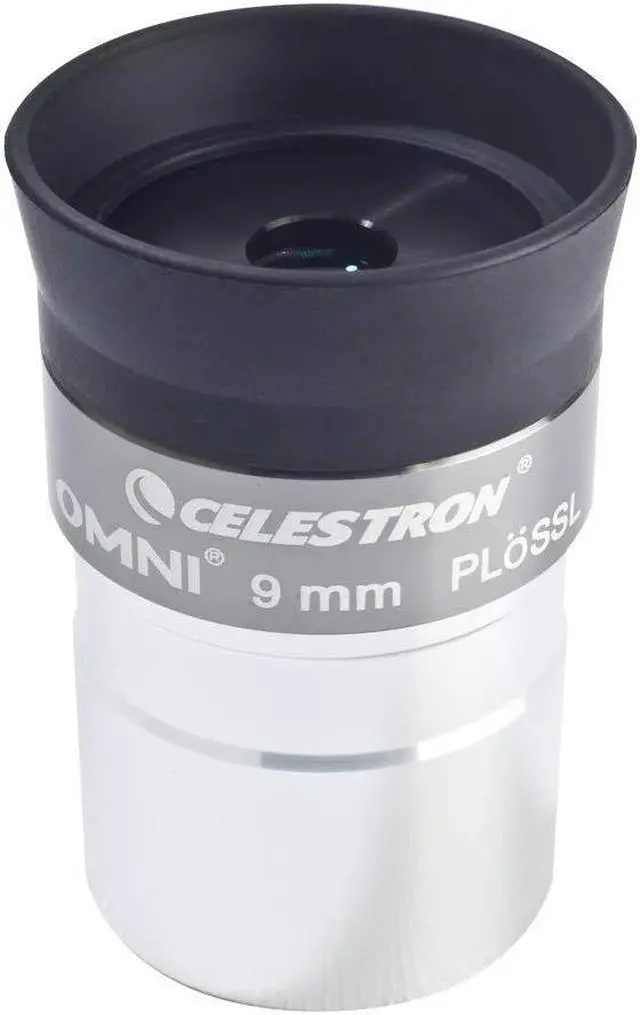


The Celestron Omni 9mm is a 1.25-inch Plössl telescope eyepiece for observers who want a shorter-focal-length option for detailed astronomical viewing; its four-element design, fully multi-coated optics, and 52-degree field of view support clear, contrast-conscious views.
| Attribute | Value |
|---|---|
| Best For | Telescope observers looking for a 9 mm eyepiece with a 1.25-inch barrel |
| Eyepiece Specifications | 9 mm eyepiece with a 1.25-inch barrel |
| Product Style | Omni eyepiece |
| Brand And Model | Celestron, model 93318-CGL |
| Package Contents | Quantity of 1 |
| Weight And Package Dimensions | Item weight 0.067 kg; package weight 0.071 kg; package dimensions 4.5 × 4.9 × 9.2 cm |
Q: Celestron Omni 9mm or X-Cel LX 9mm—which should I choose?
A: Choose the Omni 9mm for a compact, straightforward four-element Plössl design. Choose the X-Cel LX 9mm if you prefer a wider 60° apparent field of view, 16mm eye relief, and a twist-up eyeguard. Both are 9mm, 1.25-inch Celestron eyepieces; the Omni has a 50° apparent field of view and 6mm eye relief.
Q: Celestron Omni 9mm or 12mm—which gives me more magnification?
A: Choose the Omni 9mm for more magnification in the same telescope. Choose the Omni 12mm for less magnification and a wider true view of the sky. Both use a four-element Plössl design, a 1.25-inch barrel, and a 50° apparent field of view.
Q: Celestron Omni 9mm or 6mm—which is the higher-power option?
A: Choose the Omni 6mm for higher magnification in the same telescope. Choose the Omni 9mm for a lower magnification. Both are 1.25-inch, four-element Plössl eyepieces with a 50° apparent field of view.
Q: Will this eyepiece fit my telescope?
A: It fits a telescope with a 1.25-inch focuser. Check your telescope’s focuser size before buying; a 2-inch focuser may need a 1.25-inch adapter, and a 0.965-inch focuser will not accept it directly.
Q: What magnification will I get with this 9mm eyepiece?
A: Magnification depends on your telescope: divide its focal length in millimeters by 9. For example, a 900mm telescope gives 100× magnification. Whether that power gives a clear view also depends on the telescope and observing conditions.
Q: Is a 9mm eyepiece suitable for viewing the Moon and planets?
A: It can be suitable for higher-magnification views of the Moon and planets. Its 52° apparent field of view is intended for a more focused view than a wide-field eyepiece; it is less suited to seeing a broad area of sky at once. Results depend on your telescope and viewing conditions.
Q: Is this eyepiece comfortable to use while wearing glasses?
A: The product information provided does not specify eye relief, so comfort for eyeglass wearers cannot be confirmed. Short-focal-length Plössl eyepieces often have limited eye relief, which can make it difficult to see the full field while wearing glasses.
Q: Is the 9mm Omni comfortable to use, especially with glasses?
A: Comfort is a trade-off: Reddit users describe the short eye relief of 9mm Plössls as difficult for some observers. If you need to keep your glasses on while viewing, consider an eyepiece with longer eye relief; otherwise, comfort may depend on your preference.
Q: Is the Celestron Omni 9mm worth buying as a budget eyepiece?
A: It may be a practical budget choice if you want a 9mm focal length and accept a Plössl’s relatively narrow field and short eye relief. Reddit users describe 9mm Plössls as usable, but recommend considering more comfortable, wider-field alternatives if those trade-offs matter to you.
Q: Is the 9mm Omni suitable for viewing planets?
A: It can be used for planetary viewing, but the magnification depends on your telescope’s focal length: divide that length by 9mm. Whether the resulting magnification gives a clear, useful view also depends on the telescope and observing conditions.
Q: Should I use the 9mm Omni with a Barlow?
A: A Barlow increases magnification, so pairing one with this 9mm may push a telescope beyond a useful magnification. Check your telescope’s limits and observing conditions before combining them.