here!
I’m your shopping assistant for PC builds, upgrades, and everything tech.
Got questions? Ask away!
Start a conversation
here!
I’m your shopping assistant for PC builds, upgrades, and everything tech.
Got questions? Ask away!
Start a conversation Top Rated



Make informed decisions with expert advice. Learn More




Any questions? Ask CelesteSM will help you find out quickly.


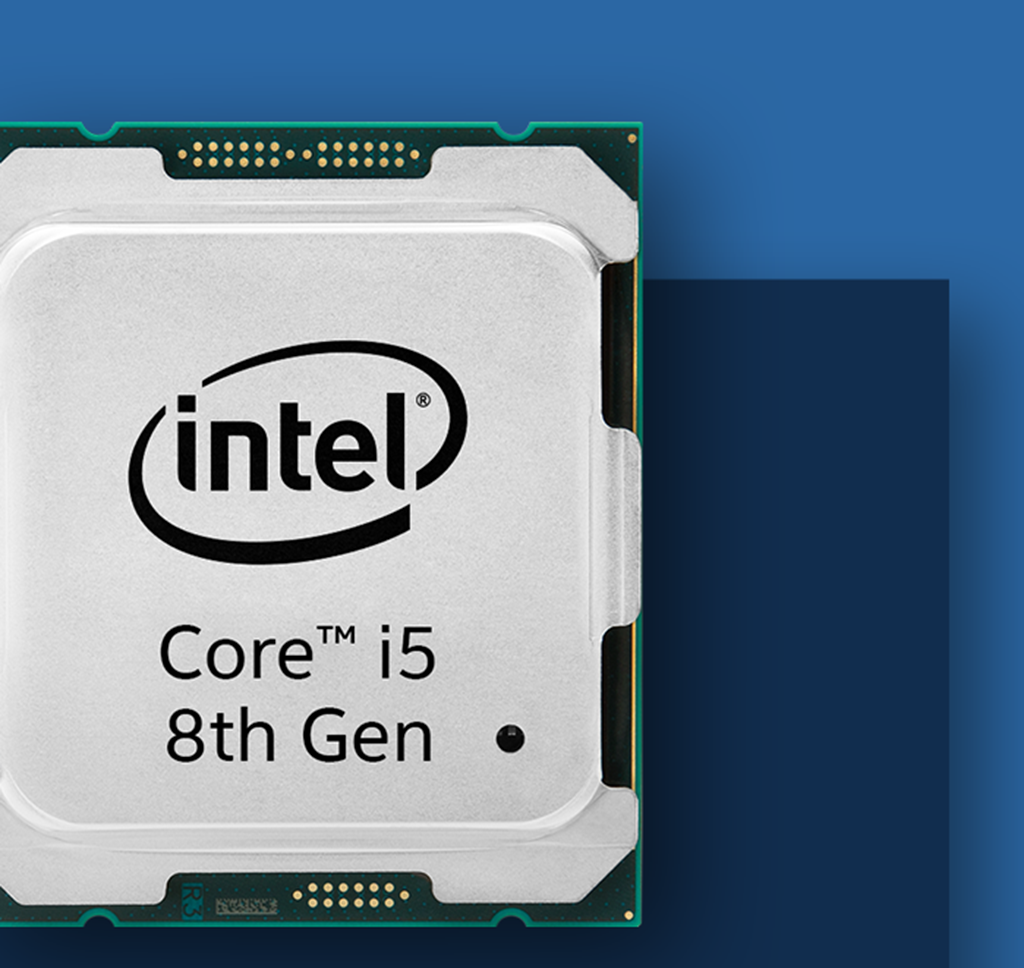
The Intel Core i5-8500 is a 6-core 8th Gen Coffee Lake desktop processor with a 3.0 GHz base clock and up to 4.1 GHz Turbo frequency, making it suitable for mainstream desktops, productivity, multitasking, and compatible system upgrades.
| Attribute | Value |
|---|---|
| Best For | Desktop computing systems |
Q: Is the Intel Core i5-8500 better than the i5-8400?
A: The Core i5-8500 is the faster option, but the difference is modest. Both processors have 6 cores, 6 threads, a 65W rating, Intel UHD Graphics 630, and support for Intel 300-series motherboards. The i5-8500 raises the base clock from 2.8 GHz to 3.0 GHz and the maximum turbo frequency from 4.0 GHz to 4.1 GHz. Choose the i5-8500 when the price difference is small or when you want the highest performance available without changing platforms; choose the i5-8400 when it is substantially less expensive.
Q: Should I buy the Core i5-8500 or upgrade to the Core i7-8700?
A: Choose the Core i5-8500 for mainstream gaming, office work, and general desktop use when cost matters. Choose the Core i7-8700 for video editing, streaming, compression, compiling, and other workloads that use many threads. Both CPUs have 6 physical cores and a 65W rating, but the i7-8700 has 12 threads through Hyper-Threading, a higher maximum turbo frequency of 4.6 GHz, and 12 MB of cache compared with the i5-8500's 6 threads, 4.1 GHz turbo, and 9 MB of cache. The i7-8700 is a meaningful upgrade for sustained multi-core workloads, while the gaming difference depends heavily on the graphics card and resolution.
Q: Is the Core i5-8500 better than the Ryzen 5 3600 for a new PC?
A: The Ryzen 5 3600 is generally the stronger choice for a new performance-focused build because it provides 6 cores and 12 threads, while the i5-8500 provides 6 cores and 6 threads. The i5-8500 is the better choice when you already own a compatible Intel 300-series motherboard or need integrated graphics for basic display output and troubleshooting. The Ryzen 5 3600 requires an AM4 motherboard and a separate graphics card because it does not include integrated graphics. For a new system, compare the total cost of the CPU, motherboard, memory, and graphics card rather than comparing processor prices alone.
Q: Is the Core i5-8500 a worthwhile upgrade from an older Core i5 processor?
A: The i5-8500 is most worthwhile as an upgrade from older 4-core Intel Core i5 processors such as many 6th- and 7th-generation models, especially when the system is used for modern multitasking or CPU-limited gaming. It provides 6 cores and 6 threads, a maximum turbo frequency of 4.1 GHz, and support for DDR4-2666 memory. However, it requires an Intel 300-series motherboard; older LGA1151 motherboards designed for 6th- or 7th-generation processors are not automatically compatible. Verify motherboard support before buying, and remember that this OEM listing does not include a cooling device.
Q: Will this processor work with any LGA 1151 motherboard?
A: No. This processor requires an Intel 300 Series motherboard with an LGA 1151 socket. An LGA 1151 socket by itself is not enough, so verify the motherboard chipset and CPU support list before buying.
Q: Does this CPU include a cooler, or do I need to buy one separately?
A: You need to buy a compatible CPU cooler separately. This is an OEM, processor-only product with no box and no cooling device included. Do not operate the processor without a properly installed cooler.
Q: Can I use this processor without a separate graphics card?
A: Yes, the processor includes Intel UHD Graphics 630, so a separate graphics card is not required for basic display output. However, the motherboard must provide compatible video outputs, and demanding gaming or VR typically requires a dedicated graphics card.
Q: Is this processor suitable for gaming or VR?
A: It can support a budget gaming system, but suitability depends heavily on the graphics hardware, motherboard, memory, and game requirements. The integrated UHD Graphics 630 is intended for basic display and light graphics workloads; demanding gaming and VR generally require a separate graphics card.
Q: Is this a complete computer, or only the CPU?
A: It is only the desktop processor. A complete system also requires a compatible 300 Series motherboard, DDR4 memory, CPU cooler, power supply, storage, case, and operating system. The motherboard must also provide the ports and features you need.
Q: Is the Intel Core i5-8500 still worth buying?
A: It can be worthwhile as a low-cost replacement for an existing Intel 300-series system, especially for basic work and 1080p gaming. It is a weaker choice for a new PC because the LGA 1151 platform is old and has limited upgrade options.
Q: Is the i5-8500 suitable for 1080p gaming?
A: Yes, it remains suitable for many 1080p gaming systems, particularly at around 60 frames per second when paired with an appropriate graphics card. Its six cores and six threads can become a limitation in newer CPU-heavy games or when targeting high refresh rates.
Q: Is the i5-8500 a good replacement CPU for an existing PC?
A: It is mainly suitable as a replacement or drop-in upgrade for a compatible Intel 300-series motherboard. The processor uses LGA 1151, supports DDR4, and requires a 300-series board; a cooler is not included with this OEM processor.
Q: Should I buy an i5-8500 upgrade or move to a newer platform?
A: Keep the i5-8500 if the current system already meets your needs, such as everyday work or 1080p gaming at acceptable frame rates. For high-refresh gaming, heavier video work, or a major performance increase, saving for a newer CPU and motherboard platform is generally more practical than paying a premium for an older 8th- or 9th-generation replacement.