




 here!
I’m your shopping assistant for PC builds, upgrades, and everything tech.
Got questions? Ask away!
Start a conversation
here!
I’m your shopping assistant for PC builds, upgrades, and everything tech.
Got questions? Ask away!
Start a conversation
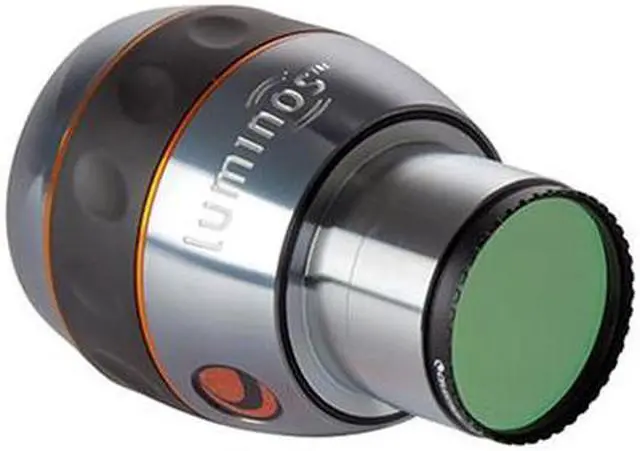
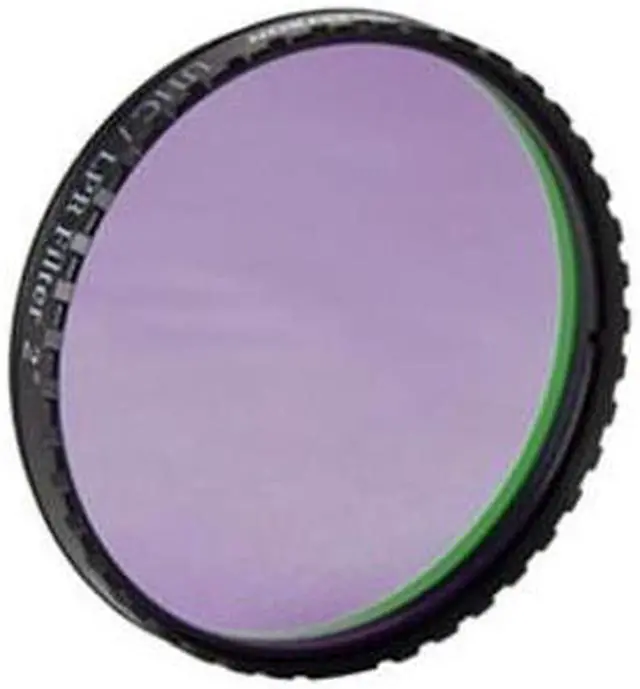
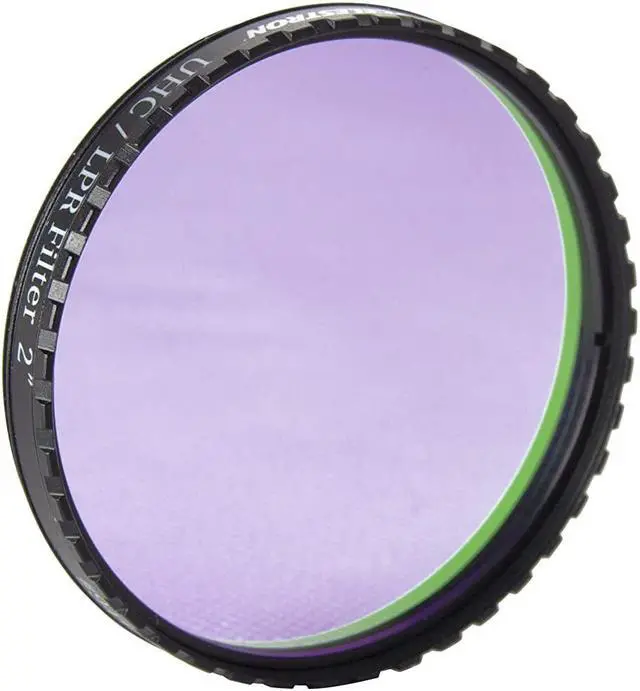



Any questions? Ask CelesteSM will help you find out quickly.
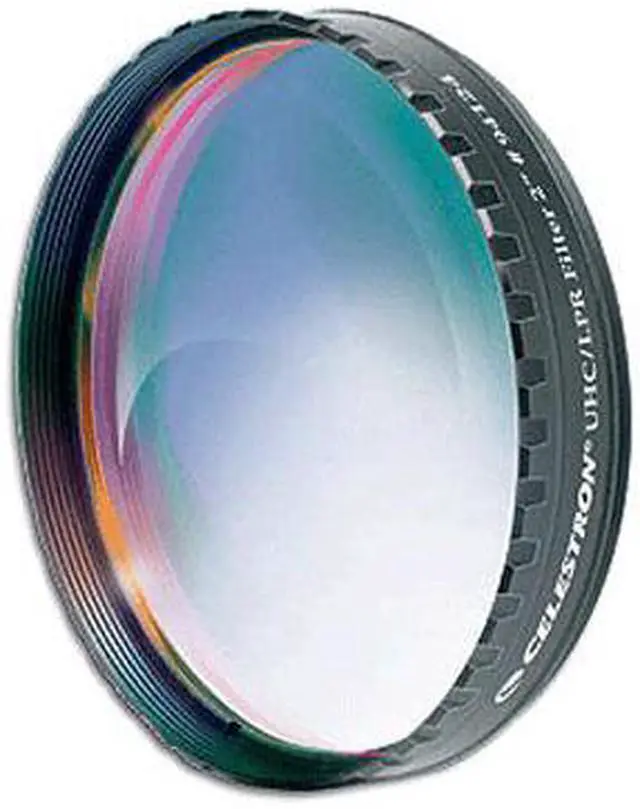
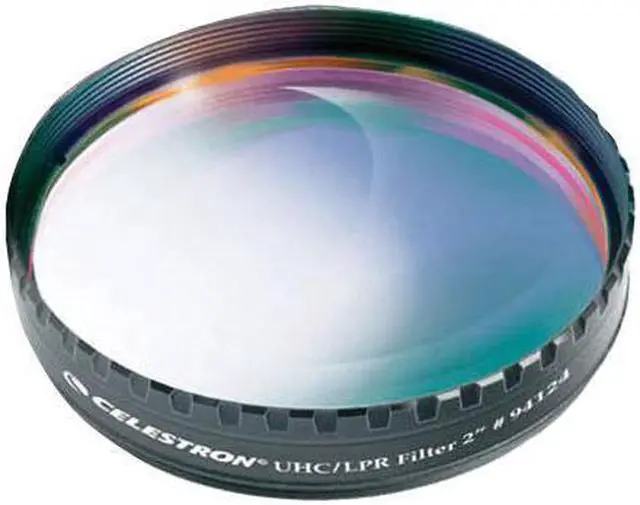
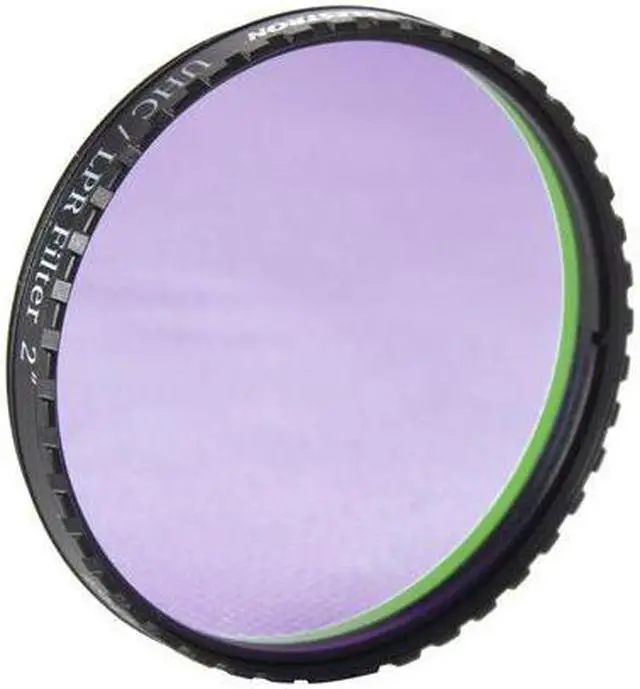
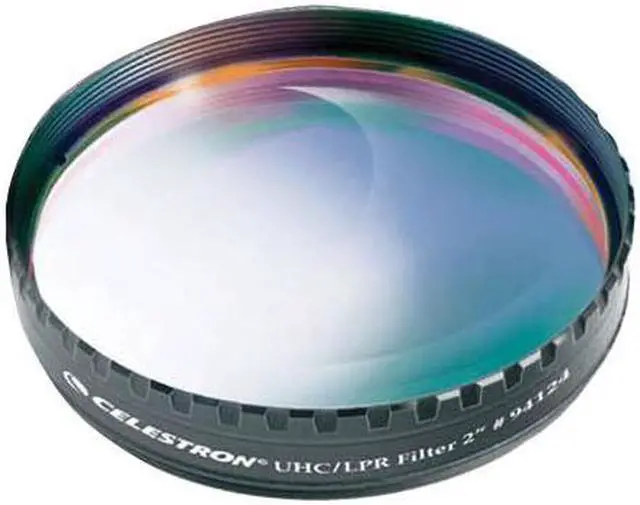
The Celestron 94124 is a 2-inch UHC/LPR telescope filter for astronomers using compatible 2-inch eyepieces who want to reduce artificial-light wavelengths and improve emission-nebula contrast, especially when observing from light-polluted skies.
| Attribute | Value |
|---|---|
| Best For | Telescope observers seeking to reduce artificial-light interference and improve viewing contrast |
| Optical Function And Coatings | UHC/LPR filter selectively reduces transmission of certain artificial-light wavelengths to improve contrast over typical broadband filters; multi-layer dielectric coatings are plasma-assisted and ion-beam hardened for scratch resistance and durability |
| Size And Fit | 2-inch filter with 50.8 mm photo-filter size and thread size; display dimensions are 1.87 × 1.87 × 0.25 inches |
| Materials And Weight | Glass filter weighing 0.04 kg |
| Package Contents | One filter |
| Package Dimensions And Weight | Package dimensions are 2.5 × 7.7 × 7.9 cm; package weight is 0.068 kg |
| Model Identifiers | Celestron model 94124 |
Q: Celestron UHC/LPR vs. Celestron OIII: which 2-inch filter should I choose for nebulae?
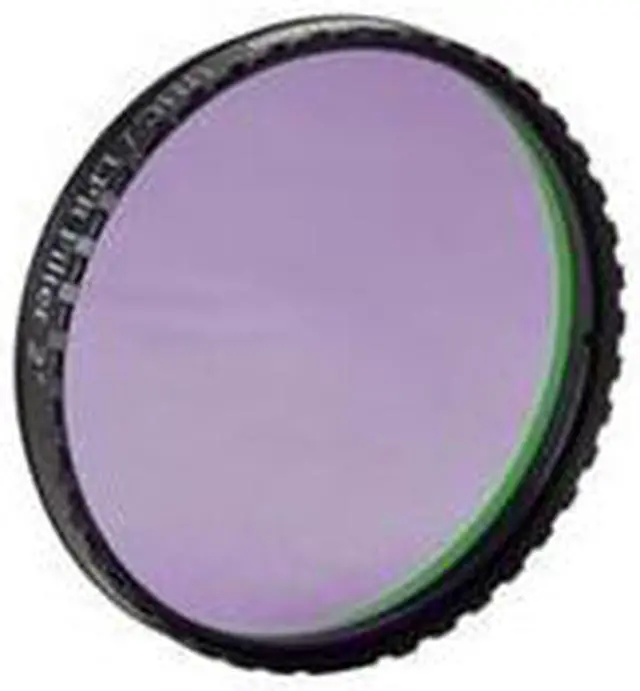
A: Choose the Celestron 2-inch UHC/LPR for a broader passband that reduces selected artificial-light wavelengths and is intended to improve emission-nebula contrast. Choose the 2-inch OIII when you want to isolate the 496 and 501 nm oxygen lines from planetary and emission nebulae. The UHC/LPR’s broader passband also includes H-alpha transmission.
Q: Celestron 2-inch UHC/LPR vs. 1.25-inch UHC/LPR: which size should I get?
A: Both are Celestron UHC/LPR filters with the same stated optical design and purpose. Choose the 2-inch 94124 if your observing setup accepts 2-inch filters; choose the 1.25-inch 94123 if it uses 1.25-inch filters. Match the filter size to the eyepiece or accessory you plan to use.
Q: Is the Celestron 2-inch UHC/LPR a different performance tier from the 1.25-inch version?
A: The 2-inch 94124 is the larger-format version, not a separately described performance tier. Celestron lists the same UHC/LPR purpose and key optical characteristics for both sizes, so choose based on the filter-thread size in your observing setup.
Q: Does this filter help with viewing nebulae from a light-polluted area?
A: It is designed to darken the sky background and improve contrast on emission nebulae by reducing selected light-pollution wavelengths. It can help from light-polluted skies, but it does not replace observing under darker skies.
Q: Will this filter work with my telescope or eyepiece?
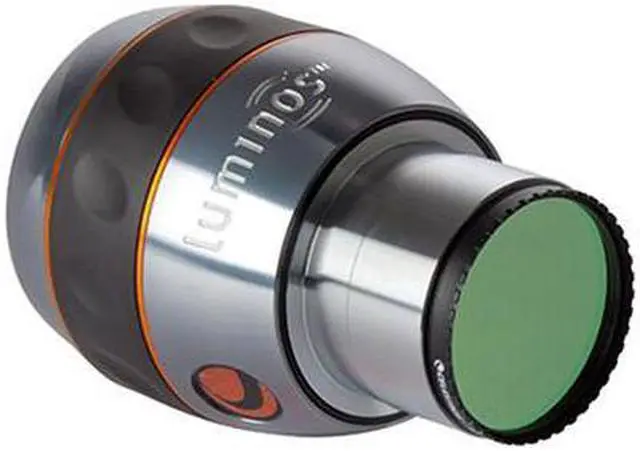
A: This is a 2-inch filter, so check that your telescope accessory has a compatible 2-inch filter thread before buying. It may not attach directly to 1.25-inch accessories unless your setup provides a suitable threaded adapter.
Q: Can I use this filter for astrophotography?
A: Yes. The product is described for imaging as well as visual use, including a passband that includes H-alpha. Because the filter blocks some wavelengths, exposure settings may need adjustment.
Q: Is this filter useful for every kind of telescope target?
A: It is chiefly intended to improve contrast on emission nebulae. It is not a general-purpose filter for every celestial target, so its usefulness depends on what you observe.
Q: What kinds of objects is the Celestron UHC/LPR filter best suited for?
A: Reddit discussions describe UHC-style filters as most useful for some emission nebulae. They are not a general-purpose improvement for galaxies, star clusters, planets, or the Moon; those views may become dimmer with the filter in place.
Q: Will it make much difference under heavily light-polluted skies?
A: Expect limited, target-dependent improvement rather than a cure for severe light pollution. Reddit discussions of the Celestron UHC/LPR in 1.25-inch and 2-inch sizes describe mixed expectations for Bortle 8–9 skies; darker skies may be more favorable for observing nebulae.
Q: Is this a good first or only filter for nebula viewing?
A: It may suit someone seeking a Celestron UHC/LPR filter for selected nebulae, but Reddit discussions caution that the Celestron model is not the same as a narrower UHC-style filter and may offer less contrast on emission nebulae. If stronger nebula contrast is the priority, compare it with narrower-band alternatives before buying.
Q: Can the filter dim the view or make stars harder to see?
A: Yes. Community discussion notes that a UHC/LPR filter can reduce the brightness of objects that do not match its intended nebula use; an astrophotography user also reported that the 1.25-inch Celestron version made many stars difficult to see. Results may vary by target and setup.


