




 here!
I’m your shopping assistant for PC builds, upgrades, and everything tech.
Got questions? Ask away!
Start a conversation
here!
I’m your shopping assistant for PC builds, upgrades, and everything tech.
Got questions? Ask away!
Start a conversationShipped by Newegg
 Top Rated Top Rated



Make informed decisions with expert advice. Learn More





Any questions? Ask CelesteSM will help you find out quickly.
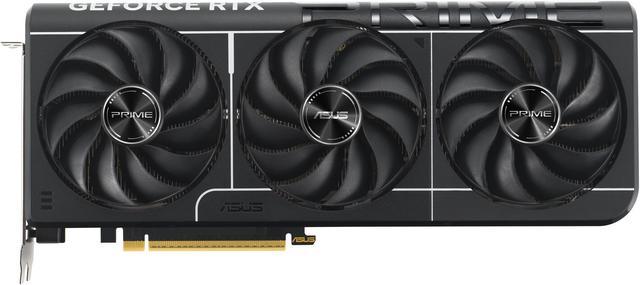
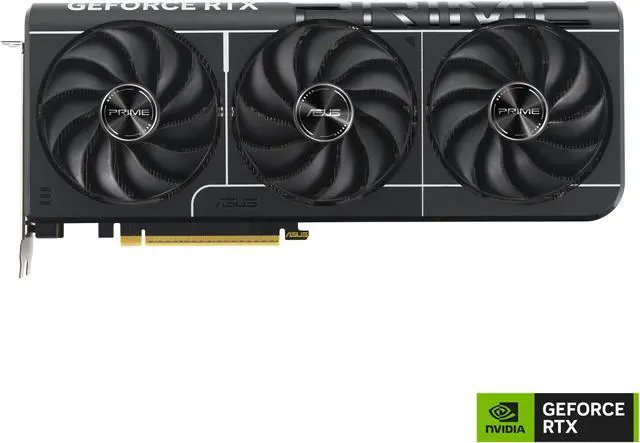
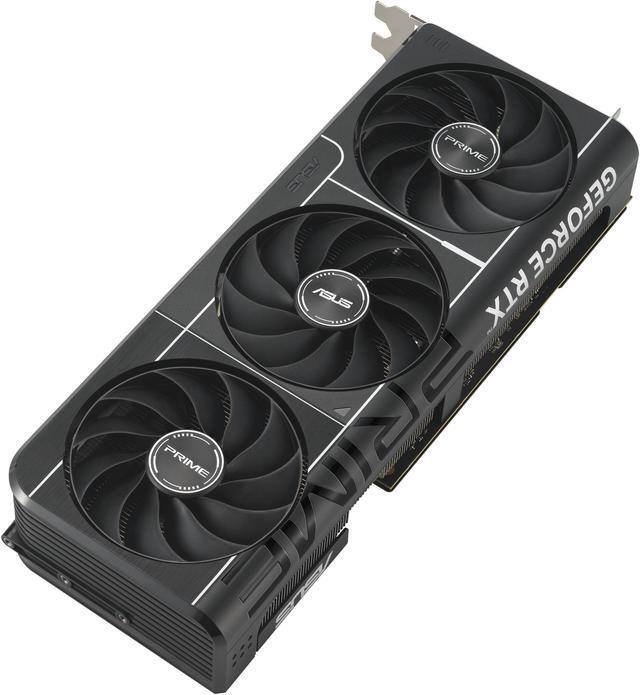
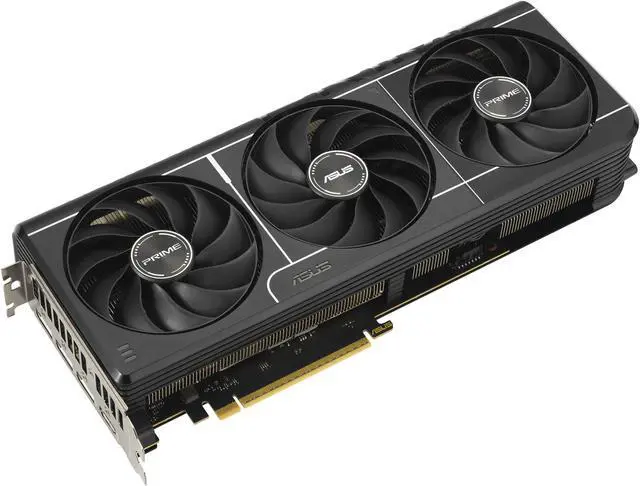
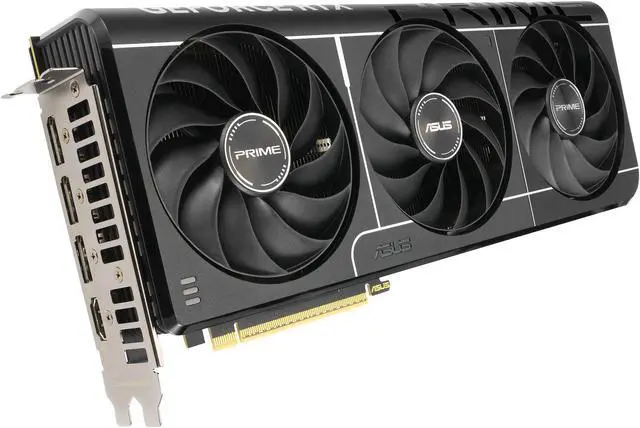
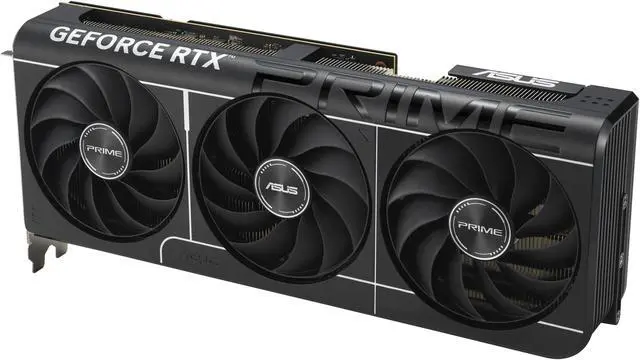
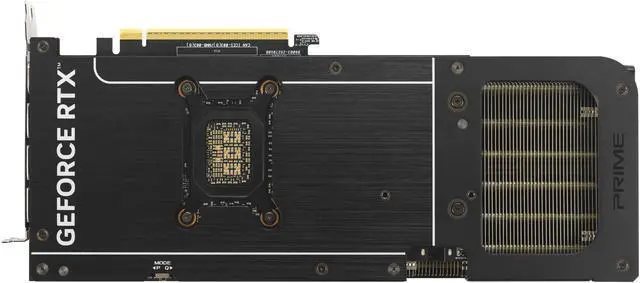
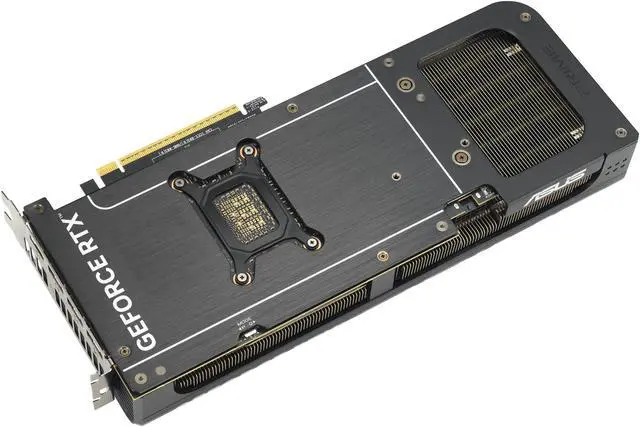
The ASUS PRIME GeForce RTX 5080 16GB is a Blackwell-based desktop graphics card built for high-end 4K gaming, advanced ray tracing, and creator workloads, making it a strong fit for enthusiasts who want 16GB of GDDR7 memory, modern DisplayPort 2.1a and HDMI 2.1b outputs, and PCIe 5.0 support in a 2.5-slot ATX build.
| Attribute | Value |
|---|---|
| Best For | High-performance desktop gaming and creative workflows on high-resolution displays and multi-monitor setups (supports up to 7680 x 4320 and 4 simultaneous displays) |
| GPU And Architecture | NVIDIA GeForce RTX 5080 (GeForce RTX 50 Series) using Blackwell architecture with 10,752 CUDA cores |
| Memory And Bandwidth | 16GB GDDR7 on a 256-bit memory bus with an effective memory data rate of 30 Gbps |
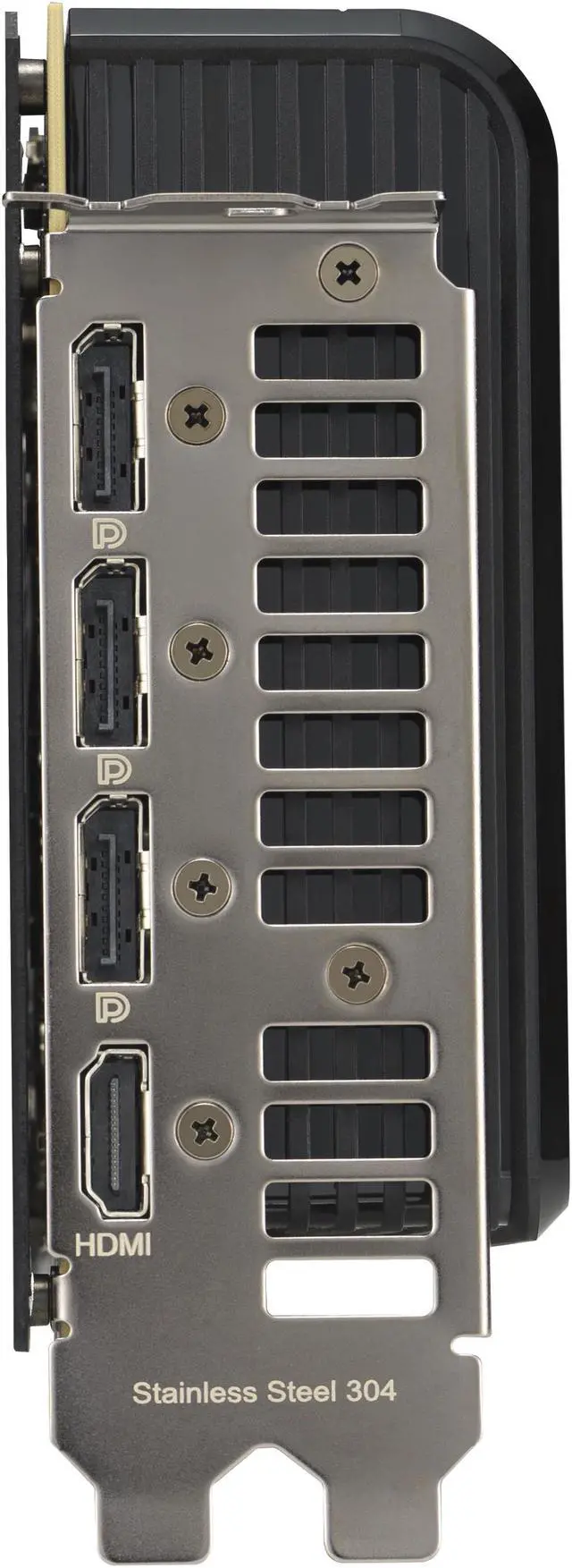
| Display Outputs And Multi-Monitor | 1 x HDMI 2.1b and 3 x DisplayPort 2.1a, supports up to 4 simultaneous displays at resolutions up to 7680 x 4320 |
| Interface And Form Factor | PCI Express 5.0 x16 interface, ATX card form factor, occupies 2.5 expansion slots |
| Power And Thermal | Thermal Design Power 360W, uses a single 16‑pin power connector, recommended system PSU 850W |
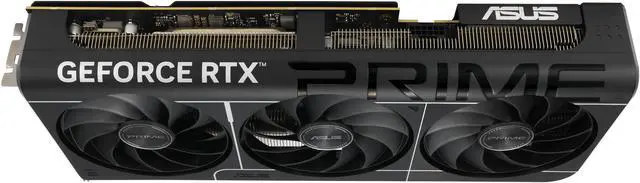
| Cooling And Fans | Triple axial‑tech fans with vapor chamber cooling on a 2.5‑slot heatsink design |
| Performance Clocks | GPU clock speed 2617 MHz (specified) |
| API And DRM Support | Supports DirectX 12 Ultimate and OpenGL 4.6; HDCP ready |
| Dimensions And Weight | Card dimensions 12 x 5 x 2 inches; max GPU length 306 mm; item weight 4 lb; package weight 1.96 kg; package dimensions 9.2 L x 23.6 W x 41.2 H cm |
| Model Identifiers | ASUS PRIME series model PRIME-RTX5080-16G (part number 90YV0LX1-M0AA00) |
| Compatibility And Use | Designed for desktop PCs; VR ready |
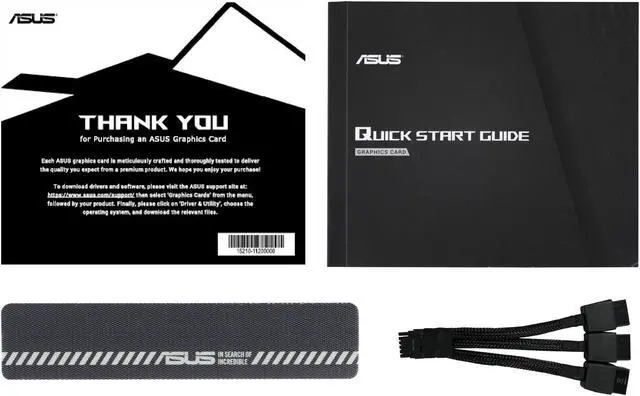
| Package Contents | Includes speedsetup manual, ASUS Velcro hook & loop, thank you card, and an adapter cable (1 to 3) |
| Regulatory And Safety | California Proposition 65 warning: on_product_cancer |
Q: Should I buy the ASUS PRIME RTX 5080 or upgrade to an RTX 5090?
A: Choose the ASUS PRIME RTX 5080 if you want flagship-class 4K gaming performance without moving to the larger power, size, and budget requirements of an RTX 5090. Reviews position the RTX 5090 as a clear step up for maximum ray tracing, heavy creator workloads, and buyers who want the fastest Blackwell option, but the RTX 5080 is the more balanced choice for high-end gaming builds. The ASUS PRIME model also favors broader case compatibility with its 2.5-slot, 306 mm design, which is easier to fit than many top-tier cards.
Q: Is the ASUS PRIME RTX 5080 worth buying over an RTX 4080 Super?
A: Buy the ASUS PRIME RTX 5080 over an RTX 4080 Super if you want a modest but real generational uplift, access to Blackwell features such as DLSS 4 Multi Frame Generation, and a card that is better aligned with new high-end builds. Independent reviews show the RTX 5080 is only moderately faster in standard raster gaming than the RTX 4080 Super, so the trade-off is straightforward: it makes more sense for new purchases than for a cost-heavy upgrade from an existing 4080 Super.
Q: Should I choose the ASUS PRIME RTX 5080 or an RTX 5070 Ti?
A: Choose the ASUS PRIME RTX 5080 if your goal is stronger 4K performance, more headroom for ray tracing, and a longer runway for demanding AAA games. The RTX 5070 Ti is the better fit when you are optimizing for a lower total system cost and mainly targeting 1440p. Review data places the RTX 5070 Ti meaningfully below the RTX 5080, so the decision usually comes down to whether you want premium 4K headroom or better value in the upper-midrange.
Q: Is the ASUS PRIME RTX 5080 a better choice than the Radeon RX 7900 XTX?
A: The ASUS PRIME RTX 5080 is the better choice if you value newer NVIDIA platform features, stronger ray tracing performance, DLSS support, and a more current high-end upgrade path. A Radeon RX 7900 XTX can still make sense when price and raster-focused gaming matter more than NVIDIA's feature stack. Across reviews and community comparisons, the common trade-off is that the RTX 5080 is chosen more often for ray tracing and upscaling quality, while AMD remains relevant when purchase price is the main priority.
Q: Is the ASUS PRIME RTX 5080 good for compact or compatibility-focused builds?
A: Yes. Compared with larger premium RTX 5080 variants, the ASUS PRIME model is a better fit for users who want RTX 5080-class performance in a card that is easier to integrate. ASUS positions it as an SFF-ready enthusiast card, and its listed 2.5-slot, 306 mm design is more compatibility-friendly than many oversized flagship coolers. It is still a 360 W desktop GPU, so it suits compact high-airflow towers better than truly space-constrained systems.
Q: Is the ASUS PRIME RTX 5080 a good value compared with higher-end RTX 5080 models like the MSI Gaming Trio or ASUS ROG Astral?
A: Yes, if your priority is RTX 5080-class performance without paying extra for a larger premium cooler or factory-overclocked flagship design. This ASUS PRIME model keeps the core RTX 5080 specs buyers usually care about: 16GB GDDR7, 256-bit memory, PCIe 5.0, and modern display outputs. The trade-off is that premium variants may offer quieter cooling, more overclocking headroom, or heavier builds, but they do not change the product tier.
Q: Will this GPU fit in most mid-tower PC cases?
A: Usually yes, but you should measure first. This card is about 12 inches long and uses 2.5 slots, so it is smaller than many oversized flagship RTX 5080 cards. It is a better fit for standard ATX mid-towers than extra-large triple-slot-plus models, but clearance can still be tight if your case has front radiators, drive cages, or limited GPU space.
Q: What power supply do I need for the ASUS PRIME RTX 5080?
A: Plan for an 850W power supply for a typical build. The card is rated at 360W and uses a single 16-pin power connector, so it is not a low-power upgrade. If you are pairing it with a high-end CPU, heavy overclocks, or many peripherals, more PSU headroom can make sense.
Q: Who is this graphics card best suited for?
A: It is best for buyers building a high-end desktop for 4K gaming, high-refresh 1440p gaming, or GPU-heavy creative work who want full RTX 5080 capability in a more straightforward, less oversized card design. It is less suitable for compact builds, budget systems, or users with weaker power supplies.
Q: Is this a good choice if I need multiple modern display outputs for a gaming or creator setup?
A: Yes. It supports up to four displays and includes 1 HDMI 2.1b plus 3 DisplayPort 2.1a outputs, which is a strong setup for multi-monitor gaming, creator workstations, and very high-resolution or high-refresh monitors. The main limitation is that it still uses the common 1x HDMI plus 3x DisplayPort layout, so it is less ideal if you specifically need two native HDMI outputs.
Q: Is the ASUS PRIME RTX 5080 a good buy if I want a simpler, lower-premium 5080 model?
A: Yes, if your goal is to get RTX 5080-class performance without paying extra for flagship cooler designs or aesthetics. Repeated Reddit discussions frame the ASUS PRIME as a solid base-model 5080, with the main buying case being value within the 5080 tier rather than unique features. The trade-off is that it is still a 360W card, so total system cost and power requirements remain high.
Q: Who is the ASUS PRIME RTX 5080 best suited for?
A: It is best suited for buyers who specifically want RTX 5080 performance for high-end gaming or GPU-heavy work and who also need a card that is relatively manageable in size for its class. Based on the product data, it uses a 2.5-slot, 306 mm design, which makes it easier to fit than some larger premium 5080 models. It is less suitable for compact builds with tight power or airflow limits, because it still draws 360W and ASUS recommends an 850W PSU.
Q: Is the ASUS PRIME RTX 5080 a good choice for smaller cases or space-limited builds?
A: It can be a practical 5080 option for space-limited ATX or some SFF-focused builds because the listed size is 306 mm long and 2.5 slots thick, which is smaller than many oversized premium cards. That said, fit should still be checked carefully because power cable clearance and case airflow matter as much as card length with a 360W GPU.
Q: What are the main trade-offs of choosing the ASUS PRIME RTX 5080 instead of a higher-end 5080 model?
A: The main trade-off is feature level, not core GPU capability. You still get the same GeForce RTX 5080 GPU, 16GB of GDDR7 memory, and modern display outputs, but higher-end models may justify their premium with quieter cooling, more elaborate construction, or extra tuning headroom. The PRIME version makes the most sense when those extras are not important to you.


