




 here!
here!
I’m your shopping assistant for PC builds, upgrades, and everything tech.
Got questions? Ask away!
Start a conversation
here!
I’m your shopping assistant for PC builds, upgrades, and everything tech.
Got questions? Ask away!
Start a conversation




Any questions? Ask CelesteSM will help you find out quickly.


This is XTIA Studio. It's a pleasure to meet everyone at NEWEGG. We will start trying to provide better service and faster transportation conditions on the New Egg platform.
Our store has started operating, and more information and details will be updated gradually
We will use different operating methods on the Newegg platform compared to our other platforms.

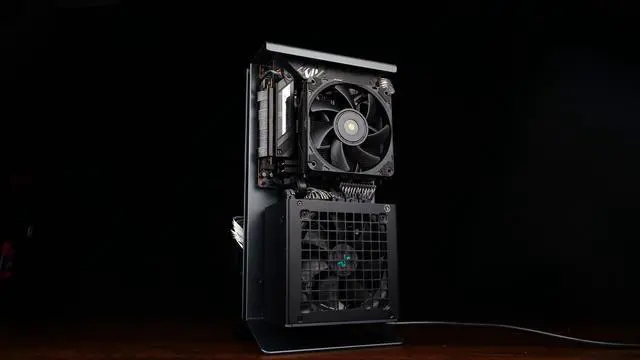
We completed regular iterations of XPROTO-L.
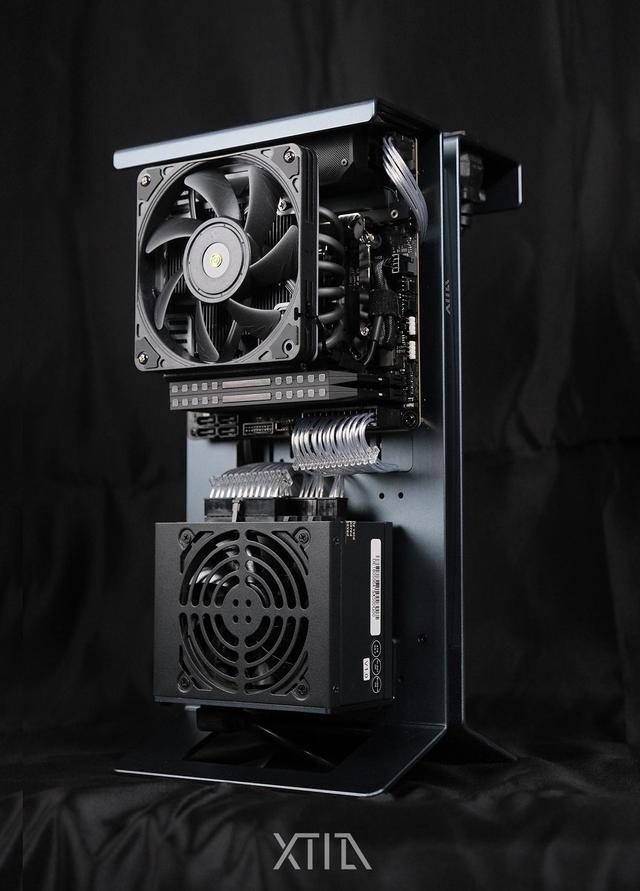
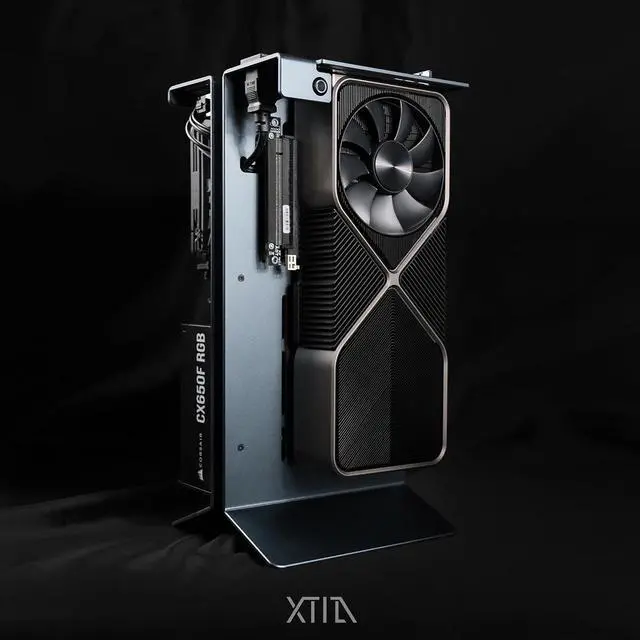
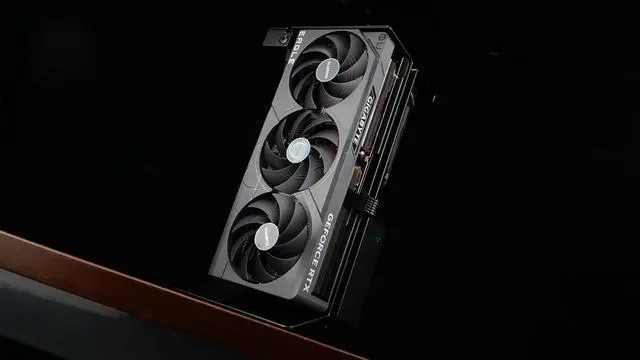
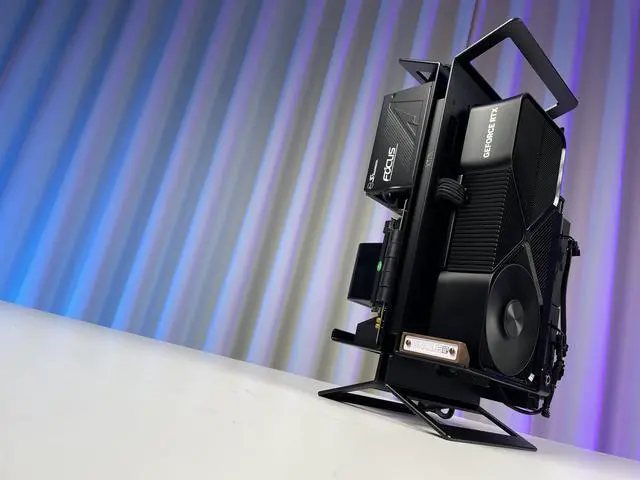
XPROTO-L V2 will integrate the handle design by default. And can support all known 40 series graphics cards on the market without increasing the size
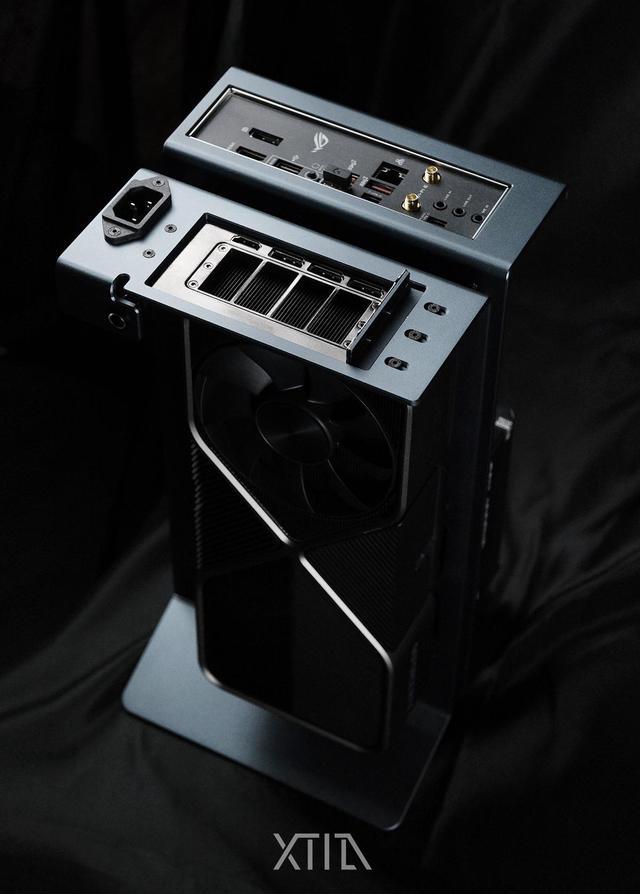
The bottom of the graphics card side will use an opening design similar to XPROTO-N to be compatible with more graphics cards. The way the power supply is installed provides more options
XPROTO-L v2 is compatible with all previous expansions (some accessories conflict with the handle and cannot be used at the same time)


Please view the installation tutorial in the YouTube video list
Please note that the video tutorial is in V1 version, and there are some differences in the installation of V2 version compared to V1.

V2 Version comes with hidden handle

Still compatible with most Modules, including flip module

The power extension cable is no longer fixed at the top

Please arrange the switch wires according to the guide diagram
XPROTO-L V2 will integrate the handle design by default. And can support all known 50 series graphics cards on the market without increasing the size
The bottom of the graphics card side will use an opening design similar to XPROTO-N to be compatible with more graphics cards. The way the power supply is installed provides more options
The power extension cord fixing hole on the top has been removed
XPROTO-L v2 is compatible with all previous expansions (some accessories conflict with the handle and cannot be used at the same time)
For more details about Xproto-L V2, please watch our updated tutorial video
Need 21.5CM Double reverse pcie riser cable


(With filp module )


Please read ALL the information below before you buy!
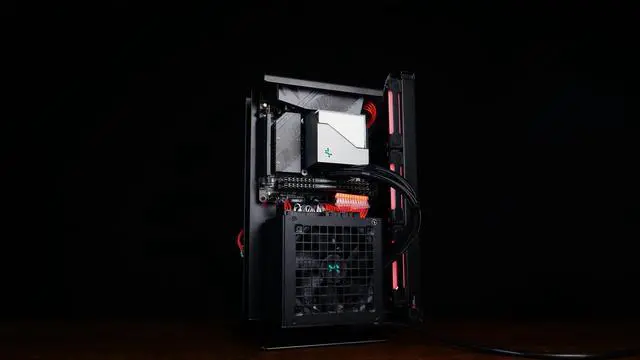
AIO mounting: You can add an AIO module (or two) and a custom set of cables (for both versions of the Xproto; you can order a set for your power supply on this website) to cart and checkout the items together. One case can be attached with up to two AIO brackets without paying any extra postage for the brackets. If there are more than 2 AIO brackets in your order, please note that you will have to pay extra shipping costs (~$5USD for each additional AIO bracket).
The AIO bracket is compatible with both the Xproto and Xproto-L.
GPU compatibility: There are 3 PCI slots for GPU mounting, ensuring you can use giant graphics cards such as the 3090 FE. There is 345mm of GPU length clearance, plenty enough for even the largest graphics cards available.
Warning: The PCIe riser cable is Gen3/GEN4 (PCIe 3.0/4.0). If you are using PCIE 4.0/5.0 Mobo, please set your PCIe slot setting from Gen5/4 (PCIe 5/0/4.0) to Gen4/3 in the BIOS. If you do not change the setting, there is a high risk that you will have video output issues. Theres no need to be concerned about being limited to Gen3, as testing has shown that even with an RTX 3080, there is less than a 5% performance loss downgrading from a Gen4 to Gen3 connection.

What are the differences between the Xproto and Xproto-L? Why would I get an Xproto-L as opposed to the original?


