
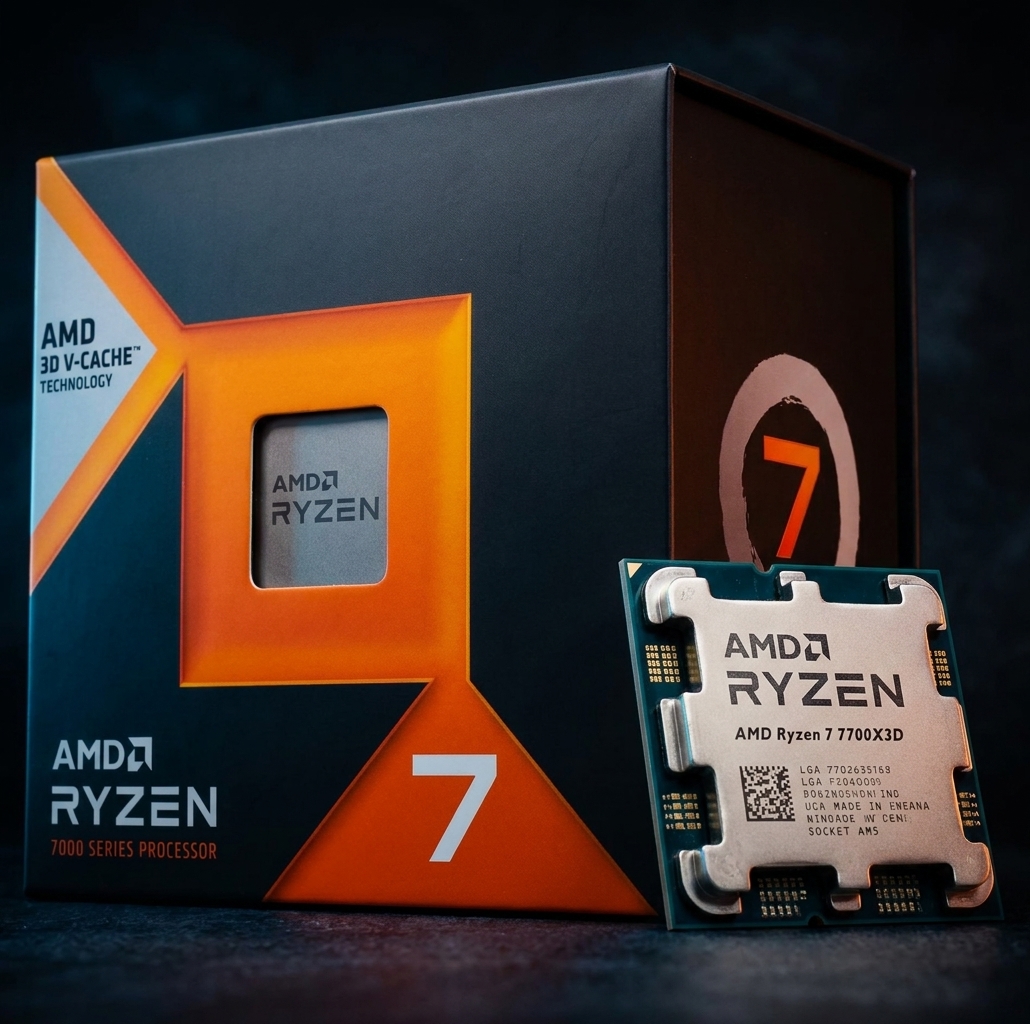
AMD’s 3D V-Cache technology has a proven track record on the AM4 platform — the Ryzen 7 5800X3D became one of the most celebrated gaming CPUs in recent memory, and its success made one thing clear: cache-stacked processors deliver a level of gaming performance that core count alone cannot match. Now, AMD is bringing that same philosophy to the AM5 platform with the Ryzen 7 7700X3D, and this time it arrives with the full advantage of a next-generation foundation.
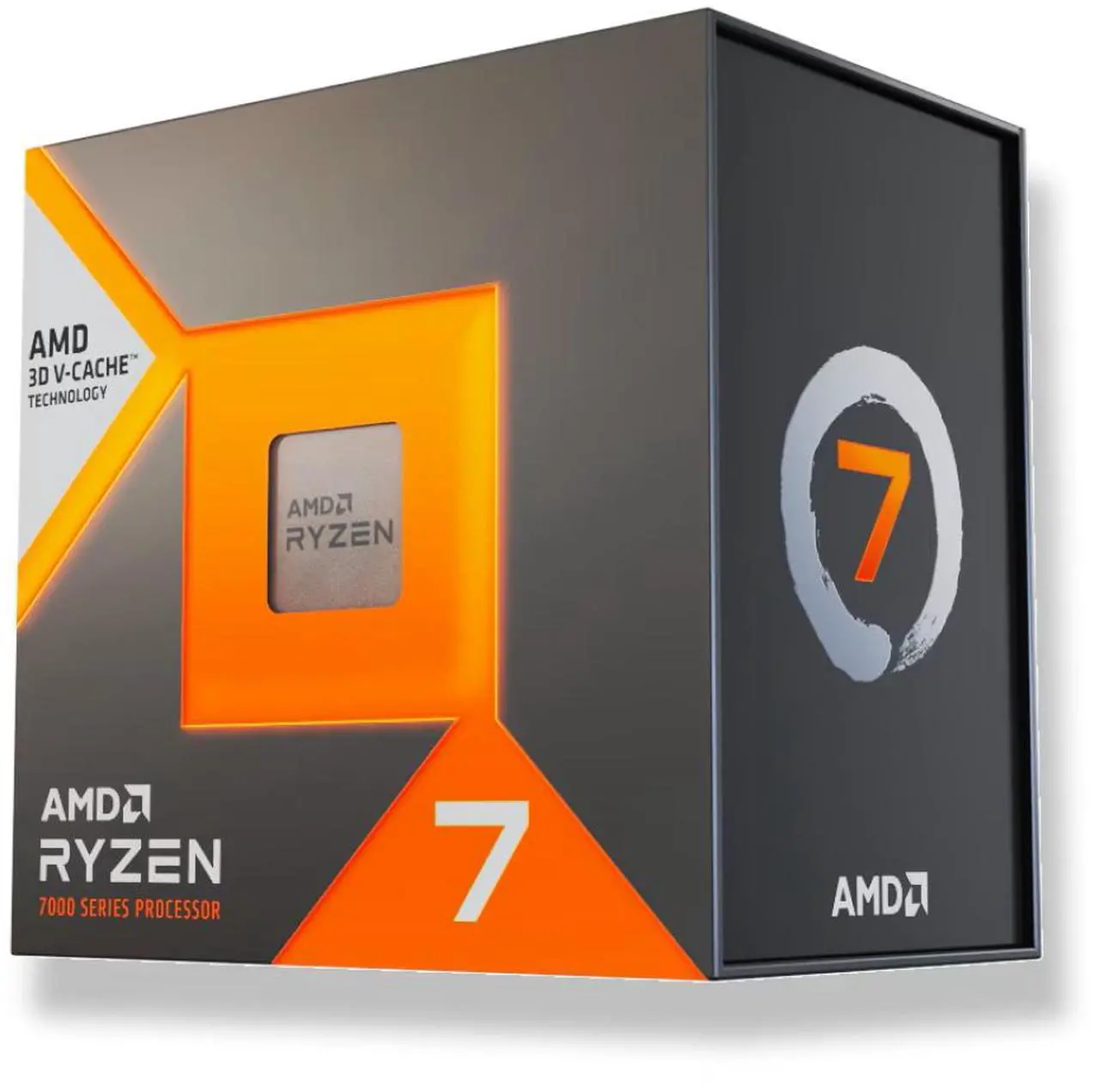
What Is the Ryzen 7 7700X3D?
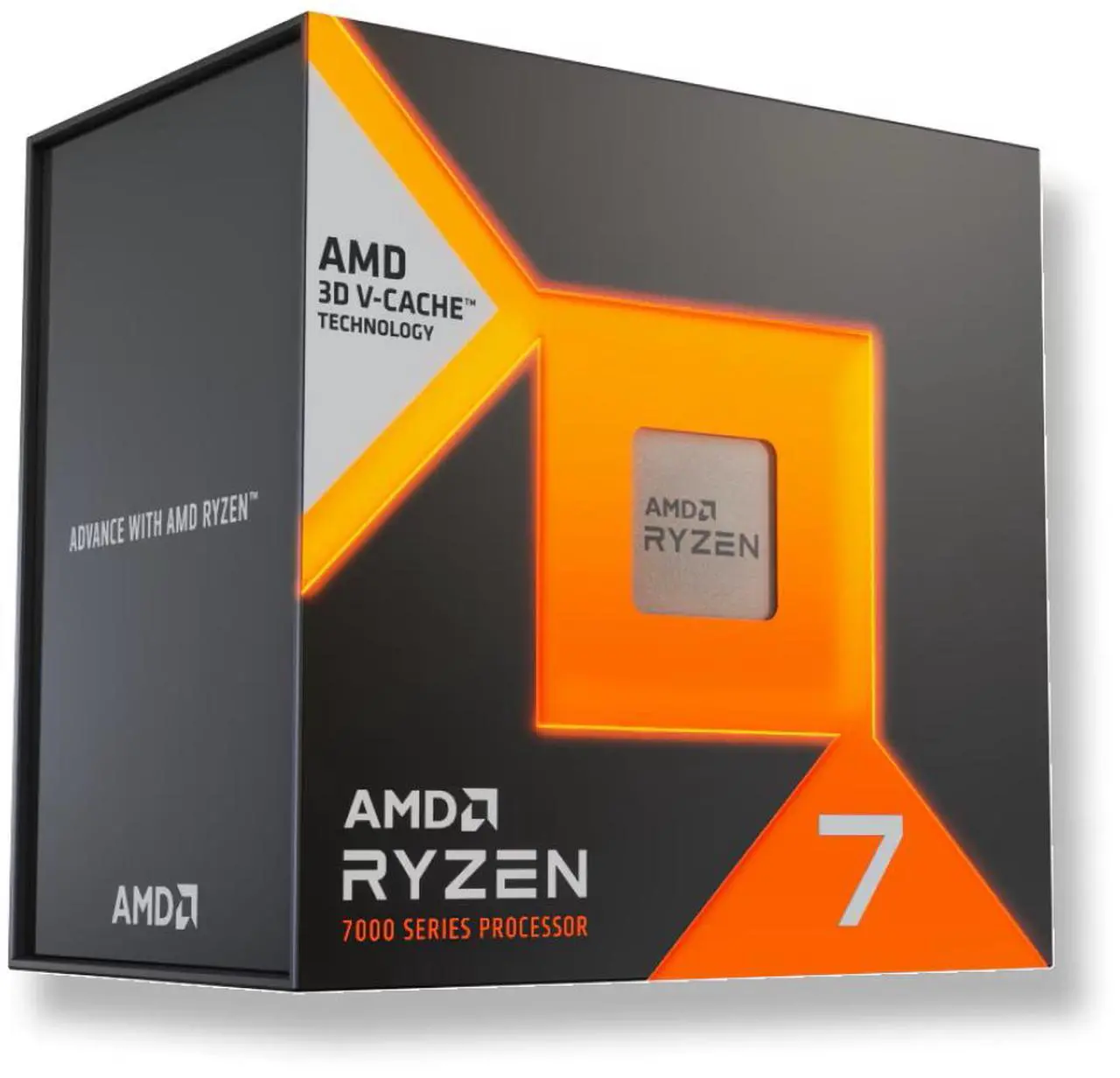
The Ryzen 7 7700X3D is an 8-core, 16-thread desktop processor built on AMD’s Zen 4 architecture, manufactured on a cutting-edge 5nm process. It uses Socket AM5 and supports DDR5 memory. Like the 5800X3D before it, the 7700X3D features AMD’s 3D V-Cache technology, which stacks an additional SRAM layer directly on top of the processor die to bring the total L3 cache to 96MB. That is a significant figure — it means the 7700X3D carries three times as much L3 cache as the standard Ryzen 7 7700, which tops out at 32MB.
Base clock is 4.0 GHz, TDP is 120W, and the chip also includes AMD Radeon integrated graphics running at a base frequency of 2200 MHz. The model number is 100-100002235WOF. Compatible chipsets include AMD A620, B650, B650E, X670, X670E, X870, X870E, B840, and B850.
Why the AM5 Platform Matters
The upgrade from AM4 to AM5 is not just a socket change — it represents a generational shift in platform capabilities. AM5 brings native DDR5 memory support, PCIe 5.0 connectivity for both graphics cards and NVMe storage, and a foundation that AMD has committed to supporting for the long term.
DDR5 memory, paired with Zen 4’s improved memory controller, delivers meaningfully higher memory bandwidth than DDR4 systems. For cache-heavy workloads and latency-sensitive gaming scenarios, this matters. The 7700X3D’s 96MB L3 cache means the processor can serve a large proportion of game data directly from cache, but when it does need to reach into system memory, the DDR5 pipeline behind it is considerably faster than what AM4 could offer.
PCIe 5.0 support means that users who build or upgrade around the 7700X3D can pair it with the latest generation NVMe drives — capable of sequential read speeds in excess of 12,000 MB/s — without any bandwidth bottleneck at the CPU interface. AMD has also been consistent in its messaging around AM5 longevity: investing in AM5 with the 7700X3D is therefore not just a purchase of a single CPU — it is a purchase of upgrade flexibility for years to come.
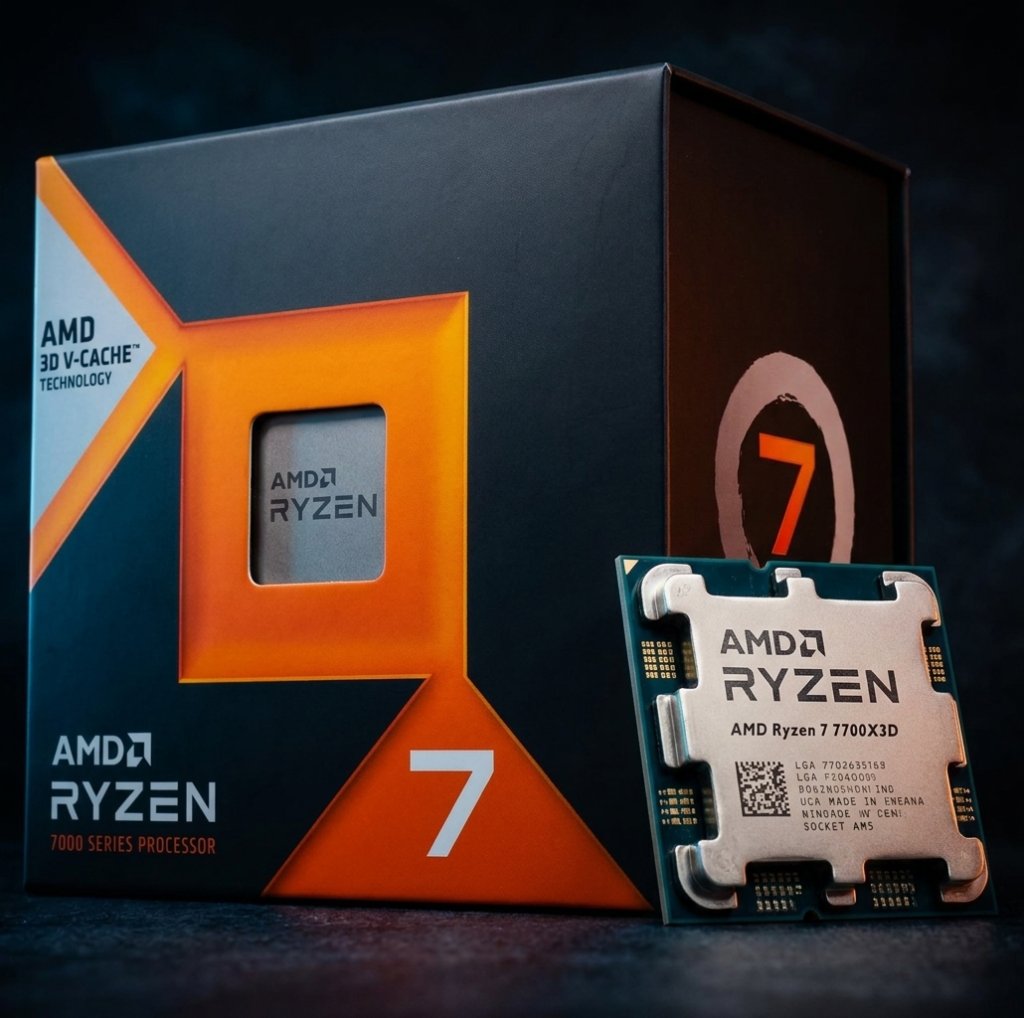 The 3D V-Cache Advantage for Gamers
AMD’s 3D V-Cache technology works by bonding an additional SRAM die on top of the CPU die using through-silicon vias. The result is that the cores can access a much larger pool of data without having to wait for slower main memory fetch cycles. For gaming, this translates to consistently higher framerates, particularly in CPU-limited scenarios. Titles like Cyberpunk 2077, Star Wars Outlaws, and Monster Hunter Wilds all show significant sensitivity to CPU cache size, and the 7700X3D’s 96MB L3 means it can keep more of those games’ working data sets resident in fast cache.
Built-In Radeon Graphics
One distinctive aspect of the 7700X3D is its inclusion of integrated AMD Radeon graphics. Many of AMD’s V-Cache processors, including the 5800X3D and 7800X3D, do not include an iGPU. The 7700X3D, however, manages to include both 3D V-Cache and a Radeon iGPU running at a base frequency of 2200 MHz. This makes it appealing for small form factor systems, HTPCs, or builders who want display output during initial system assembly before adding a discrete GPU.
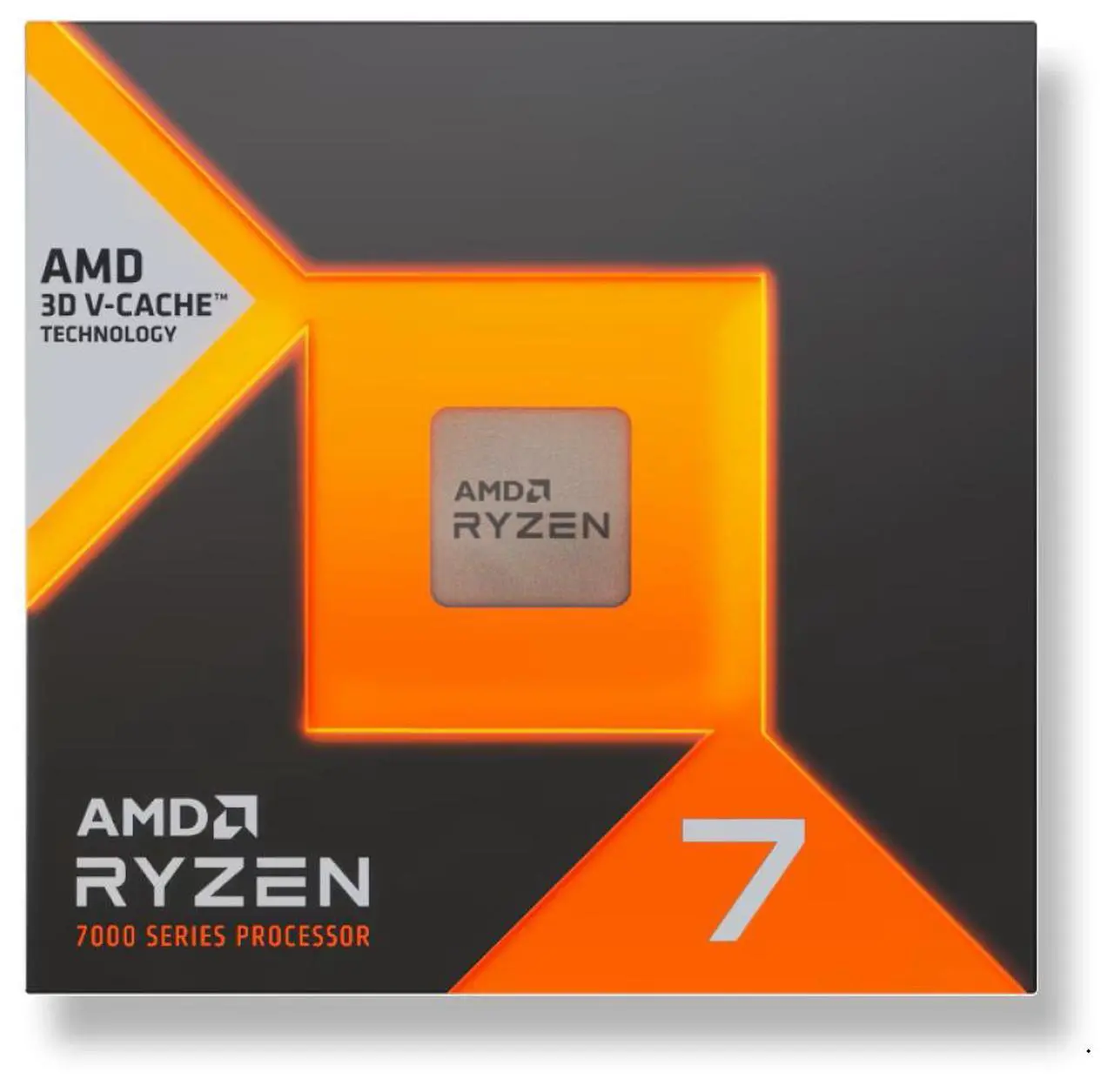
Who Should Consider the Ryzen 7 7700X3D?
The 7700X3D is an ideal fit for gamers on AM4 planning a full platform upgrade, and for builders starting a new AM5 system who want cache-stacking gaming performance at the 8-core tier. For content creators whose workloads are heavily multithreaded, the Ryzen 9 7950X3D may offer better value. But for gamers where single-threaded and cache-intensive performance is the priority, the 7700X3D’s combination of Zen 4 IPC, 5nm efficiency, and 96MB of L3 cache makes it one of the more compelling CPUs AMD has released on AM5.
Where to Get It
Shop Ryzen 7 7700X3D on Newegg
Final Thoughts
The Ryzen 7 7700X3D is AMD’s statement that 3D V-Cache belongs on the AM5 platform at every tier. Its combination of Zen 4 architecture, 5nm manufacturing, 96MB of L3 cache, DDR5 support, integrated Radeon graphics, and compatibility with AMD’s long-term AM5 platform makes it one of the most complete 8-core gaming processors AMD has offered. For anyone building or upgrading to AM5 with gaming performance as the top priority, the 7700X3D deserves a serious look.
Related Posts
- Buying the Ryzen 7 7700X3D on Newegg: Everything in One Cart
- 7800X3D vs 7700X3D: Which X3D Gaming Chip Should You Buy Now?
- Ryzen 7 7700X3D Bundle Deals on Newegg: Save More on Your Build
- Build a New 2026 Gaming PC Around the Ryzen 7 7700X3D
- Ryzen 7 7700X3D vs 7700X, 9600X, Core Ultra 7 265K & i7-14700K: Which Gaming CPU Wins?
Frequently Asked Questions
Answers to common questions about the AMD Ryzen 7 7700X3D.