
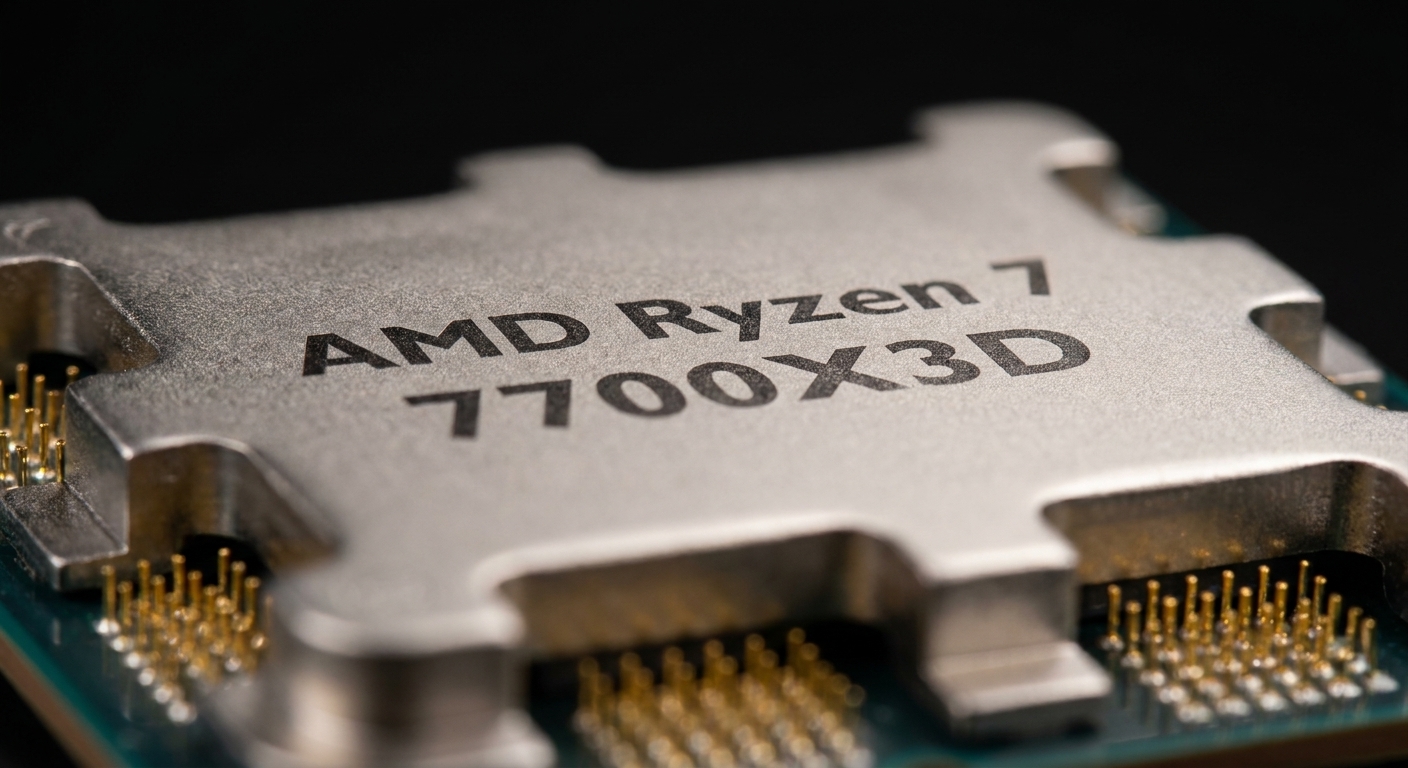
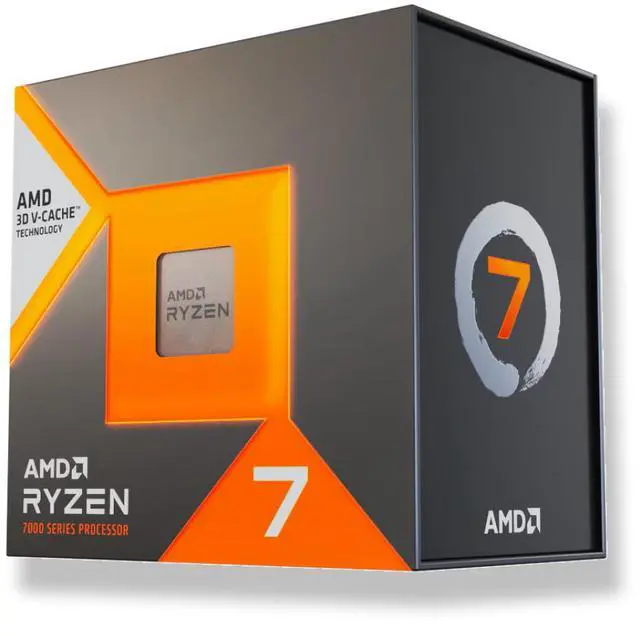
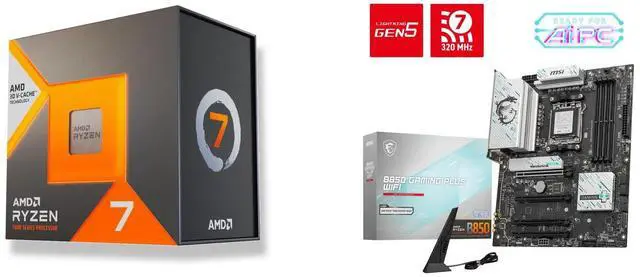
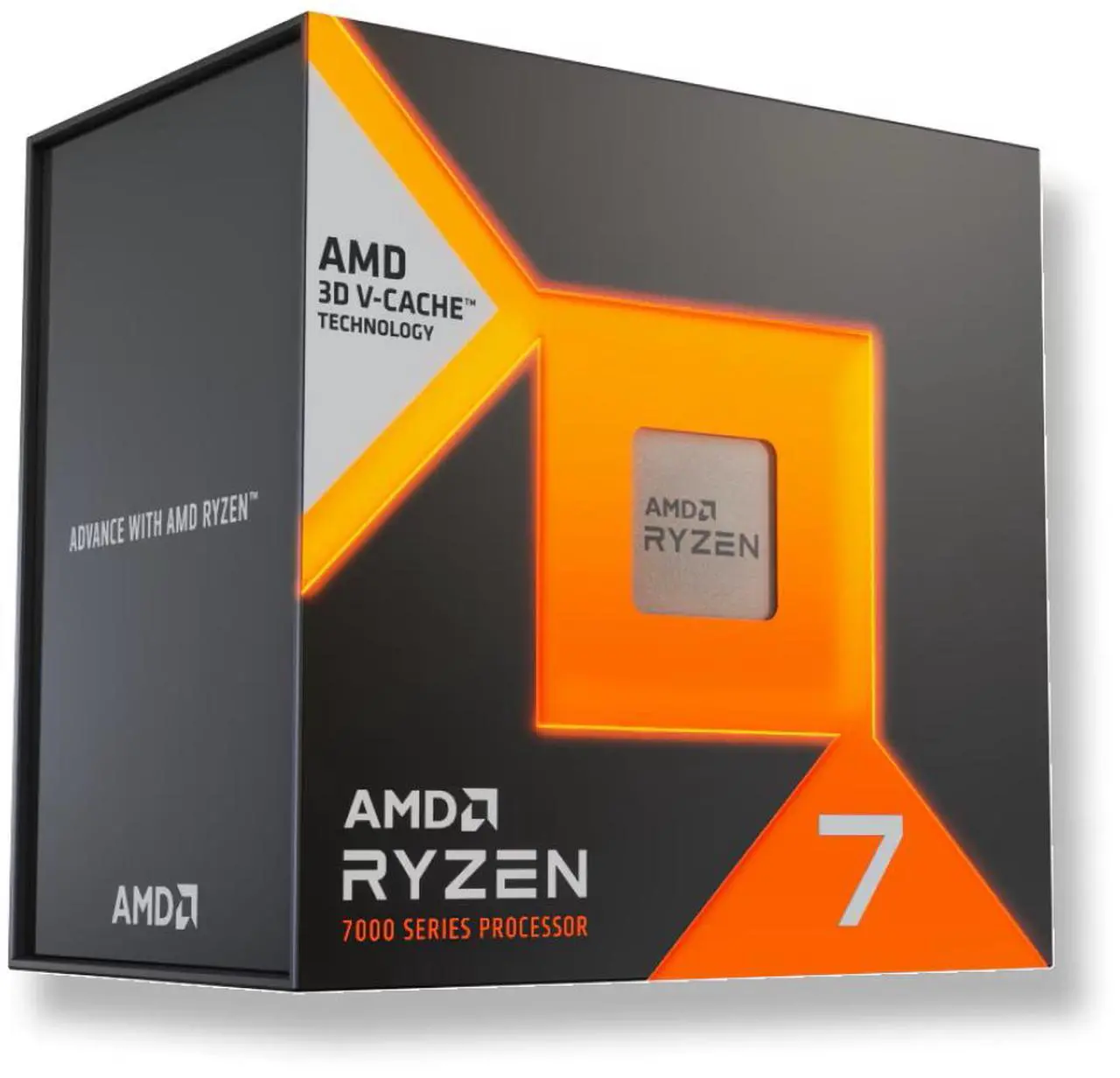
The AMD Ryzen 7 7700X3D has generated strong search interest since its listing on Newegg on June 10, 2026 — and the reasons are not hard to understand. It brings together Zen 4 architecture, 3D V-Cache technology, integrated Radeon graphics, and full AM5 platform compatibility in a single 8-core package — a combination that addresses multiple buyer needs at once. But is it the right chip for you specifically? This guide walks through the scenarios where the 7700X3D makes the most sense.
Who Needs This?
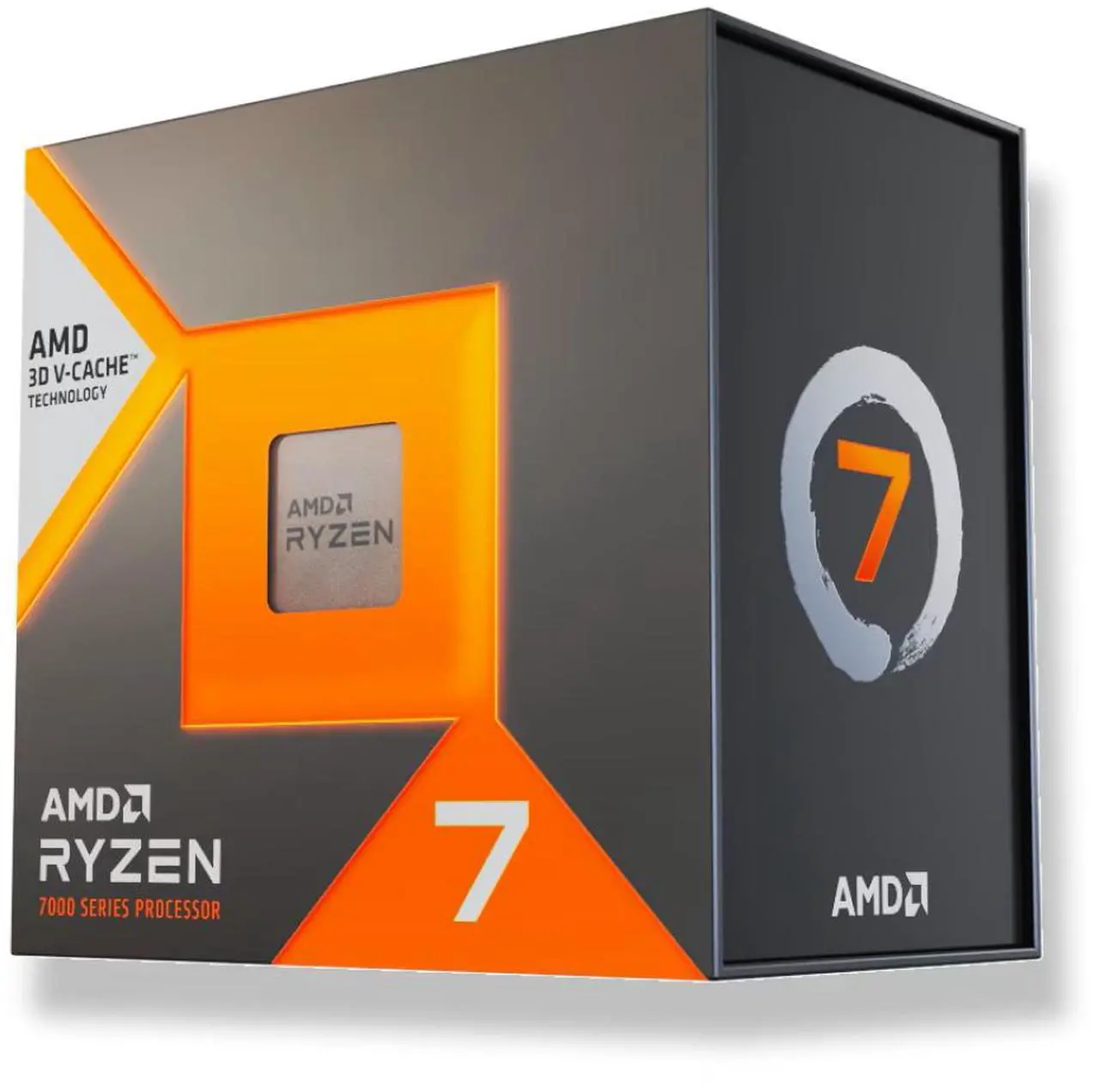
The 7700X3D’s core profile: 8 cores and 16 threads at a 4.0 GHz base clock, built on a 5nm process, with 96MB of L3 cache. It uses Socket AM5, supports DDR5-5200 memory up to 128GB, and has a 120W TDP. Like AMD’s other AM5 3D V-Cache processors, it includes integrated AMD Radeon graphics running at 2200 MHz base frequency.
This profile makes the 7700X3D particularly well-suited for three types of buyers: gamers upgrading to AM5 who want the V-Cache advantage, builders who want integrated graphics in a V-Cache system, and AM4 owners ready to fully platform-transition.
Scenario 1: The Gamer Upgrading from AM4
If you have been on an AM4 platform and watching the AM5 ecosystem mature before committing, the 7700X3D offers a compelling entry point. The Zen 4 architecture provides meaningful IPC uplift over Zen 3 and Zen 2. The 5nm process is more power-efficient than the 7nm on AM4 chips. DDR5 delivers higher bandwidth. And the 96MB of L3 cache means the 7700X3D keeps more game data in fast on-die cache — reducing slower DRAM fetches in CPU-limited scenarios.
The AM5 platform also adds PCIe 5.0, which future-proofs your storage and GPU upgrade path. The 7700X3D is not just a better processor — it is an entry point into an ecosystem with several years of upgrade runway ahead of it.
Check AMD Ryzen 7 7700X3D availability on Newegg
 Scenario 2: The Builder Who Wants V-Cache Plus an iGPU
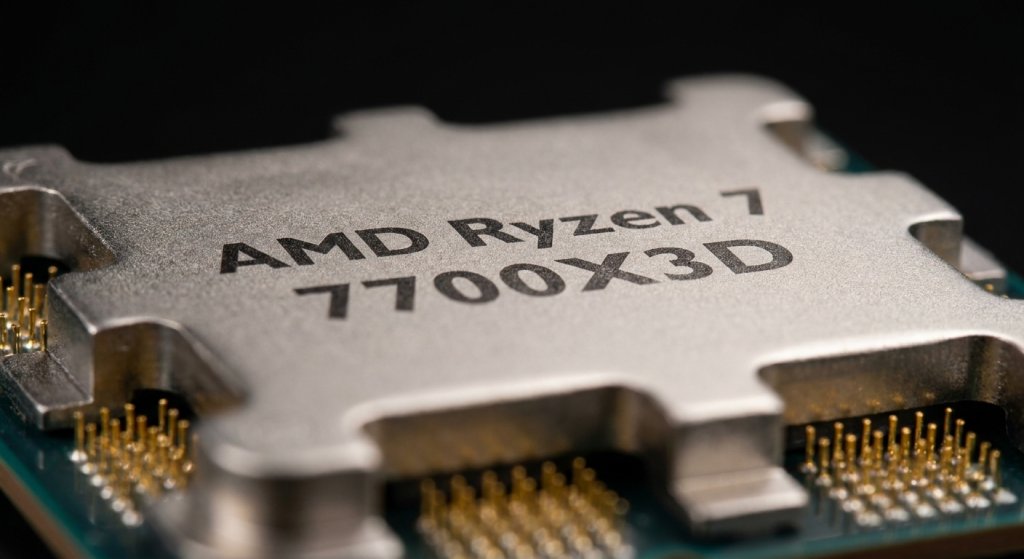
If your goal is 3D V-Cache paired with onboard graphics, the 7700X3D delivers exactly that — but it’s worth clarifying that it isn’t the sole option anymore. Across AMD’s 3D V-Cache desktop family, the AM4-based 5800X3D (Zen 3) is the only member without integrated graphics; on that earlier platform, integrated graphics were limited to the dedicated “G” series processors. By contrast, the AM5 V-Cache chips — including the 7800X3D and 9800X3D — ship with integrated AMD Radeon Graphics (2 cores clocked at 2200 MHz), and the 7700X3D carries the very same iGPU setup.
That flexibility makes the 7700X3D a strong pick for compact gaming systems that rely on iGPU display output while swapping graphics cards, home theater builds where low power draw matters, and workstation configurations that need V-Cache for cache-heavy workloads yet can forgo a discrete GPU altogether.
Scenario 3: The Gamer Comparing the 7700X3D to the 7800X3D
The 7800X3D has a slightly higher base clock at 4.2 GHz versus the 7700X3D’s 4.0 GHz. Both carry 96MB of L3 cache and 8 Zen 4 cores, and both include integrated AMD Radeon Graphics (2 cores at 2200 MHz), so their gaming and iGPU capabilities are closely matched. The practical differences come down to clock speed, pricing, and availability rather than the presence of integrated graphics — so buyers should weigh those factors when choosing between the two.
Browse and compare Ryzen 7 7700X3D options on Newegg
 Scenario 4: The Future-Focused Platform Builder
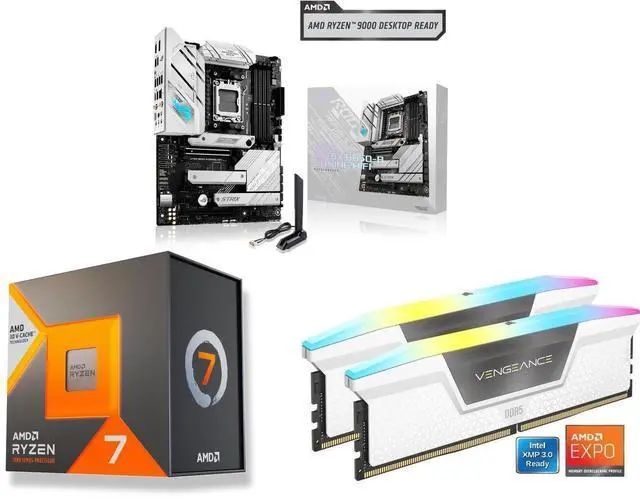
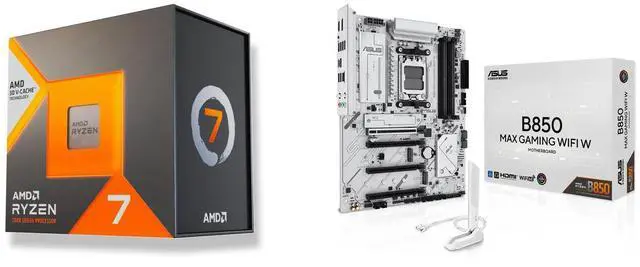
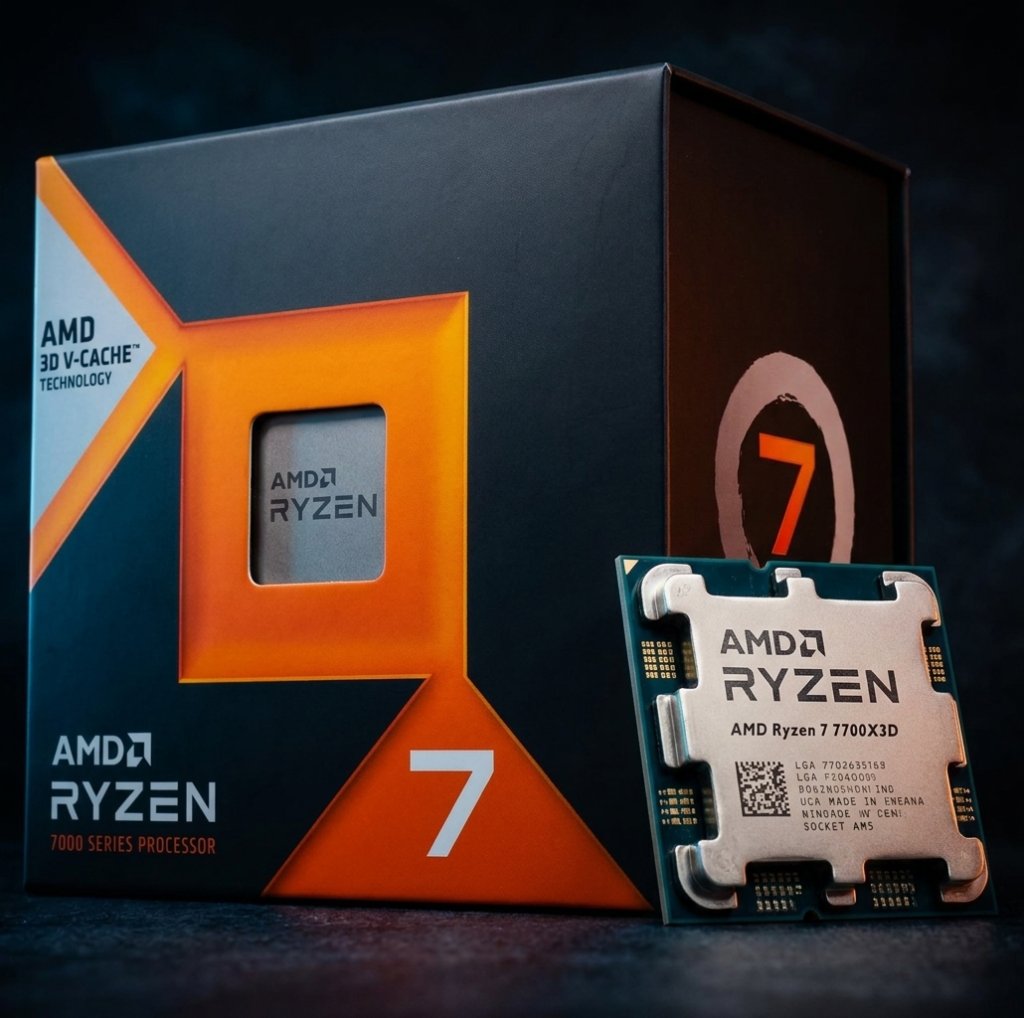
AMD has explicitly committed to AM5 as a long-term platform. The chipsets compatible with the 7700X3D — B650, B650E, X670, X670E, X870, X870E, B840, and B850 — span mainstream and enthusiast AM5 tiers. When newer Ryzen AM5 processors become available, your board should accommodate them with a BIOS update, just as AM4 did for over six years. For DDR5 memory pairing, AMD’s own testing typically uses DDR5-6000 for optimal gaming performance.
Compatibility Checklist Before You Buy
Socket AM5 motherboard required — the 7700X3D is not compatible with AM4. Compatible chipsets: A620, B650, B650E, X670, X670E, X870, X870E, B840, or B850. DDR5 memory required — AM5 does not support DDR4. An AM5 cooler is required; the 7700X3D does not include one. AM4 coolers require an adapter bracket.
Final Recommendation
The Ryzen 7 7700X3D is the right choice if you want 3D V-Cache gaming performance on AM5, value integrated graphics in your V-Cache build, or are transitioning from AM4 with an eye on a future-ready platform. For an 8-core build where gaming is the priority and iGPU flexibility is welcome, it is one of the more distinctively positioned processors AMD has released.
Related Posts
- Buying the Ryzen 7 7700X3D on Newegg: Everything in One Cart
- 7800X3D vs 7700X3D: Which X3D Gaming Chip Should You Buy Now?
- Ryzen 7 7700X3D Bundle Deals on Newegg: Save More on Your Build
- Build a New 2026 Gaming PC Around the Ryzen 7 7700X3D
- Ryzen 7 7700X3D vs 7700X, 9600X, Core Ultra 7 265K & i7-14700K: Which Gaming CPU Wins?
Frequently Asked Questions
Answers to common questions about whether the Ryzen 7 7700X3D is the right CPU for your build.