

Your Browsing History
- Free 30-day Returns
$212.43


Meet Your Seller

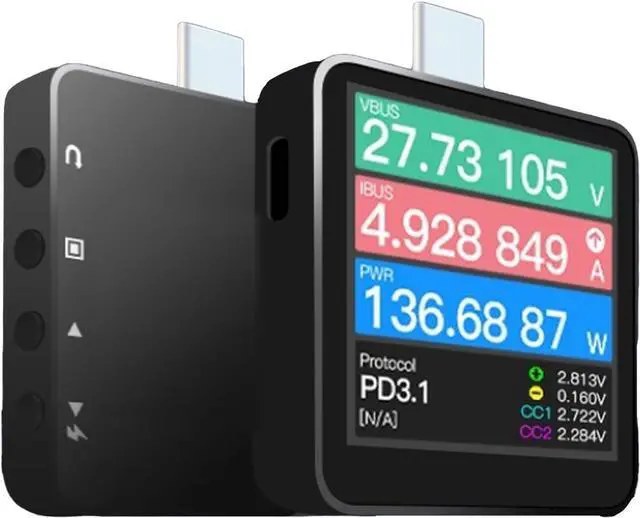
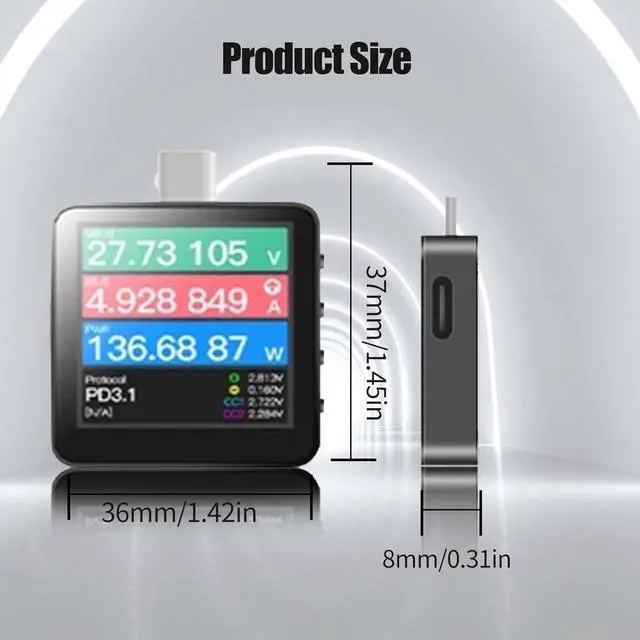
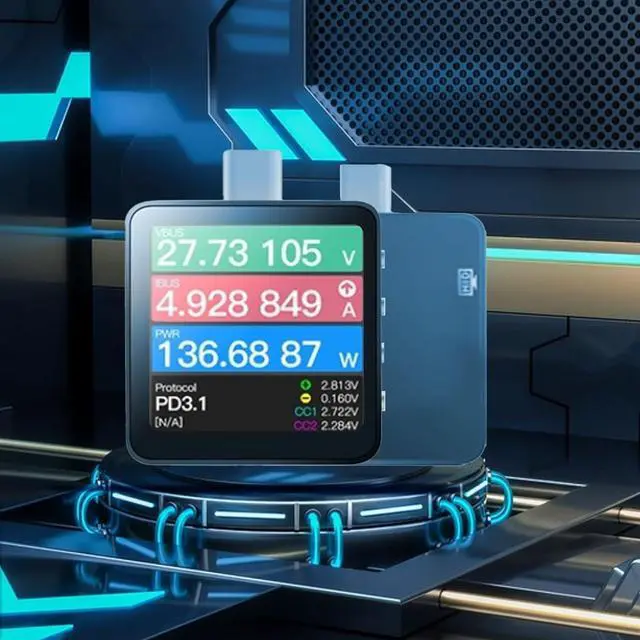
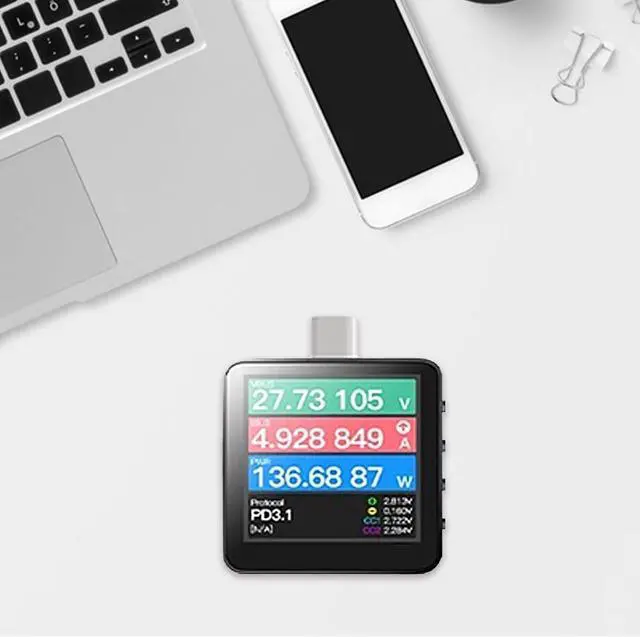


Latest Version Supports USB PD3.1 Power-Z KM003C Portable USB-C Fast Charging Tester PD3.1 QC5.0 Digital Voltmeter & Ammeter Power Bank Tester (Up to 50V)
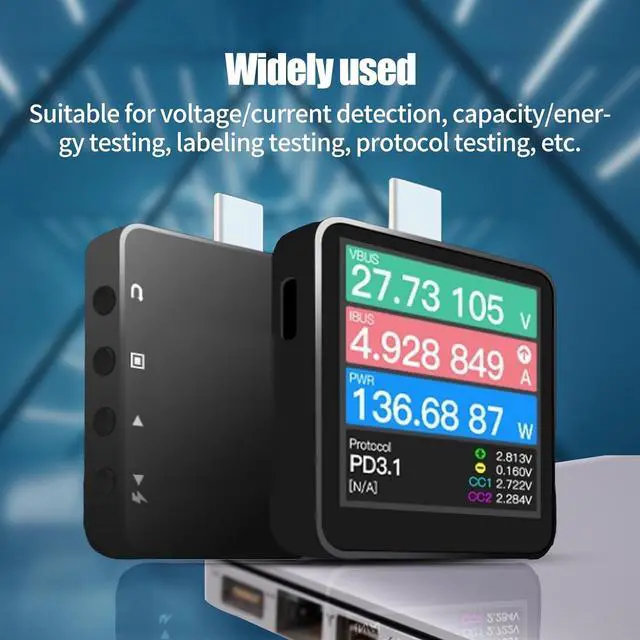
- New Upgrade: PD 3.1 support., This tester can support multiple tests, including voltage/current detection, capacity/energy test, E-marker test, PDO test, protocol test, etc.The language can be selected in the Settings.Support English and Chinese.
- New USBPD3.1 fast charge standard will support voltage outputs up to 48V, Charging power is synchronously increased to 240W.
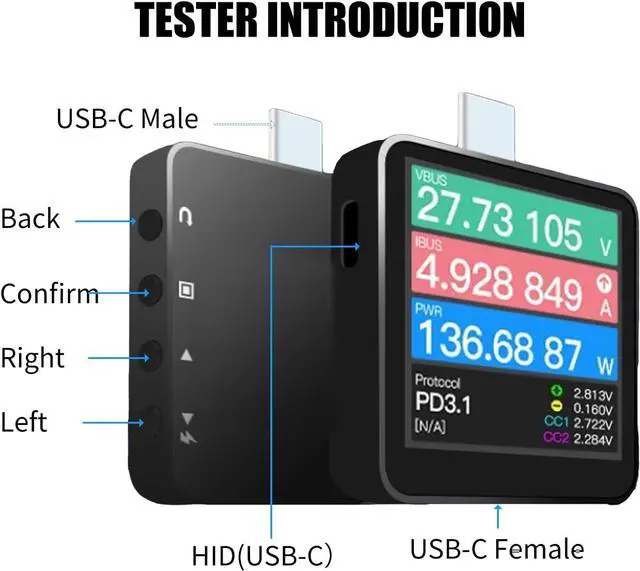
- Designed for USB-C: It's equipped with two USB-C ports for current input & output and an additional HID port (USB-C) for connecting to PC & power supply.
+
+
Overview
Specs
Reviews

Any questions? Our AI mode will help you find out quickly.
Try me now
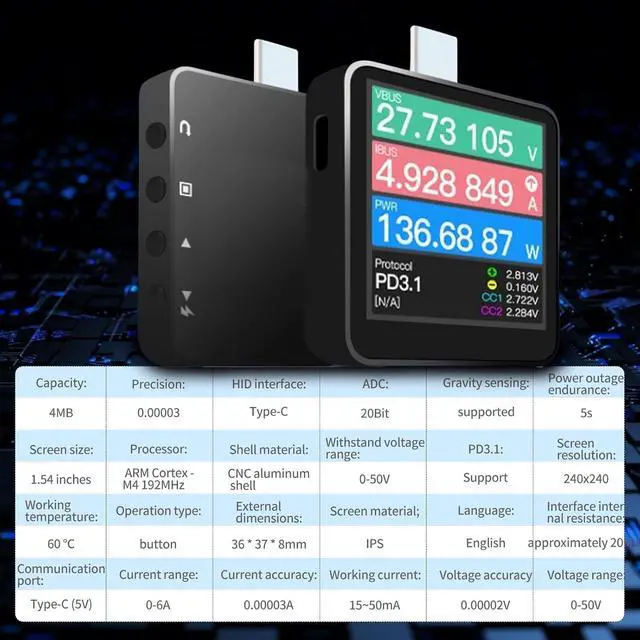
More Powerful: This tester integrates ARM Cortex-M4 processor and 20 bit ADC. It can support up to 50V 6A (240W in PD) and USB PD protocol analyzer. The PC software can obtain 10 million pieces of data at a time.
Larger LCD DisplayThe screen size has increased from 1.3 inches to 1.57 inches and can support gravity rotation. The high contrast UI makes it easier to get what you need.
As the upgraded version of USB PD 3.0 protocol, the new USB PD 3.1 protocol can support up to 48V, And the charging power can reach 240W. According to the documents from USB-IF, the USB PD 3.1 can support extended power range (EPR) of 28V, 36V, 48V and three sets of adjustable voltage supply (AVS).
Advantages:
Compatible with Alt DisplayPort compatible and allows for video signal transmission with PD 3.1 support.
It is a USB cable tester that truly complements traditional USB cable testers. Only the cable to be tested needs to be plugged into the A and B ports, and the tool does the rest.
This tool can help you identify misbehaving USB-C chargers and devices. It can shows you the real capacity of power banks and their charging/discharging efficiency.
No longer have to guess if a charger supports a certain PDO as it tells you exactly what it supports.
Warning!
1. Do not put Over 50V power into the USB tester.
2. When using the trigger function of the fast charge protocol, Do not connect any USB power supply devices. The high voltage may cause the devices to burn down or even fire.
3. When the instrument fails, please send to professional maintenance personnel!!
Important!!!
1. Do not disassemble the USB tester.
2. USB tester has no reverse voltage protection function, please do not switch the positive and negative electrodes into the instrument, otherwise it will cause permanent damage.
3. In the case of no separate power supply, connect the charger and tester with the data cable and long press the right button to activate, but if the CC1 pin used is short circuited with the VBUS, then pressing may burn the instrument.
Larger LCD DisplayThe screen size has increased from 1.3 inches to 1.57 inches and can support gravity rotation. The high contrast UI makes it easier to get what you need.
As the upgraded version of USB PD 3.0 protocol, the new USB PD 3.1 protocol can support up to 48V, And the charging power can reach 240W. According to the documents from USB-IF, the USB PD 3.1 can support extended power range (EPR) of 28V, 36V, 48V and three sets of adjustable voltage supply (AVS).
Advantages:
Compatible with Alt DisplayPort compatible and allows for video signal transmission with PD 3.1 support.
It is a USB cable tester that truly complements traditional USB cable testers. Only the cable to be tested needs to be plugged into the A and B ports, and the tool does the rest.
This tool can help you identify misbehaving USB-C chargers and devices. It can shows you the real capacity of power banks and their charging/discharging efficiency.
No longer have to guess if a charger supports a certain PDO as it tells you exactly what it supports.
Warning!
1. Do not put Over 50V power into the USB tester.
2. When using the trigger function of the fast charge protocol, Do not connect any USB power supply devices. The high voltage may cause the devices to burn down or even fire.
3. When the instrument fails, please send to professional maintenance personnel!!
Important!!!
1. Do not disassemble the USB tester.
2. USB tester has no reverse voltage protection function, please do not switch the positive and negative electrodes into the instrument, otherwise it will cause permanent damage.
3. In the case of no separate power supply, connect the charger and tester with the data cable and long press the right button to activate, but if the CC1 pin used is short circuited with the VBUS, then pressing may burn the instrument.
Warranty & Returns
Warranty, Returns, And Additional Information
Warranty
- Please contact the Seller directly for warranty information. Warranty information may also be found on the Manufacturer's website.
- CONTACT
Return Policies
- Return for refund within: 30 days
- Return for replacement within: 30 days
- This item is covered by Halo Electronics Return Policy
Manufacturer Contact Info
- For a directory of all our manufacturers, please click below.
- Manufacturers Directory
LOADING...