
Best Sellers
Are you an E-Blast Insider?
Get Educated
Make informed decisions with expert advice. Learn More
Shop without retyping payment details. Secure shopping made faster.
Check out with PayPal.
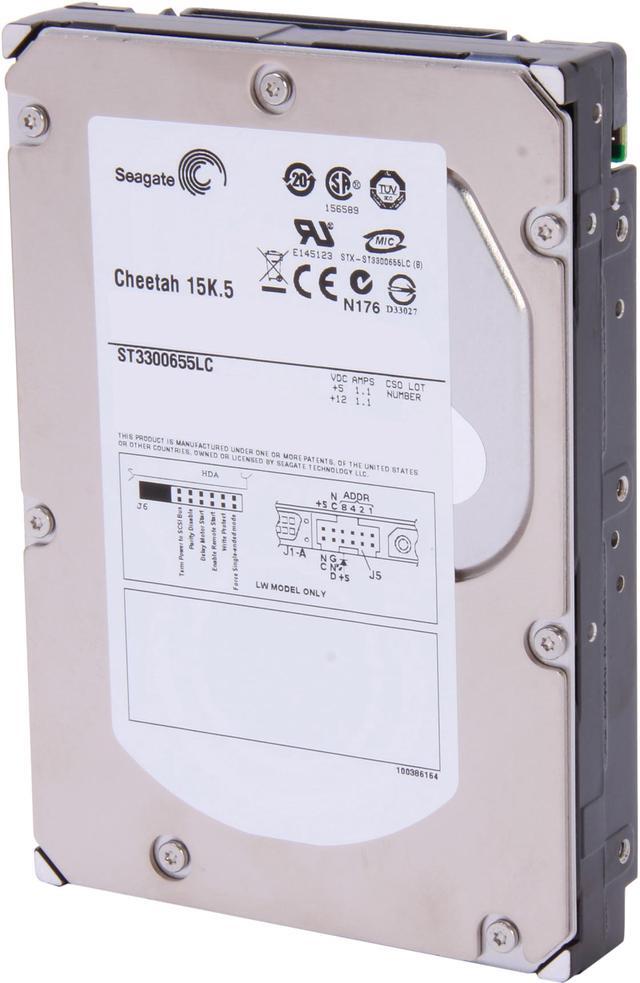
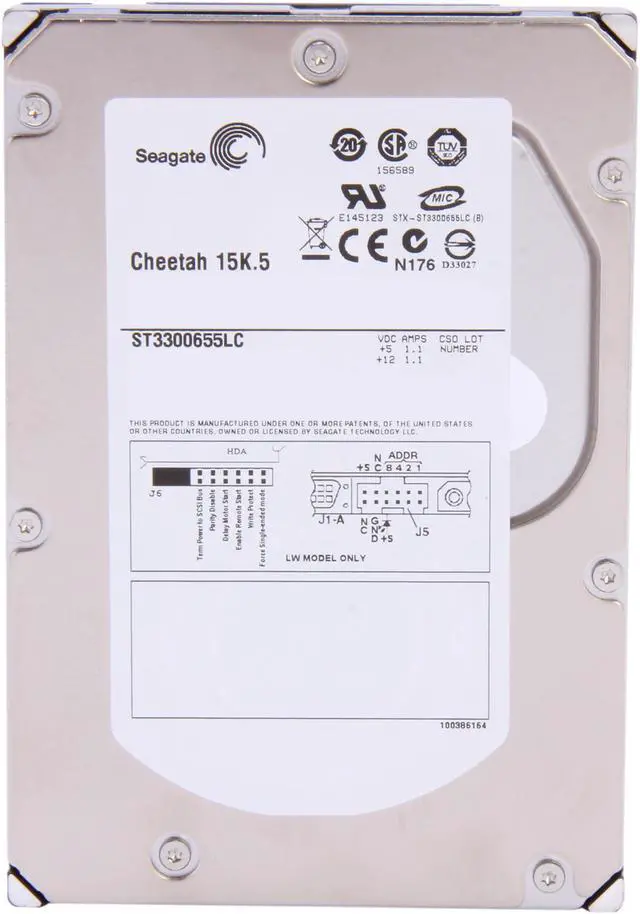
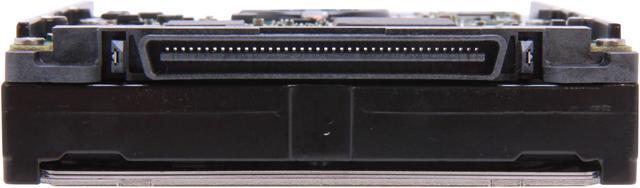
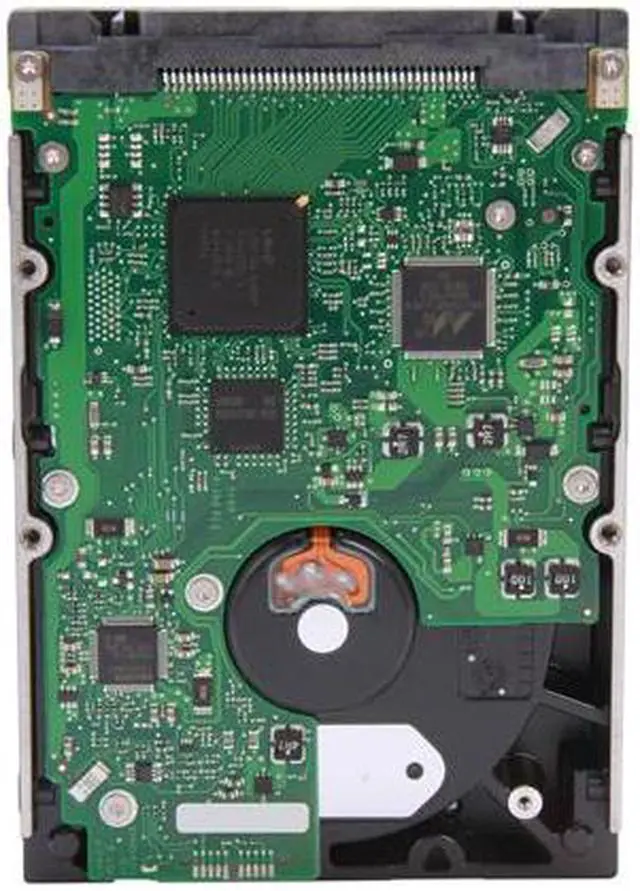
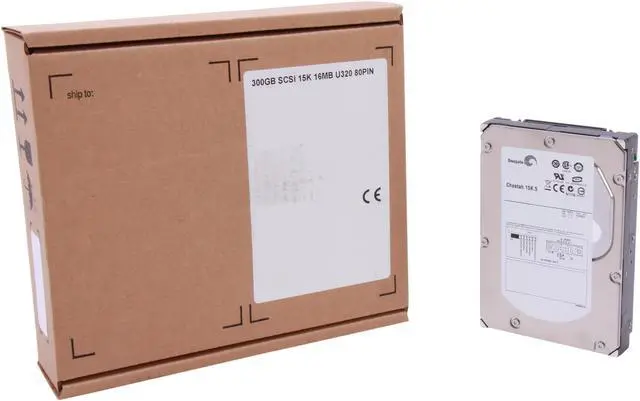
Seagate Cheetah 15K.5 ST3300655LC 300GB 15000 RPM 16MB Cache SCSI Ultra320 80pin 3.5" Hard Drive Bare Drive
See more "scsi hard drives"
In stock.
Ships from United States.
Most customers receive within 5-9 days.
- 15000 RPM 16MB Cache
- SCSI Ultra320 80pin
- 2 YRS
Overview
Specs
Reviews
High performance and proven reliability
Cheetah® 15K.7 hard drives have field-proven reliability with the performance and capacities for legacy 3.5-inch mission critical enterprise storage.
Warranty & Returns
Warranty, Returns, And Additional Information
Warranty
- Limited Warranty period (parts): 1 year
- Limited Warranty period (labor): 1 year
- Read full details
Return Policies
- Return for refund within: 30 days
- This item is covered by Wizcircuit Return Policy
Manufacturer Contact Info
- Manufacturer Website
- Support Phone: 1-800-SEAGATE
- Support Website
- View other products from Seagate
LOADING...
LOADING...


Pros: Extremely reliable, blisteringly fast, designed for heavy-duty server use.
Cons: More expensive than SATA, but that's to be expected. Will require an SAS controller if your system doesn't already have one.
Overall Review: All of our servers at work (datacenter environment) now run various capacities of the Cheetah 15k SAS, with 300 GB being the most common. Failure rates are virtually zero-- you will most likely replace the drive due to obsolescence long before it dies. Even in our most punishing Citrix and SQL environments, their speed is superb. Keep in mind the algorithms used in these disks are specifically optimized for heavy multi-user I/O, not single-user desktop use. Under heavy server loads, you won't find a faster disk (other than SSD). But for ordinary single-user desktops, they'll perform about as well as the less expensive 10k rpm Velociraptor. Use these on the desktop only if you want the added reliability, or you're a serious power user doing 3D, CAD, or other tasks that put very heavy loads on the disk subsystem.