



 here!
here!
I’m your shopping assistant for PC builds, upgrades, and everything tech.
Got questions? Ask away!
Start a conversation
here!
I’m your shopping assistant for PC builds, upgrades, and everything tech.
Got questions? Ask away!
Start a conversation

In Network Interface Cards
Our most popular products, based on sales and updated frequently.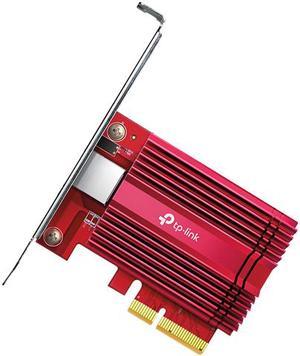
Basic plug and play Installed, updated new drivers and BAM. From 925 to 1307. Like right NOW. All test 5-7 in a row all consistent. File transfer just awesome. Not one complaint. Than You.
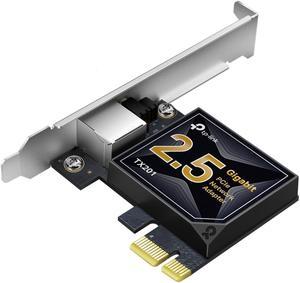
Plug and play!
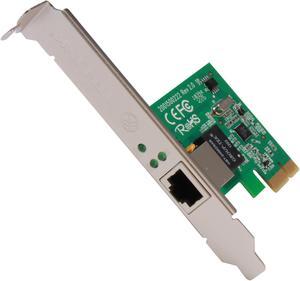
Inexpensive, worked where two other brands did not. As soon as we installed it it worked immediately without any hassle. Running under Windows 7 Professional 64 bit.
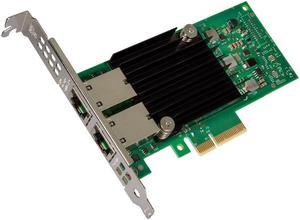
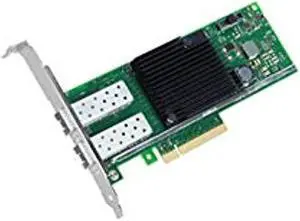
- Intel card works with every device NIC I have with no issues - Worked at 1, 2.5 and 10GB for me with no issues - two ports - Can team depending on the OS
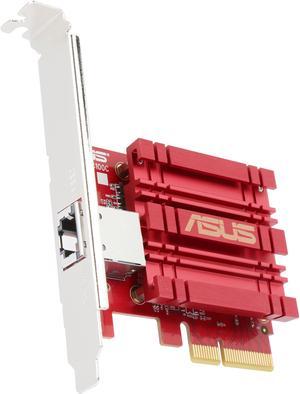
I ordered this card for my supermicro server running PVE v7.1. I did setup SR-IOV PCIE passthrough, and it is blazingly fast!
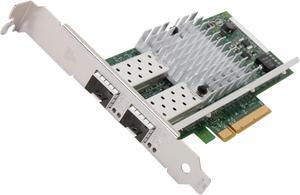
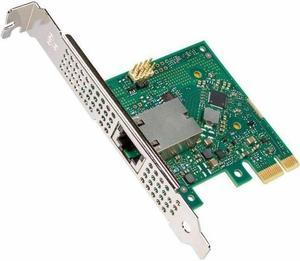
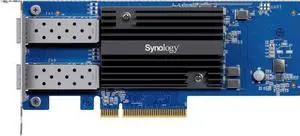
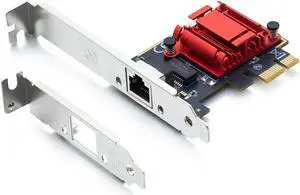
Doesn't require any weird pro-grade server backplanes to connect, just a regular PCI Express slot If drivers are needed, they can be downloaded as a bundle beforehand and installed offline SFP+ ports accept a few varieties of transceiver, so you don't even need to replace your ethernet wiring to use this
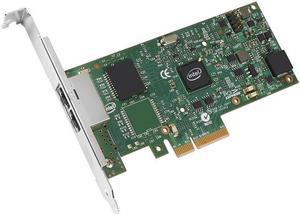
Works. Dual NIC.
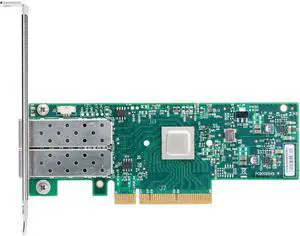
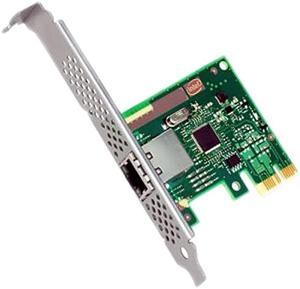
The obvious question is why one would purchase this card over the far cheaper options. Generic 1Gbps NICs can be had for just over a tenth the cost, while Intel's desktop varieties run less than half the price of this card. Leaving aside the cheapest cards - ones I've found to cause more problems with data corruption and reliability than it's worth - the main reason to go with a server card is if you will be loading it heavily. If you're running your own datacenter, power-saving features such as EEE and DMA coalescing are handy, but that likely doesn't apply to most potential customers for this NIC. The I210T1 does an even better job at offloading calculations than previous generation NICs.Saturate a full 1Gbps connection with multiple streams and you'll see CPU usage drop in comparison to what it is with desktop cards. We put this card in a workstation to replace the on-board Realtek NIC. System CPU time dropped by 20-30% under very heavy network loads after switching to the I210T1. Another benefit to the I210T1 - and a possible reason to upgrade to this new model - is Audio Video Bridging (AVB) support. When working on projects where multiple media streams need to be perfectly synchronized, AVB worked wonders. Older NICs simply could not keep everything synced perfectly. We needed to work on 10Gbps connections instead. Being able to accomplish the same feat with a much cheaper card is great! The I210T1 is tiny. It fits easily even in systems with bulging heatsinks and video cards.
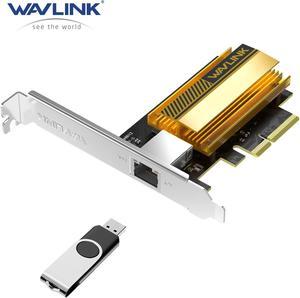
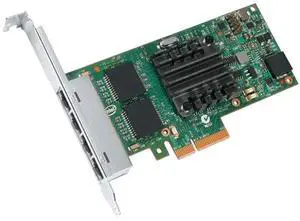
Windows 10 Pro support VLANS Jumbo Frames More ports than i could ever use.
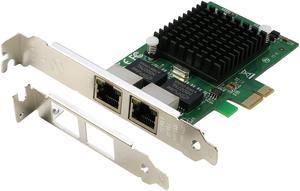
- Easy setup. Used in OPNSense setup on a custom system. Recognized without issue.
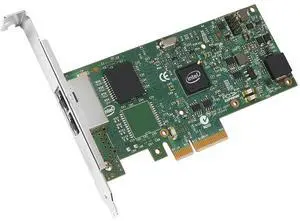
After my onboard internet connection went on the fritz, I purchased this NIC card based on Intels reputation and its reviews. After install I ran into problems with the connection dropping after 10-20 minutes of use. Intel support was very helpful with figuring out what the issue was, which turned out using the latest driver on Intels website. It works great now. Thank you Intel and Newegg.
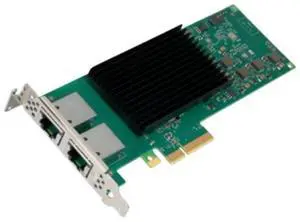

Easy to install, win10 set up the card , no drivers needed.