
 here!
here!
I’m your shopping assistant for PC builds, upgrades, and everything tech.
Got questions? Ask away!
Start a conversation
here!
I’m your shopping assistant for PC builds, upgrades, and everything tech.
Got questions? Ask away!
Start a conversation

In Add-On Cards
Our most popular products, based on sales and updated frequently.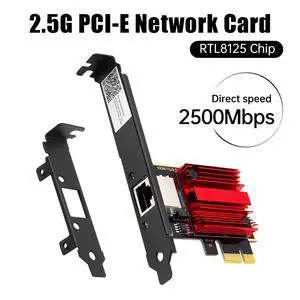
Easy to install. Works on a pciE 1.1 slot and gives 2.5Gigabit connection. Actual range was in the 1.7500 but still fine tuning my home fiber network.
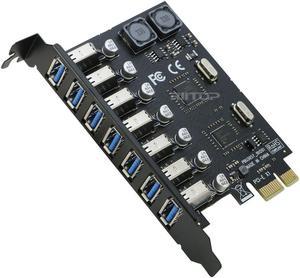
Has an interesting mini driver disk. I could not understand the readme that came with it, but the drivers for Win 11 Pro were simple to install. They are all from 2012. Windows Plug+Play uses driver from Jan. 2023, but is replaced. I have not seen them removed yet. Renesas installs USB 2.0 Hub, USB 3.0 Host Controller, USB 3.0 Hub, USB 3.0 Root Hub. There is also a green power light on the nearest edge of the card.
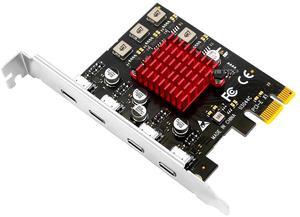
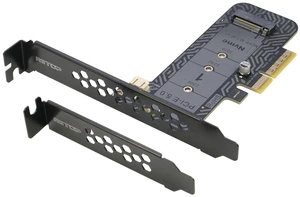
Cheap Works Appears well made
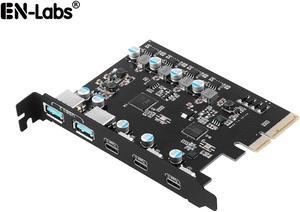
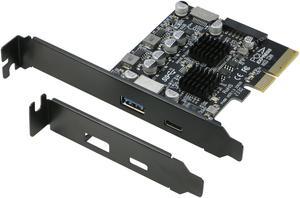
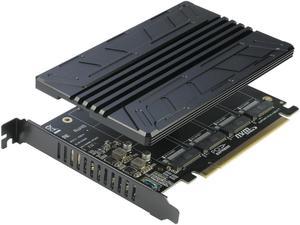
- The heat sink plate is WELL CONSTRUCTED and nice and thick! Make sure you mount your M.2 NVMe drives and then place the heat sink adhesive on the drives and then mount and screw the plate in place. - Note: the board has a +12V fan connector on it that is not used in this variant. Riitop sells another that is a fan-based model were a fan (in place of the plate) would normally mount. - The kit comes with a decent screwdriver you need to install the heat sink plate. I have sooo many screwdrivers now because I have ordered similar kits.
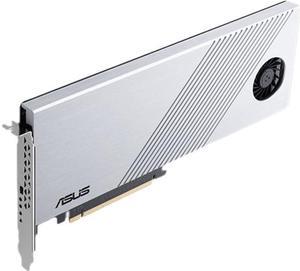
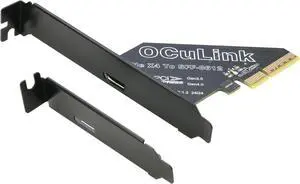
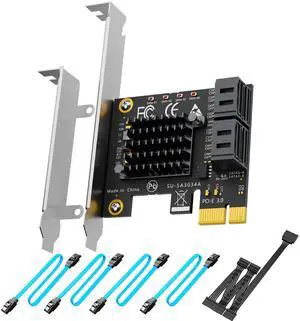
Easy install, works as expected.

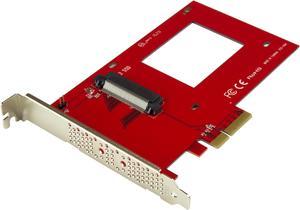
I purchased U.2 ssd drives for my HP server after realizing my server doesn't support the drives. Using this card saved my day. Allows my server to easily see and use the new drives.
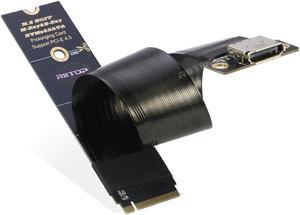
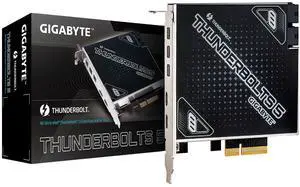
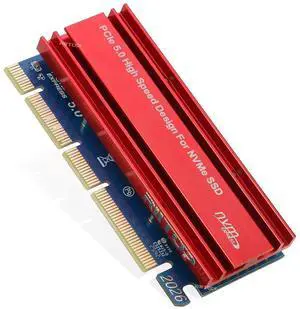
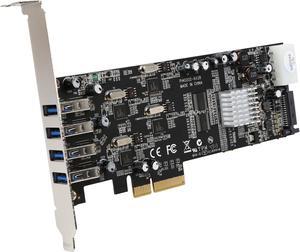
Perfect , but follow these instructions
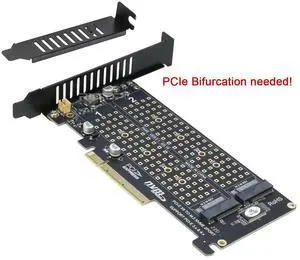
Build quality looks good. Works with every drive tried. Will work as a single drive adapter as long as a compatible 4X slot is available on an older motherboard.
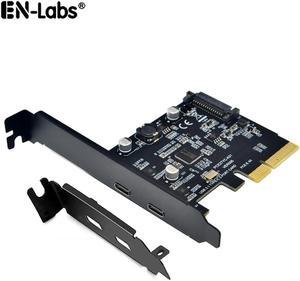
I was a little worried that I wouldn't be able to install the correct drivers as I don't have a disc drive on this pc. but windows was able to get it done without me doing anything.